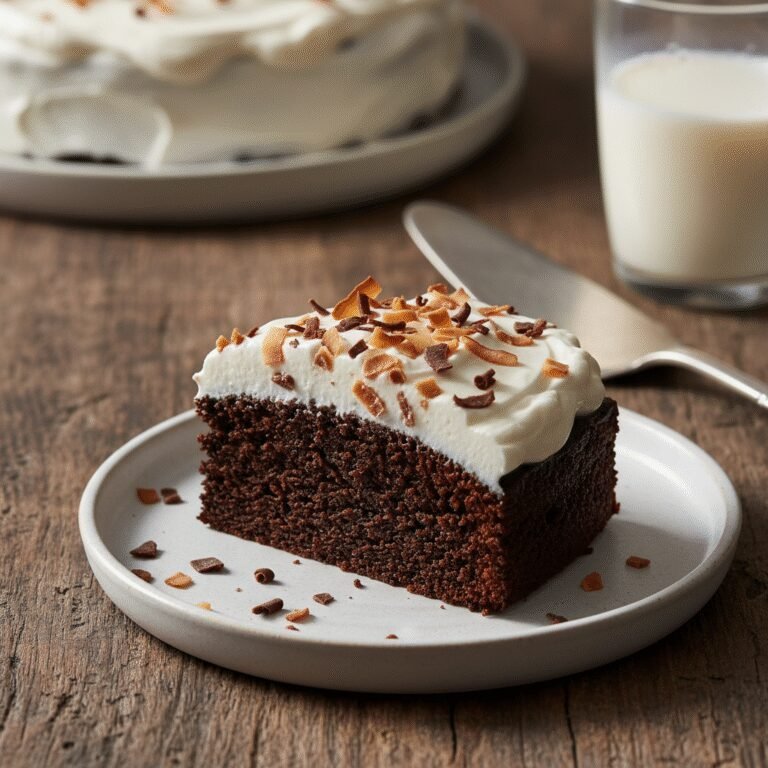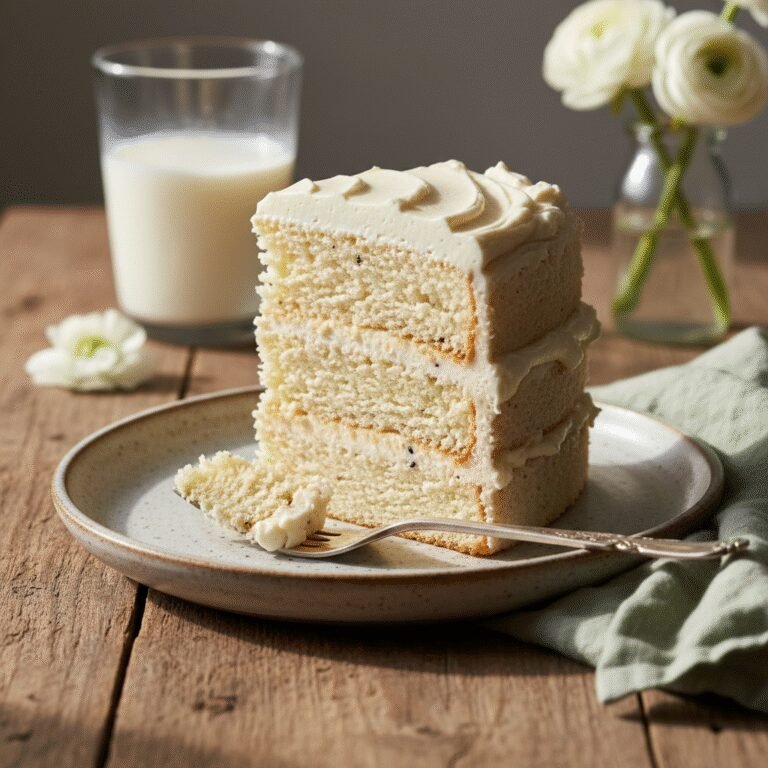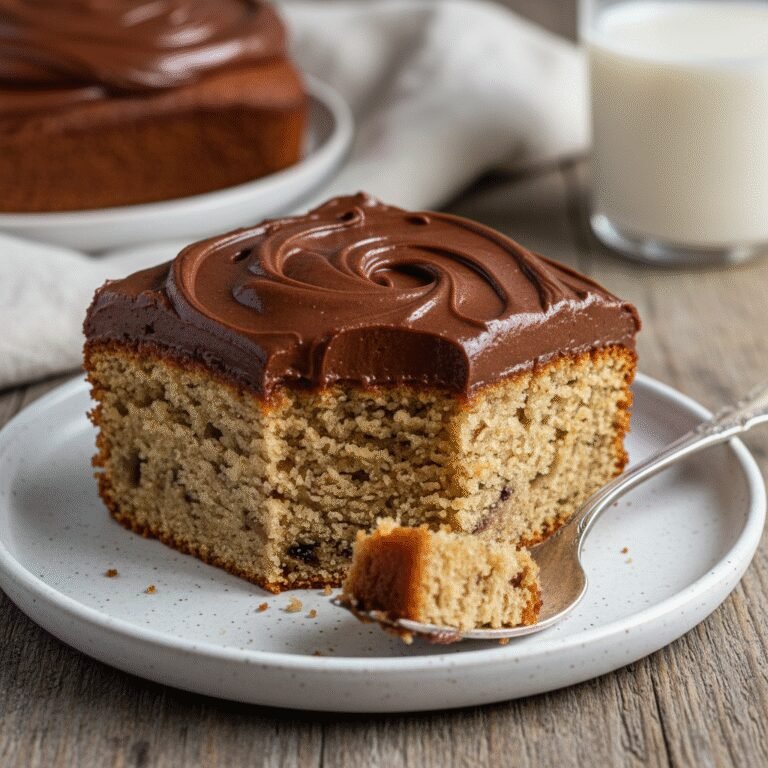
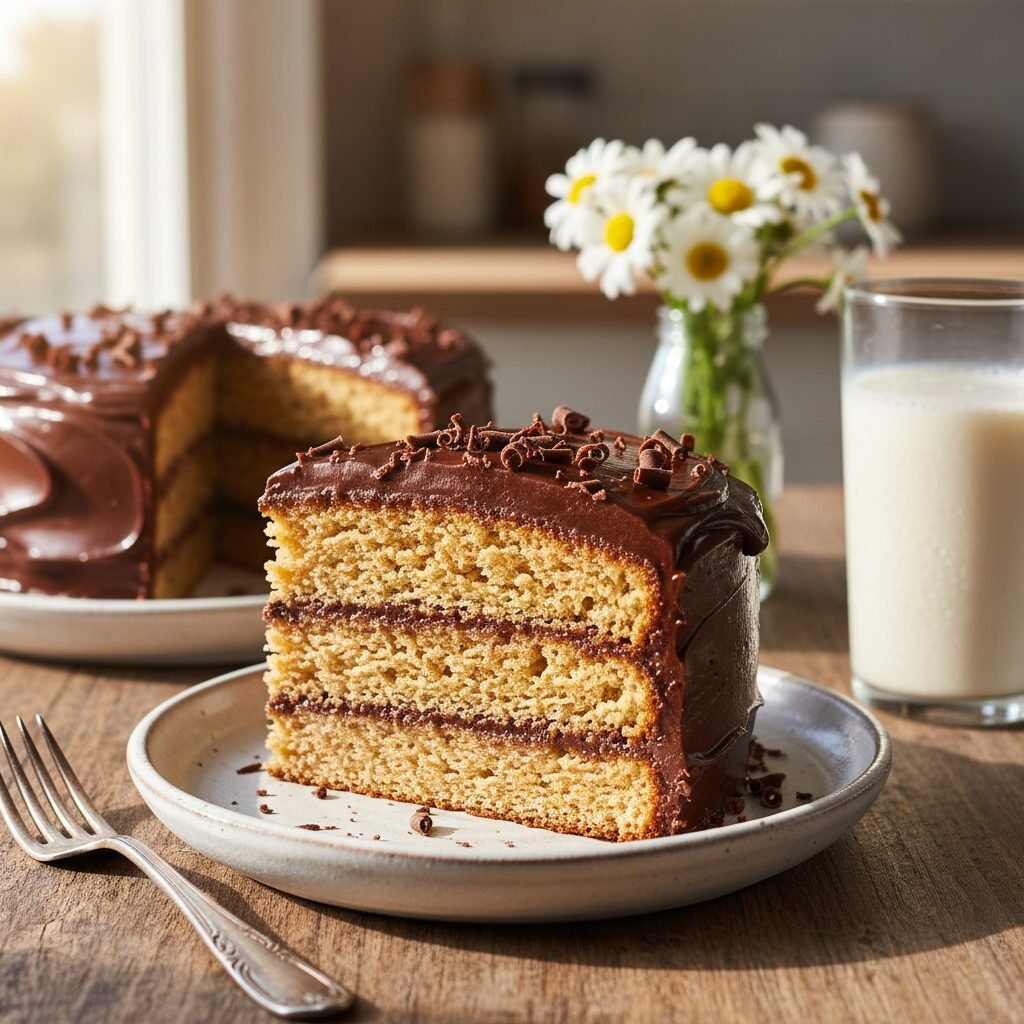
The Ultimate Moist Vegan Vanilla Cake with Rich Chocolate Frosting
Moist Vegan Vanilla Cake With Vegan Chocolate Frosting Recipe
Discover the secret to the most tender, fluffy, and moist vegan vanilla cake you will ever taste. Paired with a decadent, dairy-free chocolate buttercream, this recipe defies the dry sponge stereotype and delivers pure birthday-cake nostalgia in every bite.
25 minutes
35 minutes
60 minutes
12 servings (2 8-inch round cakes)
Dessert
Baking
American
Vegan
If there is one holy grail in the world of plant-based baking, it is undoubtedly the perfect vanilla cake. For years, vegan cakes suffered from a reputation of being dense, gummy, or dry—a mere shadow of their butter-and-egg-laden counterparts. But those days are long gone. This recipe is a celebration of how far vegan baking science has come, offering a crumb so tender and a flavor so classic that even the most skeptical traditionalists will be reaching for a second slice. We are talking about a cake that captures the essence of a classic celebration: the distinct aroma of high-quality vanilla bean, the soft, pillow-like texture that melts in your mouth, and the rich, creamy contrast of a chocolate frosting that feels like silk.
Creating this masterpiece wasn’t about reinventing the wheel, but rather understanding the chemistry of moisture and structure without animal proteins. By utilizing the reaction between plant-based milk and acid to create a vegan buttermilk, we achieve a lift and tenderness that oil alone cannot provide. This cake is robust enough to be stacked in layers yet delicate enough to be eaten as a simple sheet cake. The frosting is equally impressive—a whipped chocolate ganache-style buttercream that uses unsweetened cocoa powder and high-fat vegan butter to create a luscious topping that holds its shape perfectly. Whether you are baking for a birthday, an anniversary, or just a Tuesday night craving, this Moist Vegan Vanilla Cake with Vegan Chocolate Frosting is about to become your new go-to standard for dessert excellence.
History & Origins
The concept of cake has evolved dramatically over centuries, tracing its roots back to ancient modifications of bread. Early cakes were essentially sweet breads, enriched with honey, nuts, and dried fruits. However, the modern vanilla cake as we know it—light, fluffy, and leavened with baking powder—is a relatively recent innovation from the mid-19th century. The discovery of chemical leavening agents revolutionized baking, allowing home cooks to produce airy sponges without the laborious task of beating eggs for hours. Vanilla, an exotic orchid pod from Mexico, became the standard flavoring in the West as trade routes expanded and the production of vanilla extract became industrialized.
Vegan baking, on the other hand, has a fascinating history often linked to times of scarcity. During the Great Depression and World War II, rationing of eggs and butter forced bakers to get creative. The famous ‘Wacky Cake’ or ‘Depression Cake’ was born during this era, relying on vinegar and baking soda for lift rather than eggs. While those early recipes were born out of necessity, the modern vegan movement has transformed plant-based baking into a culinary art form. Today, it is not about substituting ingredients due to lack of availability, but rather making conscious ethical and health choices without compromising on taste. This specific recipe stands on the shoulders of those historical innovations, refining the ‘acid-base’ leavening technique of the 1930s and combining it with modern, high-quality plant-based fats to create a dessert that rivals any traditional patisserie offering.
Why This Recipe Works
This recipe succeeds where many others fail because it meticulously balances the ratio of fat, sugar, and acid to mimic the structural properties of eggs and dairy butter. The primary secret lies in the ‘vegan buttermilk’ created by mixing soy milk with apple cider vinegar. Soy milk has a higher protein content than almond or oat milk, which allows it to curdle effectively when acid is added. This curdling thickens the liquid and, when introduced to baking soda, creates an immediate chemical reaction that produces carbon dioxide bubbles, giving the cake superior lift and a light, airy crumb.
Furthermore, we use a neutral oil (like canola or vegetable oil) instead of vegan butter for the cake batter itself. While butter adds flavor, it contains water which can evaporate and leave a drier texture. Oil is 100% fat and remains liquid at room temperature, ensuring that the cake stays moist for days, even after refrigeration. We also employ a combination of baking powder and baking soda to ensure a consistent rise that isn’t too dense. Finally, the ‘reverse creaming’ or simple wet-into-dry method prevents the over-development of gluten, ensuring the cake remains tender rather than bread-like. The result is a foolproof batter that yields a professional-quality texture every single time.
Why You’ll Love This Recipe
- ✓Incredibly moist crumb that stays soft for days.
- ✓100% dairy-free and egg-free, perfect for allergy sufferers.
- ✓Rich, silky chocolate frosting that pipes beautifully.
- ✓Simple pantry ingredients with no hard-to-find substitutes.
- ✓Versatile batter that works for cupcakes or layer cakes.
Equipment You’ll Need
- ✓Two 8-inch round cake pans
- ✓Large mixing bowl
- ✓Medium mixing bowl
- ✓Whisk
- ✓Electric hand mixer or stand mixer
- ✓Rubber spatula
- ✓Wire cooling rack
- ✓Measuring cups and spoons
- ✓Parchment paper
Ingredients
- ✓2 ½ cups All-purpose flour
- ✓2 cups Granulated sugar
- ✓1 ½ tsp Baking powder
- ✓1 tsp Baking soda
- ✓1 tsp Salt
- ✓1 ½ cups Unsweetened soy milk (room temperature)
- ✓1 tbsp Apple cider vinegar
- ✓½ cup Neutral oil (canola, vegetable, or grapeseed)
- ✓1 tbsp Pure vanilla extract
- ✓½ cup Unsweetened applesauce (room temperature)
- ✓1 cup Vegan butter sticks, slightly softened (for frosting)
- ✓3 ½ cups Powdered sugar (for frosting)
- ✓¾ cup Unsweetened cocoa powder (for frosting)
- ✓2-3 tbsp Non-dairy milk (for frosting)
- ✓2 tsp Vanilla extract (for frosting)
Instructions
- Preheat your oven to 350°F (175°C). Grease two 8-inch round cake pans with a little oil and line the bottoms with parchment paper to ensure easy removal.
- In a medium bowl or measuring jug, combine the soy milk and apple cider vinegar. Whisk gently and let it sit for about 5-10 minutes to curdle into vegan buttermilk.
- In a large mixing bowl, sift together the flour, sugar, baking powder, baking soda, and salt. Whisk well to ensure the raising agents are evenly distributed.
- Add the oil, vanilla extract, and applesauce to the curdled soy milk mixture. Whisk the wet ingredients until fully combined.
- Pour the wet mixture into the dry ingredients. Using a whisk or hand mixer on low speed, mix until just combined and no large lumps of flour remain. Be careful not to overmix.
- Divide the batter evenly between the two prepared cake pans. Tap the pans gently on the counter to release any large air bubbles.
- Bake in the center of the oven for 30-35 minutes, or until a toothpick inserted into the center comes out clean or with just a few moist crumbs.
- Remove cakes from the oven and let them cool in the pans for 10 minutes. Then, carefully invert them onto a wire rack to cool completely before frosting.
- While the cakes cool, prepare the frosting. In a large bowl using a hand mixer or stand mixer, beat the softened vegan butter until creamy and pale (about 3 minutes).
- Sift in the cocoa powder and powdered sugar in batches, mixing slowly at first to avoid a dust cloud, then increasing speed. Add the vanilla extract.
- Add the non-dairy milk one tablespoon at a time, whipping on high speed until the frosting is fluffy, smooth, and spreadable.
- Once the cakes are completely cool, frost the top of one layer, stack the second layer on top, and cover the top and sides with the remaining frosting.
Expert Cooking Tips
- ✓Use a kitchen scale to measure flour for the most accurate results; too much flour is the main cause of dry cake.
- ✓Ensure your baking soda and baking powder are fresh; expired leavening agents will result in a dense, flat cake.
- ✓Do not overmix the batter once the wet and dry ingredients meet, as this develops gluten and makes the cake tough.
- ✓Use room temperature ingredients, especially the soy milk and applesauce, to ensure an even emulsion.
- ✓Let the cakes cool completely before frosting, otherwise, the vegan buttercream will melt and slide off.
- ✓If your frosting is too soft, refrigerate it for 15 minutes to firm up before piping.
- ✓Tap the cake pans on the counter before baking to remove large air pockets for a more uniform crumb.
Substitutions and Variations
This recipe is quite flexible, but specific substitutions yield the best results. If you don’t have soy milk, almond milk or oat milk can work, though soy curdles the best for the buttermilk effect. For the flour, you can use a 1:1 gluten-free baking flour blend that contains xanthan gum if you need a gluten-free option, though the texture may be slightly different. The neutral oil can be swapped for melted coconut oil, but ensure all other ingredients are room temperature so the oil doesn’t solidify instantly. Applesauce acts as an egg replacer here; if unavailable, you can use a commercial egg replacer or a flax egg (1 tbsp ground flaxseed meal mixed with 3 tbsp water), though flax may add a speckled appearance. For the frosting, any plant-based milk works well, and you can swap vanilla extract for almond or peppermint extract for a different flavor profile.
Common Mistakes to Avoid
The most common mistake is measuring flour by volume rather than weight. Scooping flour directly with a measuring cup packs it down, leading to a dry cake. Always use the ‘spoon and level’ method or a scale. Another error is opening the oven door too early; this can cause the cake to collapse in the center due to a sudden drop in temperature. Using melted vegan butter instead of oil in the cake batter is also a pitfall; while butter tastes great, it doesn’t provide the same lasting moisture as oil in vegan cakes. Finally, rushing the cooling process is a disaster waiting to happen—warm cake will melt the fat in the frosting immediately, leading to a sliding, messy layer cake.
Serving Suggestions
This cake is a showstopper on its own, but it pairs beautifully with fresh berries like raspberries or strawberries to cut through the richness of the chocolate. A scoop of vegan vanilla bean ice cream or a dollop of coconut whipped cream on the side elevates it to a restaurant-quality dessert. For a birthday celebration, top with colorful vegan sprinkles or shaved dark chocolate curls. Serve with a hot cup of coffee or a cold glass of oat milk for the ultimate comfort food experience.
Storage and Reheating Tips
Store the frosted cake in an airtight cake carrier at room temperature for up to 2 days; the sugar in the frosting acts as a preservative. For longer storage, keep it in the refrigerator for up to 5 days, but be sure to let slices come to room temperature before eating for the best texture and flavor. The unfrosted cake layers can be wrapped tightly in plastic wrap and frozen for up to 3 months. Thaw frozen layers in the refrigerator overnight before frosting.
Nutrition Facts (Estimated)
| Serving Size | 1 slice |
| Calories | 450 |
| Fat | 22g |
| Saturated Fat | 6g |
| Unsaturated Fat | 14g |
| Trans Fat | 0g |
| Cholesterol | 0mg |
| Sodium | 290mg |
| Carbohydrates | 62g |
| Fiber | 2g |
| Sugar | 38g |
| Protein | 4g |
Frequently Asked Questions
Can I make this recipe into cupcakes?
Yes! This batter works perfectly for cupcakes. Line a muffin tin with liners and fill them about 2/3 full. Bake at 350°F for 18-22 minutes.
Why did my cake sink in the middle?
Sinking usually happens if the oven door was opened too early, the oven wasn’t hot enough, or the batter was overmixed. Ensure your leavening agents are fresh as well.
Can I use coconut sugar instead of white sugar?
You can, but the cake will be darker in color and have a caramel-like flavor. The texture might be slightly denser due to the moisture content of coconut sugar.
Is this cake gluten-free?
This specific recipe uses all-purpose wheat flour. To make it gluten-free, substitute with a high-quality 1:1 gluten-free flour blend that includes xanthan gum.
Can I reduce the sugar in the recipe?
Reducing sugar can affect the moisture and texture of the cake, making it more bread-like. It is recommended to stick to the recipe for the best structural results.
What is the best vegan butter for frosting?
Look for vegan butter sticks rather than tub margarine. Sticks have a lower water content and higher fat content, which helps the frosting hold its shape better.
Why do I need vinegar in a cake recipe?
Vinegar reacts with the baking soda to create carbon dioxide bubbles. This reaction is crucial for lifting the cake and making it fluffy since there are no eggs to provide structure.
Can I freeze the frosting?
Yes, you can freeze the frosting in an airtight container for up to 3 months. Thaw it in the fridge overnight and re-whip it with a mixer before using.
Conclusion
Mastering a vegan vanilla cake is a milestone for any home baker, and this recipe proves that you don’t need dairy or eggs to achieve a dessert that is moist, fluffy, and utterly delicious. The combination of the tender vanilla sponge with the rich, velvety chocolate frosting creates a balance that satisfies both the sweet tooth and the texture critic. Whether you are vegan, dairy-free, or simply love a good slice of cake, this recipe is bound to become a staple in your kitchen. So preheat that oven, gather your ingredients, and get ready to bake a cake that brings joy to everyone who tastes it. Happy baking!