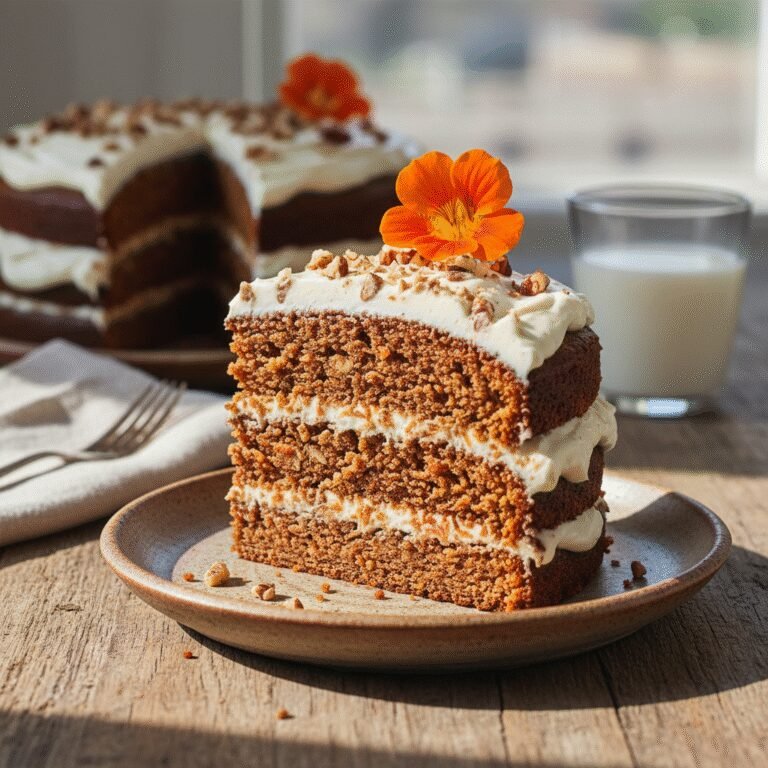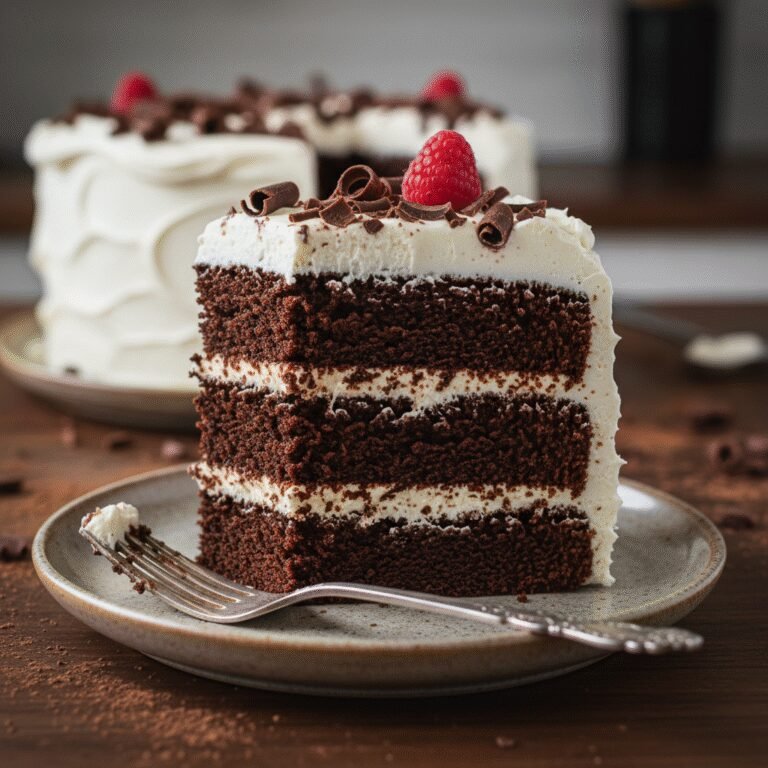
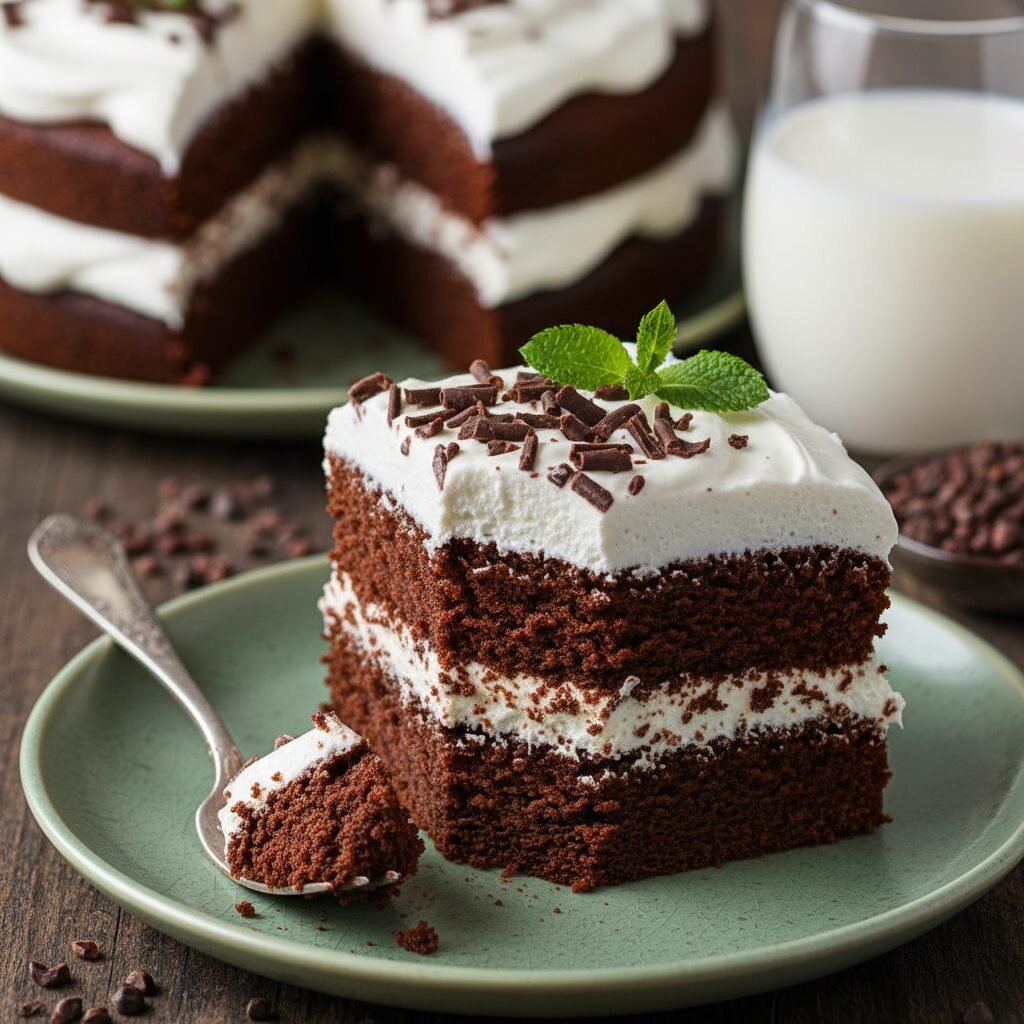
The Ultimate Moist Vegan Chocolate Cake With Coconut Cream Frosting
Moist Vegan Chocolate Cake With Coconut Cream Frosting Recipe
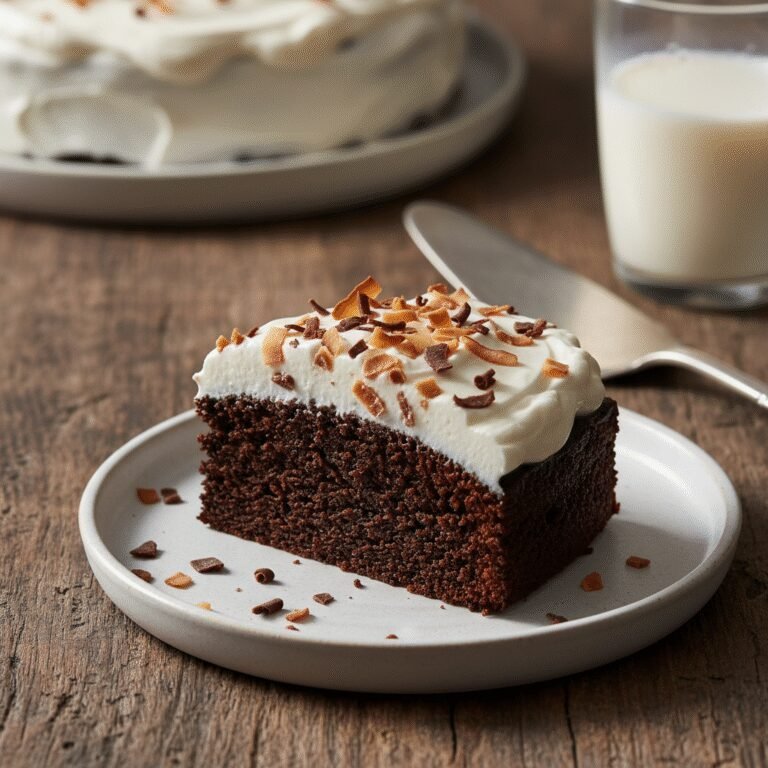
Forget everything you know about vegan baking; this Moist Vegan Chocolate Cake defies expectations with its impossibly tender crumb and rich, decadent flavor. Topped with a luscious, cloud-like coconut cream frosting, this recipe is a showstopper that requires no strange ingredients and delivers pure chocolate bliss in every bite.
30 minutes
35 minutes
1 hour 5 minutes (plus cooling time)
12 servings
Dessert
Baking
American
Vegan
If there is one holy grail in the world of plant-based baking, it is undoubtedly the perfect chocolate cake. For years, vegan desserts suffered from a reputation of being dry, dense, or oddly textured, often relying on hard-to-find substitutes that just didn’t hit the mark. But let me tell you, this Moist Vegan Chocolate Cake with Coconut Cream Frosting changes the narrative entirely. We are talking about a cake so deeply chocolatey, so remarkably moist, and so tender that even the most skeptical dairy-lovers will be asking for a second slice before they’ve finished their first.
The magic lies in the balance of simple pantry staples. Rather than trying to mimic butter with highly processed alternatives, we lean into ingredients that naturally enhance moisture and flavor. The cocoa blooms in hot coffee, intensifying the chocolate profile without adding a mocha taste, while the reaction between vinegar and baking soda provides a lift that rivals any egg-based sponge.
But the real crown jewel of this dessert is the frosting. Traditional buttercream can sometimes be overly sweet or greasy, but this whipped coconut cream frosting is a revelation. It is light, airy, and carries a subtle tropical whisper that cuts through the richness of the dark chocolate sponge perfectly. Whether you are baking for a birthday, a holiday gathering, or simply a Tuesday night craving, this cake promises to be the centerpiece of your table. It is a celebration of how indulgent, satisfying, and uncompromising vegan food can be. So, preheat your ovens and prepare to fall in love with chocolate all over again.
History & Origins
The history of chocolate cake is a journey that mirrors the evolution of baking technology and ingredients over the last two centuries. While chocolate has been consumed as a beverage for thousands of years, primarily in Mesoamerica, it wasn’t until the mid-18th century that it began to appear in solid baked goods. In 1764, Dr. James Baker discovered how to make chocolate by grinding cocoa beans between massive circular millstones, paving the way for the cocoa powder we use today. However, early ‘chocolate cakes’ were actually yellow cakes with a chocolate glaze or drink served alongside them. It wasn’t until the late 19th century, with the refinement of cocoa powder and the accessibility of baking soda, that the dark, rich batter we recognize today became popular.
The specific roots of this vegan variation can be traced back to the Great Depression. During this era of scarcity, ingredients like butter, milk, and eggs were rationed or too expensive for the average household. Ingenious home bakers developed ‘Wacky Cake’ or ‘Depression Cake,’ which relied on a chemical reaction between vinegar and baking soda to leaven the batter. This accidental veganism proved that delicious cakes didn’t require dairy or eggs.
In recent decades, the plant-based movement has revitalized this concept, elevating it from a necessity of hard times to a culinary choice focused on ethics, health, and sustainability. The addition of coconut cream as a frosting medium is a more modern innovation, born from the global rise in dairy-free alternatives and the discovery that chilled coconut fat whips similarly to heavy dairy cream. This recipe honors that history of ingenuity, combining the frugal brilliance of the Depression era with the luxurious, global ingredients available to modern bakers.
Why This Recipe Works
This recipe succeeds where many others fail due to a precise understanding of food chemistry. The primary challenge in vegan baking is replacing the structural and emulsifying properties of eggs and the richness of butter. Here, we use a combination of oil and fruit puree (often applesauce, though this recipe relies on oil and liquid ratios for a lighter crumb) or simply a high liquid-to-flour ratio to ensure the cake remains moist for days. Oil is superior to butter in cakes because it remains liquid at room temperature, whereas butter solidifies; this means an oil-based cake feels moister on the palate.
The leavening agent is a crucial component. By combining baking soda (a base) with apple cider vinegar (an acid), we create immediate carbon dioxide bubbles. This reaction gives the cake its lift and airy structure, mimicking the function of beaten eggs. Furthermore, the use of hot coffee is not just for liquid content; the heat ‘blooms’ the cocoa powder, breaking down its structure slightly to release more intense flavor compounds, resulting in a deeper, more complex chocolate taste that water or milk alone cannot achieve.
For the frosting, coconut cream works because of its high saturated fat content. When chilled, the fat solidifies. Whipping it incorporates air, creating a stable structure similar to whipped dairy cream. Sweetening it with powdered sugar also adds stabilizers (usually a tiny amount of cornstarch found in the sugar) which helps the frosting hold its shape. The result is a cake that is scientifically designed to be moist, flavorful, and structurally sound without a single drop of dairy.
Why You’ll Love This Recipe
- ✓Incredibly moist texture that stays fresh for days
- ✓Deep, intense chocolate flavor enhanced by hot coffee
- ✓Dairy-free, egg-free, and completely vegan
- ✓Luxuriously creamy whipped coconut topping
- ✓Uses simple pantry staples—no weird egg replacers
- ✓Perfect for birthdays and special occasions
Equipment You’ll Need
- ✓Two 8-inch round cake pans
- ✓Large mixing bowl
- ✓Medium mixing bowl
- ✓Whisk
- ✓Electric hand mixer or stand mixer
- ✓Measuring cups and spoons
- ✓Parchment paper
- ✓Wire cooling rack
- ✓Offset spatula
Ingredients
- ✓2 cups all-purpose flour
- ✓2 cups granulated sugar
- ✓3/4 cup unsweetened cocoa powder (high quality)
- ✓2 teaspoons baking soda
- ✓1 teaspoon baking powder
- ✓1 teaspoon salt
- ✓1 cup unsweetened almond milk (or soy milk)
- ✓1/2 cup vegetable oil (or melted coconut oil)
- ✓2 large eggs’ worth of flax egg (optional, but recipe works without)
- ✓1 cup hot brewed coffee (strong)
- ✓1 tablespoon apple cider vinegar
- ✓1 tablespoon pure vanilla extract
- ✓2 cans (14 oz each) full-fat coconut milk or coconut cream, chilled overnight
- ✓1/2 cup powdered sugar (sifted)
- ✓1 teaspoon vanilla bean paste (for frosting)
Instructions
- Preheat your oven to 350°F (175°C). Grease two 8-inch round cake pans with oil and line the bottoms with parchment paper to ensure easy removal.
- In a large mixing bowl, sift together the flour, granulated sugar, cocoa powder, baking soda, baking powder, and salt. Whisk well to ensure the ingredients are evenly distributed and there are no lumps.
- In a medium bowl, whisk together the almond milk, vegetable oil, apple cider vinegar, and vanilla extract. If you are using flax eggs, add them here, but the vinegar/soda reaction usually provides enough lift.
- Pour the wet ingredients into the dry ingredients and mix with a whisk or electric mixer on low speed until just combined. Do not overmix.
- Slowly pour in the hot coffee while mixing gently. The batter will appear very thin and liquidy; this is completely normal and essential for a moist cake.
- Divide the batter evenly between the two prepared cake pans. Tap the pans gently on the counter to release any large air bubbles.
- Bake in the preheated oven for 30 to 35 minutes, or until a wooden toothpick inserted into the center comes out clean or with just a few moist crumbs attached.
- Remove the cakes from the oven and let them cool in the pans for about 15 minutes. Then, carefully run a knife around the edges and invert them onto a wire rack to cool completely. They must be 100% cool before frosting.
- While the cakes cool, prepare the frosting. Open the chilled cans of coconut milk. Carefully scoop out the solidified thick cream from the top into a chilled mixing bowl. Discard the liquid water or save it for smoothies.
- Using an electric mixer, whip the coconut cream on high speed until fluffy and smooth, about 3-5 minutes.
- Gradually add the sifted powdered sugar and vanilla bean paste, continuing to whip until stiff peaks form. If it becomes too soft, refrigerate for 20 minutes.
- Once the cakes are fully cooled, place one layer on a serving plate. Spread a generous layer of coconut cream frosting over the top. Place the second cake layer on top and frost the top and sides with the remaining frosting.
- Garnish with chocolate shavings, fresh berries, or toasted coconut flakes if desired. Refrigerate for at least 30 minutes before slicing to set the frosting.
Expert Cooking Tips
- ✓Chill your mixing bowl and beaters before making the coconut frosting to keep the cream stable.
- ✓Use high-quality Dutch-processed cocoa powder for a darker color and smoother, less acidic flavor.
- ✓Do not skip the parchment paper; vegan cakes can be more delicate than non-vegan ones and might stick.
- ✓Make sure the coffee is hot when you add it; this blooms the cocoa and ensures a smooth batter.
- ✓If your coconut cream is too soft, add a tablespoon of cornstarch or tapioca starch while whipping to help stabilize it.
- ✓Measure flour using the ‘spoon and level’ method to avoid a dense cake.
- ✓Let the cake cool completely—even chill it briefly—before frosting, as coconut cream melts easily.
Substitutions and Variations
This recipe is quite flexible, but precise substitutions yield the best results. For the flour, you can substitute a 1:1 gluten-free all-purpose baking flour blend if you need the cake to be gluten-free; ensure the blend contains xanthan gum. If you avoid caffeine, you can use hot water or decaf coffee instead of regular coffee, though the coffee flavor really deepens the chocolate profile. For the oil, melted coconut oil works well but will give a slight coconut flavor; canola, grapeseed, or avocado oil are excellent neutral options. Regarding the sugar, while granulated sugar provides the best structure, you can use coconut sugar for a lower glycemic index, though the cake will be darker and denser. For the milk, soy milk is a great alternative to almond milk because of its higher protein content, which can help with structure, but oat milk works beautifully too.
Common Mistakes to Avoid
The most common mistake with this cake is overmixing the batter once the flour is added. Overmixing develops the gluten too much, leading to a rubbery or tough texture rather than a tender crumb. Another frequent error is not chilling the coconut milk long enough. The cans must be in the fridge for at least overnight (24 hours is better) to separate the fat from the water effectively; otherwise, you will have a runny soup instead of a whipped cream. Additionally, attempting to frost the cake while it is even slightly warm will result in a disaster, as the coconut oil base in the frosting melts at a lower temperature than butter. Finally, opening the oven door too early can cause the cake to collapse in the center, so trust your timer.
Serving Suggestions
This cake is rich and decadent, so it pairs beautifully with elements that cut through the sweetness. Serve slices with a side of fresh raspberries or strawberries, as the tartness balances the deep chocolate flavor. A dusting of espresso powder on top of the frosting adds a sophisticated touch. For a cozy vibe, serve it alongside a hot cup of oat milk latte or a peppermint tea. If you are feeling extra indulgent, a drizzle of warm vegan salted caramel sauce over the slice just before serving takes it to the next level.
Storage and Reheating Tips
Because of the coconut cream frosting, this cake must be stored in the refrigerator. Place it in an airtight cake carrier or cover it gently with plastic wrap (using toothpicks to keep the wrap off the frosting). It will stay fresh for up to 5 days in the fridge. In fact, many find it tastes better on the second day as the flavors meld. You can also freeze the unfrosted cake layers for up to 3 months. Wrap them tightly in plastic wrap and then foil. Thaw them in the fridge overnight before frosting. If freezing a frosted slice, place it on a baking sheet to freeze solid first, then wrap it to prevent squashing the frosting.
Nutrition Facts (Estimated)
| Serving Size | 1 slice |
| Calories | 420 |
| Fat | 22g |
| Saturated Fat | 14g |
| Unsaturated Fat | 7g |
| Trans Fat | 0g |
| Cholesterol | 0mg |
| Sodium | 310mg |
| Carbohydrates | 54g |
| Fiber | 4g |
| Sugar | 28g |
| Protein | 5g |
Frequently Asked Questions
Can I use gluten-free flour for this recipe?
Yes, absolutely. Use a high-quality 1:1 gluten-free all-purpose baking flour that includes xanthan gum. The texture may be slightly different, but it will still be delicious.
Does the cake taste like coffee?
No, it does not. The coffee serves to enhance the richness of the cocoa powder. You won’t taste a distinct coffee flavor, just a very intense chocolate one.
My coconut cream isn’t whipping. What went wrong?
Usually, this happens if the can wasn’t chilled long enough or if the brand of coconut milk doesn’t have a high enough fat content. Ensure you buy full-fat canned coconut milk or specific ‘coconut cream’ and chill it for at least 24 hours.
Can I substitute the sugar with maple syrup?
Replacing granulated sugar with a liquid sweetener like maple syrup will throw off the liquid-to-dry ratio of the batter and may result in a gummy texture. It is best to stick to granulated sweeteners for this specific cake chemistry.
Why is my batter so runny?
This is intentional! A thin batter allows the flour to hydrate fully without over-developing gluten, resulting in a super moist cake. Don’t be alarmed; it will bake up perfectly.
Can I make this as cupcakes instead?
Yes. This recipe yields about 24 cupcakes. Bake them at 350°F for 18-22 minutes. Watch them closely as they bake faster than whole cakes.
Is apple cider vinegar necessary?
Yes, it is crucial. It reacts with the baking soda to create the bubbles that make the cake rise. You can substitute white vinegar or lemon juice if you don’t have apple cider vinegar.
How do I get the frosting to be perfectly white?
Coconut cream is naturally white, but adding clear vanilla extract instead of brown extract helps maintain the snowy color. Also, ensure you don’t scrape any brown bits of coconut meat from the bottom of the can.
Conclusion
There you have it—a foolproof guide to making the most incredible Moist Vegan Chocolate Cake with Coconut Cream Frosting. This recipe proves that you don’t need dairy or eggs to create a dessert that is luxurious, comforting, and utterly delicious. Whether you are a seasoned vegan baker or just dipping your toes into plant-based cooking, this cake is sure to become a staple in your repertoire. The combination of the deep, dark sponge with the light, tropical sweetness of the frosting is a match made in heaven. We hope you enjoy baking this as much as you will enjoy eating it. Don’t forget to share your creations and tag us on social media; we love seeing your beautiful cakes!