The Ultimate Moist Vegan Vanilla Cake With Creamy Vegan Buttercream
Moist Vegan Vanilla Cake With Vegan Buttercream Recipe
Discover the secret to the fluffiest, most tender vegan vanilla cake that rivals any traditional bakery favorite. Paired with a silky-smooth dairy-free buttercream, this foolproof recipe delivers pure vanilla bliss in every bite, perfect for birthdays, weddings, or any celebration.
25 minutes
30 minutes
1 hour 30 minutes (includes cooling)
12-14 servings (Two 8-inch rounds)
Dessert
Baking
American
Vegan
There is a pervasive myth in the baking world that vegan cakes are destined to be dense, gummy, or dry. For years, home bakers have struggled to find a plant-based recipe that replicates the tender crumb and buttery mouthfeel of a classic white cake made with eggs and dairy. This Moist Vegan Vanilla Cake is here to shatter those misconceptions once and for all. We have meticulously tested ratios of flour, fat, and liquid to engineer a cake that is not just ‘good for being vegan,’ but simply an outstanding cake, period.
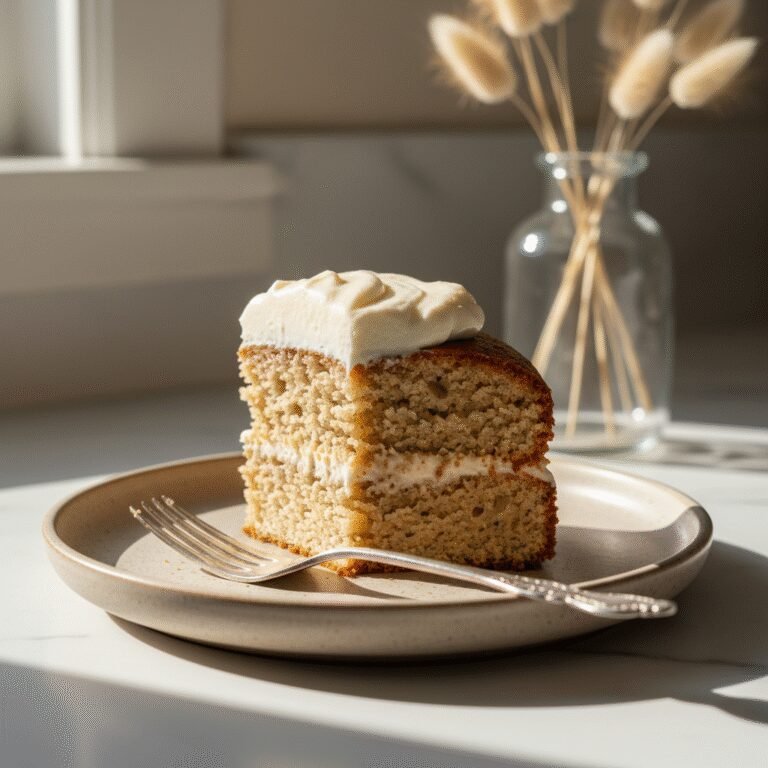
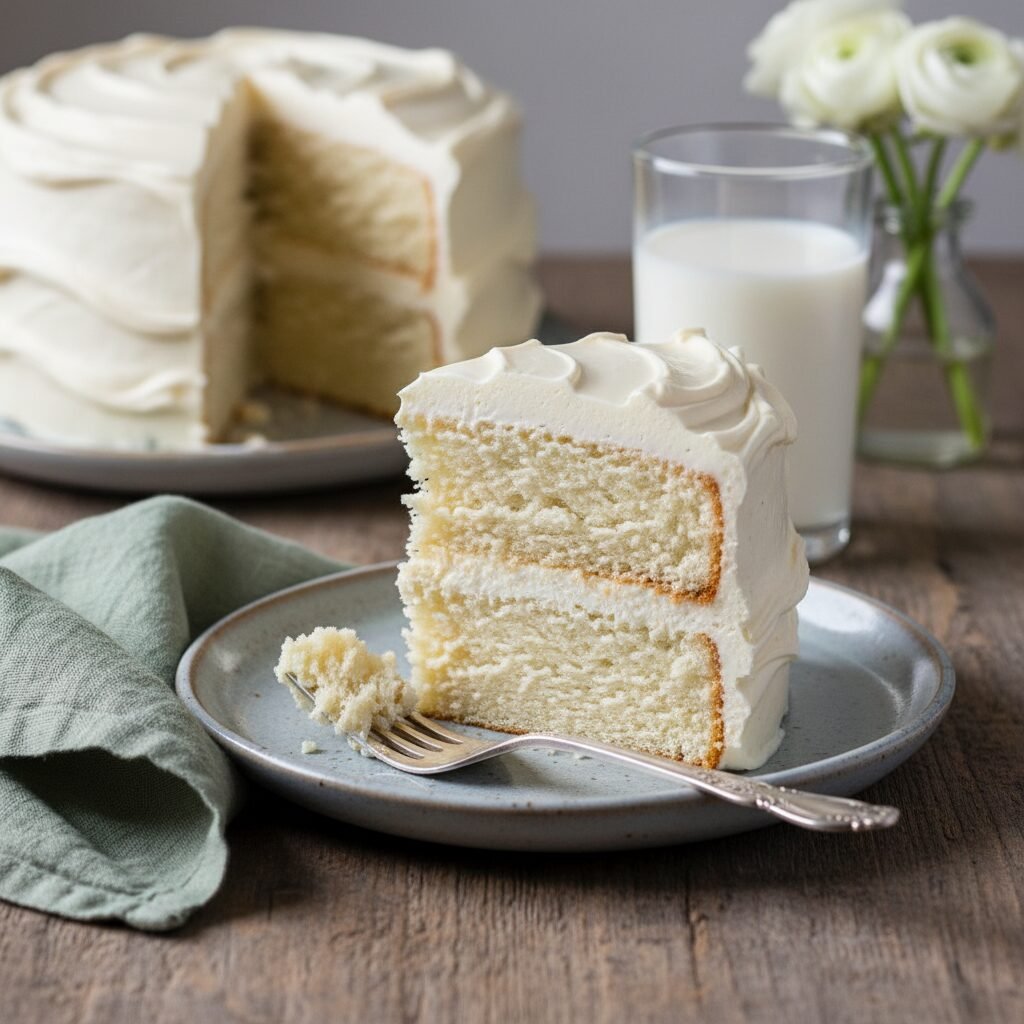
The magic lies in the texture. It is incredibly soft, with a springy crumb that holds up beautifully to stacking and decorating. Unlike some sponge cakes that rely heavily on eggs for structure, this recipe uses a precise chemical reaction between plant-based milk and acid to create a ‘vegan buttermilk’ that tenderizes the gluten while providing lift. The result is a stark white, airy interior that melts in your mouth.
Flavor-wise, we aren’t hiding behind heavy spices or chocolate. This is a celebration of pure vanilla. We use a generous amount of high-quality vanilla extract in both the batter and the frosting to ensure the aroma permeates the kitchen. The accompanying Vegan Buttercream is the crowning jewel—whipped to perfection, it is neither gritty nor overly greasy, offering a lush, creamy finish that balances the sweetness of the cake. Whether you are a lifelong vegan, baking for someone with egg or dairy allergies, or simply out of butter, this recipe is your new gold standard for vanilla cake.
History & Origins
The history of cake baking is a timeline of innovation, evolving from the dense, bread-like honey cakes of ancient civilizations to the light, airy confections we know today. The concept of the ‘white cake’ or ‘silver cake’ emerged in the 19th century with the availability of refined white sugar and flour, becoming a symbol of status and purity often reserved for weddings. However, these traditional recipes relied heavily on beaten egg whites and butter for their signature lift and richness.
The trajectory of vegan baking has a fascinating history of its own, often born out of necessity rather than choice. During the Great Depression and World War II, rationing of butter, milk, and eggs forced home cooks to get creative. This era gave birth to the ‘Wacky Cake’ or ‘Depression Cake,’ which used vinegar and baking soda to create rise without eggs. While ingenious, these early iterations were often limited to chocolate flavors to mask the lack of richness.
In recent decades, the rise of ethical veganism and the plant-based movement has spurred a culinary revolution. Modern food science has allowed us to move beyond simple ‘Wacky Cakes’ to sophisticated baking that rivals French patisserie. The development of better plant-based butters, the understanding of protein structures in flour, and the availability of diverse non-dairy milks have transformed vegan baking from a niche dietary restriction into a celebrated culinary art form. This specific recipe represents the culmination of that history—taking the classic American layer cake and adapting it for the modern, compassionate kitchen without sacrificing a single ounce of nostalgia or flavor.
Why This Recipe Works
This recipe succeeds where many others fail due to the careful balance of fat, liquid, and acid. First, we utilize the ‘reverse creaming’ method concept but adapted for liquid fats. By using oil instead of butter in the cake batter itself, we ensure the cake remains moist for days. Butter is about 20% water and solidifies at room temperature, which can lead to a drier cake once cooled. Oil remains liquid, coating the flour proteins and preventing tough gluten formation, resulting in a sensationally tender crumb.
Secondly, the combination of soy milk (which has the highest protein content of plant milks) and apple cider vinegar creates a curdled mixture that mimics traditional buttermilk. This acidity reacts vigorously with the baking soda, providing the carbon dioxide needed for a significant rise, compensating for the lack of eggs. We also use a mix of baking powder and baking soda to ensure a sustained lift throughout the baking process.
Finally, the buttercream works because we emphasize temperature control. Using a high-fat vegan butter stick (rather than a tub spread which has too much water) ensures the frosting holds its shape and doesn’t weep. Beating the butter for a full 5-7 minutes before adding sugar incorporates air, removing the yellow tint and creating a cloud-like consistency that dissolves perfectly on the tongue.
Why You’ll Love This Recipe
- ✓100% Egg-Free and Dairy-Free
- ✓Incredibly moist crumb that stays soft for days
- ✓Sturdy enough for layer cakes and intricate decorating
- ✓Simple pantry ingredients with no obscure egg replacers
- ✓Silky smooth, pipeable buttercream frosting
- ✓Freezer-friendly for make-ahead convenience
Equipment You’ll Need
- ✓Two 8-inch round cake pans
- ✓Stand mixer or handheld electric mixer
- ✓Large mixing bowl
- ✓Whisk
- ✓Rubber spatula
- ✓Wire cooling rack
- ✓Parchment paper
- ✓Measuring cups and spoons
- ✓Offset spatula (for frosting)
Ingredients
- ✓2 ½ cups (315g) All-Purpose Flour
- ✓1 ½ cups (300g) Granulated White Sugar
- ✓1 ½ tsp Baking Powder
- ✓¾ tsp Baking Soda
- ✓½ tsp Fine Sea Salt
- ✓1 ½ cups (360ml) Unsweetened Soy Milk (or Almond Milk)
- ✓1 tbsp Apple Cider Vinegar
- ✓½ cup (120ml) Neutral Vegetable Oil (Canola, Grapeseed, or melted Refined Coconut Oil)
- ✓1 tbsp Pure Vanilla Extract
- ✓FOR THE BUTTERCREAM:
- ✓1 cup (225g) Vegan Butter Sticks, slightly softened (not melted)
- ✓3 ½ – 4 cups (420g-480g) Powdered Sugar, sifted
- ✓2 tsp Pure Vanilla Extract
- ✓1-2 tbsp Non-dairy milk (if needed for consistency)
- ✓Pinch of salt
Instructions
- Preheat your oven to 350°F (175°C). Grease two 8-inch round cake pans with a little oil and line the bottoms with parchment paper rounds. Dust the sides with flour and tap out the excess.
- In a liquid measuring cup or small bowl, combine the soy milk and apple cider vinegar. Whisk gently and let it sit for 5-10 minutes to curdle into vegan buttermilk.
- In a large mixing bowl, sift together the all-purpose flour, sugar, baking powder, baking soda, and salt. Whisk well to ensure the leavening agents are evenly distributed.
- Pour the prepared vegan buttermilk mixture, the oil, and the vanilla extract into the dry ingredients.
- Mix gently with a whisk or on low speed with a hand mixer just until the batter is smooth and no large lumps of flour remain. Be very careful not to overmix; stop as soon as the ingredients are combined.
- Divide the batter evenly between the two prepared cake pans. Tap the pans gently on the counter twice to release any large air bubbles.
- Bake in the center of the oven for 28-32 minutes, or until a toothpick inserted into the center comes out clean or with just a few moist crumbs attached. The tops should be pale golden and spring back when lightly touched.
- Remove from the oven and let the cakes cool in the pans for 15 minutes. Then, carefully run a knife around the edges and invert them onto a wire rack to cool completely before frosting.
- While the cakes cool, make the buttercream. In a stand mixer fitted with the paddle attachment (or using a hand mixer), beat the softened vegan butter for 5-7 minutes on medium-high speed until it is pale, fluffy, and aerated.
- Gradually add the sifted powdered sugar, one cup at a time, beating on low speed until incorporated. Once all sugar is added, increase speed to high and whip for another 2-3 minutes.
- Add the vanilla extract and a pinch of salt. If the frosting is too stiff, add non-dairy milk one teaspoon at a time until it reaches a spreadable consistency.
- Once the cakes are completely cool, place one layer on your serving plate. Spread a generous layer of buttercream on top. Place the second cake layer on top (flat side up). Frost the top and sides of the cake with the remaining buttercream.
- Decorate as desired and serve.
Expert Cooking Tips
- ✓Use a kitchen scale to measure your flour. If you don’t have one, use the ‘spoon and level’ method to avoid packing the flour, which causes dry cakes.
- ✓Do not skip the parchment paper. Vegan cakes can be slightly more delicate when warm, and parchment guarantees a clean release from the pan.
- ✓Ensure your ingredients are at room temperature before starting, specifically the soy milk, to ensure proper emulsion.
- ✓Soy milk works best for the ‘buttermilk’ because its high protein content curdles the best with vinegar, creating a thicker liquid than almond or oat milk.
- ✓Wait until the cake is 100% cool before frosting. Even a slightly warm cake will melt the vegan butter and cause the layers to slide.
- ✓If using coconut oil, ensure all other ingredients are room temperature, or the oil will solidify into chunks upon contact with cold milk.
Substitutions and Variations
Flour: You can use a high-quality 1:1 Gluten-Free Baking Flour blend (containing xanthan gum) to make this gluten-free, though the texture may be slightly denser. Do not use almond flour or coconut flour as direct subs.
Sugar: Cane sugar is often vegan, but check the label for bone char processing if you are strict. Unrefined coconut sugar can be used but will turn the cake brown and alter the flavor to caramel-like notes.
Oil: Any neutral oil works (canola, vegetable, grapeseed). Melted refined coconut oil works well and has no coconut taste. Avoid olive oil unless you want a savory undertone.
Milk: Soy is preferred for the curdling effect, but almond milk is a close second. Oat milk can sometimes make the batter slightly gummy due to its starch content, but it is acceptable in a pinch.
Butter: Use vegan butter sticks (like Miyoko’s or Earth Balance sticks) rather than tub margarine. Tub spreads have higher water content and can break the buttercream.
Common Mistakes to Avoid
The most common mistake is overmixing the batter. Once the wet and dry ingredients meet, gluten begins to develop. If you mix too vigorously, the cake will become tough and rubbery rather than tender. Another issue is opening the oven door too early; this releases heat and can cause the cake to collapse in the center. Always wait until at least 25 minutes have passed before checking. Regarding the frosting, using butter that is too warm or melted will result in a soup that won’t hold its shape. The butter should be cool room temperature—soft enough to indent with a thumb, but not greasy.
Serving Suggestions
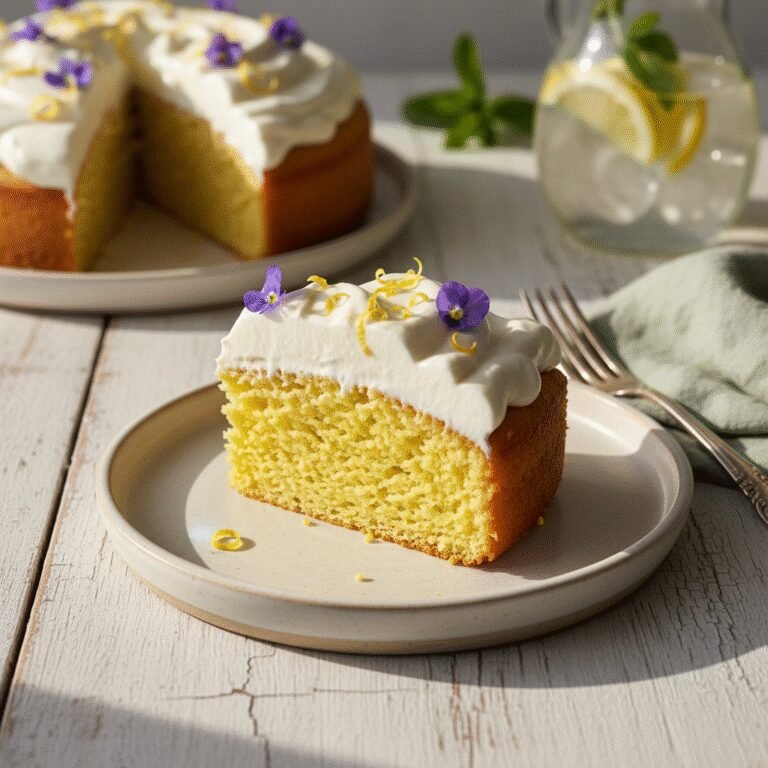
This vanilla cake is a versatile canvas. Serve it simply with the vanilla buttercream and fresh strawberries or raspberries to cut the sweetness. For a birthday flair, fold sprinkles into the batter (confetti style) and top with more sprinkles. It pairs beautifully with a dark roast coffee or an Earl Grey tea. You can also use this recipe for cupcakes; simply reduce the baking time to 18-22 minutes. For a lemon twist, add lemon zest to the sugar before mixing and use lemon juice instead of vinegar.
Storage and Reheating Tips
Store the frosted cake at room temperature in an airtight cake carrier for up to 2 days. If your kitchen is very hot, or for longer storage, keep it in the refrigerator for up to 5 days. However, always let the cake come to room temperature for 1-2 hours before serving, as the vegan butter in the frosting and the oil in the cake will firm up when cold. To freeze, wrap unfrosted layers tightly in plastic wrap and foil for up to 2 months. Thaw on the counter before frosting.
Nutrition Facts (Estimated)
| Serving Size | 1 slice |
| Calories | 450 |
| Fat | 22g |
| Saturated Fat | 6g |
| Unsaturated Fat | 15g |
| Trans Fat | 0g |
| Cholesterol | 0mg |
| Sodium | 280mg |
| Carbohydrates | 62g |
| Fiber | 1g |
| Sugar | 38g |
| Protein | 4g |
Frequently Asked Questions
Can I make this recipe into cupcakes?
Yes! This recipe makes approximately 20-24 standard cupcakes. Line a muffin tin with liners and fill them 2/3 full. Bake at 350°F for 18-22 minutes.
Why did my cake sink in the middle?
Sinking usually happens if the oven door was opened too early, the batter was overmixed, or the leavening agents (baking soda/powder) were expired. Ensure your oven is fully preheated before putting the cake in.
Is this cake gluten-free?
As written, it contains wheat. However, you can substitute the all-purpose flour with a reputable 1:1 Gluten-Free Baking Flour blend. The texture will be slightly different but still delicious.
Can I reduce the sugar?
Sugar provides moisture and structure, not just sweetness. Reducing it significantly will affect the texture, making the cake denser and drier. We recommend sticking to the recipe for the best crumb.
My buttercream is grainy, how do I fix it?
Grainy buttercream usually means the sugar hasn’t dissolved or the butter was too cold. Keep whipping! Whipping for a longer time helps dissolve the sugar. Adding a teaspoon of liquid can also help.
Can I use olive oil?
Technically yes, but extra virgin olive oil has a strong flavor and color that will come through in a vanilla cake. If you must use olive oil, use a ‘light’ or ‘pure’ variety, not extra virgin.
Do I have to use apple cider vinegar?
You need an acid to react with the baking soda. White vinegar or fresh lemon juice are perfect substitutes for apple cider vinegar.
Can I dye the frosting?
Absolutely. Vegan buttercream takes gel food coloring very well. Add the color at the very end of the whipping process.
Why is my cake gummy?
Gumminess is a classic sign of overmixing. When you add the wet ingredients to the dry, mix only until you can’t see flour streaks anymore. Lumps are okay!
Conclusion
Creating a vegan vanilla cake that satisfies the nostalgia of a classic birthday party slice is no longer a challenge with this recipe. By understanding the science of vegan buttermilk and oil-based batters, you can achieve a dessert that is indistinguishable from its dairy-laden counterparts. Whether you are stacking it high for a wedding or serving simple squares for a weeknight treat, this Moist Vegan Vanilla Cake is sure to become a permanent fixture in your recipe box. Don’t forget to pin this recipe for your next celebration and tag us in your beautiful creations!