Ultimate Fresh Coconut Lime Cake with Tangy Cream Cheese Frosting
Fresh Coconut Lime Cake With Cream Cheese Frosting Recipe
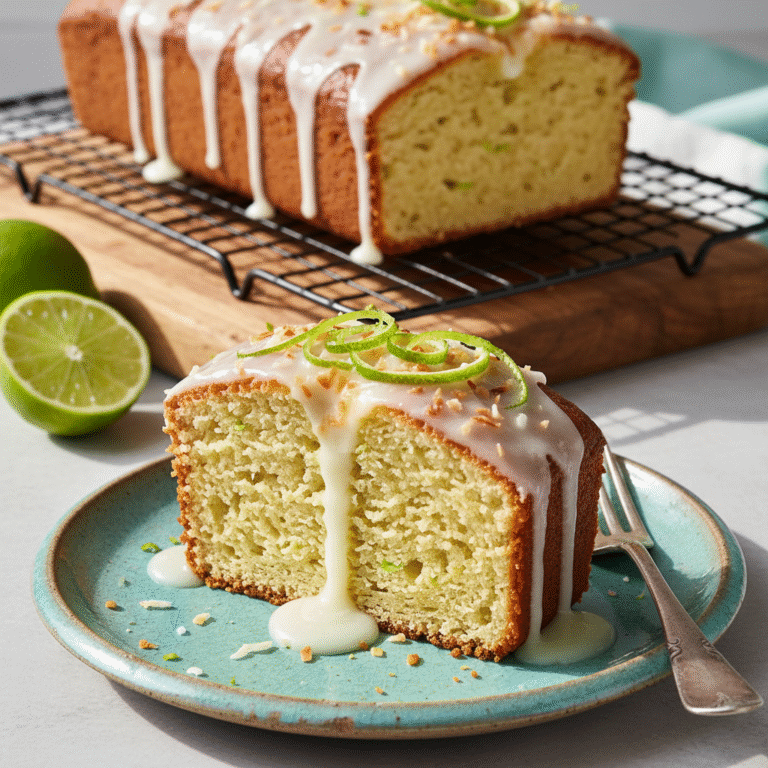
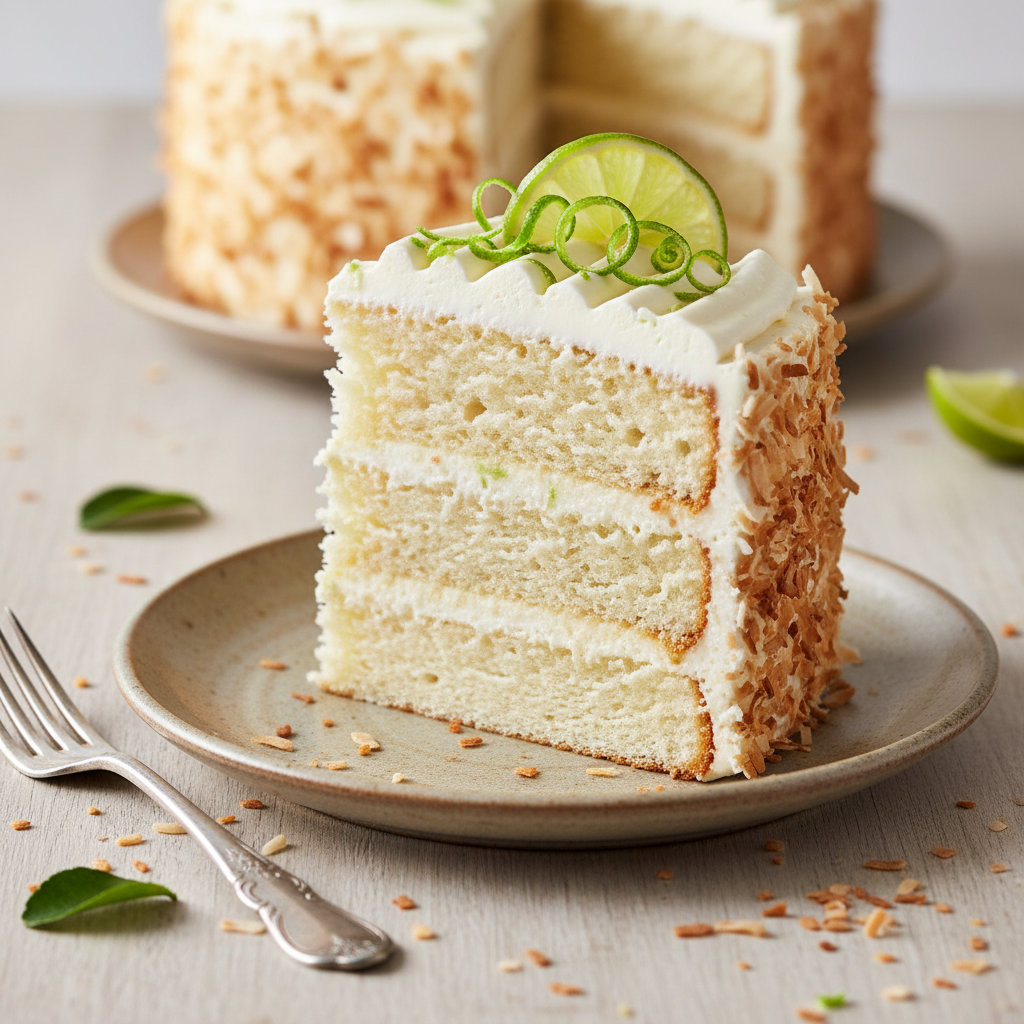
Transport your tastebuds to the tropics with this incredibly moist Fresh Coconut Lime Cake. Layered with a zesty, velvety cream cheese frosting and topped with toasted coconut, it is the perfect balance of sweet and tart for any celebration.
30 minutes
35 minutes
1 hour 30 minutes
12 servings
Dessert
Baking
American / Tropical
Vegetarian
If you could capture the essence of a breezy tropical vacation in a single bite, this Fresh Coconut Lime Cake would be it. There is something undeniably magical about the pairing of creamy, nutty coconut and bright, acidic lime. It is a flavor combination that wakes up the palate and feels effortlessly sophisticated yet comforting. This recipe was born out of a desire to move away from the cloyingly sweet, artificial-tasting coconut cakes often found in grocery store bakeries. Instead, we are focusing on real ingredients: full-fat coconut milk, fresh lime zest, and shredded coconut that provides texture without overwhelming the delicate crumb.
The cake itself is engineered to be tender and moist, avoiding the dryness that often plagues coconut-based baked goods. By using a combination of cake flour and coconut milk, we achieve a crumb that is light enough to float but sturdy enough to hold up the rich layers of frosting. Speaking of frosting, the cream cheese element here is non-negotiable. While a traditional buttercream is lovely, the slight tang of cream cheese mirrors the acidity of the lime, creating a harmonious balance that cuts through the sugar. Whether you are baking for a summer barbecue, a bridal shower, or just a Tuesday night pick-me-up, this cake promises to be the star of the show. It is visually stunning with its snowy white appearance and flecks of green zest, and the aroma that fills your kitchen while it bakes is simply intoxicating.
History & Origins
The history of coconut cake is deeply rooted in the American South, where it has been a centerpiece of holiday tables and church potlucks for well over a century. In the 19th century, the importation of fresh coconuts from the Caribbean to Southern ports like Charleston and New Orleans made this exotic ingredient accessible, albeit a luxury. Originally, cracking and grating a fresh coconut was a labor of love, signifying that the cake was reserved for very special occasions. These early cakes were often simple pound cakes or sponge cakes layered with a boiled icing and heaps of fresh coconut.
The infusion of lime into this tradition likely stems from the Caribbean influence on Floridian cuisine, particularly the popularity of Key Lime Pie. Cooks began experimenting with citrus to cut the richness of the coconut cream. The marriage of lime and coconut became popularized in the mid-20th century, coinciding with the tiki culture boom and a general American fascination with tropical flavors. While the classic Southern coconut cake usually features a fluffy 7-minute frosting or a meringue, the shift toward cream cheese frosting is a more modern evolution, likely borrowing from the popularity of carrot cake and red velvet cake in the 1970s and 80s. This particular recipe honors that rich Southern lineage while embracing the zesty, modern twist that lime provides, bridging the gap between old-fashioned comfort and contemporary zest.
Why This Recipe Works
This recipe succeeds where many others fail because it meticulously balances moisture, structure, and flavor intensity. First, we use full-fat canned coconut milk in the batter rather than watery dairy milk or coconut extract alone. The high fat content in the coconut milk emulsifies with the butter and eggs to create a incredibly tender crumb that stays moist for days. We also employ the ‘reverse creaming’ method—or a variation of it—where we ensure the fat coats the flour particles before the liquid is fully incorporated, inhibiting gluten formation and ensuring a velvety texture.
The flavor profile works because of the ‘rubbing in’ technique used with the sugar and lime zest. By massaging the zest into the sugar before creaming it with the butter, we release the essential oils from the lime peel, infusing the entire batter with a perfume of citrus rather than just a sour hit of juice. Finally, the choice of cream cheese frosting over buttercream is chemically significant. The lactic acid in the cream cheese pairs with the citric acid in the lime to cleanse the palate, preventing flavor fatigue. The salt content in the cream cheese also highlights the nuttiness of the toasted coconut garnish, making every bite a complex experience of textures and tastes.
Why You’ll Love This Recipe
- ✓Incredibly moist crumb thanks to full-fat coconut milk
- ✓Natural citrus flavor using fresh lime zest and juice
- ✓Tangy cream cheese frosting that isn’t too sweet
- ✓Beautiful presentation with toasted coconut
- ✓Perfect for summer parties or Easter brunch
- ✓Can be made ahead of time for better flavor melding
Equipment You’ll Need
- ✓Two 9-inch round cake pans
- ✓Stand mixer with paddle attachment
- ✓Microplane or fine zester
- ✓Rubber spatula
- ✓Wire cooling rack
- ✓Offset spatula
- ✓Measuring cups and spoons
- ✓Parchment paper
Ingredients
- ✓3 cups Cake flour, sifted
- ✓1 tbsp Baking powder
- ✓1/2 tsp Salt
- ✓1 cup Unsalted butter, room temperature
- ✓2 cups Granulated sugar
- ✓4 large Eggs, room temperature
- ✓1 tsp Pure vanilla extract
- ✓1 cup Canned full-fat coconut milk (shake well before opening)
- ✓1/4 cup Fresh lime juice
- ✓2 tbsp Fresh lime zest
- ✓1 cup Sweetened shredded coconut (for batter)
- ✓— FROSTING —
- ✓16 oz Full-fat cream cheese, softened
- ✓1/2 cup Unsalted butter, softened
- ✓5 cups Powdered sugar, sifted
- ✓1 tbsp Fresh lime juice
- ✓1 tsp Coconut extract (optional)
- ✓1 cup Toasted coconut flakes (for garnish)
- ✓Lime slices (for garnish)
Instructions
- 1. Preheat your oven to 350°F (175°C). Grease two 9-inch round cake pans with butter and line the bottoms with parchment paper. Dust with flour and tap out the excess.
- 2. In a medium bowl, whisk together the sifted cake flour, baking powder, and salt. Set aside.
- 3. In a small bowl, combine the granulated sugar and fresh lime zest. Use your fingers to rub the zest into the sugar until it is fragrant and resembles wet sand.
- 4. In the bowl of a stand mixer fitted with the paddle attachment, beat the room temperature butter and the lime-sugar mixture on medium-high speed for about 3-4 minutes until light and fluffy.
- 5. Add the eggs one at a time, beating well after each addition and scraping down the sides of the bowl as needed. Beat in the vanilla extract.
- 6. In a measuring cup, stir together the coconut milk and fresh lime juice. (It may curdle slightly; this is normal).
- 7. Reduce the mixer speed to low. Add the flour mixture in three parts, alternating with the coconut milk mixture, beginning and ending with the flour. Mix only until just combined. Do not overmix.
- 8. Gently fold in the 1 cup of sweetened shredded coconut by hand using a rubber spatula.
- 9. Divide the batter evenly between the prepared cake pans. Smooth the tops with an offset spatula.
- 10. Bake for 30-35 minutes, or until a toothpick inserted into the center comes out clean or with just a few moist crumbs. The cakes should be light golden brown.
- 11. Allow the cakes to cool in the pans for 10 minutes, then turn them out onto a wire rack to cool completely before frosting.
- 12. To make the frosting: Beat the softened cream cheese and butter together on medium-high speed until smooth and creamy (about 3 minutes).
- 13. Gradually add the powdered sugar, one cup at a time, mixing on low speed until incorporated. Add the lime juice and coconut extract (if using). Increase speed to high and whip for 2 minutes until fluffy.
- 14. Assemble the cake: Place one layer on a serving plate. Spread a thick layer of frosting over the top. Place the second layer on top. Frost the top and sides of the cake.
- 15. Press the toasted coconut flakes onto the sides or top of the cake. Garnish with fresh lime slices and extra zest if desired.
Expert Cooking Tips
- ✓Room temperature ingredients are crucial. Cold eggs or butter will cause the batter to break and result in a dense cake.
- ✓Use full-fat canned coconut milk, not the carton coconut milk meant for drinking. The fat is needed for tenderness.
- ✓To toast coconut for garnish: Spread flakes on a baking sheet and bake at 325°F for 5-7 minutes, stirring frequently, until golden brown.
- ✓Don’t skip the parchment paper. Coconut cakes can be sticky, and parchment ensures a clean release.
- ✓If the frosting is too soft to pipe or spread, refrigerate it for 15-20 minutes to firm up.
- ✓Rubbing the zest into the sugar is a professional technique that maximizes citrus flavor—don’t skip it!
- ✓Weigh your flour if possible (approx 120g per cup) to avoid a dry cake.
Substitutions and Variations
If you cannot find cake flour, you can make a substitute by measuring 1 cup of all-purpose flour, removing 2 tablespoons, and replacing them with 2 tablespoons of cornstarch. Sift well before using. For a dairy-free version, use high-quality plant-based butter and a vegan cream cheese alternative; however, note that vegan cream cheese can be softer, so you may need more powdered sugar. If you dislike lime, lemon works beautifully as a direct 1:1 substitution for a lemon-coconut version. You can also swap the coconut extract in the frosting for vanilla bean paste if you prefer a more subtle coconut flavor. Unsweetened coconut can be used in the batter if you prefer a less sweet cake, but the texture may be slightly drier.
Common Mistakes to Avoid
The most common mistake is overmixing the batter after adding the flour. This develops gluten and leads to a tough, rubbery cake rather than a tender one. Another error is frosting the cake before it is completely cool; even a slightly warm cake will melt the butter in the cream cheese frosting, causing the layers to slide apart. Using ‘lite’ coconut milk is also a mistake; the cake relies on the fat from the coconut cream for moisture, so the lite version will result in a dry, bread-like texture. Finally, ensure your baking powder is fresh; if it’s expired, the cake won’t rise properly.
Serving Suggestions
This cake is a showstopper on its own, but it pairs beautifully with a beverage that cuts through the richness. Serve it with a hot cup of Earl Grey tea, which has bergamot notes that complement the lime, or a strong black coffee. For a summer party, a glass of sparkling prosecco or a mojito would be a fantastic accompaniment. Slice the cake generously and serve it slightly chilled or at room temperature. If you want to get fancy, add a dollop of raspberry coulis on the plate for a pop of color and tartness.
Storage and Reheating Tips
Because of the cream cheese frosting, this cake must be stored in the refrigerator. It can be left out at room temperature for up to 2 hours for serving, but should be chilled otherwise. Store it in an airtight cake carrier or wrap slices individually in plastic wrap. It will keep in the fridge for up to 5 days. This cake also freezes incredibly well. To freeze, place the frosted cake (or slices) in the freezer uncovered for 1 hour to harden the frosting, then wrap tightly in two layers of plastic wrap and one layer of foil. Thaw in the refrigerator overnight before serving.
Nutrition Facts (Estimated)
| Serving Size | 1 slice |
| Calories | 580 |
| Fat | 34g |
| Saturated Fat | 22g |
| Unsaturated Fat | 10g |
| Trans Fat | 0g |
| Cholesterol | 95mg |
| Sodium | 310mg |
| Carbohydrates | 64g |
| Fiber | 2g |
| Sugar | 42g |
| Protein | 6g |
Frequently Asked Questions
Can I use bottled lime juice instead of fresh?
It is highly recommended to use fresh lime juice. Bottled juice often has preservatives that give it a metallic or artificial taste, and you need the fresh zest for the full flavor profile anyway.
Can I bake this in a 9×13 pan instead?
Yes, you can bake this in a greased 9×13 inch pan. You will likely need to increase the baking time to 35-45 minutes. Check for doneness with a toothpick.
My frosting is runny, what did I do wrong?
Runny frosting usually happens if the butter or cream cheese was too warm (melted rather than softened) or if the kitchen is very hot. Try chilling the bowl in the fridge for 20 minutes and then whipping it again.
Can I make this cake ahead of time?
Absolutely. In fact, the flavors often meld and improve after sitting for a day. You can bake the layers, wrap them, and freeze them, or make the fully frosted cake a day in advance.
What if I don’t have a stand mixer?
You can use a hand-held electric mixer for the batter and frosting. Mixing by hand is possible but requires a lot of elbow grease to get the butter and sugar properly creamed.
Is sweetened or unsweetened coconut better?
For the batter, sweetened coconut helps with moisture and sweetness. For the garnish, either works, but sweetened toasts faster and has a chewier texture.
Why did my cake sink in the middle?
This usually happens if the oven door was opened too early during baking, causing a temperature drop, or if the cake was underbaked. It can also be caused by too much leavening (baking powder).
Can I make this into cupcakes?
Yes! This recipe will yield approximately 24 cupcakes. Bake at 350°F for 18-22 minutes.
Conclusion
This Fresh Coconut Lime Cake is truly a celebration of flavors. It manages to be comforting and nostalgic while offering a bright, zesty kick that feels new and exciting. Whether you are an experienced baker or trying your hand at a layer cake for the first time, this recipe is forgiving and rewarding. The combination of the fluffy, coconut-infused sponge and the rich, tangy cream cheese frosting is guaranteed to make you the most popular person at the potluck. So, grab your limes, crack open a can of coconut milk, and get ready to bake a slice of paradise. Don’t forget to share your creations on Pinterest and tag us!