The Ultimate Moist Vegan Chocolate Cake With Tangy Cream Cheese Frosting
Moist Vegan Chocolate Cake With Vegan Cream Cheese Frosting Recipe
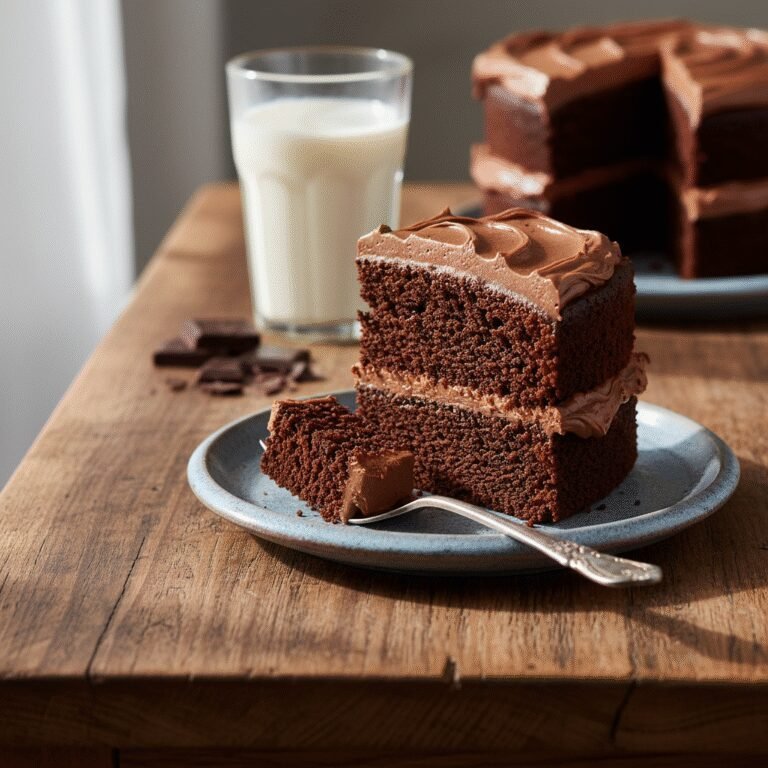
Discover the secret to the most decadent, velvety vegan chocolate cake you will ever taste. Paired with a luscious, dairy-free cream cheese frosting, this recipe defies all expectations, proving that plant-based baking can be even richer and moister than traditional versions.
25 minutes
35 minutes
1 hour 30 minutes
12-14 servings
Dessert
Baking
American
Vegan
If there is one dessert that has the power to unite everyone at the table, regardless of dietary preferences, it is a truly spectacular chocolate cake. For years, I struggled to find a vegan chocolate cake recipe that didn’t suffer from the common pitfalls of egg-free baking: density, dryness, or a rubbery texture. Often, vegan cakes are compensated with excessive sugar or heavy fruits to keep them moist, masking the pure chocolate flavor we all crave. But after endless testing in the kitchen, I have finally cracked the code. This Moist Vegan Chocolate Cake is a game-changer. It is incredibly dark, profoundly rich, and possesses a tender, velvety crumb that stays soft for days.
The magic lies in the method and the specific balance of acidity and fat. Unlike butter-based cakes which can firm up in the fridge, this oil-based wonder stays plush even when chilled. The addition of hot coffee blooms the cocoa powder, awakening the deep, complex notes of the chocolate without making the cake taste like a mocha latte. And let’s talk about the frosting. Finding a vegan cream cheese that holds its structure can be tricky, but with the right technique, we achieve a frosting that is tangy, sweet, and perfectly pipeable. Whether you are a committed vegan, hosting someone with a dairy allergy, or simply out of eggs, this cake is not just a ‘good alternative’—it is, quite frankly, the best chocolate cake I have ever had. Get ready to impress your friends and family with a dessert that looks as stunning as it tastes.
History & Origins
The history of chocolate cake is a journey through culinary innovation and necessity. While chocolate has been consumed as a beverage in the Americas for thousands of years, and later in Europe, the concept of a ‘chocolate cake’ as we know it is relatively modern. Until the mid-19th century, chocolate was too expensive and gritty to be used effectively in baking. It wasn’t until Dr. James Baker discovered how to extract cocoa butter in 1764, and later, when Rodolphe Lindt invented the conching process in 1879, that chocolate became smooth enough for cakes.
However, the specific lineage of *vegan* chocolate cake has its roots in the ‘Depression Cake’ or ‘Wacky Cake’ era. During the Great Depression and World War II, ingredients like butter, milk, and eggs were scarce and heavily rationed. Home bakers, determined to keep spirits high, developed ingenious recipes that relied on chemical reactions between vinegar and baking soda to provide leavening, rather than eggs. Oil was used in place of butter. These ‘accidentally vegan’ cakes became staples in American households. They were surprisingly moist and light, owing to the oil and the vigorous lift provided by the vinegar. Over the decades, as the vegan movement grew from a niche lifestyle to a mainstream dietary choice, these historical recipes were dusted off and refined. Modern food science and the availability of high-quality plant-based dairy alternatives, like almond milk and cultured vegan cream cheese, have allowed us to elevate the humble Wacky Cake into the gourmet masterpiece presented here today.
Why This Recipe Works
This recipe succeeds where many others fail due to three critical scientific principles: the blooming of cocoa, the use of oil over butter, and the ‘vegan buttermilk’ reaction. First, the instructions call for boiling water (or hot coffee) to be whisked into the batter at the very end. This serves two purposes: it dissolves the sugar completely for a non-gritty texture, and more importantly, it ‘blooms’ the cocoa powder. Cocoa particles are coated in cocoa butter; hot liquid melts this fat, releasing the trapped flavor compounds and resulting in a more intense chocolate taste.
Secondly, we use neutral oil instead of vegan butter for the cake sponge. Butter is solid at room temperature, which is great for cookies but can make cakes feel dense or dry. Oil remains liquid at room temperature, ensuring that the cake feels moist on the palate and retains that moisture for days. Finally, the combination of plant-based milk and apple cider vinegar creates a homemade ‘buttermilk.’ When this acidic mixture meets the baking soda, it creates carbon dioxide bubbles instantly. This reaction mimics the lift usually provided by eggs, ensuring the cake is fluffy and light rather than heavy and gummy. This chemical leavening is robust enough to support the structure of a double-layer cake without the need for flax eggs or commercial egg replacers.
Why You’ll Love This Recipe
- ✓Incredibly moist texture that stays soft for days
- ✓Rich, deep chocolate flavor enhanced by hot coffee
- ✓100% Dairy-Free and Egg-Free
- ✓Tangy, stable frosting that rivals traditional cream cheese icing
- ✓Simple one-bowl method for the cake batter
- ✓Perfect for birthdays, holidays, and special occasions
Equipment You’ll Need
- ✓Two 8-inch round cake pans
- ✓Large mixing bowl
- ✓Medium mixing bowl
- ✓Whisk
- ✓Electric hand mixer or stand mixer (for frosting)
- ✓Sifter or fine-mesh sieve
- ✓Parchment paper
- ✓Wire cooling rack
- ✓Offset spatula
Ingredients
- ✓2 cups all-purpose flour
- ✓2 cups granulated sugar
- ✓3/4 cup unsweetened cocoa powder (Dutch-processed preferred)
- ✓2 teaspoons baking powder
- ✓1.5 teaspoons baking soda
- ✓1 teaspoon salt
- ✓1 cup unsweetened almond milk (or soy milk)
- ✓1 tablespoon apple cider vinegar
- ✓1/2 cup neutral oil (canola, vegetable, or melted coconut oil)
- ✓2 teaspoons pure vanilla extract
- ✓1 cup boiling water (or boiling hot coffee for deeper flavor)
- ✓1/2 cup vegan butter, slightly softened (Frosting)
- ✓8 oz vegan cream cheese, cold (Frosting)
- ✓4 cups powdered sugar, sifted (Frosting)
- ✓1 teaspoon vanilla extract (Frosting)
- ✓Pinch of salt (Frosting)
Instructions
- Preheat your oven to 350°F (175°C). Grease two 8-inch round cake pans with a little oil and line the bottoms with parchment paper circles. Dust the sides with cocoa powder to prevent sticking.
- In a measuring cup, combine the almond milk and apple cider vinegar. Stir and let it sit for about 5-10 minutes to curdle into vegan buttermilk.
- In a large mixing bowl, sift together the flour, sugar, cocoa powder, baking powder, baking soda, and salt. Whisk well to ensure the leavening agents are evenly distributed.
- Add the prepared vegan buttermilk, oil, and vanilla extract to the dry ingredients. Mix with a whisk or electric mixer on low speed until just combined. Do not overmix.
- Carefully pour the boiling water (or hot coffee) into the batter. Whisk gently by hand until the ingredients are combined. The batter will be very thin and liquid; this is normal!
- Divide the batter evenly between the two prepared cake pans.
- Bake for 30-35 minutes, or until a toothpick inserted into the center comes out clean or with just a few moist crumbs attached.
- Remove the cakes from the oven and let them cool in the pans for 15 minutes. Then, carefully run a knife around the edges and invert them onto a wire rack to cool completely before frosting.
- While the cakes cool, make the frosting. In a large bowl using a hand mixer or stand mixer, beat the vegan butter and vegan cream cheese together until smooth and creamy (about 2-3 minutes). Do not overbeat or the cream cheese may become runny.
- Gradually add the sifted powdered sugar, one cup at a time, mixing on low speed until incorporated. Add the vanilla and salt.
- Increase the speed to medium-high and whip for 2-3 minutes until the frosting is fluffy and creamy. If it’s too soft, refrigerate it for 20 minutes to firm up.
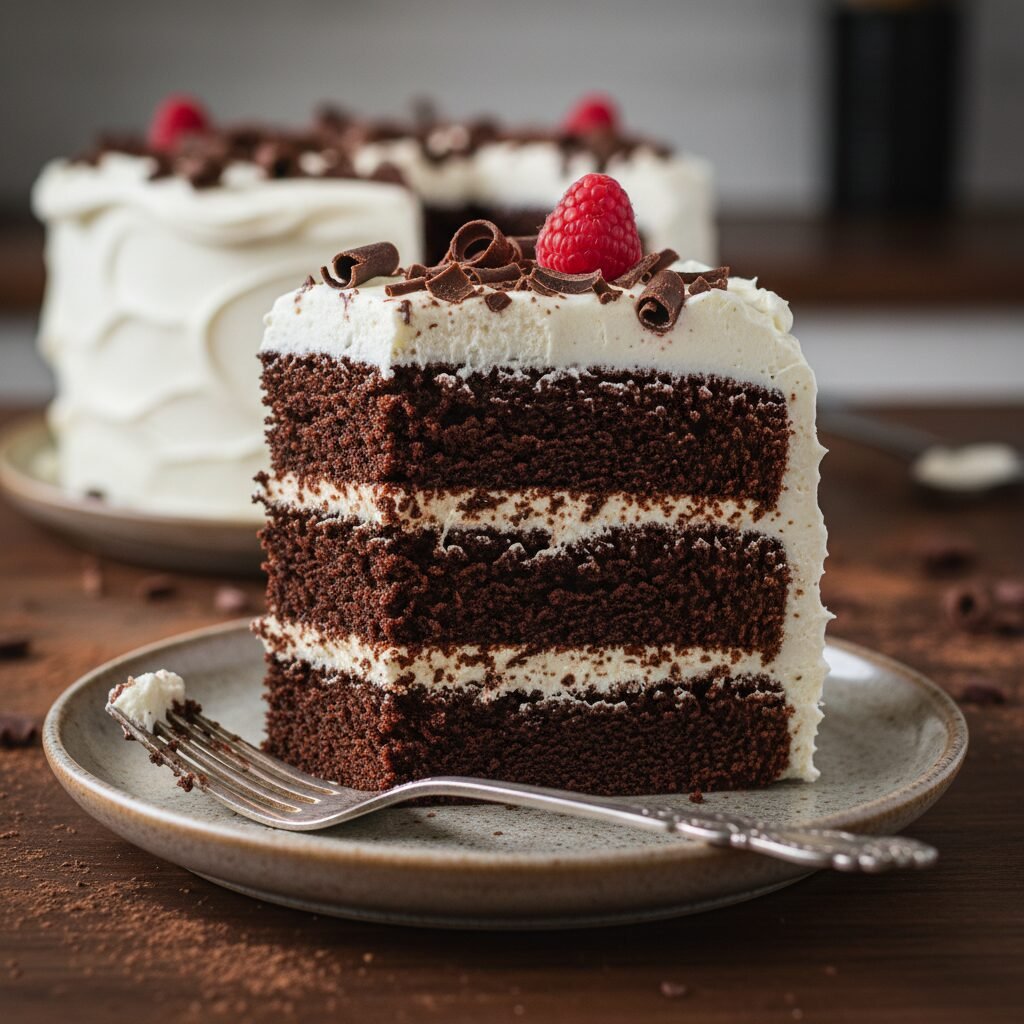
- Once the cakes are fully cooled, place one layer on a serving plate. Spread a generous layer of frosting over the top. Place the second cake layer on top. Frost the top and sides of the cake with the remaining frosting.
- Garnish with chocolate shavings or fresh berries if desired. Slice and enjoy!
Expert Cooking Tips
- ✓Do not skip the boiling water step; it blooms the cocoa and ensures a moist crumb.
- ✓Use a kitchen scale to weigh your flour (approx 240g total) for the most accurate results, as scooping can pack the flour and lead to a dry cake.
- ✓Ensure your vegan cream cheese is cold when you start making the frosting to prevent it from separating or becoming soupy.
- ✓Dutch-processed cocoa powder will give a darker color and a smoother, less acidic flavor compared to natural cocoa.
- ✓Let the cakes cool completely—even chill them slightly—before frosting, as vegan butter melts faster than dairy butter.
- ✓If using coconut oil, ensure all other ingredients are at room temperature so the oil doesn’t solidify instantly upon contact.
Substitutions and Variations
This recipe is quite flexible, but chemistry matters in baking. For the flour, you can substitute a high-quality 1:1 Gluten-Free All-Purpose Baking Flour blend if you need a gluten-free option; look for one that contains xanthan gum. If you don’t have apple cider vinegar, white distilled vinegar or fresh lemon juice works perfectly to create the buttermilk. For the oil, any neutral oil like grapeseed, vegetable, or canola works well; melted coconut oil adds a nice richness but may impart a slight coconut flavor unless you use refined coconut oil. In the frosting, if you cannot find vegan cream cheese, you can double the vegan butter and add a splash of plant milk for a standard buttercream, though you will miss the tang. For the liquid, substituting the boiling water with boiling coffee creates a ‘mocha’ depth that enhances the chocolate without tasting distinctly like coffee.
Common Mistakes to Avoid
The most common mistake is overmixing the batter once the dry and wet ingredients are combined. Overmixing develops the gluten in the flour, which leads to a tough, rubbery cake rather than a tender one. Stop mixing as soon as the flour streaks disappear. Another frequent error is opening the oven door too early. This releases heat and can cause the cake to collapse in the center; wait until at least 25 minutes have passed before checking. Regarding the frosting, many people overbeat vegan cream cheese. Unlike dairy cream cheese, the plant-based varieties can break down and become watery if whipped too vigorously or for too long. Beat just until combined and fluffy. Lastly, frosting a warm cake is a recipe for disaster; the frosting will slide right off. Patience during the cooling process is key.
Serving Suggestions
This rich cake pairs beautifully with fresh berries, particularly raspberries or strawberries, which cut through the richness of the chocolate and cream cheese. A dollop of coconut whipped cream or a scoop of dairy-free vanilla bean ice cream makes for an indulgent à la mode experience. For a sophisticated touch, drizzle a vegan salted caramel sauce over the slice just before serving. Beverage-wise, serve this with a glass of cold oat milk, a hot espresso, or a dark roast coffee to complement the cocoa notes.
Storage and Reheating Tips
Because of the cream cheese frosting, this cake should be stored in the refrigerator. Place it in an airtight cake carrier or cover it gently with plastic wrap once the frosting has set. It will stay fresh for up to 5 days in the fridge. In fact, many find it tastes even better on the second day as the flavors meld. For long-term storage, you can freeze individual slices. Wrap each slice tightly in plastic wrap and then foil. They can be frozen for up to 3 months. To eat, thaw the slice in the refrigerator overnight or on the counter for an hour.
Nutrition Facts (Estimated)
| Serving Size | 1 slice |
| Calories | 480 |
| Fat | 24g |
| Saturated Fat | 6g |
| Unsaturated Fat | 16g |
| Trans Fat | 0g |
| Cholesterol | 0mg |
| Sodium | 310mg |
| Carbohydrates | 62g |
| Fiber | 4g |
| Sugar | 38g |
| Protein | 5g |
Frequently Asked Questions
Can I make this cake gluten-free?
Yes, you can swap the all-purpose flour for a reputable 1:1 Gluten-Free Baking Flour blend. Results are usually excellent, though the texture may be slightly more fragile.
Why is the batter so liquid?
The batter is intentionally thin because of the boiling water. This high moisture content is what evaporates during baking to create steam, resulting in a super moist and light sponge. Do not add more flour!
Can I use regular dairy ingredients if I’m not vegan?
Absolutely. You can use regular milk mixed with vinegar, regular butter, and regular cream cheese. However, the oil in the cake sponge is superior to butter for moisture, so stick with the oil.
My frosting is too runny, what do I do?
If the frosting is runny, add more sifted powdered sugar, 1/4 cup at a time. You can also place the bowl in the fridge for 20-30 minutes to help the fats solidify before whipping again.
Can I make this as cupcakes?
Yes! This recipe makes about 24 standard cupcakes. Bake them at 350°F for 18-22 minutes. Check for doneness with a toothpick.
Do I really need to use vinegar?
Yes, the vinegar is crucial. It reacts with the baking soda to provide the lift and rise of the cake. Without it, the cake will be dense and flat. You won’t taste the vinegar in the final product.
Can I use olive oil?
You can, but olive oil has a strong flavor. If you enjoy the combination of chocolate and olive oil, go for it. For a classic chocolate cake taste, stick to neutral oils like canola or vegetable.
How do I prevent the cake from sticking to the pan?
Grease the pan, line the bottom with parchment paper, and then grease the parchment. Dusting the sides with cocoa powder instead of flour ensures you don’t have white streaks on your dark cake.
Conclusion
There you have it—the definitive guide to making the most luscious, moist, and crowd-pleasing Vegan Chocolate Cake with Cream Cheese Frosting. This recipe proves that you don’t need dairy or eggs to achieve bakery-quality results right in your own kitchen. Whether you are celebrating a milestone or just satisfying a Tuesday night chocolate craving, this cake delivers on every level. The deep chocolate flavor, the tender crumb, and the tangy sweetness of the frosting create a symphony of textures and tastes that will have everyone asking for the recipe. Don’t forget to snap a picture before it’s all gone and tag us on social media; we love seeing your beautiful creations! Happy baking!