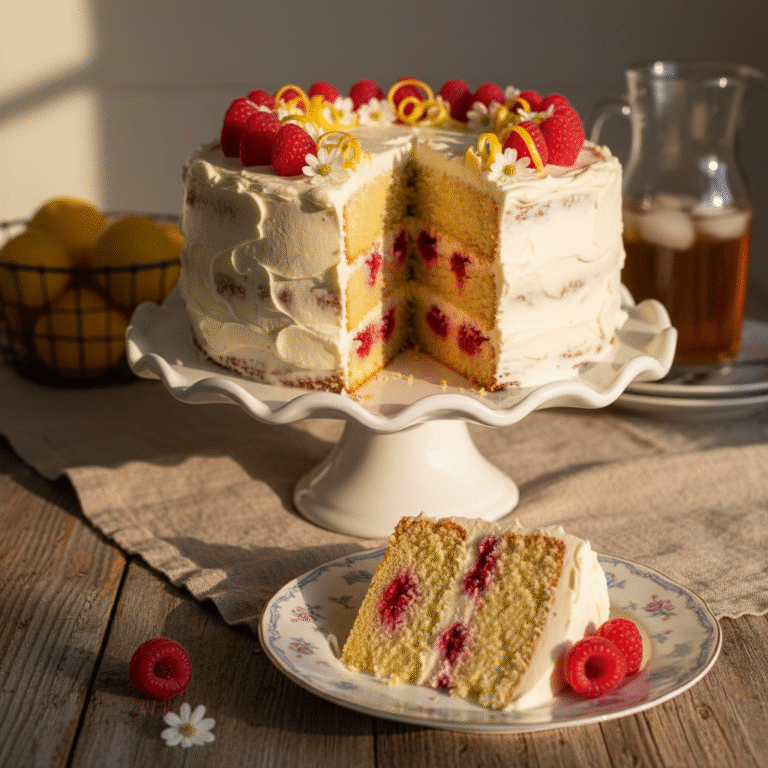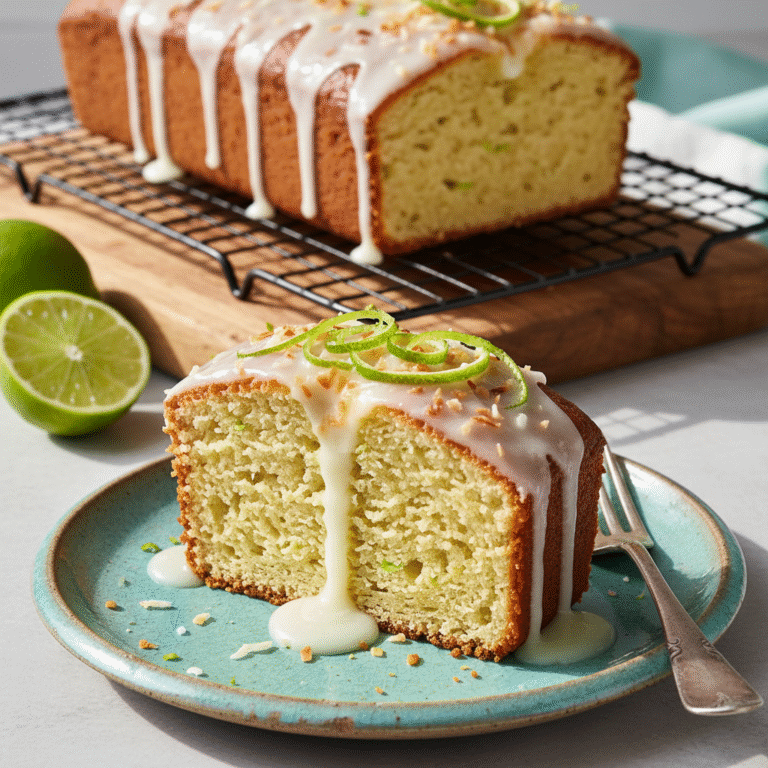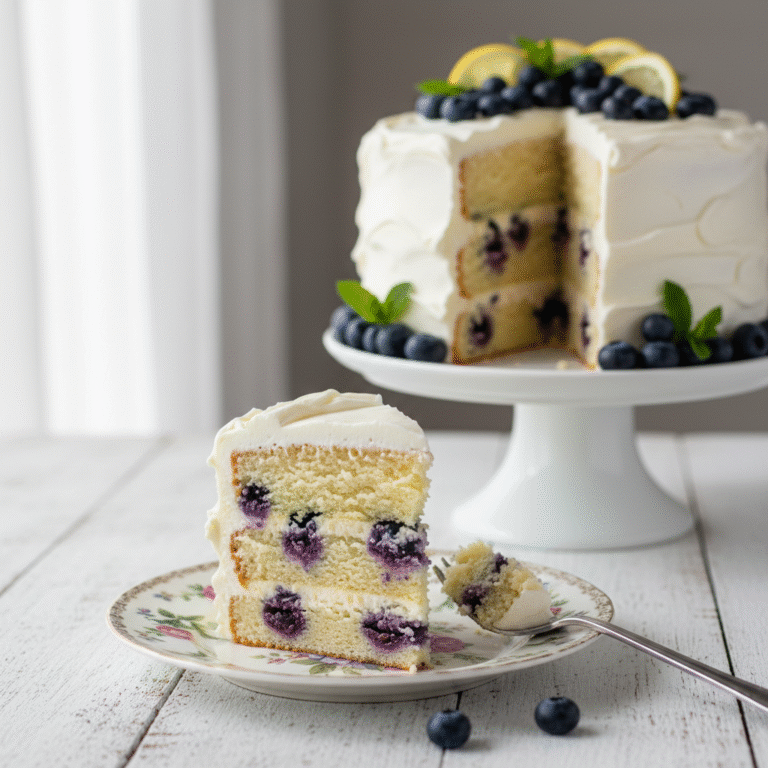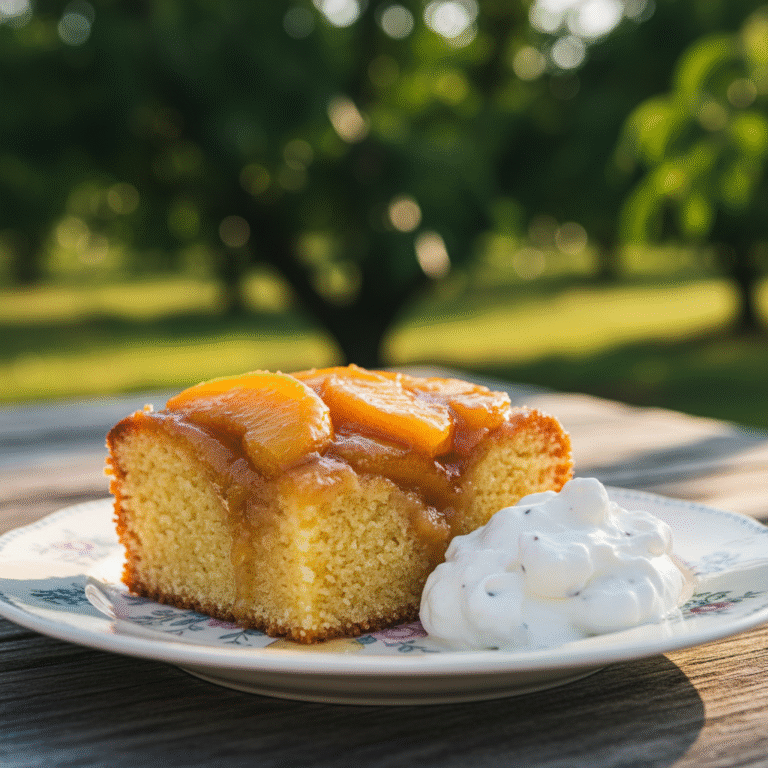
Ultimate Fresh Strawberry Shortcake Cake with Zesty Lemon Glaze
Fresh Strawberry Shortcake Cake With Lemon Glaze Recipe
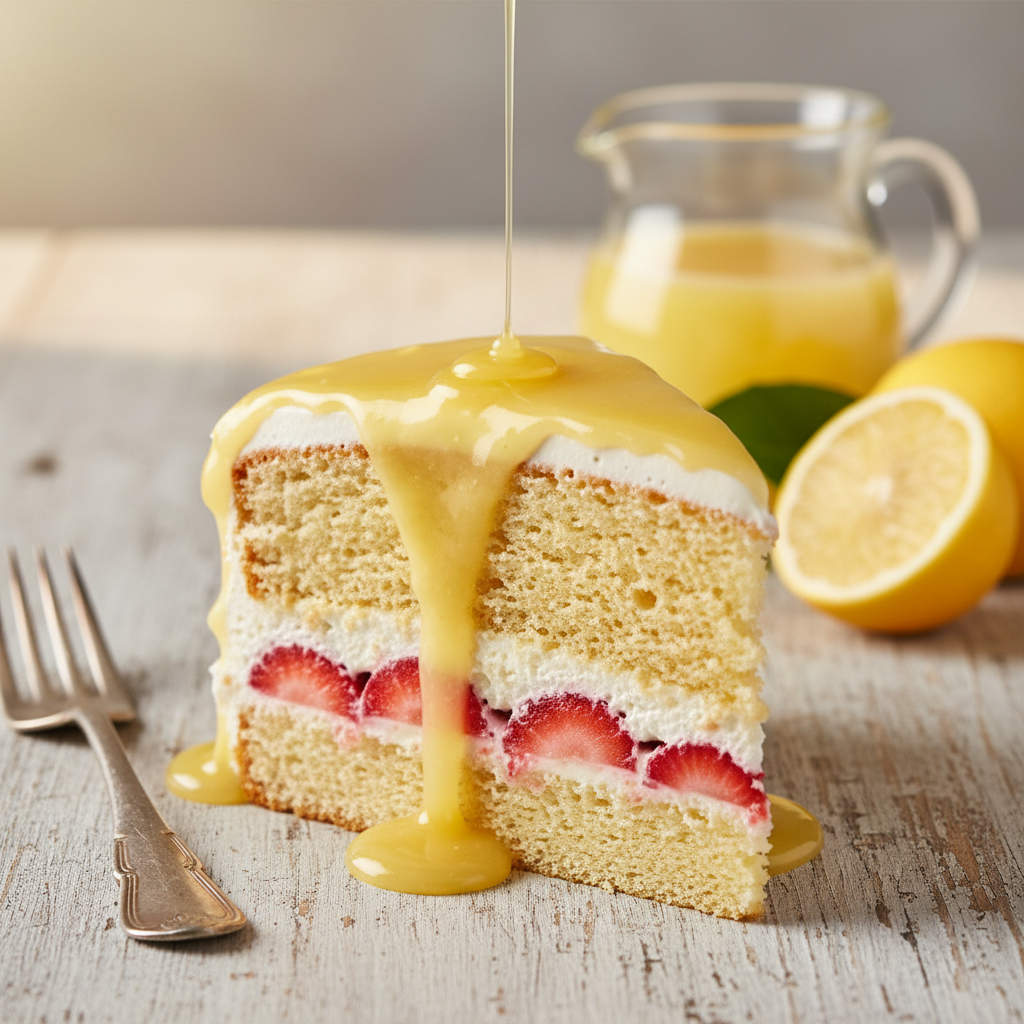
Experience the quintessential taste of summer with this stunning Strawberry Shortcake Cake. Featuring tender, buttery vanilla cake layers stacked with clouds of whipped cream and juicy macerated strawberries, it is finished with a bright, tart lemon glaze that elevates every bite to perfection.
40 minutes
35 minutes
1 hour 15 minutes
12 servings
Dessert
Baking
American
Vegetarian
If there is one dessert that truly encapsulates the joy of warm weather, backyard gatherings, and the bounty of the season, it is the classic strawberry shortcake. However, we are taking that nostalgic favorite and transforming it into a show-stopping layer cake that is as beautiful to look at as it is delicious to eat. This Fresh Strawberry Shortcake Cake with Lemon Glaze is not just a dessert; it is a celebration of textures and flavors designed to wow your guests and dominate your Pinterest boards.
Imagine sinking your fork into a crumb that is denser than a sponge cake yet lighter than a pound cake—a perfect hybrid that mimics the satisfying texture of a traditional biscuit shortcake but with the moisture of a high-quality cake. Between these golden layers lies a generous filling of freshly whipped vanilla bean cream and ruby-red strawberries that have been macerated just enough to release their sweet nectar without becoming mushy. But the real secret weapon here is the lemon glaze. While traditional shortcakes rely solely on the sweetness of the berries and cream, this recipe introduces a zesty lemon drizzle that cuts through the richness of the heavy cream and brightens the earthy sweetness of the strawberries.
Whether you are hosting a bridal shower, a Fourth of July barbecue, or simply craving a slice of heaven on a Tuesday afternoon, this cake delivers. It is a rustic yet elegant masterpiece that requires no advanced decorating skills—the beauty lies in its messy, glorious layers and the natural vibrancy of the fruit. Get ready to bake the dessert that everyone will be asking for year after year.
History & Origins
The history of strawberry shortcake is a delicious journey through culinary evolution, deeply rooted in American and British baking traditions. The term ‘shortcake’ itself dates back to the late 16th century in England. In this context, ‘short’ referred to the addition of fat (butter or lard) to a dough, which inhibited the formation of long gluten strands, resulting in a treat that was crisp and crumbly rather than chewy. These early iterations were closer to unleavened cookies or dry biscuits.
It wasn’t until the mid-19th century in the United States that the strawberry shortcake we recognize today began to take shape. With the expansion of the transcontinental railroad, strawberries became more accessible across the country, leading to a strawberry boom. By the 1850s, ‘Strawberry Shortcake Parties’ became a fashionable summer trend in the United States, serving as social hallmarks of the season. The classic American version typically featured split, sweetened biscuits topped with berries and cream.
Over the decades, the definition of shortcake has broadened. In the Southern United States, sweet biscuits remain the standard, while in other regions, sponge cakes or angel food cakes are often used as the base to soak up the berry juices. This specific recipe bridges the gap between the two historical camps. It honors the ‘short’ texture of the original biscuit by using a butter-heavy batter, but adopts the layered presentation of modern American celebration cakes. The addition of lemon is a contemporary twist, reflecting the modern palate’s appreciation for acidity and balance in sweet desserts, proving that even the most historic recipes can continue to evolve.
Why This Recipe Works
This recipe succeeds because it meticulously balances the structural integrity of the cake with the moisture content of the filling—a common pitfall in fresh fruit cakes. Many strawberry shortcake recipes fail because the juice from the berries soaks into the cake too quickly, turning it into a soggy mess. We solve this by creating a ‘sturdy’ crumb structure using a reverse-creaming method or simply a high ratio of butter and eggs. This creates a cake layer that can hold the weight of the toppings and absorb some juice for flavor without disintegrating.
Furthermore, the flavor profile is scientifically balanced. Strawberries are naturally sweet but can be one-dimensional. By macerating them in sugar, we draw out their natural water content, intensifying their flavor. The addition of the lemon glaze provides a necessary acid component. In culinary terms, acid balances fat and sugar. The heavy whipping cream provides the fat, the cake and fruit provide the sugar, and the lemon glaze acts as the counterpoint that cleanses the palate, making you want another bite immediately.
Finally, the temperature contrast plays a role. Serving this cake slightly chilled allows the whipped cream to set firmly, providing a cool, refreshing mouthfeel that contrasts beautifully with the tender crumb of the cake. It is a recipe designed not just for taste, but for a complete sensory experience.
Why You’ll Love This Recipe
- ✓Perfect balance of sweet strawberries and tart lemon glaze
- ✓Sturdy yet tender crumb that doesn’t get soggy
- ✓Visually stunning rustic presentation perfect for parties
- ✓Uses fresh, seasonal ingredients for maximum flavor
- ✓Can be prepped in stages for stress-free entertaining
- ✓A modern twist on a nostalgic American classic
Equipment You’ll Need
- ✓Two 8-inch round cake pans
- ✓Electric stand mixer or hand mixer
- ✓Large mixing bowls
- ✓Wire cooling rack
- ✓Whisk
- ✓Rubber spatula
- ✓Offset spatula
- ✓Zester/Microplane
- ✓Parchment paper
Ingredients
- ✓3 cups All-purpose flour
- ✓2 1/2 tsp Baking powder
- ✓1/2 tsp Baking soda
- ✓1/2 tsp Salt
- ✓1 1/2 cups Granulated sugar
- ✓3/4 cup Unsalted butter, room temperature
- ✓3 Large eggs, room temperature
- ✓1 tsp Pure vanilla extract
- ✓1 cup Buttermilk, room temperature
- ✓1 tbsp Lemon zest
- ✓2 lbs Fresh strawberries, hulled and sliced
- ✓3 tbsp Granulated sugar (for macerating)
- ✓2 cups Heavy whipping cream, cold
- ✓1/2 cup Powdered sugar (for cream)
- ✓1 cup Powdered sugar (for glaze)
- ✓2 tbsp Fresh lemon juice
Instructions
- Preheat your oven to 350°F (175°C). Grease two 8-inch round cake pans with butter and dust with flour, or line the bottoms with parchment paper for easy release.
- In a medium bowl, whisk together the flour, baking powder, baking soda, and salt. Set aside.
- In the bowl of a stand mixer fitted with the paddle attachment, beat the room temperature butter and 1 1/2 cups granulated sugar on medium-high speed until pale and fluffy, about 3-4 minutes.
- Add the eggs one at a time, beating well after each addition and scraping down the sides of the bowl. Mix in the vanilla extract and lemon zest.
- Reduce the mixer speed to low. Add the flour mixture in three parts, alternating with the buttermilk, beginning and ending with the flour. Mix until just combined—do not overmix.
- Divide the batter evenly between the prepared pans. Smooth the tops with an offset spatula. Bake for 30-35 minutes, or until a toothpick inserted into the center comes out clean.
- Remove cakes from the oven and let them cool in the pans for 10 minutes. Then, turn them out onto a wire rack to cool completely.
- While the cakes cool, prepare the strawberries. In a bowl, toss the sliced strawberries with 3 tablespoons of sugar. Let them sit for at least 20 minutes to release their juices (macerate).
- Make the whipped cream: In a chilled bowl, whip the cold heavy cream and 1/2 cup powdered sugar until stiff peaks form. Be careful not to over-whip into butter.
- Make the glaze: Whisk together 1 cup powdered sugar and 2 tablespoons fresh lemon juice until smooth. Adjust consistency with more sugar or juice if needed; it should be pourable but thick.
- Assemble the cake: Place one cake layer on your serving platter. Top generously with half of the whipped cream and a thick layer of macerated strawberries (use a slotted spoon to leave excess juice behind).
- Place the second cake layer on top. Spread the remaining whipped cream over the top (and sides if desired, though the naked look is beautiful). Top with the remaining strawberries.
- Drizzle the lemon glaze over the strawberries and let it drip down the sides of the cake. Serve immediately or chill for 30 minutes to set.
Expert Cooking Tips
- ✓Ensure all cold ingredients (butter, eggs, buttermilk) are at room temperature to prevent the batter from curdling.
- ✓Do not overmix the batter once the flour is added; this ensures the cake remains tender and not tough.
- ✓Use a slotted spoon when adding the strawberries to the cake layers to prevent too much liquid from soaking into the cake.
- ✓Chill the beaters and the bowl before whipping the cream to achieve the maximum volume and stability.
- ✓If your strawberries are very tart, you may increase the sugar used for macerating slightly.
- ✓For cleaner slices, chill the assembled cake for 20-30 minutes before cutting.
- ✓Zest the lemons before juicing them; it is much difficult to zest a squeezed lemon.
Substitutions and Variations
This recipe is quite versatile. If you need a gluten-free option, swap the all-purpose flour for a high-quality 1:1 gluten-free baking flour blend; look for one that contains xanthan gum for structure. For a dairy-free version, use a plant-based butter stick substitute for the cake, almond milk mixed with vinegar as a buttermilk replacement, and full-fat coconut cream (whipped) instead of heavy cream. Note that coconut cream will add a coconut flavor. If strawberries aren’t in season, this cake works beautifully with raspberries, blackberries, or even sliced peaches. If you don’t have buttermilk, you can make a quick substitute by adding 1 tablespoon of lemon juice or white vinegar to a cup of regular milk and letting it sit for 5 minutes. For the glaze, you can substitute orange or lime juice for a different citrus profile.
Common Mistakes to Avoid
The most common mistake is assembling the cake while the layers are still warm. This will cause the whipped cream to melt instantly, causing the layers to slide off and the cake to collapse. Patience is key—cool the cakes completely. Another error is over-macerating the strawberries for too long (over 2 hours), which can make them mushy and unappealing. Stick to the 20-30 minute window. Overmixing the cake batter is also a frequent issue; once the flour goes in, mix only until the white streaks disappear to keep the crumb light. Finally, using bottled lemon juice instead of fresh will result in a metallic, artificial flavor in the glaze. Always use fresh lemons for the best zest and juice.
Serving Suggestions
This cake is a stunner on its own, but you can elevate the presentation by garnishing with fresh mint leaves or edible flowers like pansies or nasturtiums for a pop of color. Serve slices on white ceramic plates to let the red berries pop. A side of vanilla bean ice cream or a dollop of crème fraîche can add an extra layer of indulgence. Beverage-wise, this pairs exceptionally well with a cold glass of Prosecco, a sparkling rosé, or a tall glass of iced tea with lemon. For a cozy afternoon treat, serve with a warm cup of Earl Grey tea.
Storage and Reheating Tips
Because of the fresh whipped cream and fruit, this cake must be stored in the refrigerator. It is best eaten the day it is assembled, but leftovers can be stored in an airtight cake carrier for up to 2-3 days. The strawberries may release more juice over time, softening the cake slightly, which some people actually prefer (like a trifle). If you want to make it ahead, bake the cake layers, wrap them tightly in plastic wrap, and freeze them for up to a month. Thaw the layers and whip the cream/macerate the berries on the day of serving. Do not freeze the assembled cake, as the cream and fruit textures will be ruined upon thawing.
Nutrition Facts (Estimated)
| Serving Size | 1 slice |
| Calories | 485 |
| Fat | 28g |
| Saturated Fat | 16g |
| Unsaturated Fat | 10g |
| Trans Fat | 0g |
| Cholesterol | 95mg |
| Sodium | 210mg |
| Carbohydrates | 54g |
| Fiber | 2g |
| Sugar | 32g |
| Protein | 6g |
Frequently Asked Questions
Can I use frozen strawberries?
It is not recommended for the filling or topping. Frozen strawberries release significantly more water when thawed and become very mushy, which will make the cake soggy and unappealing visually. Stick to fresh berries for this recipe.
Why is my cake dense?
A dense cake usually results from overmixing the batter after adding the flour, which develops too much gluten. It can also happen if your baking powder is expired or if you didn’t cream the butter and sugar long enough to incorporate air.
Can I use store-bought whipped topping?
Technically yes, but the flavor and texture will be inferior to homemade whipped cream. Store-bought toppings are often overly sweet and oily, which competes with the fresh glaze. Homemade cream takes only minutes and makes a huge difference.
How do I keep the cake layers flat?
You can use ‘cake strips’ soaked in water wrapped around the pans to ensure even baking. If they still dome, simply use a serrated knife to level off the tops before assembling. You can eat the scraps as a snack!
Can I make this into cupcakes?
Yes! This batter will make approximately 24 cupcakes. Bake them for 18-22 minutes. You can core the center to fill with strawberries and pipe the cream on top.
What if I don’t have a stand mixer?
A hand mixer works perfectly fine. In a pinch, you can mix by hand with a whisk and a wooden spoon, but be prepared for a workout to get the butter and sugar properly creamed.
Can I use a different glaze?
Absolutely. A vanilla bean glaze or even a balsamic reduction drizzle works wonderfully with strawberries if you want a different flavor profile.
Why did my whipped cream curdle?
This happens if you over-whip it. It separates into butter and buttermilk. Stop whipping as soon as you see stiff peaks. If it’s slightly grainy, you might be able to save it by gently stirring in a tablespoon of liquid heavy cream by hand.
Conclusion
This Fresh Strawberry Shortcake Cake with Lemon Glaze is the ultimate tribute to the flavors of the season. It combines the comfort of a classic home-baked treat with the elegance of a bakery-style layer cake. The interplay of the buttery cake, the cloud-like cream, the sweet berries, and that zesty kick of lemon creates a harmony of flavors that is simply unforgettable. Whether you are an experienced baker or a novice in the kitchen, this recipe is approachable and rewarding. We hope this cake becomes a centerpiece at your next gathering and brings as much joy to your table as it has to ours. Happy baking!