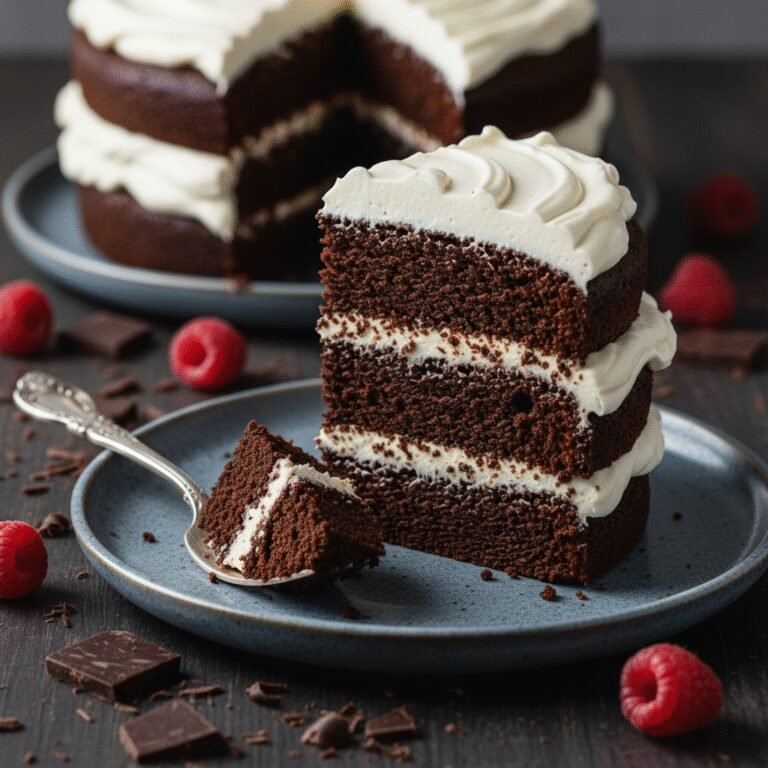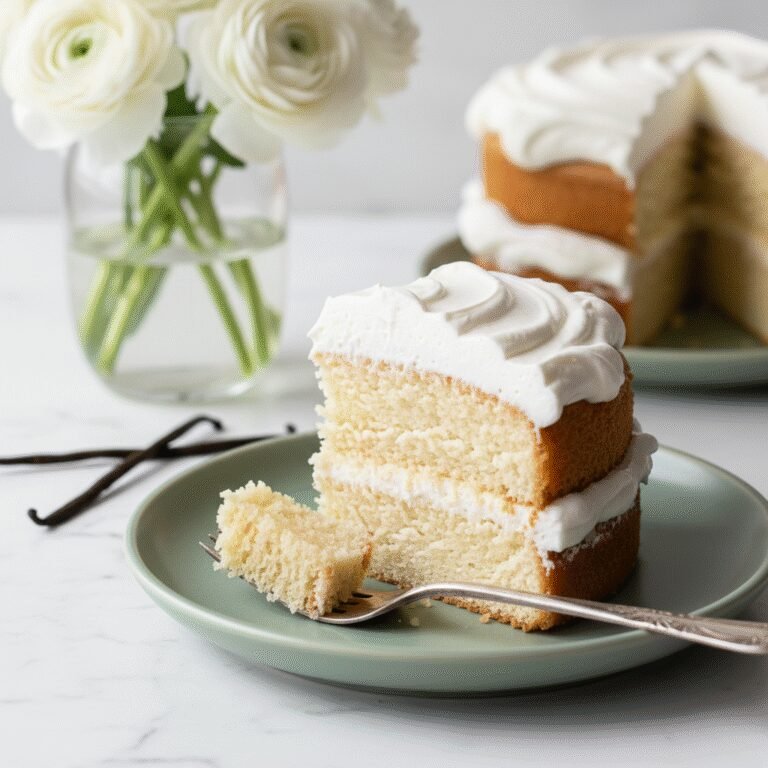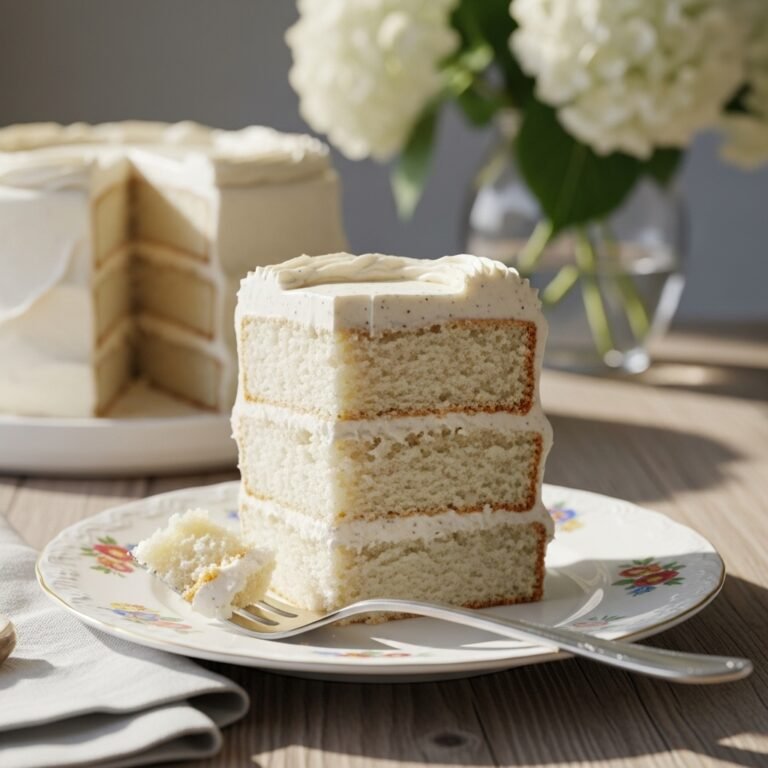
The Ultimate Moist Vegan Banana Cake With Tangy Cream Cheese Frosting
Moist Vegan Banana Cake With Vegan Cream Cheese Frosting Recipe
Discover the secret to the most tender, melt-in-your-mouth vegan banana cake that rivals any dairy-filled bakery treat. Topped with a luscious, tangy vegan cream cheese frosting, this easy one-bowl recipe is the perfect dessert for birthdays, potlucks, or a cozy afternoon snack.
20 minutes
35 minutes
1 hour 15 minutes (includes cooling)
12-15 servings
Dessert
Baking
American
Vegan
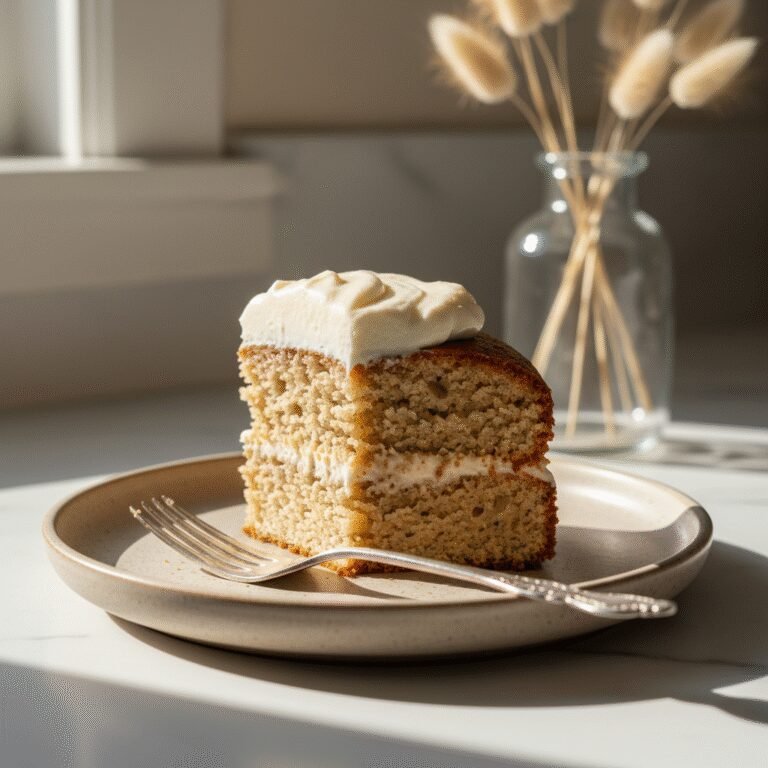
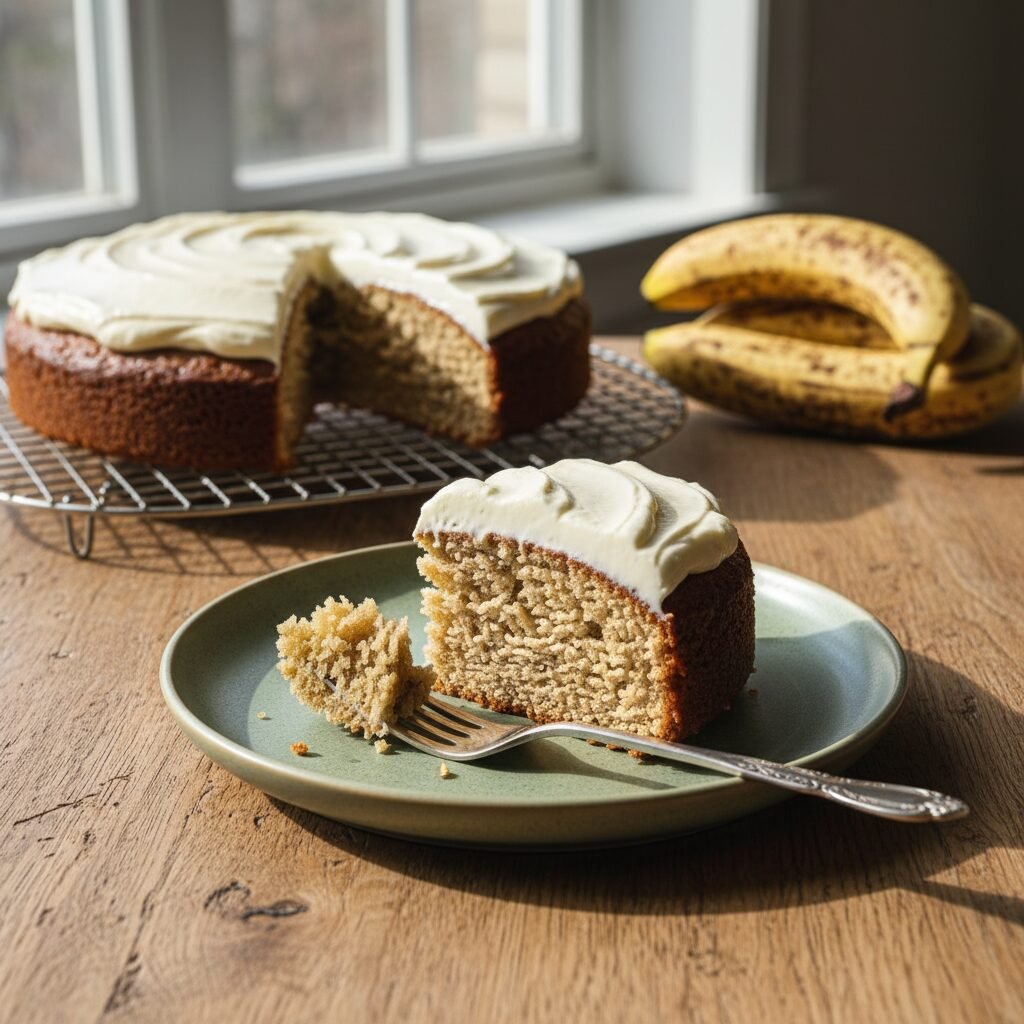
There is a pervasive myth in the culinary world that vegan baking requires a sacrifice in texture or flavor. Many home bakers approach egg-free and dairy-free cakes with trepidation, fearing a result that is either dense and gummy or dry and crumbly. This recipe for Moist Vegan Banana Cake is here to shatter those misconceptions once and for all. We are talking about a crumb so tender and moist that it practically dissolves on the tongue, paired with the rich, caramel-like sweetness of spotted brown bananas and a hint of warming cinnamon. The magic lies in the balance of ingredients; by using the right ratio of mashed banana to flour and incorporating a homemade vegan ‘buttermilk,’ we achieve a lift and softness that is often superior to traditional butter-based cakes. But the cake is only half the story. The crowning glory is the thick, velvety vegan cream cheese frosting. It provides that essential tangy counterpoint to the sweet, fruity sponge, creating a harmonious bite that feels indulgent and sophisticated. Whether you are a lifelong vegan, managing an egg allergy, or simply out of butter and looking to use up those overripe bananas on the counter, this recipe is a revelation. It evokes the nostalgia of grandmother’s kitchen while embracing modern plant-based techniques. Prepare to have your friends and family ask, ‘Are you sure this is vegan?’ after every single slice.
History & Origins
The history of banana cake is inextricably linked to the history of banana bread, a staple of American comfort food that rose to prominence during the Great Depression. Before the 1930s, bananas were a somewhat expensive import in the United States. However, with the advent of refrigeration and better transport logistics, they became widely available. During the Depression, resourcefulness was key; throwing away food was unthinkable. Housewives began searching for ways to use overripe, rotting bananas, leading to the chemical leavening experiments that birthed the modern quick bread. The transition from a dense bread to a lighter, fluffier cake occurred as baking powder and baking soda formulations improved, allowing for more aeration. The vegan evolution of this classic dessert traces a fascinating path through culinary history as well. In the mid-20th century, ‘Wacky Cake’ (also known as Depression Cake) became popular due to rationing of butter and eggs during World War II. This proved that vinegar and baking soda could create a viable cake structure without animal products. In recent decades, the plant-based movement has refined these techniques. Early vegan baking often relied on heavy, dense substitutes like tofu or pureed fruit alone. However, the modern era of vegan baking has seen a renaissance with the availability of high-quality plant milks, refined coconut oils, and sophisticated dairy-free cream cheese alternatives. This specific recipe stands on the shoulders of these historical innovations, combining the frugality of the 1930s with the premium plant-based ingredients of the 21st century to create a dessert that honors its roots while looking forward.
Why This Recipe Works
The science behind this vegan banana cake is a testament to how chemical reactions can mimic the structural properties of eggs and dairy. The primary reason this recipe yields such a moist crumb is the use of oil instead of butter. Butter is about 80% fat and 20% water; when it melts, the water evaporates, which can sometimes dry out a cake if overbaked. Oil, being 100% fat, remains liquid at room temperature, coating the flour proteins and preventing gluten over-development, which ensures the cake stays soft and tender for days. Secondly, we utilize a ‘vegan buttermilk’ method by combining soy or almond milk with apple cider vinegar. This mixture curdles slightly, increasing the acidity of the batter. When this acid interacts with the baking soda, it creates carbon dioxide bubbles, providing the lift and fluffiness usually achieved by beaten eggs. Furthermore, bananas act as a natural binder and humectant. They hold moisture within the cake structure, preventing it from drying out. The high sugar content in the ripe bananas also contributes to a darker, more flavorful crust through the Maillard reaction. Finally, the use of both brown and white sugars adds depth; brown sugar contains molasses, which adds moisture and a slight acidity that further reacts with the baking soda for an even better rise.
Why You’ll Love This Recipe
- ✓Completely egg-free and dairy-free, perfect for vegans and allergy sufferers.
- ✓Incredibly moist texture that stays soft for up to 4 days.
- ✓Requires simple pantry staples and no obscure egg replacers.
- ✓The tangy frosting perfectly balances the sweet banana flavor.
- ✓One-bowl mixing method makes cleanup a breeze.
- ✓Freezer-friendly for meal prepping desserts.
Equipment You’ll Need
- ✓9×13 inch baking pan
- ✓Large mixing bowl
- ✓Medium mixing bowl
- ✓Whisk
- ✓Rubber spatula
- ✓Measuring cups and spoons
- ✓Electric hand mixer or stand mixer (for frosting)
- ✓Wire cooling rack
Ingredients
- ✓3 large overripe bananas (heavily spotted), mashed (about 1.5 cups)
- ✓3 cups all-purpose flour
- ✓1 1/2 cups granulated sugar
- ✓1/2 cup light brown sugar, packed
- ✓1 1/2 cups unsweetened soy or almond milk
- ✓1 tablespoon apple cider vinegar
- ✓2/3 cup neutral oil (canola, vegetable, or melted coconut oil)
- ✓1 teaspoon vanilla extract
- ✓1 1/2 teaspoons baking soda
- ✓1 teaspoon baking powder
- ✓1 teaspoon ground cinnamon
- ✓1/2 teaspoon salt
- ✓FOR THE FROSTING: 1/2 cup (1 stick) vegan butter, slightly softened
- ✓8 oz vegan cream cheese, cold
- ✓3-4 cups powdered sugar, sifted
- ✓1 teaspoon vanilla extract
- ✓1 teaspoon lemon juice (optional, for extra tang)
Instructions
- 1. Preheat your oven to 350°F (175°C). Grease a 9×13 inch baking pan with oil or vegan butter, or line it with parchment paper for easy removal.
- 2. In a small bowl or measuring cup, combine the soy milk and apple cider vinegar. Whisk gently and set aside for 5-10 minutes to curdle into vegan buttermilk.
- 3. In a large mixing bowl, mash the bananas thoroughly until they are almost liquid with very few lumps remaining.
- 4. Add the oil, granulated sugar, brown sugar, vanilla extract, and the prepared vegan buttermilk mixture to the mashed bananas. Whisk vigorously until the ingredients are fully combined and the sugars have started to dissolve.
- 5. Place a large sieve over the wet ingredients bowl. Sift in the flour, baking soda, baking powder, cinnamon, and salt. This ensures there are no lumps of flour or baking soda in the final batter.
- 6. Using a rubber spatula, gently fold the dry ingredients into the wet ingredients. Mix only until no streaks of flour remain. Do not overmix, or the cake will become dense and rubbery.
- 7. Pour the batter into the prepared baking pan and smooth the top with the spatula. Tap the pan gently on the counter once to release any large air bubbles.
- 8. Bake for 30-40 minutes, or until a toothpick inserted into the center comes out clean or with just a few moist crumbs attached. The top should be golden brown and spring back when lightly touched.
- 9. Remove the cake from the oven and place the pan on a wire rack. Let the cake cool completely in the pan. It is crucial that the cake is cool before frosting, otherwise the frosting will melt.
- 10. While the cake cools, prepare the frosting. In a large bowl using a hand mixer (or stand mixer), beat the vegan butter and vegan cream cheese together on medium-high speed until smooth and creamy (about 2-3 minutes).
- 11. Lower the mixer speed and gradually add the powdered sugar, one cup at a time, beating well after each addition. Add the vanilla and lemon juice.
- 12. Increase the speed to high and whip the frosting for another 2-3 minutes until it is light, fluffy, and white.
- 13. Once the cake is fully cooled, spread the frosting generously over the top. Slice and serve immediately.
Expert Cooking Tips
- ✓Use the spotty bananas: The bananas should be brown and spotted. Green or yellow bananas lack the sugar content and moisture needed for this recipe.
- ✓Weigh your flour: If possible, use a kitchen scale. If using cups, spoon the flour into the cup and level it off. Scooping directly packs the flour and leads to a dry cake.
- ✓Do not overmix: Once the flour hits the liquid, gluten begins to form. Fold gently just until combined to keep the cake tender.
- ✓Room temperature ingredients: For the batter, room temp milk helps emulsification. However, for the frosting, keep the vegan cream cheese cold to prevent it from becoming soupy.
- ✓Check your baking soda: Ensure your leavening agents are fresh. If they are expired, the cake will not rise and will be dense.
- ✓Cool completely: Vegan cakes can be more fragile when warm. Let it cool fully to set the structure before frosting or slicing.
Substitutions and Variations
This recipe is robust, but careful substitutions are key to maintaining the texture. For the flour, you can substitute a high-quality 1:1 Gluten-Free All-Purpose Flour blend (one that contains xanthan gum) to make this cake gluten-free. Do not use almond flour or coconut flour as 1:1 subs, as they absorb moisture differently. If you want to reduce refined sugar, you can use coconut sugar instead of brown sugar, though the flavor will be more caramel-like and the color darker. For the oil, melted coconut oil works well but imparts a slight coconut flavor; avocado oil or grapeseed oil are excellent neutral alternatives. If you are out of apple cider vinegar, white vinegar or fresh lemon juice works perfectly for the buttermilk mixture. For the frosting, if you cannot find vegan cream cheese, a simple vegan buttercream made with vegan butter, powdered sugar, and a splash of plant milk is delicious, though less tangy.
Common Mistakes to Avoid
The most common mistake with vegan banana cake is underbaking. Because the batter is heavy with fruit and moisture, it can look done on top while being raw in the middle. Always do the toothpick test in the very center of the cake. Another frequent error is using bananas that aren’t ripe enough. If your bananas are yellow, the cake will lack sweetness and flavor depth. To ripen them quickly, bake unpeeled bananas on a baking sheet at 300°F for 15-20 minutes until black. A third mistake is over-beating the frosting. Some brands of vegan cream cheese have a higher water content and can break or become runny if beaten too long or if the kitchen is too hot. If the frosting gets too soft, refrigerate it for 20 minutes before spreading.
Serving Suggestions
This cake is delightful on its own, but you can elevate the presentation for a party. Top the frosted cake with chopped walnuts or pecans for a satisfying crunch that contrasts with the soft crumb. A dusting of cinnamon or nutmeg over the white frosting adds a beautiful finish. For a decadent twist, drizzle vegan caramel sauce or melted dark chocolate over the slices just before serving. This cake pairs exceptionally well with a hot cup of Earl Grey tea, fresh coffee, or a tall glass of cold oat milk. If serving for a summer brunch, garnish with fresh berries like raspberries or sliced strawberries to cut through the sweetness.
Storage and Reheating Tips
Because of the fresh banana content and the cream cheese frosting, this cake is best stored in the refrigerator, especially in warm climates. Place the cake in an airtight container or cover the pan tightly with plastic wrap. It will keep well in the fridge for up to 5 days. The cold actually helps the texture become fudgier. If you prefer room temperature cake, remove a slice from the fridge 20 minutes before eating. For freezing, you can freeze the unfrosted cake wrapped in plastic wrap and foil for up to 3 months. You can also freeze frosted slices: place them on a baking sheet to freeze the frosting solid, then wrap individually in plastic wrap and place in a freezer bag. Thaw overnight in the refrigerator.
Nutrition Facts (Estimated)
| Serving Size | 1 slice |
| Calories | 340 |
| Fat | 14g |
| Saturated Fat | 3.5g |
| Unsaturated Fat | 10g |
| Trans Fat | 0g |
| Cholesterol | 0mg |
| Sodium | 210mg |
| Carbohydrates | 52g |
| Fiber | 2g |
| Sugar | 28g |
| Protein | 4g |
Frequently Asked Questions
Can I make this recipe into cupcakes instead of a sheet cake?
Yes, absolutely! This batter makes wonderful cupcakes. Line a muffin tin with liners and fill them about 2/3 to 3/4 full. Bake at 350°F for 18-22 minutes. The yield will be approximately 20-24 cupcakes.
My vegan cream cheese frosting is runny. How do I fix it?
Vegan cream cheese is often softer than dairy cream cheese. If it’s runny, add more powdered sugar, 1/4 cup at a time. Also, ensure your butter wasn’t melted, just softened. Chilling the frosting in the fridge for 30 minutes can also help firm it up.
Can I reduce the sugar in this recipe?
You can reduce the granulated sugar by about 1/4 to 1/3 cup without ruining the structure, but the cake will be less moist and tender. Sugar acts as a liquid in baking, so reducing it too much affects texture.
Why did my cake sink in the middle?
Sinking usually happens if the cake was underbaked (the structure wasn’t set) or if the oven door was opened too early, causing a temperature drop. It can also happen if too much leavening (baking soda/powder) was used.
Can I use frozen bananas?
Yes! Frozen bananas are perfect. Thaw them completely in a bowl before using. Do not drain the liquid that comes out of them; include that liquid in the batter as it contains flavor and moisture.
Is this cake nut-free?
The cake itself is nut-free if you use soy milk or oat milk instead of almond milk. Ensure your vegan butter and cream cheese are also nut-free (some are cashew-based).
Can I use whole wheat flour?
You can substitute up to 50% of the all-purpose flour with white whole wheat flour. Using 100% whole wheat flour will result in a much denser, heavier cake.
Do I have to use vinegar?
The acid is necessary to react with the baking soda for lift. If you don’t have apple cider vinegar, you can use white vinegar or lemon juice. Omitting it entirely will result in a flat cake.
Conclusion
This Moist Vegan Banana Cake with Vegan Cream Cheese Frosting is more than just a dietary alternative; it is a standout dessert in its own right that deserves a permanent spot in your recipe binder. Whether you are celebrating a special occasion or simply craving a slice of comfort on a rainy afternoon, this cake delivers on all fronts: taste, texture, and simplicity. It proves that compassion and indulgence can go hand in hand. We hope this recipe brings warmth and joy to your kitchen. Don’t forget to pin this recipe for later and tag us in your creations on social media—we love seeing how you make it your own!