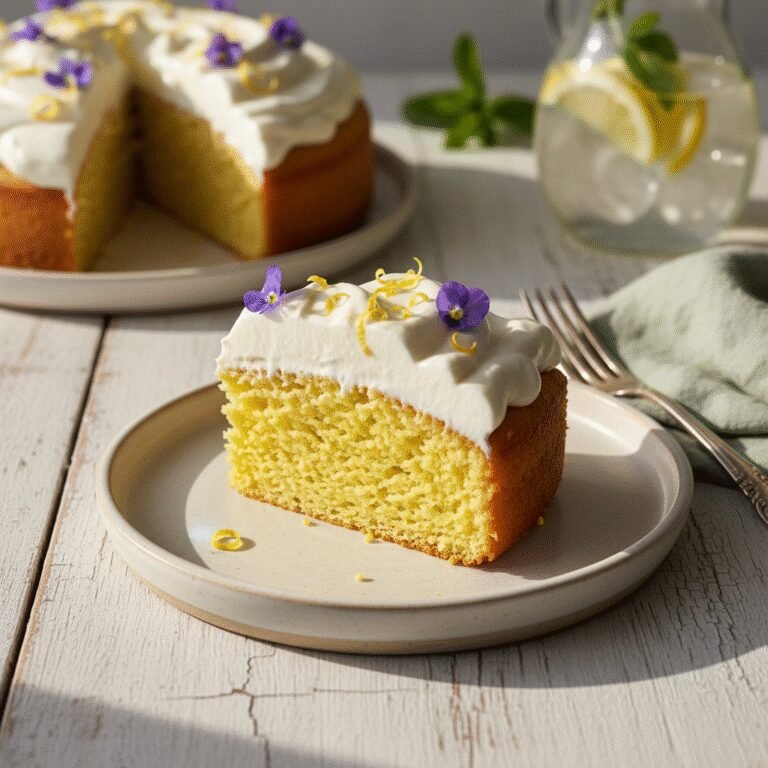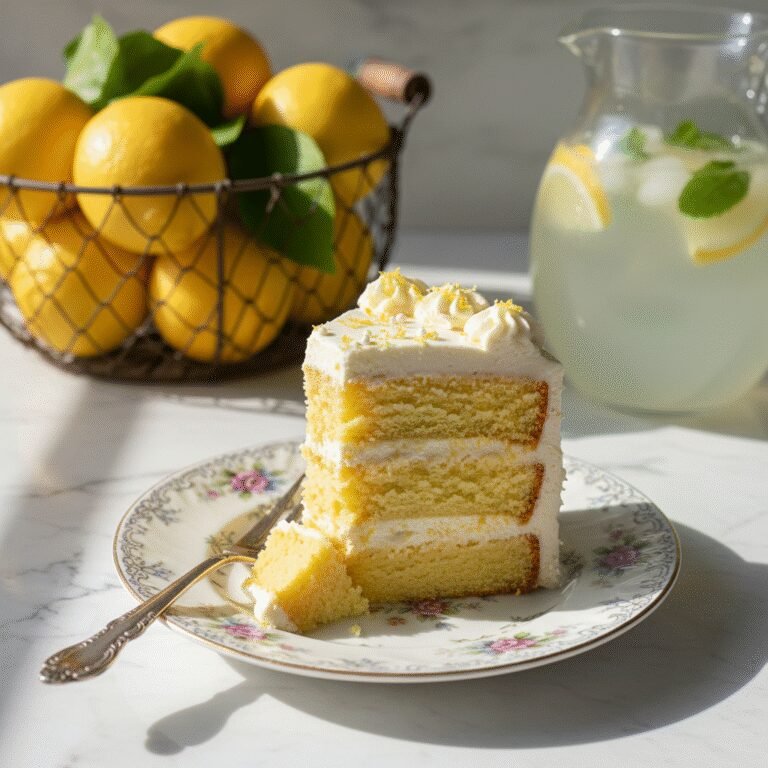
The Ultimate Moist Vegan Lemon Cake with Tangy Cream Cheese Frosting
Moist Vegan Lemon Cake With Vegan Cream Cheese Frosting Recipe
Discover the perfect balance of zesty citrus and sweet indulgence with this incredibly moist vegan lemon cake. Topped with a velvety, dairy-free cream cheese frosting, this recipe defies expectations and proves that plant-based baking can be just as luscious and tender as traditional favorites.
25 minutes
35 minutes
1 hour 15 minutes (includes cooling)
12 slices
Dessert
Baking
American / European
Vegan
There is something undeniably cheerful about a lemon cake. It is the culinary equivalent of a burst of sunshine on a cloudy day, offering a bright, zesty lift that cuts through the richness of dessert. For many, the quest for the perfect vegan lemon cake is fraught with dry crumbs and dense textures, but this recipe changes the narrative entirely. We are talking about a crumb so tender and moist that it practically melts in your mouth, paired with a frosting that is creamy, tangy, and perfectly sweet. This Moist Vegan Lemon Cake with Vegan Cream Cheese Frosting is not just a good ‘alternative’ to standard cakes; it stands tall as a superior dessert in its own right.
The secret lies in the careful balance of acidity and fat. Lemon isn’t just a flavor here; it is a structural component. The fresh lemon juice reacts with the plant-based milk to create a vegan buttermilk, which tenderizes the gluten and ensures a soft, fluffy rise. When you take that first bite, you are greeted with an intense lemon aroma, followed by the rich, buttery undertones of the cake, and finally, the sharp, sweet finish of the cream cheese frosting. It is a symphony of textures and flavors that feels sophisticated yet comforting.
Whether you are hosting a summer garden party, looking for a bright finish to a heavy meal, or simply satisfying a mid-week sweet tooth, this cake delivers. It captures the essence of classic baking—nostalgic, heartwarming, and indulgent—while adhering strictly to plant-based principles. Prepare to impress even the most skeptical non-vegans at your table, as this cake is often mistaken for its dairy-laden counterparts due to its incredible richness and depth of flavor.
History & Origins
The history of lemon cake is as rich and layered as the dessert itself, tracing back centuries to when citrus fruits were first traded along the Silk Road. Lemons, originally native to Asia, made their way to the Mediterranean and eventually became a staple in European baking. In the 18th and 19th centuries, the ‘pound cake’ emerged in Northern Europe, a dense cake made with a pound each of flour, butter, eggs, and sugar. As lemons became more accessible, bakers began incorporating the zest and juice to cut through the heaviness of these rich ingredients, giving birth to the early ancestors of the lemon cake we know today.
The evolution into *vegan* lemon cake is a much more modern phenomenon, tied to the rise of vegetarianism and veganism in the 20th and 21st centuries. Early vegan baking was often a game of trial and error, with home cooks experimenting with vinegar and baking soda to replicate the lift provided by eggs (a technique popularized during the rationing of World War II in ‘Wacky Cake’). However, the real renaissance occurred in the last two decades. As the demand for plant-based options skyrocketed, food scientists and culinary experts began to understand the chemistry of egg replacements—using flaxseeds, aquafaba, and commercial binders—and the importance of fat ratios using oils and plant butters.
Today, the vegan lemon cake represents a culinary triumph where tradition meets innovation. It honors the classic flavor profile established by European bakers centuries ago while utilizing modern ingredients like high-quality vegan butter and almond milk. It is a testament to how food culture evolves, adapting to ethical and dietary shifts without sacrificing the joy and heritage of a classic slice of cake.
Why This Recipe Works
This recipe succeeds where many vegan cakes fail because it prioritizes moisture retention and proper chemical leavening without relying on eggs. In traditional baking, eggs provide structure and moisture. To replicate this, we utilize a combination of plant-based milk and lemon juice. When mixed, the acid in the lemon juice curdles the milk, creating a vegan ‘buttermilk.’ This acidity is crucial; it breaks down long gluten strands, preventing the cake from becoming tough or rubbery, resulting in a tender crumb.
Furthermore, we use oil rather than just vegan butter for the batter. While butter adds flavor, oil is superior for texture in cakes because it remains liquid at room temperature, ensuring the cake stays moist for days. The addition of cornstarch is another professional bakery trick adapted for the home kitchen; it softens the harsh proteins in all-purpose flour, mimicking the texture of cake flour.
For the frosting, the challenge with vegan cream cheese is often its stability. This recipe combats runniness by using a high ratio of shortening or high-fat vegan butter alongside the cream cheese and ensuring all ingredients are chilled before mixing. The result is a stable, pipeable frosting that holds its shape and provides that essential tangy contrast to the sweet, citrusy sponge.
Why You’ll Love This Recipe
- ✓Incredibly moist texture that stays soft for days.
- ✓Bright, natural lemon flavor using both zest and juice.
- ✓100% plant-based and dairy-free.
- ✓Easy one-bowl batter method.
- ✓Tangy, stable frosting that rivals traditional cream cheese icing.
Equipment You’ll Need
- ✓Two 8-inch round cake pans
- ✓Large mixing bowl
- ✓Medium mixing bowl
- ✓Whisk
- ✓Electric hand mixer or stand mixer
- ✓Rubber spatula
- ✓Cooling rack
- ✓Microplane or zester
- ✓Measuring cups and spoons
Ingredients
- ✓2 1/2 cups All-purpose flour
- ✓1 1/2 cups Granulated sugar
- ✓1 tbsp Baking powder
- ✓1/2 tsp Baking soda
- ✓1/2 tsp Salt
- ✓2 tbsp Cornstarch
- ✓1 1/2 cups Soy milk or Almond milk (unsweetened)
- ✓1/2 cup Fresh lemon juice (approx. 2-3 lemons)
- ✓2 tbsp Lemon zest
- ✓1/2 cup Canola oil or melted Coconut oil
- ✓1 tsp Vanilla extract
- ✓1/2 cup Vegan butter (for frosting, softened)
- ✓8 oz Vegan cream cheese (for frosting, cold)
- ✓4 cups Powdered sugar (for frosting)
- ✓1 tbsp Lemon juice (for frosting)
Instructions
- Preheat your oven to 350°F (175°C). Grease two 8-inch round cake pans with oil and line the bottoms with parchment paper to ensure easy removal.
- In a measuring cup, combine the soy milk and 1/2 cup of fresh lemon juice. Stir gently and let it sit for about 5-10 minutes to curdle into vegan buttermilk.
- In a large mixing bowl, whisk together the flour, sugar, baking powder, baking soda, salt, cornstarch, and lemon zest. Ensure there are no large lumps.
- Pour the prepared vegan buttermilk, oil, and vanilla extract into the dry ingredients.
- Mix gently with a whisk or spatula just until the batter is combined and smooth. Do not overmix, or the cake will become dense.
- Divide the batter evenly between the two prepared cake pans. Tap the pans on the counter lightly to release any large air bubbles.
- Bake in the center of the oven for 30-35 minutes, or until a toothpick inserted into the center comes out clean or with just a few moist crumbs.
- Remove from the oven and let the cakes cool in the pans for 10 minutes. Then, carefully turn them out onto a wire rack to cool completely before frosting.
- While the cakes cool, prepare the frosting. In a large bowl using a hand mixer or stand mixer, beat the softened vegan butter and cold vegan cream cheese until smooth and creamy (about 2-3 minutes).
- Gradually add the powdered sugar, one cup at a time, beating on low speed until incorporated. Add the 1 tablespoon of lemon juice and beat on high for another 2 minutes until fluffy.
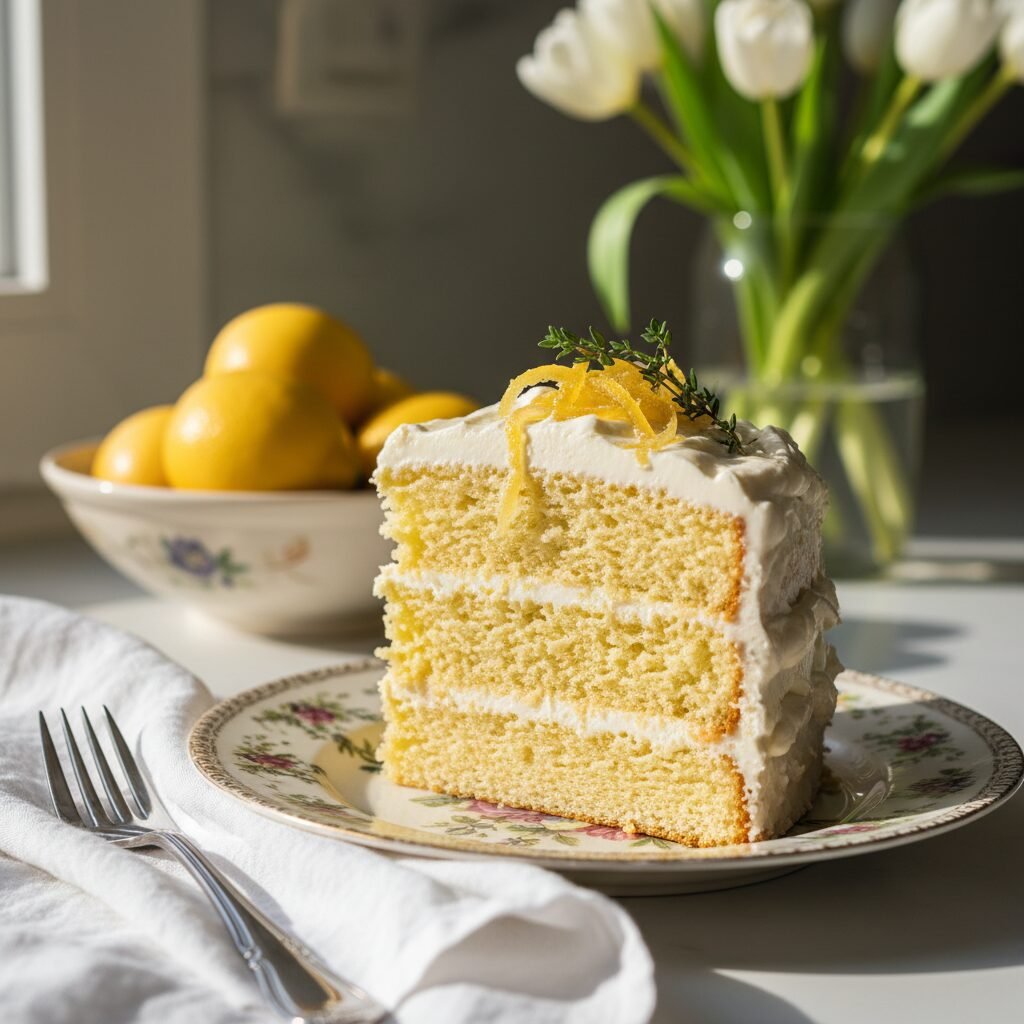
- Once the cakes are completely cool, frost the top of one layer, place the second layer on top, and frost the top and sides of the entire cake. Garnish with extra lemon zest or lemon slices if desired.
Expert Cooking Tips
- ✓Use room temperature ingredients for the cake batter to ensure an even emulsion.
- ✓Do not skimp on the lemon zest; it contains the essential oils that provide the most aromatic lemon flavor.
- ✓Weigh your flour if possible (approx. 120g per cup) to avoid a dense cake caused by packing the flour cup.
- ✓Let the cake cool completely before frosting; even a slightly warm cake will melt the vegan butter.
- ✓If your frosting is too soft, refrigerate it for 20 minutes before piping or spreading.
- ✓Use a neutral-flavored oil like canola or grapeseed so the lemon flavor shines through.
Substitutions and Variations
Baking is a science, but there is some room for flexibility in this recipe. If you are gluten-free, you can substitute the all-purpose flour with a high-quality 1:1 Gluten-Free Baking Flour blend that contains xanthan gum. The texture may be slightly denser, but still delicious. For the sugar, you can use organic cane sugar or even coconut sugar, though coconut sugar will turn the cake a darker brown color and add a caramel note. If you do not have soy or almond milk, oat milk works wonderfully, though rice milk tends to be too thin. In terms of oil, melted refined coconut oil is a great alternative to canola, but avoid olive oil unless you want a savory undertone. For the frosting, if you cannot find vegan cream cheese, you can make a standard vegan buttercream using just vegan butter, powdered sugar, and lemon juice.
Common Mistakes to Avoid
The most common mistake with vegan cakes is overmixing the batter. Once the wet and dry ingredients meet, the gluten begins to develop. If you mix too vigorously, you will end up with a rubbery, tough cake rather than a tender one. Stop mixing as soon as the flour streaks disappear. Another issue is opening the oven door too early. This releases heat and can cause the cake to sink in the middle. Wait until at least 25 minutes have passed before checking. Regarding the frosting, using melted or too-soft vegan butter will result in a soupy mess. Vegan butter has a lower melting point than dairy butter, so keep it cool, and don’t leave it out on the counter for hours before using.
Serving Suggestions
This cake is a stunner on its own, but you can elevate the presentation for special occasions. Serve each slice with a dollop of coconut whipped cream and a handful of fresh berries like raspberries or blueberries, which pair beautifully with lemon. A sprig of fresh mint or edible flowers on top adds a pop of color that makes it Instagram-ready. For a warm afternoon tea, pair this cake with a hot Earl Grey tea or a cold glass of almond milk. If you want to add texture, a sprinkle of toasted almond slivers or crushed pistachios on top of the frosting adds a lovely crunch.
Storage and Reheating Tips
Because of the cream cheese frosting, this cake is best stored in the refrigerator. Place it in an airtight cake carrier or cover it gently with plastic wrap to prevent it from absorbing fridge odors. It will keep fresh for up to 5 days. However, cold cake can taste less flavorful, so we recommend letting the slice sit at room temperature for 15-20 minutes before eating to allow the frosting to soften and the flavors to open up. If you want to freeze it, you can freeze unfrosted cake layers wrapped tightly in cling film for up to 3 months. Thaw them in the fridge overnight before frosting.
Nutrition Facts (Estimated)
| Serving Size | 1 slice |
| Calories | 420 |
| Fat | 18g |
| Saturated Fat | 4g |
| Unsaturated Fat | 14g |
| Trans Fat | 0g |
| Cholesterol | 0mg |
| Sodium | 210mg |
| Carbohydrates | 62g |
| Fiber | 1g |
| Sugar | 28g |
| Protein | 3g |
Frequently Asked Questions
Can I make this cake into cupcakes instead?
Absolutely! This batter works perfectly for cupcakes. Line a muffin tin with liners and fill them 2/3 full. Reduce the baking time to 18-22 minutes.
Why did my vegan cake sink in the middle?
Sinking usually happens if the oven door was opened too early, causing a temperature drop, or if the leavening agents (baking powder/soda) were expired. Ensure your oven is fully preheated before putting the cake in.
Can I use bottled lemon juice?
While you can, fresh lemon juice is highly recommended. Bottled juice often contains preservatives that can alter the flavor, giving it a metallic or artificial taste compared to the brightness of fresh lemons.
Is this cake nut-free?
The cake itself is nut-free if you use soy or oat milk. However, check the labels on your vegan butter and cream cheese, as some brands use almond or cashew bases.
Can I reduce the sugar in this recipe?
You can reduce the sugar in the cake batter by about 1/4 cup without affecting the texture too much. However, sugar provides moisture and tenderness, so reducing it further may result in a drier cake.
My frosting is too runny, what do I do?
Add more powdered sugar, 1/4 cup at a time, to stiffen it up. Alternatively, place the bowl in the refrigerator for 20 minutes to help the fats solidify.
Can I use whole wheat flour?
Whole wheat flour is heavier and will make the cake denser and nuttier. If you want to incorporate whole grains, try using ‘white whole wheat flour’ or use a 50/50 mix with all-purpose flour.
Do I need an electric mixer?
For the cake batter, no—a whisk is actually better to prevent overmixing. However, for the frosting, an electric mixer is essential to get that fluffy, aerated texture.
Conclusion
This Moist Vegan Lemon Cake with Vegan Cream Cheese Frosting is truly a celebration of citrus. It dispels the myth that vegan baking is difficult or flavorless, offering a dessert that is vibrant, tender, and deeply satisfying. Whether you are a seasoned vegan baker or just dipping your toes into plant-based desserts, this recipe is foolproof and rewarding. The bright, tangy flavor profile makes it a versatile choice for any season, bringing a bit of sunshine to your kitchen regardless of the weather outside. Gather your ingredients, zest those lemons, and get ready to bake a cake that will likely become a requested favorite in your household for years to come.