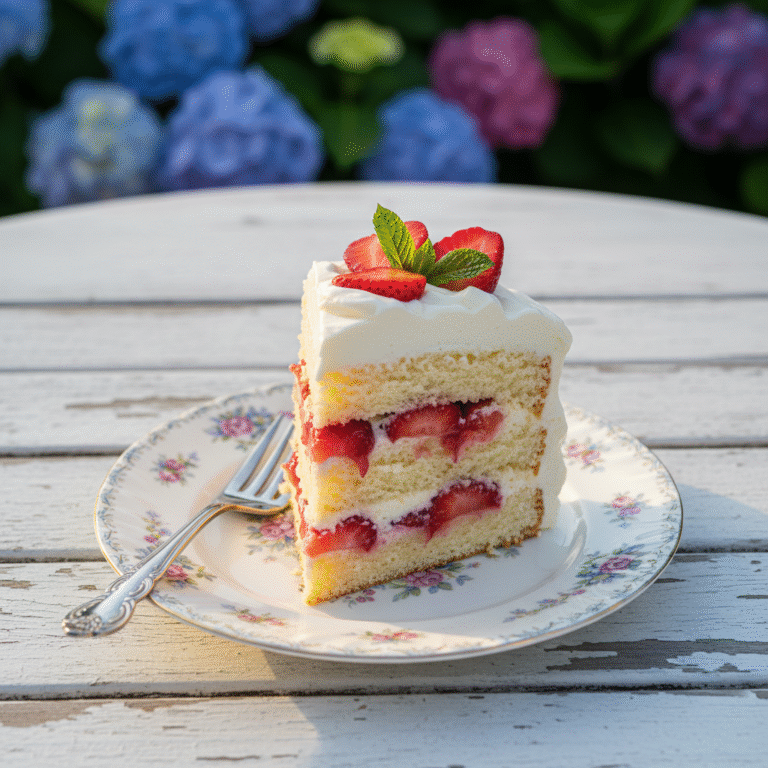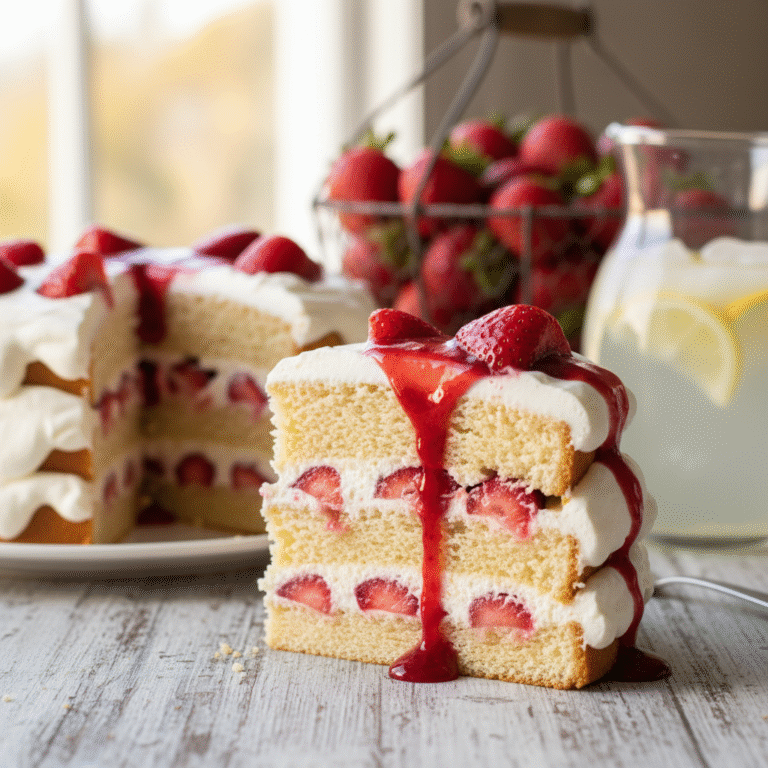

Summer’s Best Fresh Peach Upside Down Cake With Whipped Cream Frosting
Fresh Peach Upside Down Cake With Whipped Cream Frosting Recipe
Capture the essence of summer with this stunning Fresh Peach Upside Down Cake. Featuring a caramelized layer of juicy, ripe peaches atop a tender vanilla sponge, it is finished with a cloud of homemade whipped cream frosting for the ultimate peaches-and-cream experience.
25 minutes
50 minutes
1 hour 15 minutes
8-10 servings
Dessert
Baking
American
Vegetarian
There is something undeniably magical about the arrival of peach season. The moment those first fragrant, fuzzy orbs appear at the farmer’s market, visions of cobblers, crisps, and pies begin to dance in our heads. However, if you are looking for a dessert that truly celebrates the natural sweetness and vibrant color of stone fruit while delivering a show-stopping presentation with minimal effort, this Fresh Peach Upside Down Cake is the answer. Unlike a standard cake where the fruit is hidden inside, or a pie where it is encased in crust, an upside-down cake puts the prize right on top—glistening with a rich, buttery brown sugar caramel that forms as it bakes.
This recipe takes the classic concept of the upside-down cake and elevates it with a nod to the timeless combination of ‘peaches and cream.’ The base is a moist, dense vanilla butter cake sturdy enough to hold the weight of the fruit but tender enough to melt in your mouth. The topping—which starts on the bottom of the pan—is a mosaic of fresh peach slices bathed in melted butter and brown sugar. As the cake bakes, the peach juices release and mingle with the sugar, creating a sticky, intoxicating glaze that seeps into the crumb of the cake. But we don’t stop there. To cut through the richness of the caramelized fruit, we pair this warm, sticky delight with a cool, lightly sweetened whipped cream frosting. Whether you choose to pipe it decoratively around the edges to frame the fruit or dollop it generously over each slice, the contrast of warm, gooey cake and cold, airy cream is a textural masterpiece. It is rustic enough for a backyard barbecue yet elegant enough for a Sunday dinner centerpiece.
History & Origins
The history of the upside-down cake is deeply rooted in the practical traditions of American home baking, long before the advent of modern ovens. Its origins can be traced back to the ‘skillet cakes’ or ‘spider cakes’ of the 18th and 19th centuries. In these early days, baking was often done in cast-iron skillets (sometimes called spiders due to their long legs) over open fires or on stovetops. Cooks would line the bottom of the skillet with fruit and sugar, pour a simple batter over the top, and cook it until set. Flipping the cake out onto a plate was the easiest way to serve it, revealing the beautifully caramelized fruit that had been protected from the direct heat of the pan’s bottom.
While the pineapple upside-down cake is undoubtedly the most famous iteration—surging in popularity after the Dole Pineapple Company sponsored a recipe contest in 1925—the concept predates the widespread availability of canned pineapple. Seasonal fruits like apples, cherries, and, crucially, peaches were the original stars of this method, particularly in the American South where peach orchards flourished. Georgia and South Carolina have long histories of incorporating their bumper peach crops into every conceivable dessert. This Fresh Peach Upside Down Cake honors that pre-industrial tradition, favoring fresh, seasonal produce over canned goods. It represents a culinary bridge between the rustic, open-fire cooking of the past and the refined, comforting baking of the mid-20th century American kitchen.
Why This Recipe Works
This recipe succeeds because it masters the delicate balance of moisture and structure, a common pitfall in fruit-based baking. Fresh peaches are full of water; if not treated correctly, they can make a cake soggy or unpleasantly mushy. In this recipe, the ‘upside-down’ method is actually a scientific advantage. By placing the fruit at the bottom of the pan in a layer of butter and sugar, we are essentially poaching the peaches in caramel as the cake bakes above them. The direct contact with the heat source caramelizes the fruit sugars and the brown sugar, concentrating the peach flavor rather than diluting it.
Furthermore, the batter is specifically engineered to be slightly denser than a typical sponge cake. We use a higher ratio of fat (butter) and include sour cream or buttermilk, which ensures the crumb is tender but sturdy enough to support the heavy, syrupy fruit layer once flipped. The chemical leavening is carefully calculated to ensure the cake rises evenly without doming too much, providing a flat surface when inverted. Finally, the whipped cream frosting provides the necessary fat and coolness to balance the high sugar content of the caramelized topping. The cream creates a palate-cleansing effect, ensuring that each bite is sweet but not cloying. It is a perfect symphony of temperature, texture, and flavor profiles.
Why You’ll Love This Recipe
- ✓Uses fresh, seasonal peaches for superior flavor
- ✓Self-saucing caramel layer keeps the cake incredibly moist
- ✓Beautiful presentation without complex decorating skills
- ✓Perfect balance of warm cake and cool whipped cream
- ✓Can be made in a cast-iron skillet or standard cake pan
- ✓Ideal for summer entertaining and potlucks
Equipment You’ll Need
- ✓9-inch round cake pan or Cast Iron Skillet
- ✓Electric Hand Mixer or Stand Mixer
- ✓Large Mixing Bowls
- ✓Rubber Spatula
- ✓Whisk
- ✓Peeler or Paring Knife
- ✓Cooling Rack
- ✓Serving Platter
Ingredients
- ✓3-4 medium fresh peaches, peeled, pitted, and sliced into wedges
- ✓1/2 cup unsalted butter, melted (for topping)
- ✓3/4 cup light brown sugar, packed (for topping)
- ✓1/2 cup unsalted butter, softened (for cake)
- ✓3/4 cup granulated sugar
- ✓2 large eggs, room temperature
- ✓1 teaspoon pure vanilla extract
- ✓1 1/2 cups all-purpose flour
- ✓1 1/2 teaspoons baking powder
- ✓1/4 teaspoon salt
- ✓1/2 cup whole milk or buttermilk, room temperature
- ✓1 cup heavy whipping cream, cold (for frosting)
- ✓2 tablespoons powdered sugar (for frosting)
- ✓1/2 teaspoon vanilla extract (for frosting)
Instructions
- Preheat your oven to 350°F (175°C). Grease the sides of a 9-inch round cake pan or a 9-inch cast-iron skillet lightly with butter or cooking spray.
- Prepare the topping: Pour the 1/2 cup of melted butter into the bottom of the cake pan, ensuring it covers the surface evenly. Sprinkle the brown sugar evenly over the melted butter.
- Arrange the peach slices in a circular pattern on top of the brown sugar mixture. You can create concentric circles or a fan design. Remember, the bottom of the pan will be the top of the cake, so take your time to make it look nice.
- In a medium bowl, whisk together the flour, baking powder, and salt. Set aside.
- In a large mixing bowl using an electric mixer, cream together the softened butter and granulated sugar on medium-high speed until light and fluffy (about 3-4 minutes).
- Add the eggs one at a time, beating well after each addition. Scrape down the sides of the bowl. Mix in the vanilla extract.
- Reduce the mixer speed to low. Add the flour mixture in three parts, alternating with the milk (begin and end with the flour). Mix only until just combined; do not overmix or the cake will be tough.
- Gently spoon the batter over the arranged peaches in the pan. Use a spatula to carefully spread the batter to the edges, being careful not to displace the fruit design underneath.
- Bake for 45-55 minutes, or until a toothpick inserted into the center comes out clean and the top is golden brown. If the top browns too quickly, tent loosely with foil.
- Remove from the oven and let the cake cool in the pan for exactly 10-15 minutes. This allows the structure to set but keeps the caramel warm enough to release.
- Place your serving platter upside down over the cake pan. deeply breath, and swiftly invert the pan and plate together. Lift the pan off carefully. If any fruit sticks to the pan, simply lift it off and patch it back onto the cake.
- Allow the cake to cool completely to room temperature before adding the whipped cream frosting, otherwise, the cream will melt.
- Make the frosting: In a chilled bowl, whip the cold heavy cream, powdered sugar, and vanilla on high speed until soft-to-medium peaks form.
- Serve the cake with a generous dollop of whipped cream on top of each slice, or pipe decorative rosettes around the edge of the cake if serving immediately.
Expert Cooking Tips
- ✓Blanch peaches for 30 seconds in boiling water then shock in ice water to make peeling effortless.
- ✓Ensure your baking powder is fresh to guarantee a good rise, as the fruit layer is heavy.
- ✓Do not skip the cooling time in the pan; flipping too soon can cause the cake to break, but waiting too long will cause the caramel to harden and stick.
- ✓Use a light-colored metal pan for even browning; dark pans may burn the caramel layer.
- ✓Room temperature ingredients (eggs, butter, milk) are crucial for a smooth, emulsified batter.
- ✓If using a cast-iron skillet, keep an eye on the baking time as it retains heat longer than standard pans.
- ✓Stabilize the whipped cream with a teaspoon of instant pudding mix or gelatin if you plan to pipe it and let it sit for a while.
Substitutions and Variations
This recipe is highly adaptable to dietary needs and pantry availability. If fresh peaches are out of season, you can use well-drained canned peach slices or frozen peaches (thawed and patted dry), though fresh is always superior for texture. Nectarines are a fantastic 1:1 substitution and don’t require peeling due to their thinner skin. For the flour, a high-quality 1:1 gluten-free baking flour blend works excellently; just ensure it contains xanthan gum. If you are out of buttermilk, you can make a quick substitute by adding a teaspoon of lemon juice or white vinegar to regular milk and letting it sit for 5 minutes. For the sugar in the topping, dark brown sugar can be used for a deeper, molasses-rich flavor profile compared to light brown sugar. Vegans can substitute flax eggs, plant-based butter sticks, and a non-dairy milk (like oat or soy), though the caramelization may behave slightly differently.
Common Mistakes to Avoid
The most frequent mistake with upside-down cakes is the ‘flip.’ Waiting until the cake is completely cold will result in the caramel hardening like cement, sticking the fruit to the pan. Conversely, flipping immediately out of the oven is dangerous and the cake structure is too fragile. Stick to the 10-15 minute window. Another common error is using rock-hard, under-ripe peaches; they won’t soften enough during baking and will lack flavor. Conversely, overly mushy peaches will dissolve into a soup. Look for fruit that is firm but yields slightly to pressure. Finally, overmixing the batter after adding the flour will develop too much gluten, resulting in a rubbery, tough cake rather than a tender crumb.
Serving Suggestions
This cake is best served slightly warm or at room temperature. While the recipe includes a whipped cream frosting, the presentation is most striking when the caramelized fruit is visible. I recommend slicing the cake first and then adding a generous dollop of the whipped cream to the side or top of the slice. For an extra touch of elegance, garnish with a sprig of fresh mint or a dusting of cinnamon. If you want to serve it as a warm dessert, you can skip the whipped cream frosting and opt for a scoop of vanilla bean ice cream, which will melt lusciously into the warm cake. A cup of hot coffee or cold brew serves as the perfect beverage companion.
Storage and Reheating Tips
Because of the fresh fruit and the moisture content, this cake is best eaten within 1-2 days. If you have frosted the entire cake or have leftovers with cream, it must be stored in the refrigerator in an airtight container. The cake can be stored at room temperature for up to 24 hours if it does not have the whipped cream on it. To reheat refrigerated slices, microwave for 15-20 seconds to revive the soft texture of the crumb and loosen the caramel. Do not freeze the cake with the whipped cream; however, the baked cake itself (without cream) freezes beautifully. Wrap tightly in plastic wrap and foil for up to 3 months. Thaw overnight in the fridge before serving.
Nutrition Facts (Estimated)
| Serving Size | 1 slice |
| Calories | 420 |
| Fat | 22g |
| Saturated Fat | 13g |
| Unsaturated Fat | 8g |
| Trans Fat | 0.5g |
| Cholesterol | 85mg |
| Sodium | 210mg |
| Carbohydrates | 54g |
| Fiber | 2g |
| Sugar | 38g |
| Protein | 5g |
Frequently Asked Questions
Can I use frozen peaches for this recipe?
Yes, you can use frozen peaches. However, it is critical to thaw them completely and pat them very dry with paper towels before arranging them in the pan. Frozen fruit releases more water, which can make the caramel layer runny if not dried properly.
Why did my fruit stick to the pan when I flipped it?
This usually happens if the cake cooled for too long, causing the sugar to harden. If this happens, place the pan on a warm stovetop burner on low heat for 1-2 minutes to slightly remelt the caramel, then try lifting the pan again.
Can I make this cake ahead of time?
You can bake the cake a day in advance. Store it at room temperature covered with a cake dome. Prepare the whipped cream fresh right before serving for the best texture and stability.
My cake seems soggy in the middle, what happened?
The peaches may have been exceptionally juicy, or the cake was underbaked. Ensure your oven is calibrated correctly. If the top is browning but the center is raw, tent with foil and continue baking. Also, ensure you didn’t overload the center with too much fruit overlap.
Can I use a springform pan?
It is risky. The buttery caramel layer becomes liquid during baking and will likely leak out of the bottom seal of a springform pan, causing a mess in your oven. A solid cake pan or cast iron skillet is much safer.
How do I peel peaches easily?
The ‘blanch and shock’ method is best. Cut a small ‘X’ on the bottom of each peach, submerge in boiling water for 30-60 seconds, then immediately transfer to an ice water bath. The skins should slip right off.
Can I use salted butter instead of unsalted?
Yes, but reduce the added salt in the recipe to a pinch. The salt content in butter varies by brand, so unsalted gives you more control, but salted butter creates a nice salted-caramel effect in the topping.
What if I don’t have a mixer?
You can mix this batter by hand using a whisk and a wooden spoon. Just be prepared to use some elbow grease to cream the butter and sugar effectively until it is pale and fluffy.
Conclusion
This Fresh Peach Upside Down Cake with Whipped Cream Frosting is more than just a dessert; it is a celebration of summer’s bounty on a plate. The rustic elegance of the caramelized fruit combined with the simple luxury of homemade whipped cream makes it a favorite for bakers of all skill levels. It captures the fleeting sweetness of peach season in a way that feels both nostalgic and refreshingly new. Whether you are sharing it with friends at a backyard gathering or enjoying a quiet slice with your morning coffee, this recipe promises to deliver joy in every bite. Happy baking, and enjoy the sweet taste of summer!