The Ultimate Fresh Strawberry Shortcake Cake With Cream Cheese Frosting
Fresh Strawberry Shortcake Cake With Cream Cheese Frosting Recipe
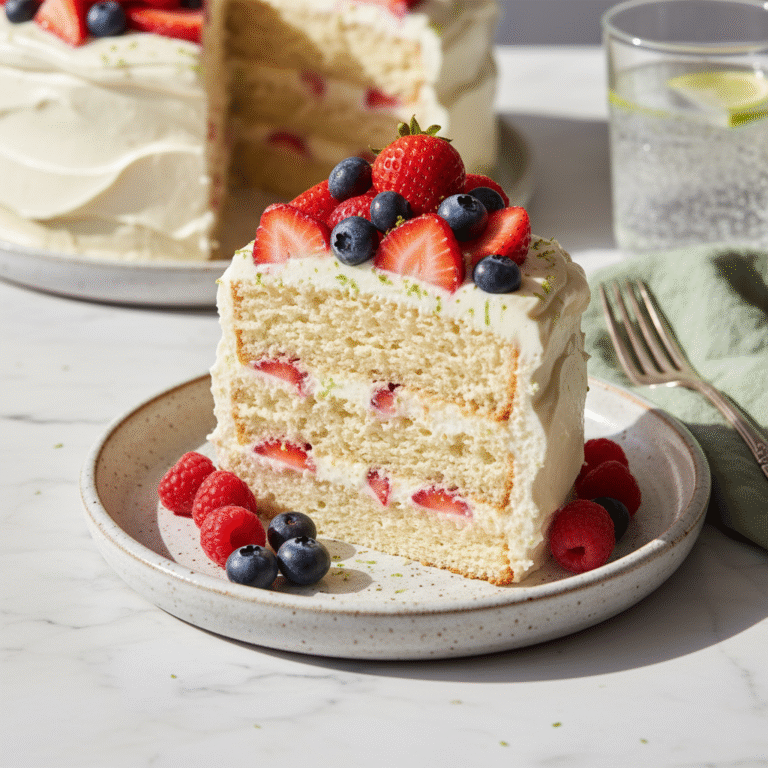
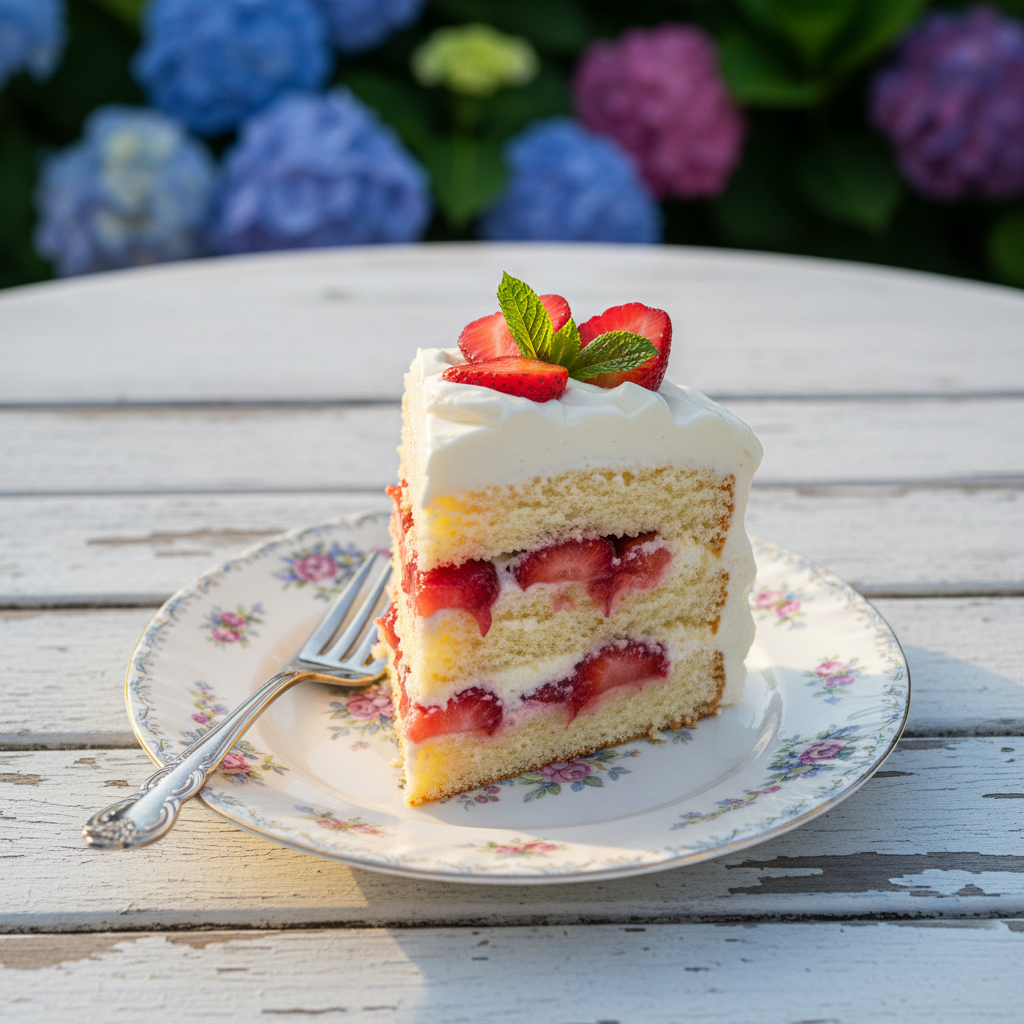
Experience the quintessential taste of summer with this stunning Fresh Strawberry Shortcake Cake. Layers of tender, buttery vanilla cake are stacked high with juicy, macerated strawberries and enveloped in a luscious, tangy cream cheese whipped frosting for a dessert that is as beautiful as it is delicious.
45 minutes
35 minutes
1 hour 40 minutes
12 servings
Dessert
Baking
American
Vegetarian
There is something undeniably nostalgic about the combination of sweet, ripe strawberries and fluffy cream. It evokes memories of backyard barbecues, Fourth of July picnics, and the carefree days of summer. While the traditional strawberry shortcake—typically made with a biscuit-like scone—is a classic for a reason, this Fresh Strawberry Shortcake Cake takes that beloved flavor profile and elevates it into a show-stopping layer cake. Imagine the tender crumb of a high-quality vanilla butter cake, soaked just slightly with the natural syrups of macerated berries, sandwiched between clouds of a unique cream cheese frosting that bridges the gap between a light chantilly cream and a dense cheesecake filling. This recipe is designed for those who love the flavor of the original but crave the elegance and presentation of a celebration cake. The secret lies in the balance of textures and temperatures: the cool, creamy frosting against the soft, room-temperature cake, and the burst of fresh fruit in every bite. Unlike many fruit cakes that can become soggy or dense, this recipe utilizes a specific method to ensure the strawberries remain fresh and vibrant without compromising the structural integrity of the cake layers. It is a dessert that demands to be shared, promising to be the centerpiece of any gathering. Whether you are an experienced baker or a novice looking to impress, this guide will walk you through every step to achieving the perfect balance of sweet, tart, and creamy.
History & Origins
The history of strawberry shortcake is as rich and layered as the dessert itself. The term ‘shortcake’ first appeared in an English cookbook as early as 1588. In this context, ‘short’ referred to the addition of fat—usually butter or lard—to a flour-based dough, which inhibited the formation of long gluten strands, resulting in a ‘short’ or crumbly texture. These early iterations were essentially sweetened biscuits or scones. As European settlers arrived in the Americas, they brought their baking traditions with them, but it was the abundance of wild strawberries in the New World that truly transformed the dish. By the mid-19th century, ‘Strawberry Feasts’ and ‘Strawberry Festivals’ became a popular social phenomenon in the United States to celebrate the short harvest season of the fruit. The classic combination of biscuits, berries, and cream solidified its place in American culinary history during this period. James Beard, the father of American gastronomy, famously championed the biscuit-style shortcake as the only ‘true’ version. However, as home baking evolved in the 20th century with the advent of finer milled cake flours and chemical leaveners, the concept of shortcake expanded. Southern variations often utilized sponge cakes or cornmeal cakes. This specific recipe pays homage to that evolution, moving away from the dense biscuit and embracing the lighter, more celebratory nature of a layered butter cake, while preserving the essential trio of components: cake, fruit, and cream.
Why This Recipe Works
This recipe succeeds where others fail due to three critical technical decisions. First is the ‘Reverse Creaming Method’ used for the cake layers (or a modified version thereof depending on preference), which coats the flour proteins in fat before liquid is added. This results in an ultra-tender, velvety crumb that is sturdy enough to hold the weight of the fruit and frosting but remains soft on the palate. Second is the treatment of the strawberries. By macerating the berries in sugar beforehand, we draw out excess moisture that would otherwise make the cake soggy. We then strain the berries, using the syrup for drizzling or cocktails, and use the firm, sweetened fruit for the filling. Third, and perhaps most importantly, is the frosting. Standard whipped cream often deflates or weeps, especially in warm weather. By incorporating softened cream cheese, we add fat solids and stabilizers that give the frosting structure and longevity without the heaviness of a buttercream. The tang of the cream cheese also cuts through the sweetness of the sugar and the richness of the cake, providing a sophisticated flavor balance that keeps you coming back for another forkful.
Why You’ll Love This Recipe
- ✓Sturdy yet tender vanilla cake layers that don’t get soggy.
- ✓Stabilized cream cheese whipped frosting that holds up in warmer weather.
- ✓Uses fresh strawberries for a burst of natural flavor.
- ✓Perfect balance of sweet, tart, and creamy textures.
- ✓visually stunning centerpiece for summer gatherings.
- ✓Can be prepped in stages for easier assembly.
Equipment You’ll Need
- ✓Three 8-inch round cake pans
- ✓Stand mixer or electric hand mixer
- ✓Large mixing bowls
- ✓Sifter or fine-mesh sieve
- ✓Rubber spatula
- ✓Offset spatula
- ✓Wire cooling rack
- ✓Parchment paper
- ✓Sharp knife and cutting board
Ingredients
- ✓3 cups cake flour, sifted
- ✓2 1/2 teaspoons baking powder
- ✓1/2 teaspoon baking soda
- ✓1 teaspoon salt
- ✓1 cup unsalted butter, softened to room temperature
- ✓1 3/4 cups granulated sugar
- ✓4 large eggs, room temperature
- ✓1 tablespoon pure vanilla extract
- ✓1 cup buttermilk, room temperature
- ✓1/2 cup sour cream, room temperature
- ✓2 lbs fresh strawberries, hulled and sliced
- ✓3 tablespoons granulated sugar (for macerating)
- ✓16 oz full-fat cream cheese, softened
- ✓1 1/2 cups powdered sugar, sifted
- ✓2 cups heavy whipping cream, cold
- ✓1 teaspoon vanilla bean paste or extract (for frosting)
Instructions
- 1. Preheat your oven to 350°F (175°C). Grease three 8-inch round cake pans with butter, line the bottoms with parchment paper, and dust the sides with flour, tapping out any excess.
- 2. In a medium bowl, whisk together the sifted cake flour, baking powder, baking soda, and salt. Set aside.
- 3. In the bowl of a stand mixer fitted with the paddle attachment, beat the softened butter and 1 3/4 cups granulated sugar on medium-high speed for about 4-5 minutes until light, fluffy, and pale in color.
- 4. Reduce the speed to medium and add the eggs one at a time, beating well after each addition and scraping down the sides of the bowl. Mix in the vanilla extract and sour cream.
- 5. Reduce the mixer speed to low. Add the dry ingredients in three additions, alternating with the buttermilk in two additions, starting and ending with the flour mixture. Mix only until just combined to avoid over-developing gluten.
- 6. Divide the batter evenly among the three prepared pans. Smooth the tops with an offset spatula.
- 7. Bake for 30-35 minutes, or until a toothpick inserted into the center comes out clean or with just a few moist crumbs. The cakes should spring back when lightly pressed.
- 8. Allow the cakes to cool in the pans for 10 minutes, then invert them onto a wire rack to cool completely. Remove parchment paper.
- 9. While cakes cool, prepare the strawberries. Toss the sliced strawberries with 3 tablespoons of sugar in a bowl. Let them sit for 20-30 minutes to macerate. Strain the strawberries in a colander before using, reserving the syrup for another use (like cocktails or drizzling over ice cream).
- 10. For the frosting: In a clean mixer bowl, beat the softened cream cheese and powdered sugar until smooth and creamy. Add the vanilla bean paste.
- 11. Slowly pour in the cold heavy cream while the mixer is running on low. Once incorporated, increase the speed to high and whip until stiff peaks form. Be careful not to over-whip, or it will turn buttery.
- 12. To assemble, place one cake layer on a serving platter. Spread a layer of frosting over the top, creating a dam around the edge. Fill the center with half of the macerated strawberries.
- 13. Top with the second cake layer and repeat the frosting and strawberry filling process.
- 14. Place the final cake layer on top. Cover the top and sides of the cake with the remaining frosting. Smooth with an offset spatula or create rustic swirls.
- 15. Garnish with extra fresh strawberries and mint leaves if desired. Refrigerate for at least 1 hour before slicing to allow the layers to set.
Expert Cooking Tips
- ✓Ensure all refrigerated ingredients (butter, eggs, buttermilk, sour cream) are at room temperature for the cake batter to emulsify properly.
- ✓Use cake flour instead of all-purpose flour for a lighter, more tender crumb.
- ✓Do not skip the straining step for the strawberries; excess liquid will cause the cake layers to slide.
- ✓Chill the mixing bowl and whisk attachment before making the whipped cream frosting for better volume.
- ✓If the frosting feels too soft to pipe or spread, refrigerate it for 15-20 minutes to firm up.
- ✓Weigh your flour using a kitchen scale for the most accurate results; scooping can lead to dense cakes.
Substitutions and Variations
If you cannot find cake flour, you can make a substitute by removing 2 tablespoons of all-purpose flour from every cup and replacing it with 2 tablespoons of cornstarch, then sifting heavily. For the buttermilk, a mixture of whole milk with a tablespoon of lemon juice or white vinegar left to sit for 10 minutes works well. If you prefer a lighter frosting without cream cheese, you can use a stabilized whipped cream with gelatin or mascarpone cheese for a milder tang. For a gluten-free version, use a high-quality 1:1 gluten-free baking flour blend that includes xanthan gum. You can also swap strawberries for raspberries or peaches depending on seasonal availability.
Common Mistakes to Avoid
The most common mistake is assembling the cake while the layers are still warm; this will cause the cream cheese frosting to melt and the cake to collapse. Always wait until the cake is completely cool. Another error is overmixing the batter after adding the flour, which leads to a tough, chewy texture rather than a soft crumb. Be gentle and stop mixing as soon as streaks of flour disappear. Finally, using frozen strawberries is not recommended for the filling as they release significantly more water than fresh berries and will compromise the structure of the cake.
Serving Suggestions
This cake is best served chilled or slightly below room temperature. Remove it from the refrigerator about 20 minutes before serving to take the chill off the cake layers while keeping the frosting firm. Slice with a long, sharp knife dipped in hot water and wiped clean between cuts for precise, beautiful slices. Serve with a sprig of fresh mint, a dusting of powdered sugar, or a drizzle of the reserved strawberry syrup on the plate for an elegant touch. It pairs beautifully with a glass of sparkling rosé or cold brew coffee.
Storage and Reheating Tips
Because of the fresh fruit and cream cheese frosting, this cake must be stored in the refrigerator. It is best consumed within 1-2 days of assembly, as the strawberries will eventually begin to weep into the cake. Store leftovers in an airtight cake carrier or cover the cut sections with plastic wrap to prevent them from drying out. The cake layers can be baked ahead and frozen (wrapped tightly in plastic) for up to a month, but the assembly should be done on the day of or the day before serving.
Nutrition Facts (Estimated)
| Serving Size | 1 slice |
| Calories | 650 |
| Fat | 36g |
| Saturated Fat | 22g |
| Unsaturated Fat | 12g |
| Trans Fat | 1g |
| Cholesterol | 110mg |
| Sodium | 320mg |
| Carbohydrates | 72g |
| Fiber | 2g |
| Sugar | 48g |
| Protein | 8g |
Frequently Asked Questions
Can I make this cake ahead of time?
Yes, you can bake the cake layers up to 2 days in advance and store them wrapped in plastic wrap at room temperature, or freeze them for up to a month. The frosting can be made a day ahead and refrigerated, but may need a quick re-whip. Assemble the cake on the day you plan to serve it for the best texture.
Why did my frosting turn runny?
This usually happens if the cream cheese was too warm or if the mixture was over-beaten after adding the cream. Ensure your cream cheese is soft but not melted, and your heavy cream is very cold. Stop whipping as soon as stiff peaks form.
Can I use frozen strawberries?
It is highly recommended to use fresh strawberries. Frozen strawberries release too much water when thawed, which can make the cake layers soggy and the filling unstable.
How do I keep the cake layers flat?
Use ‘cake strips’ soaked in water wrapped around your pans during baking to promote even rising. Alternatively, you can trim the domed tops off your cooled cakes with a serrated knife to create a flat surface for stacking.
Can I turn this into cupcakes?
Absolutely. This recipe will yield approximately 24-30 cupcakes. Bake them for 18-22 minutes at 350°F. You can core the center of the cupcakes to fill with strawberries before frosting.
Is the cream cheese flavor strong?
The cream cheese adds a noticeable tang and richness, similar to a cheesecake, but it is lightened significantly by the whipped cream. It is not as heavy or sweet as a traditional cream cheese buttercream.
What if I don’t have three cake pans?
You can bake the batter in two 8-inch or 9-inch pans, though the layers will be thicker and may need a few extra minutes in the oven. You can then torte (slice horizontally) the two thick layers to make four thinner layers if desired.
How do I prevent the strawberries from sliding out?
Piping a ‘dam’ or ring of frosting around the outer edge of the cake layer before adding the fruit filling creates a barrier that holds the strawberries in place. Also, ensure the berries are well-drained.
Conclusion
This Fresh Strawberry Shortcake Cake with Cream Cheese Frosting is more than just a dessert; it is a celebration of seasonal produce and baking craftsmanship. By combining the nostalgic flavors of a traditional shortcake with the elegance of a layered centerpiece, you create a treat that satisfies both the heart and the palate. The effort put into the separate components—the tender cake, the macerated fruit, and the cloud-like frosting—comes together in a symphony of textures that store-bought cakes simply cannot replicate. Whether you are celebrating a birthday, a holiday, or just the arrival of strawberry season, this recipe is sure to become a cherished favorite in your repertoire. Happy baking!