The Ultimate Fluffy 2-Minute Eggless Vanilla Mug Cake
Quick Microwave Vanilla Mug Cake Without Egg Recipe
Satisfy your sweet tooth in record time with this incredibly moist and fluffy vanilla mug cake. Completely egg-free and made with simple pantry staples, it is the perfect single-serving dessert for late-night cravings or a quick afternoon treat.
2 minutes
1 minute 30 seconds
3 minutes 30 seconds
1 serving
Dessert
Microwave
American
Vegetarian
We have all been there: it is 9:00 PM, you are curled up on the couch watching your favorite show, and suddenly, a craving hits. You want cake. Not a cookie, not a piece of chocolate, but a warm, soft, comforting slice of vanilla cake. The problem is, baking a whole cake takes hours, creates a mountain of dishes, and leaves you with an entire cake that you probably do not need sitting on the counter. Enter the magical solution: the microwave mug cake. For years, mug cakes suffered from a bad reputation, often described as rubbery, dry, or bland sponges that were more disappointment than dessert. But I am here to tell you that the secret to the perfect mug cake lies in one specific omission: the egg. By removing the egg, which is simply too heavy and binding for such a small amount of batter cooked so quickly, we achieve a texture that rivals any oven-baked cupcake. This recipe is my holy grail of quick desserts. It yields a velvety, tender crumb that is rich in vanilla flavor and just sweet enough to hit the spot without being cloying. It is the ultimate hack for the busy parent, the college student in a dorm, or anyone who believes that homemade dessert should not require a culinary degree or a sink full of dirty dishes. Get your favorite mug ready, because your life is about to get a whole lot sweeter.
History & Origins
The concept of baking cakes in small containers is not entirely new, dating back to the 18th century with the invention of ‘cup cakes,’ which were literally cakes baked in teacups or small pottery molds before the invention of the muffin tin. However, the modern microwave mug cake is a phenomenon of the internet age. The microwave oven itself was invented by accident in 1945 by Percy Spencer, but it took decades for it to become a standard household appliance used for more than just reheating leftovers or popping popcorn. In the late 2000s and early 2010s, as food blogging and Pinterest began to explode, the ‘mug cake’ trend went viral. It promised an instant dessert with zero cleanup. Early versions were often hit-or-miss, frequently resulting in the dreaded rubbery texture caused by overcooking eggs in the microwave. The shift toward eggless mug cakes was driven partly by the rise in veganism and egg allergies, but also by culinary experimentation which proved that for a single-serving microwave cake, baking powder and a splash of oil provided a far superior texture than an egg. Today, the mug cake has cemented its place in modern culinary history as the ultimate convenience dessert, bridging the gap between our desire for homemade comfort food and our fast-paced, instant-gratification lifestyles.
Why This Recipe Works
This recipe succeeds where many others fail primarily because of the decision to omit the egg. In a standard oven-baked cake, eggs provide structure and stability. However, microwave cooking utilizes dielectric heating, which excites water molecules and cooks food incredibly fast. An entire egg in a small mug of batter coagulates too quickly, turning the cake into a tough, rubbery omelet-cake hybrid. By removing the egg, we rely on baking powder for lift and milk combined with oil for moisture. This results in a delicate, tender crumb that remains soft rather than chewy. Furthermore, we use oil instead of butter. While butter tastes great, it contains water and milk solids that can make the cake drier in the microwave; oil is 100% fat and ensures the cake stays moist even after it cools slightly. The ratio of flour to liquid is also slightly higher in hydration than a standard cake batter, which compensates for the intense burst of steam that occurs during microwaving. This precise balance of chemistry ensures that in just 90 seconds, you get a dessert that tastes like it came from a bakery, not a science experiment.
Why You’ll Love This Recipe
- ✓Ready in under 5 minutes from start to finish
- ✓No eggs required, eliminating the risk of rubbery texture
- ✓Uses standard pantry ingredients you already have
- ✓Perfect portion control for a single serving
- ✓Highly customizable with mix-ins like sprinkles or chips
- ✓Minimal cleanup with everything mixed in one mug
Equipment You’ll Need
- ✓Microwave-safe mug (12oz capacity recommended)
- ✓Tablespoon
- ✓Teaspoon
- ✓Small whisk or fork
Ingredients
- ✓4 tablespoons All-Purpose Flour
- ✓2 tablespoons Granulated Sugar
- ✓1/2 teaspoon Baking Powder
- ✓1 pinch Salt
- ✓3 tablespoons Milk (dairy or plant-based)
- ✓1 tablespoon Neutral Oil (vegetable, canola, or melted coconut oil)
- ✓1/2 teaspoon Pure Vanilla Extract
- ✓1 tablespoon Sprinkles (optional, for funfetti style)
Instructions
- Select a microwave-safe mug that holds at least 10-12 ounces to prevent overflowing.
- Add the dry ingredients (flour, sugar, baking powder, and salt) directly into the mug.
- Use a fork or small whisk to mix the dry ingredients thoroughly, ensuring there are no clumps of baking powder or flour.
- Add the wet ingredients (milk, oil, and vanilla extract) to the mug.
- Stir the batter briskly with your fork, making sure to scrape the bottom edges of the mug so no pockets of dry flour remain. The batter should be smooth and relatively thick.
- If adding sprinkles or chocolate chips, fold them in gently now.
- Place the mug in the center of the microwave.
- Microwave on high power for 60 to 90 seconds. Start with 60 seconds. The cake should rise and the top should look set and dry. If it looks wet in the center, microwave in additional 10-second bursts.
- Carefully remove the mug from the microwave (the handle may be hot).
- Let the cake cool for 2-3 minutes before eating. This resting time completes the cooking process and prevents you from burning your mouth.
Expert Cooking Tips
- ✓Do not overmix the batter once the wet ingredients are added, as this can develop gluten and make the cake tough.
- ✓Use a mug with straight sides for the most even cooking; tapered mugs can cause the bottom to overcook while the top is raw.
- ✓Microwave wattage varies greatly; if you have a powerful 1200W microwave, stick to 60 seconds. For 700W, you may need up to 2 minutes.
- ✓Place a paper towel under the mug in the microwave just in case of any accidental spill-overs.
- ✓Eat the cake while it is still warm for the absolute best texture and flavor experience.
Substitutions and Variations
This recipe is incredibly flexible to suit various dietary needs. For a vegan version, simply use a plant-based milk like almond, soy, or oat milk; the recipe is already egg-free. To make this gluten-free, substitute the all-purpose flour with a high-quality 1:1 gluten-free baking flour blend that contains xanthan gum. If you want to reduce the sugar, you can use a granular sweetener like erythritol or monk fruit, though the texture may be slightly drier. You can swap the neutral oil for melted unsalted butter if you prefer a buttery flavor, but consume it immediately as butter-based mug cakes harden faster as they cool. For a healthier twist, you can replace half the fat with unsweetened applesauce, resulting in a denser but lower-calorie treat.
Common Mistakes to Avoid
The most common mistake people make with mug cakes is overcooking them. Because microwaves cook unevenly and quickly, 15 seconds can be the difference between a fluffy cake and a hard rock. Always err on the side of undercooking slightly, as the cake continues to cook as it sits. Another frequent error is using the wrong size mug. If the mug is too small, the batter will explode over the sides as it rises. Conversely, if the mug is too wide and shallow, the cake will be flat and dry. Finally, do not skip the salt; even a tiny pinch is crucial to balance the sweetness and elevate the vanilla flavor.
Serving Suggestions
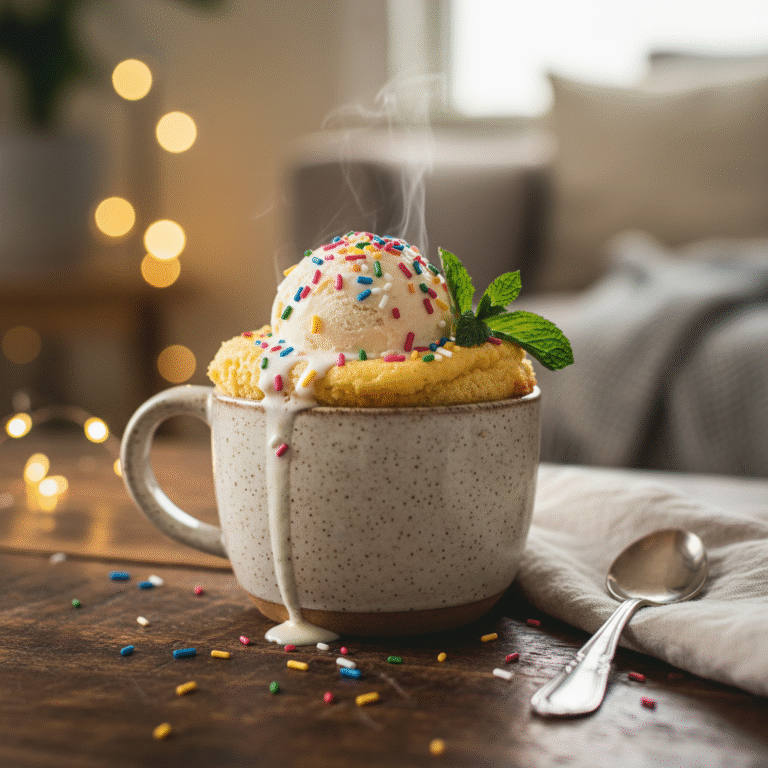
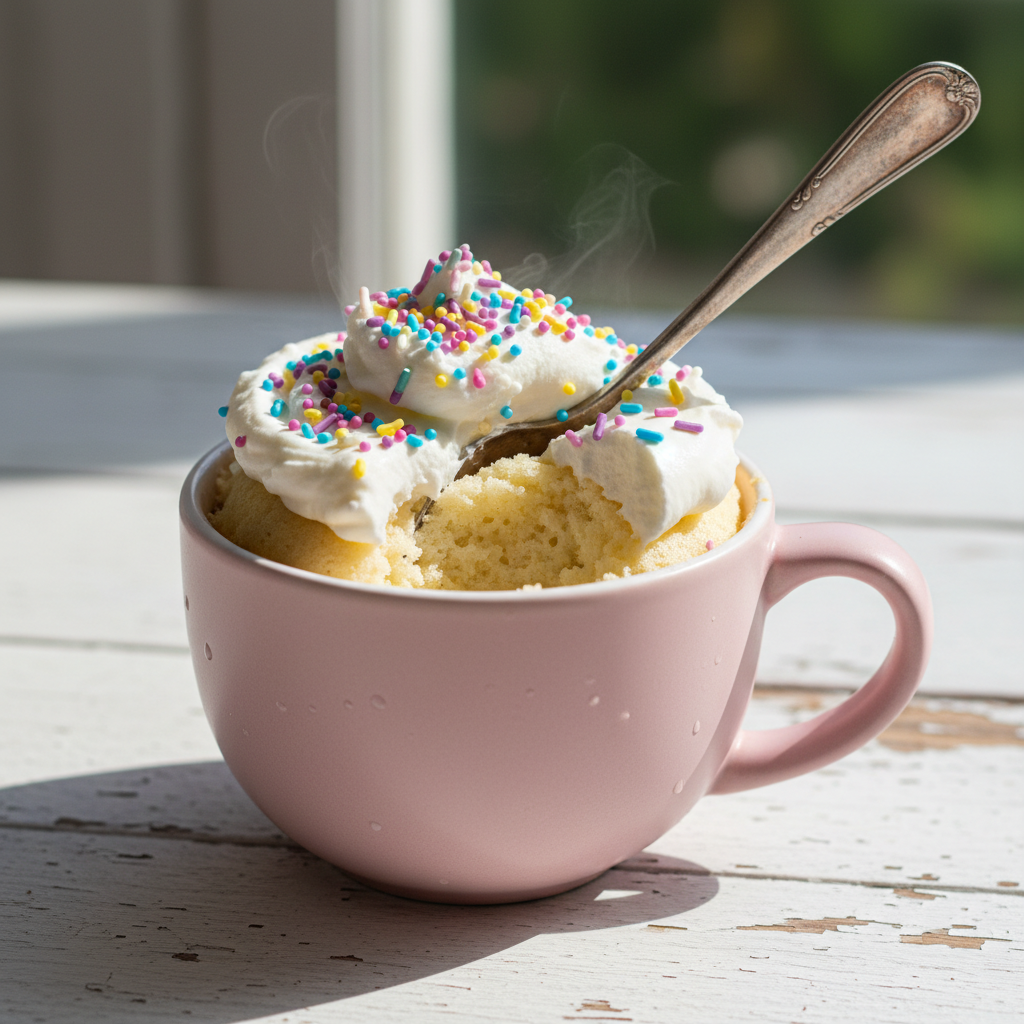
While delicious on its own, this vanilla mug cake is a blank canvas for toppings. A scoop of vanilla bean ice cream melting over the warm cake is a classic choice. Fresh berries like raspberries or sliced strawberries add a tart contrast to the sweetness. A dollop of whipped cream and a drizzle of chocolate sauce or salted caramel can turn this simple snack into a decadent dessert. For a breakfast twist, try topping it with greek yogurt and a sprinkle of granola.
Storage and Reheating Tips
Mug cakes are best enjoyed immediately after cooking. They do not store well because the microwave cooking method causes them to stale and harden rapidly once fully cooled. If you absolutely must save it, wrap the mug tightly in plastic wrap and store it at room temperature for up to 24 hours. To reheat, sprinkle a few drops of water on top and microwave for 10-15 seconds to revive the texture. Freezing is not recommended for this type of quick-bread recipe.
Nutrition Facts (Estimated)
| Serving Size | 1 mug cake |
| Calories | 380 |
| Fat | 16g |
| Saturated Fat | 2g |
| Unsaturated Fat | 14g |
| Trans Fat | 0g |
| Cholesterol | 5mg |
| Sodium | 180mg |
| Carbohydrates | 52g |
| Fiber | 1g |
| Sugar | 24g |
| Protein | 4g |
Frequently Asked Questions
Why is my mug cake rubbery?
Rubbery texture is usually caused by two things: overmixing the batter (developing too much gluten) or overcooking it in the microwave. Try mixing just until combined and reducing your cook time by 10-15 seconds.
Can I make this in an oven?
Technically yes, but it defeats the purpose of a quick mug cake. If you must, bake it in an oven-safe ramekin at 350°F (175°C) for about 12-15 minutes.
Can I double the recipe?
Do not double the recipe in a single mug, as it will not cook evenly and will overflow. You can make two separate mugs and cook them one at a time for the best results.
Can I use self-rising flour?
Yes, if you use self-rising flour, omit the baking powder and salt from the recipe.
Is this recipe vegan?
It is easily made vegan! The base recipe is egg-free and uses oil. Just ensure you use a plant-based milk like almond or oat milk.
Can I add cocoa powder to make it chocolate?
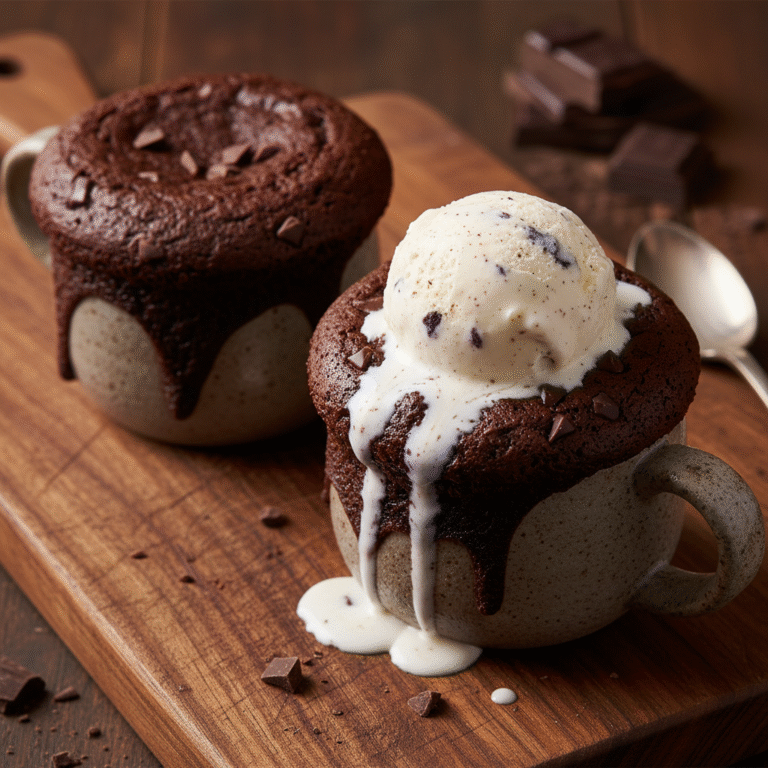
Yes, replace 1 tablespoon of flour with 1 tablespoon of unsweetened cocoa powder and add an extra teaspoon of sugar for a chocolate version.
Why did my cake sink?
Mug cakes rise rapidly and often sink slightly as they cool because they lack the structural support of eggs. However, if it collapses completely, your baking powder might be expired.
Can I use water instead of milk?
You can, but the cake will be less rich and flavorful. Milk adds fat and protein which helps the texture.
Conclusion
There you have it—the secret to a perfect, fluffy, and utterly delicious vanilla mug cake without the hassle of eggs or extensive cleanup. This recipe is a testament to the fact that good things really can come in small (and fast) packages. Whether you are treating yourself after a long day of work, making a quick snack for the kids, or just satisfying a midnight sugar craving, this mug cake is reliable, versatile, and foolproof. Keep a stash of sprinkles and vanilla extract handy, because once you try this method, you will find yourself reaching for your favorite mug a lot more often. Happy microwaving!