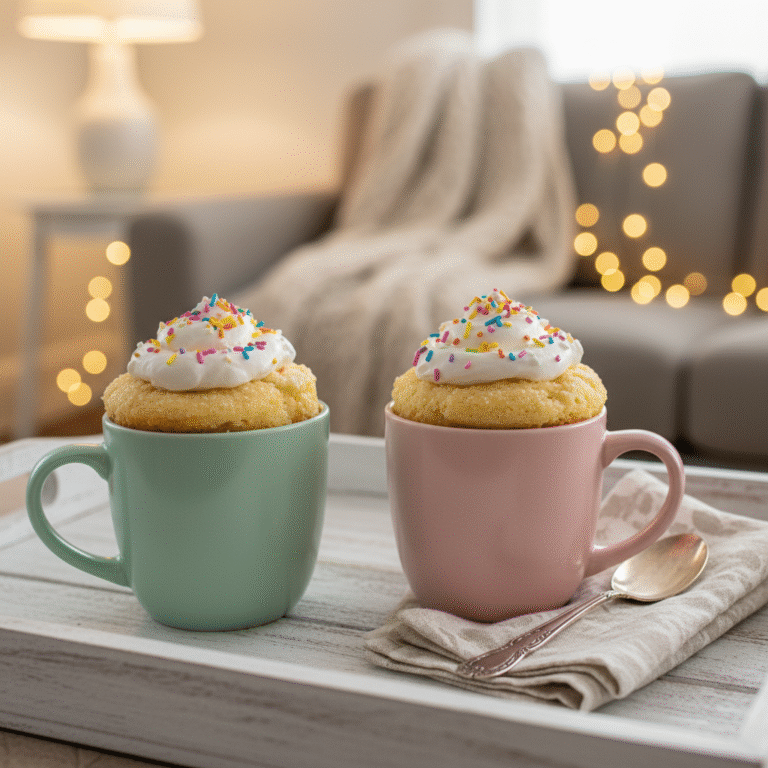

The Ultimate 90-Second Gluten-Free Vanilla Mug Cake
Quick Microwave Vanilla Mug Cake Gluten Free Version Recipe
Satisfy your sweet tooth instantly with this incredibly fluffy, gluten-free vanilla mug cake. It comes together in just one minute using simple pantry staples, offering a warm, moist, and buttery treat without the hassle of baking a whole cake.
2 minutes
1 minute 30 seconds
3 minutes 30 seconds
1 serving
Dessert
Microwave
American
Gluten-Free
We have all been there: it is 9 PM on a Tuesday, you are curled up on the couch, and suddenly, a craving hits. You do not just want something sweet; you want cake. But the idea of preheating the oven, dragging out the stand mixer, and waiting an hour for a cake to bake feels impossible. Enter the magic of the mug cake. For those living a gluten-free lifestyle, however, the stakes are higher. Often, quick gluten-free fixes result in gummy, dense, or dry textures that are far from satisfying. This Quick Microwave Vanilla Mug Cake is the game-changer you have been waiting for. It is specifically engineered to mimic the tender crumb of a traditional bakery-style vanilla cake, but it happens in your microwave in under two minutes. We have stripped away the complexity of traditional baking and focused on the chemistry of gluten-free flours to ensure a light, airy texture that actually holds up. The flavor profile is pure nostalgia: rich butter, aromatic vanilla, and just the right amount of sweetness. Whether you are a college student with limited kitchen access, a busy parent needing a quick treat, or simply someone who loves cake but hates the cleanup, this recipe is your new best friend. It is portion-controlled, mess-free, and virtually foolproof. Prepare to be amazed at how a few simple ingredients mixed in a coffee mug can transform into a warm, comforting dessert that tastes like it came straight from the oven.
History & Origins
The concept of the mug cake is a fascinating intersection of technology and culinary evolution. While cakes have been a staple of human history for centuries, dating back to ancient modifications of bread, the mug cake is a distinctly modern invention tied to the rise of the microwave oven. In 1945, Percy Spencer accidentally discovered the cooking power of microwaves, leading to the release of the first commercial microwave, the Radarange, in 1947. However, it wasn’t until the late 1970s and 1980s that microwaves became a household staple in the United States. Early microwave cookbooks attempted to adapt traditional baking recipes, often with rubbery and unappetizing results. The true ‘mug cake’ trend exploded in the late 2000s and early 2010s, fueled by the internet and the rise of food blogging and Pinterest. It promised the ultimate convenience: a single-serving cake made in the vessel you eat it from. Parallel to this was the gluten-free movement. For decades, gluten-free baking was a niche necessity for those with Celiac disease, often relying on dense bean flours or rice flours that lacked the elasticity of wheat. The last ten years have seen a revolution in gluten-free baking technology, with high-quality 1:1 flour blends becoming widely available. This recipe sits at the peak of these two histories, utilizing modern gluten-free flour blends to perfect the microwave method, turning what was once a rubbery compromise into a culinary delight.
Why This Recipe Works
Gluten-free baking in a microwave presents a unique set of challenges, primarily concerning texture and moisture retention. Traditional wheat flour relies on gluten networks to trap air and provide structure; without it, cakes can easily collapse or become dense. This recipe works because it carefully balances the ratio of fat to liquid to starch. We use a high-quality gluten-free 1:1 baking flour which typically contains xanthan gum; this acts as the binder replacing gluten. However, the secret weapon here is the specific fat-to-liquid ratio. By using melted butter rather than oil, we introduce milk solids that add flavor and a tender crumb. The addition of milk (or a dairy-free alternative) provides the necessary steam to lift the cake rapidly, as microwaves cook by exciting water molecules. Furthermore, unlike many mug cakes that use an entire egg—which can make a small portion taste like a sweetened omelet and turn rubbery—this recipe relies on baking powder for lift and the hydration of the flour for structure. This results in a cake that is soft and fluffy rather than chewy. The cooking time is also optimized; overcooking gluten-free flour leads to rapid moisture loss, so the short burst of heat ensures the cake stays moist.
Why You’ll Love This Recipe
- ✓Ready in under 2 minutes from start to finish.
- ✓Perfectly portioned for a single serving to curb cravings.
- ✓Gluten-free without compromising on texture or flavor.
- ✓Minimal cleanup required as you mix and bake in the same mug.
- ✓Highly customizable with mix-ins like sprinkles or chocolate chips.
- ✓Egg-free base prevents a rubbery or spongy texture.
Equipment You’ll Need
- ✓Microwave-safe mug (12 oz or larger)
- ✓Tablespoon measure
- ✓Teaspoon measure
- ✓Small whisk or fork
Ingredients
- ✓4 tablespoons Gluten-Free 1:1 Baking Flour (ensure it contains xanthan gum)
- ✓3 tablespoons granulated white sugar
- ✓1/2 teaspoon baking powder
- ✓Pinch of salt
- ✓4 tablespoons milk (dairy or almond/oat milk)
- ✓2 tablespoons unsalted butter, melted (or vegetable oil)
- ✓1/2 teaspoon pure vanilla extract
- ✓1 teaspoon sprinkles (optional, for ‘funfetti’ style)
Instructions
- Place the butter in your microwave-safe mug and microwave for 20-30 seconds until fully melted.
- Add the milk, vanilla extract, and sugar to the mug with the melted butter. Whisk briskly with a small fork or mini whisk until the sugar is mostly dissolved and the mixture is combined.
- Add the gluten-free flour, baking powder, and salt directly into the wet ingredients.
- Mix thoroughly, ensuring you scrape the bottom edges of the mug so no pockets of dry flour remain. The batter should be smooth. If adding sprinkles, fold them in now.
- Microwave on high power for 60 to 90 seconds. Start with 60 seconds. The cake should rise and look set on top. It may look slightly moist in the very center, which is fine as it continues to cook while cooling. If it is still liquid, add 10-15 second intervals.
- Let the mug cake sit for 1-2 minutes before eating. This is crucial as the steam inside finishes the cooking process and allows the structure to set, preventing you from burning your mouth.
- Top with whipped cream or a scoop of ice cream and enjoy immediately.
Expert Cooking Tips
- ✓Use a wide mug rather than a tall, narrow one to ensure even cooking and prevent overflow.
- ✓Do not skip the cooling time; gluten-free flours need a moment to set their structure after heating.
- ✓Check your flour blend; if it does not contain xanthan gum, add 1/8 teaspoon to prevent crumbling.
- ✓Microwave wattages vary significantly; if you have a high-wattage microwave (1000W+), reduce power to 80% or check at 60 seconds.
- ✓Mix the dry ingredients into the wet ingredients very well to avoid clumps of flour at the bottom of the mug.
Substitutions and Variations
This recipe is highly adaptable to various dietary needs beyond just being gluten-free. For a dairy-free or vegan version, replace the dairy milk with a creamy oat milk, soy milk, or almond milk, and swap the butter for melted coconut oil or a neutral vegetable oil like canola. If you are watching your sugar intake, you can substitute the granulated sugar with a granular sweetener like erythritol or monk fruit; just be aware that these may slightly alter the texture and cooling sensation. If you do not have a gluten-free 1:1 flour blend, you can try oat flour, though the texture will be denser and more rustic. Almond flour alone will not work well with this specific ratio of liquids as it is much more absorbent and lacks starch; you would need a recipe specifically designed for almond flour. For a different flavor profile, swap the vanilla extract for almond extract or lemon extract.
Common Mistakes to Avoid
The most common mistake with mug cakes is overcooking them. Because microwaves cook unevenly and quickly, a difference of 15 seconds can turn a fluffy cake into a rubbery hockey puck. Always err on the side of undercooking, as the residual heat will finish the job. Another frequent error is using a mug that is too small. The batter rises significantly due to the baking powder; a standard 8oz coffee cup often leads to a messy overflow. Always use a mug that holds at least 12-14 ounces. Finally, inaccurate measuring is a culprit for failure. Packing the flour into the tablespoon will lead to a dry cake. Spoon the flour into the measuring spoon and level it off for the best results.
Serving Suggestions
While delicious on its own, this vanilla mug cake serves as a perfect canvas for toppings. For a classic approach, a dollop of whipped cream and fresh berries (strawberries or raspberries) adds freshness to cut the sweetness. If you are feeling indulgent, a scoop of vanilla bean ice cream melting over the hot cake creates a wonderful temperature contrast. You can also drizzle caramel sauce, hot fudge, or even a spoonful of nut butter over the top. For a breakfast twist, try topping it with greek yogurt and a sprinkle of granola.
Storage and Reheating Tips
Mug cakes are best enjoyed immediately after making them. The texture of microwave-baked goods tends to degrade quickly, becoming hard or chewy as they cool completely and sit. However, if you absolutely must save it, cover the top of the mug tightly with plastic wrap to trap moisture and store it at room temperature for up to one day. To eat, you must reheat it in the microwave for 10-15 seconds to soften the crumb again. Do not refrigerate, as this will dry out the gluten-free flour rapidly.
Nutrition Facts (Estimated)
| Serving Size | 1 mug cake |
| Calories | 380 |
| Fat | 16g |
| Saturated Fat | 10g |
| Unsaturated Fat | 5g |
| Trans Fat | 0g |
| Cholesterol | 40mg |
| Sodium | 210mg |
| Carbohydrates | 56g |
| Fiber | 2g |
| Sugar | 24g |
| Protein | 4g |
Frequently Asked Questions
Can I make this without a microwave?
Technically yes, you can bake it in an oven-safe ramekin at 350°F (175°C) for about 12-15 minutes, but the texture will be different, and it defeats the purpose of a ‘quick’ mug cake.
Why is my mug cake rubbery?
Rubbery texture usually comes from overcooking or over-mixing. Gluten-free flour can get gummy if worked too much or cooked too long. Try reducing the cook time by 15 seconds next time.
Can I double the recipe?
It is not recommended to double the recipe in a single mug as it will likely overflow and cook unevenly. It is better to make two separate mugs.
Do I need to add an egg?
No, and please don’t! For this small amount of batter, a whole egg is too much liquid and protein, resulting in a sponge-like, eggy texture. The baking powder provides enough lift.
Can I use coconut flour?
No, coconut flour is extremely absorbent. You cannot substitute it 1:1 for the gluten-free flour blend in this recipe without completely changing the liquid ratios.
Is baking powder gluten-free?
Most baking powder is gluten-free, using cornstarch as the anti-caking agent, but always check the label to be safe if you have severe Celiac disease.
Why did my cake sink?
Mug cakes often deflate slightly when removed from the heat; this is normal. However, if it collapses completely, it might have been undercooked or the baking powder was expired.
Can I add chocolate chips?
Absolutely. Add about 1 tablespoon of chocolate chips, nuts, or dried fruit after mixing the batter.
What if I don’t have vanilla extract?
You can omit it, or use maple syrup instead of sugar to add flavor, though vanilla really helps round out the taste.
Can I use water instead of milk?
You can, but the cake will be less rich and slightly less tender. Milk (dairy or plant-based) adds fat and protein that improves the texture.
Conclusion
This Quick Microwave Vanilla Mug Cake proves that living a gluten-free lifestyle does not mean you have to miss out on life’s simple, spontaneous pleasures. With just a handful of ingredients and a couple of minutes, you can create a warm, fluffy, and delicious dessert that rivals any oven-baked treat. It is the ultimate solution for late-night cravings, dorm room cooking, or simply treating yourself after a long day. Keep a bag of gluten-free flour in your pantry, and you are never more than five minutes away from a slice of happiness. Happy cooking!