The Ultimate Moist Vegan Vanilla Cake With Whipped Coconut Cream Frosting
Moist Vegan Vanilla Cake With Coconut Cream Frosting Recipe
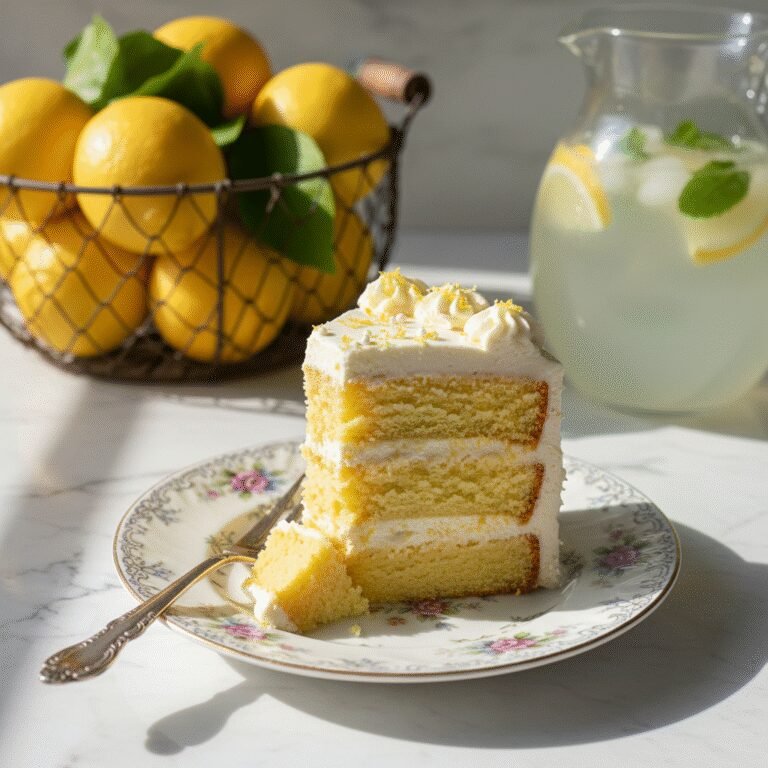
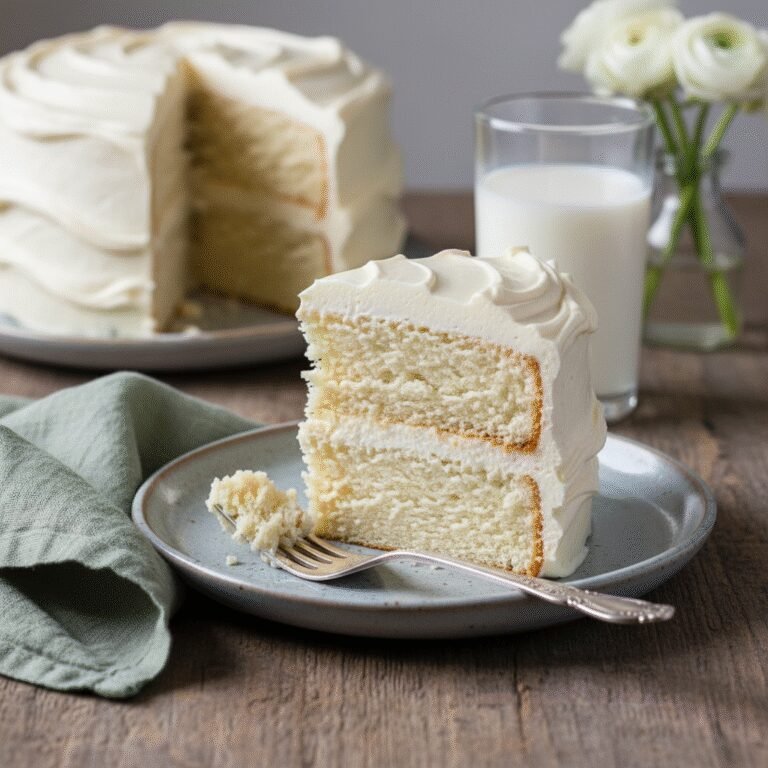
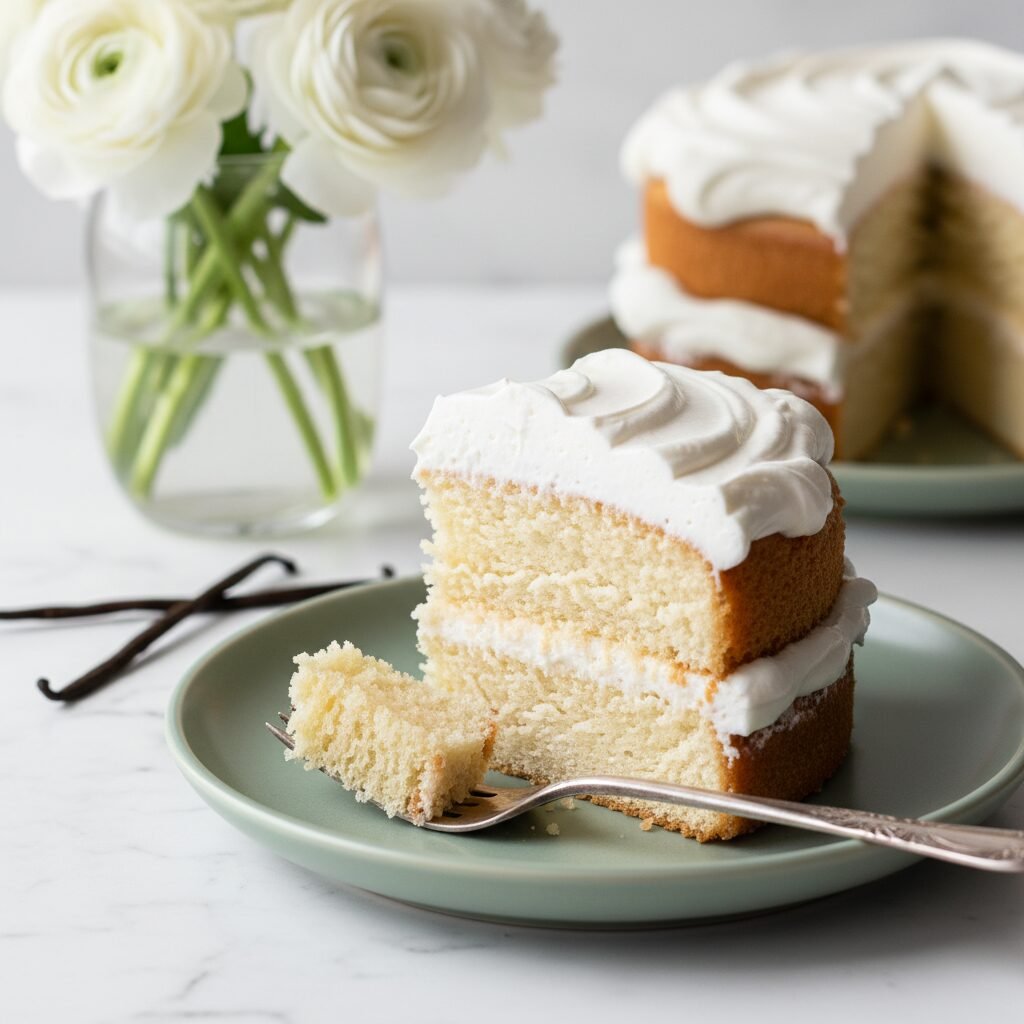
Forget everything you know about dry, dense dairy-free desserts; this Moist Vegan Vanilla Cake is a game-changer. Featuring a tender, velvety crumb and topped with a cloud-like whipped coconut cream frosting, this recipe rivals any traditional bakery classic. It is the perfect centerpiece for birthdays, weddings, or just a cozy weekend treat.
30 minutes
35 minutes
1 hour 5 minutes (plus cooling time)
12 servings (two 8-inch rounds)
Dessert
Baking
American
Vegan
There is something undeniably nostalgic about a classic vanilla cake. It is the flavor of childhood birthdays, summer picnics, and celebrations that linger in our memories. However, for those of us navigating the world of plant-based baking, finding a vegan vanilla cake that lives up to the memory can be a daunting task. Too often, we are met with dense, rubbery textures or crumbly, dry sponges that rely too heavily on unusual flour blends. That ends today. After countless rounds of testing, tweaking ratios, and experimenting with mixing methods, I am thrilled to share what I truly believe is the best moist vegan vanilla cake recipe you will ever bake.
This cake is a celebration of simplicity and science. We strip away the eggs and butter but keep the indulgence. The secret lies in creating a delicate balance of fat, sugar, and acidity to replicate the structure and lift usually provided by eggs. The result is a crumb that is incredibly soft, light, and buttery—without a drop of dairy. But a cake is only as good as its frosting, and that is where the coconut cream comes in. Instead of a heavy, sugary buttercream, we use chilled, full-fat coconut cream whipped into a frenzy of airy perfection. It is lightly sweet, subtly tropical, and provides a refreshing contrast to the rich vanilla sponge. Whether you are a seasoned vegan baker or just looking to impress a crowd with dietary restrictions, this cake is guaranteed to steal the show. Get your apron on, because we are about to make magic happen in the kitchen.
History & Origins
The history of vegan baking is a fascinating journey that parallels the evolution of food scarcity, cultural shifts, and modern dietary awareness. While the term ‘vegan’ was coined in 1944 by Donald Watson, egg-free and dairy-free cakes have existed long before the movement gained mainstream traction. During the Great Depression and World War II, rationing of butter, milk, and eggs forced home bakers to get creative. This era gave birth to the ‘Wacky Cake’ or ‘Depression Cake,’ a chocolate sponge that relied on vinegar and baking soda for leavening rather than eggs. It was an accidental vegan masterpiece born out of necessity.
However, vanilla cakes proved more challenging than their chocolate counterparts. Cocoa powder masks many flavors and contributes to texture, whereas vanilla cake has nowhere to hide; the flavor of the fat and the texture of the crumb are front and center. For decades, vegan vanilla cakes were relegated to the back shelves of health food stores, often dense and tasting overwhelmingly of whole wheat or soy. The culinary renaissance of the 2010s changed everything. As the plant-based movement exploded, food scientists and bloggers began experimenting with aquafaba, flaxseeds, and chemical leavening reactions to mimic the protein structures of eggs. This recipe stands on the shoulders of those innovations, moving away from the ‘health food’ aesthetic of the 70s and embracing the ‘indulgent classic’ vibe of modern patisserie. It represents a shift in culinary history where dietary restrictions no longer mean a compromise on taste or texture.
Why This Recipe Works
This recipe succeeds where many others fail due to a specific chemical interaction and the choice of fat. First, we create a ‘vegan buttermilk’ by combining soy milk with apple cider vinegar. The acid in the vinegar curdles the soy protein, thickening the liquid and adding a tang that mimics traditional buttermilk. More importantly, when this acidic mixture hits the baking soda, it creates a robust release of carbon dioxide gas. This reaction is crucial for lift and fluffiness, compensating for the lack of eggs which usually provide structure and aeration.
Secondly, we use oil instead of vegan butter for the cake batter. While butter contains water which evaporates during baking, oil is 100% fat. This means it coats the flour proteins more effectively, preventing gluten over-development (which causes toughness) and ensuring the cake stays moist for days. Butter-based cakes tend to dry out once they return to room temperature, but oil-based cakes remain tender. Finally, the coconut cream frosting works because of temperature control. By using only the solid cream from a chilled can of full-fat coconut milk, we get a high fat content that whips up similarly to heavy dairy cream. It holds its shape beautifully when kept cool, offering a luscious mouthfeel that shortening-based frostings simply cannot match.
Why You’ll Love This Recipe
- ✓Incredibly moist and tender crumb that stays soft for days.
- ✓100% Vegan, Dairy-Free, and Egg-Free.
- ✓Whipped coconut cream frosting is lighter and less cloying than buttercream.
- ✓Simple pantry ingredients—no hard-to-find egg replacers needed.
- ✓Perfect for layer cakes, cupcakes, or sheet cakes.
- ✓Kid-friendly and indistinguishable from traditional dairy cakes.
Equipment You’ll Need
- ✓Two 8-inch round cake pans
- ✓Parchment paper
- ✓Large mixing bowl
- ✓Medium mixing bowl
- ✓Whisk
- ✓Electric hand mixer or stand mixer
- ✓Rubber spatula
- ✓Wire cooling rack
- ✓Measuring cups and spoons
Ingredients
- ✓2 ½ cups All-Purpose Flour (spooned and leveled)
- ✓1 ½ cups Granulated Sugar
- ✓1 ½ tsp Baking Powder
- ✓1 ½ tsp Baking Soda
- ✓1 tsp Sea Salt
- ✓1 ½ cups Unsweetened Soy Milk (or Almond Milk)
- ✓1 tbsp Apple Cider Vinegar
- ✓½ cup Neutral Oil (Canola, Grapeseed, or Vegetable)
- ✓1 tbsp Pure Vanilla Extract
- ✓1/3 cup Unsweetened Applesauce (room temperature)
- ✓2 cans (14oz each) Full-Fat Coconut Milk (refrigerated overnight)
- ✓½ cup Powdered Sugar (sifted)
- ✓1 tsp Vanilla Bean Paste (or extract)
Instructions
- Preheat your oven to 350°F (175°C). Grease two 8-inch round cake pans with oil and line the bottoms with parchment paper to ensure easy release.
- In a medium bowl or measuring jug, combine the soy milk and apple cider vinegar. Whisk gently and set aside for 5-10 minutes to curdle into vegan buttermilk.
- In a large mixing bowl, sift together the flour, sugar, baking powder, baking soda, and salt. Whisk well to ensure the leavening agents are evenly distributed.
- Add the oil, vanilla extract, and applesauce to the curdled milk mixture. Whisk until the wet ingredients are fully combined.
- Pour the wet ingredients into the dry ingredients. Using a whisk or hand mixer on low speed, mix until just combined and no large lumps of flour remain. Be careful not to overmix, or the cake will be dense.
- Divide the batter evenly between the two prepared cake pans. Tap the pans gently on the counter to release any large air bubbles.
- Bake in the center of the oven for 30-35 minutes, or until a toothpick inserted into the center comes out clean or with just a few moist crumbs.
- Remove from the oven and let the cakes cool in the pans for 15 minutes. Then, carefully invert them onto a wire rack to cool completely before frosting. They must be cool to the touch.
- While the cakes cool, prepare the frosting. Remove the coconut milk cans from the fridge without shaking them. Open the cans and scoop out only the hardened coconut cream at the top into a chilled mixing bowl. Discard the liquid water or save it for smoothies.
- Using an electric mixer, whip the coconut cream on high speed for 2-3 minutes until creamy and fluffy.
- Add the sifted powdered sugar and vanilla bean paste. Whip for another 1-2 minutes until smooth and stiff peaks form. If it gets too soft, refrigerate for 20 minutes.
- Once the cakes are completely cool, frost the top of one layer, stack the second layer, and cover the top and sides with the remaining coconut whip. Garnish with fresh berries or toasted coconut flakes if desired.
Expert Cooking Tips
- ✓Measure flour correctly: Do not scoop the flour directly with the measuring cup. Spoon it into the cup and level it off with a knife to avoid a dense cake.
- ✓Room temperature ingredients: Ensure your applesauce is at room temperature to prevent the oil from seizing up during mixing.
- ✓Don’t skimp on the chill: The coconut milk cans must be refrigerated for at least 12 hours (overnight is best) to separate the cream from the water effectively.
- ✓Avoid overmixing: Once the wet and dry ingredients meet, mix only until combined. Overworking the gluten will result in a rubbery texture.
- ✓Cool completely: Vegan cakes can be more fragile when warm. Let them cool fully before frosting to prevent sliding layers.
- ✓Vinegar is key: Do not omit the vinegar; it reacts with the baking soda to provide the lift. You won’t taste it in the final product.
Substitutions and Variations
If you have dietary restrictions or missing ingredients, there are several substitutions you can make, though the original recipe yields the best results. For the flour, you can use a high-quality 1:1 Gluten-Free Baking Flour blend (like Bob’s Red Mill) to make this cake gluten-free; just ensure it contains xanthan gum. If you don’t have soy milk, almond milk or oat milk work well, though soy has the highest protein content for the best curdling effect. The neutral oil can be swapped for melted coconut oil, but be aware that coconut oil solidifies when cool, which might make the cake slightly firmer. For the sugar, cane sugar is standard, but coconut sugar can be used for a caramel-like flavor, though it will darken the color of the sponge significantly. If you cannot find full-fat coconut milk for the frosting, a store-bought vegan butter and powdered sugar buttercream is a sturdy alternative.
Common Mistakes to Avoid
The most common mistake with this recipe is rushing the cooling process. Because this cake relies on oil and plant structure, it sets as it cools. Frosting a warm cake will cause the coconut cream (which is temperature-sensitive) to melt immediately, resulting in a sliding disaster. Another frequent error is using ‘lite’ coconut milk or coconut milk from a carton for the frosting; these do not have enough fat content to whip up and will remain liquid. Ensure you are buying canned, full-fat coconut milk or coconut cream. Lastly, opening the oven door too early can cause the cakes to sink in the middle. Resist the urge to check on them until at least the 25-minute mark.
Serving Suggestions
This cake is a stunning centerpiece on its own, but it pairs beautifully with fresh fruit. Top the coconut cream frosting with fresh strawberries, raspberries, or mango slices to cut through the richness. For a birthday celebration, vegan sprinkles add a festive touch. If you want to elevate the dessert, serve a slice alongside a scoop of dairy-free vanilla bean ice cream or a drizzle of warm vegan caramel sauce. It is best served slightly chilled or at room temperature, accompanied by a hot cup of coffee or Earl Grey tea.
Storage and Reheating Tips
Because of the coconut cream frosting, this cake needs to be stored in the refrigerator. Place it in an airtight cake carrier or cover it gently with plastic wrap (use toothpicks to keep the wrap off the frosting). It will stay fresh for up to 5 days in the fridge. The cold will make the cake slightly denser, so I recommend letting a slice sit at room temperature for 15-20 minutes before eating for the best texture. You can also freeze unfrosted cake layers. Wrap them tightly in plastic wrap and then foil; they will keep in the freezer for up to 3 months. Thaw in the fridge overnight before frosting.
Nutrition Facts (Estimated)
| Serving Size | 1 slice |
| Calories | 420 |
| Fat | 22g |
| Saturated Fat | 14g |
| Unsaturated Fat | 8g |
| Trans Fat | 0g |
| Cholesterol | 0mg |
| Sodium | 210mg |
| Carbohydrates | 52g |
| Fiber | 2g |
| Sugar | 28g |
| Protein | 4g |
Frequently Asked Questions
Can I make this recipe into cupcakes?
Yes, absolutely! This batter works perfectly for cupcakes. Line a muffin tin with liners and fill them 2/3 full. Reduce the baking time to 18-22 minutes. This recipe yields approximately 24 cupcakes.
My coconut cream didn’t whip. What went wrong?
This usually happens if the can wasn’t cold enough or if the brand of coconut milk contains guar gum or other stabilizers that prevent separation. Ensure the can is chilled for 24 hours and try to use a brand with minimal additives.
Can I use cake flour instead of all-purpose flour?
Yes, you can use cake flour for an even lighter, airier crumb. If using cake flour, add an extra 2 tablespoons to the total amount to account for the difference in protein density.
Why did my cake sink in the middle?
Sinking usually indicates the cake was underbaked or the oven door was opened too early, causing a sudden temperature drop. It can also happen if there was too much leavening agent (baking soda/powder) used.
Is this cake freezer-friendly?
The cake layers freeze very well. However, I do not recommend freezing the cake once it is frosted with coconut cream, as the texture of the whipped cream can change and become grainy upon thawing.
Can I reduce the sugar in this recipe?
Sugar provides moisture and structure, not just sweetness. You can reduce it by about 1/4 cup without disastrous results, but reducing it further may lead to a denser, bread-like texture.
What can I use instead of applesauce?
If you don’t have applesauce, you can substitute it with plain vegan yogurt (soy or coconut based) or a mashed ripe banana (though banana will impart flavor).
Does this cake taste like coconut?
The cake sponge itself does not taste like coconut as it uses neutral oil. However, the frosting has a distinct coconut flavor. If you dislike coconut, I recommend using a vegan butter-based frosting instead.
Conclusion
Mastering a vegan vanilla cake is a milestone for any plant-based baker, and I am confident this recipe will become your new go-to standard. It defies the stereotypes of dry, flavorless vegan desserts and delivers a mouthful of pure joy. The combination of the tender, moist sponge and the luscious, melting texture of the coconut cream is truly a match made in heaven. Whether you are baking for a mixed crowd of vegans and omnivores or just treating yourself, this cake promises to deliver smiles all around. Don’t forget to tag me on Pinterest or Instagram if you make it—I love seeing your beautiful creations!