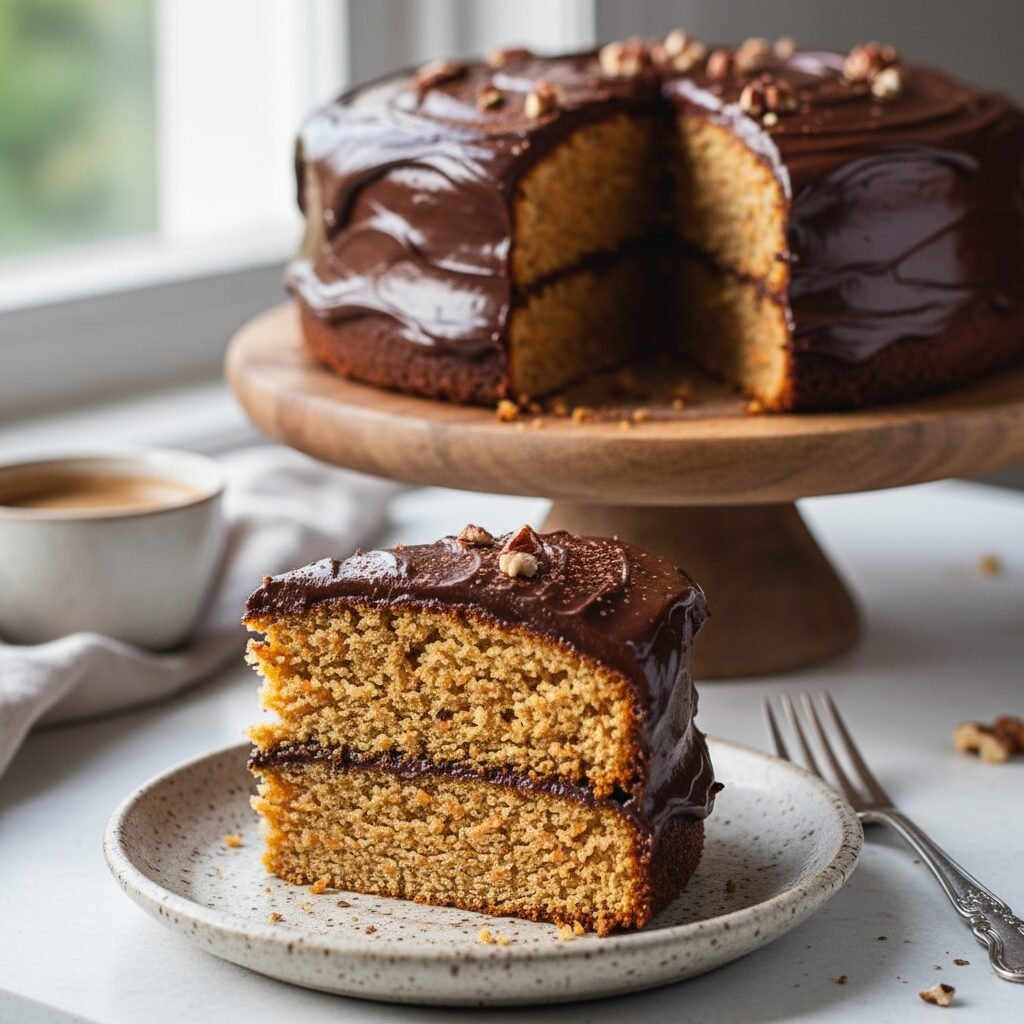
The Ultimate Moist Vegan Carrot Cake with Rich Vegan Chocolate Frosting
Moist Vegan Carrot Cake With Vegan Chocolate Frosting Recipe
Discover the perfect marriage of spiced, tender crumb and decadent cocoa in this Ultimate Moist Vegan Carrot Cake. Topped with a velvety vegan chocolate buttercream, this recipe defies expectations and proves that plant-based baking can be even more luscious than the traditional version.
25 minutes
35 minutes
1 hour 30 minutes (includes cooling)
12 servings
Dessert
Baking
American
Vegan
If you have ever held the misconception that vegan cakes are destined to be dry, dense, or lacking in flavor, this Moist Vegan Carrot Cake with Vegan Chocolate Frosting is here to shatter those myths entirely. We are talking about a cake so incredibly tender, so deeply spiced, and so perfectly moist that it rivals any dairy-laden counterpart found in a high-end bakery. The magic lies in the balance of ingredients; the natural sweetness and moisture from the freshly grated carrots combine with the richness of plant-based fats to create a crumb that is soft yet sturdy enough to hold up to a generous layer of frosting.
While traditional carrot cake is almost exclusively paired with cream cheese frosting, we are taking a bold, sophisticated detour with a rich vegan chocolate frosting. The earthiness of the carrots and the warmth of cinnamon, nutmeg, and ginger find a surprising soulmate in the deep, complex notes of cocoa. It is a flavor combination that feels nostalgic yet excitingly new. This cake is not just a dessert; it is a comfort food experience, perfect for autumn gatherings, birthday celebrations, or simply those Tuesday nights when you need a slice of something homemade and heartwarming. Whether you are a committed vegan or just looking to reduce dairy without sacrificing indulgence, this recipe is a testament to the power of plant-based baking done right.
History & Origins
The history of carrot cake is a fascinating journey that dates back much further than the trendy cafes of the 1970s. Historians believe its origins can be traced to the Middle Ages in Europe, specifically evolving from carrot pudding. During times when sugar was scarce and prohibitively expensive, carrots—which contain more natural sugar than almost any other vegetable besides sugar beets—were used as a primary sweetener in desserts. These early puddings were steamed and heavy, a far cry from the airy cakes we enjoy today, but they laid the culinary groundwork for the flavor profile we know and love.
Fast forward to World War II, and carrot cake saw a resurgence in popularity, particularly in the United Kingdom, due to rationing. Government propaganda promoted the use of carrots to sweeten cakes and biscuits when sugar was strictly limited. However, the modern carrot cake, typically leavened with baking soda and enriched with oil, gained massive traction in the United States during the 1960s and 70s, becoming a staple of the health food movement. It was during this era that the now-ubiquitous cream cheese frosting became the standard pairing.
This particular recipe represents the next evolution in that historical timeline: the rise of vegan baking. By replacing eggs and dairy, we are returning to the roots of resourcefulness that birthed the original carrot puddings, but using modern food science to ensure a luxurious texture. Furthermore, swapping the tangy cream cheese for chocolate nods to European tortes where nuts, vegetables (like zucchini or beets), and chocolate often mingle, creating a fusion of American tradition and global flavor sensibilities.
Why This Recipe Works
This recipe succeeds where many vegan cakes fail because it relies on the chemistry of emulsification and acid-base reactions rather than eggs for structure. The combination of non-dairy milk and apple cider vinegar creates a ‘vegan buttermilk’ that tenderizes the gluten strands in the flour, ensuring a soft crumb. When the baking soda hits this acidic mixture, it creates carbon dioxide bubbles, providing a robust lift that prevents the cake from becoming dense or gummy—a common pitfall in egg-free baking.
Furthermore, the moisture content is meticulously calculated. We use a blend of brown and white sugars; the molasses in the brown sugar is hygroscopic, meaning it attracts and retains moisture from the air, keeping the cake soft for days. The use of oil instead of vegan butter in the cake batter is intentional. Oil remains liquid at room temperature, whereas butter solidifies; this means an oil-based cake feels moister on the palate. Finally, the chocolate frosting works because cocoa powder is naturally acidic and bitter, which cuts through the sweetness of the cake and complements the warm spices (cinnamon and nutmeg) perfectly, creating a balanced bite that isn’t cloyingly sweet.
Why You’ll Love This Recipe
- ✓Incredibly moist texture that stays soft for days.
- ✓Rich, fudge-like vegan chocolate frosting that pipes perfectly.
- ✓Loaded with warm spices like cinnamon, nutmeg, and ginger.
- ✓100% dairy-free and egg-free without sacrificing flavor.
- ✓Easy to make with standard pantry staples.
- ✓A unique twist on the classic cream cheese pairing.
Equipment You’ll Need
- ✓Two 8-inch round cake pans
- ✓Large mixing bowl
- ✓Medium mixing bowl
- ✓Whisk
- ✓Rubber spatula
- ✓Box grater or food processor
- ✓Electric hand mixer or stand mixer
- ✓Wire cooling rack
- ✓Offset spatula
Ingredients
- ✓2 1/2 cups all-purpose flour
- ✓2 teaspoons baking soda
- ✓1 teaspoon baking powder
- ✓1/2 teaspoon salt
- ✓2 teaspoons ground cinnamon
- ✓1/2 teaspoon ground nutmeg
- ✓1/2 teaspoon ground ginger
- ✓1 1/4 cups unsweetened soy or almond milk
- ✓1 tablespoon apple cider vinegar
- ✓1 cup granulated sugar
- ✓1/2 cup light brown sugar, packed
- ✓2/3 cup neutral oil (canola, vegetable, or grapeseed)
- ✓1 teaspoon pure vanilla extract
- ✓3 cups freshly grated carrots (approx. 4-5 medium carrots)
- ✓1/2 cup chopped walnuts or pecans (optional)
- ✓1 cup vegan butter sticks, slightly softened (for frosting)
- ✓3 cups powdered sugar (for frosting)
- ✓3/4 cup unsweetened cocoa powder (for frosting)
- ✓1 teaspoon vanilla extract (for frosting)
- ✓2-3 tablespoons non-dairy milk (for frosting)
Instructions
- Preheat your oven to 350°F (175°C). Grease two 8-inch round cake pans with oil and line the bottoms with parchment paper to prevent sticking.
- In a small bowl or measuring cup, combine the 1 1/4 cups of non-dairy milk with the 1 tablespoon of apple cider vinegar. Stir gently and set aside for 5-10 minutes to curdle into vegan buttermilk.
- In a large mixing bowl, sift together the flour, baking soda, baking powder, salt, cinnamon, nutmeg, and ginger. Whisk well to ensure the spices and leavening agents are evenly distributed.
- In a separate medium bowl, whisk together the granulated sugar, brown sugar, neutral oil, and vanilla extract until combined. The mixture will look like wet sand.
- Pour the curdled milk mixture into the sugar and oil mixture, whisking until smooth and fully incorporated.
- Pour the wet ingredients into the bowl with the dry ingredients. Using a rubber spatula, mix gently until just combined and no large streaks of flour remain. Do not overmix.
- Fold in the grated carrots and chopped nuts (if using) until evenly distributed throughout the batter.
- Divide the batter evenly between the two prepared cake pans. Tap the pans gently on the counter to release any large air bubbles.
- Bake for 30-35 minutes, or until a toothpick inserted into the center comes out clean or with just a few moist crumbs attached.
- Remove the cakes from the oven and let them cool in the pans for 15 minutes. Then, carefully invert them onto a wire cooling rack to cool completely before frosting.
- To make the frosting: In a large bowl using a hand mixer or stand mixer, beat the vegan butter until creamy and pale (about 2-3 minutes).
- Sift in the cocoa powder and half of the powdered sugar. Mix on low speed until incorporated. Add the remaining powdered sugar, vanilla, and 1 tablespoon of non-dairy milk.
- Beat on high speed for 3-4 minutes until the frosting is fluffy and smooth. If it is too stiff, add more milk one teaspoon at a time. If too soft, add more powdered sugar.
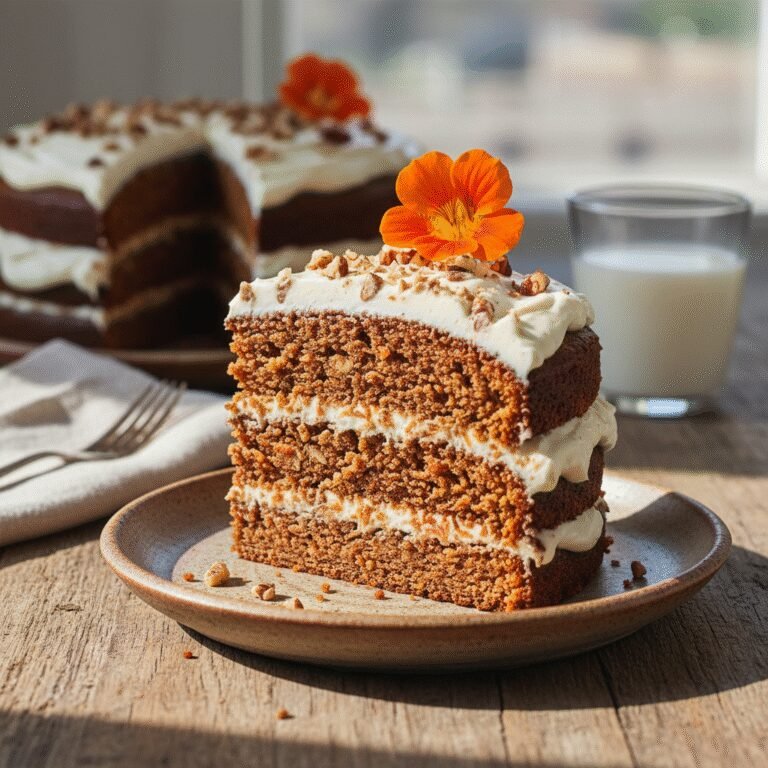
- Once the cakes are completely cool, place one layer on a serving plate. Spread a generous layer of chocolate frosting over the top. Place the second cake layer on top and frost the top and sides of the entire cake.
- Garnish with extra chopped nuts or carrot curls if desired. Slice and serve.
Expert Cooking Tips
- ✓Always grate your carrots fresh at home. Pre-shredded bagged carrots are often dry and hard, which will negatively affect the moisture and texture of your cake.
- ✓Ensure your non-dairy milk and vegan butter are at room temperature before starting; this prevents the batter from seizing and ensures a smooth emulsion.
- ✓Do not overmix the batter once the wet and dry ingredients are combined. Overmixing develops gluten, which can result in a tough, rubbery cake.
- ✓Weigh your flour using a kitchen scale if possible (approx. 120g per cup). If using cups, spoon the flour into the cup and level it off rather than scooping directly, which packs too much flour.
- ✓Let the cake cool completely before frosting. Vegan buttercream is heat-sensitive and will melt right off a warm cake.
- ✓If your frosting is too soft to pipe, place the bowl in the refrigerator for 10-15 minutes to firm up before decorating.
- ✓Toast your walnuts or pecans before adding them to the batter for a deeper, nuttier flavor and a better crunch.
Substitutions and Variations
This recipe is quite versatile if you need to make adjustments based on dietary needs or pantry availability. For a gluten-free version, substitute the all-purpose flour with a high-quality 1:1 gluten-free baking flour blend that contains xanthan gum; the texture will be slightly different but still delicious. If you are avoiding refined sugars, you can use coconut sugar in place of the brown and granulated sugars, though the cake will have a darker color and a more caramel-like flavor. For a nut-free version, simply omit the walnuts or pecans; you could replace them with raisins or golden sultanas if you enjoy dried fruit in your carrot cake. If you don’t have apple cider vinegar, white vinegar or fresh lemon juice works perfectly as a substitute to create the buttermilk. Regarding the oil, melted coconut oil can be used, but ensure all other ingredients are room temperature so it doesn’t solidify upon contact. Finally, for the frosting, if you prefer a classic flavor profile, you can omit the cocoa powder and use a vegan cream cheese alternative instead of the vegan butter for a traditional tang.
Common Mistakes to Avoid
The most common mistake with vegan carrot cake is over-baking. Because this cake relies on moisture for its structure, leaving it in the oven too long will dry it out significantly. Trust the toothpick test and remember the cake continues to cook slightly as it cools in the pan. Another frequent error is using the wrong type of carrots; avoid baby carrots or old, limp carrots. You want firm, fresh carrots for the best moisture content. In terms of the frosting, a common pitfall is not sifting the cocoa powder and powdered sugar. Vegan butter can sometimes be softer than dairy butter, so lumps of sugar or cocoa are harder to beat out later; always sift to ensure a silky smooth finish. Lastly, rushing the cooling process is a disaster for assembly. If the layers are even slightly warm, the heavy top layer can cause the bottom layer to crack, or the frosting will slide off, resulting in a messy presentation.
Serving Suggestions
This cake is rich and decadent, so it pairs beautifully with beverages that can cut through the sweetness. Serve a slice alongside a hot cup of black coffee, an espresso, or a strong Earl Grey tea. For a cozy evening treat, a glass of cold oat milk or almond milk is a classic accompaniment. If you are serving this for a dinner party, consider plating each slice with a dollop of unsweetened coconut whipped cream or a few fresh berries (raspberries or strawberries) to add a tart contrast to the chocolate and spice. It also looks stunning served on a rustic wooden board or a white ceramic platter to let the dark frosting contrast against the plate.
Storage and Reheating Tips
Because this cake contains fresh vegetables and a high moisture content, it is best stored in the refrigerator, especially if your kitchen is warm. Place the cake in an airtight cake carrier or wrap slices individually in plastic wrap to prevent them from absorbing fridge odors. It will keep fresh in the refrigerator for up to 5-6 days. If you prefer eating it at room temperature, simply take a slice out 30 minutes before serving to let the frosting soften and the crumb relax. This cake also freezes exceptionally well. You can freeze the unfrosted layers for up to a month, wrapped tightly in plastic wrap and foil. Alternatively, freeze individual frosted slices on a baking sheet until solid, then wrap them tightly; thaw in the fridge overnight before eating.
Nutrition Facts (Estimated)
| Serving Size | 1 slice |
| Calories | 480 |
| Fat | 24g |
| Saturated Fat | 6g |
| Unsaturated Fat | 16g |
| Trans Fat | 0g |
| Cholesterol | 0mg |
| Sodium | 280mg |
| Carbohydrates | 62g |
| Fiber | 4g |
| Sugar | 32g |
| Protein | 5g |
Frequently Asked Questions
Can I make this cake gluten-free?
Yes, absolutely. Simply swap the all-purpose flour for a reputable 1:1 gluten-free all-purpose baking flour blend. Ensure the blend contains xanthan gum, which helps mimic the structure of gluten.
Why do I need to use vinegar in a cake recipe?
Vinegar is crucial in vegan baking. It reacts with the baking soda to create carbon dioxide bubbles, which lifts the cake and makes it fluffy. Without eggs, this reaction is the primary leavening source.
Can I use olive oil instead of vegetable oil?
You can, but olive oil has a strong flavor that might clash with the chocolate and spices. If you use olive oil, choose a ‘light’ or ‘mild’ variety rather than extra virgin.
Can I make this into cupcakes instead of a layer cake?
Yes! This batter makes excellent cupcakes. Line a muffin tin with liners and fill them 2/3 full. Bake for 18-22 minutes at 350°F. It should yield about 20-24 cupcakes.
Why did my carrots sink to the bottom?
This usually happens if the batter is too thin or the carrot pieces are too large. Make sure to grate the carrots on the standard setting of a box grater, not the large slicing setting, and ensure your batter isn’t too runny.
Can I reduce the sugar in this recipe?
You can reduce the sugar by about 15-20% without ruining the structure, but keep in mind that sugar provides moisture as well as sweetness. Reducing it too much may result in a drier, tougher cake.
My frosting is too runny, what do I do?
If your kitchen is warm, the vegan butter might be melting. Add more powdered sugar, 1/4 cup at a time, or place the bowl in the fridge for 20 minutes to firm up the fats before whipping again.
Can I add other mix-ins besides walnuts?
Definitely. Raisins, dried cranberries, shredded coconut, or even vegan chocolate chips are great additions. Just keep the total volume of mix-ins to about 3/4 cup to avoid weighing down the batter.
How finely should I grate the carrots?
Use the medium holes on a box grater. If you grate them too finely (like a puree), they will release too much water and make the cake gummy. If too thick, they won’t cook through.
Is this cake suitable for people with nut allergies?
The cake base is nut-free if you omit the walnuts and use soy or oat milk. However, ensure your ingredients (like the flour and chocolate) were processed in a nut-free facility.
Conclusion
There is something profoundly satisfying about baking a cake that defies expectations, and this Moist Vegan Carrot Cake with Vegan Chocolate Frosting does exactly that. It bridges the gap between wholesome ingredients and pure indulgence, proving that you don’t need dairy or eggs to create a dessert that is memorable and mouth-watering. Whether you are baking for a special occasion or simply treating yourself to a weekend project, the combination of spiced carrot sponge and rich chocolate is sure to become a new favorite in your repertoire. So grab your grater, preheat your oven, and get ready to enjoy one of the most comforting, flavorful slices of cake you will ever taste. Happy baking!