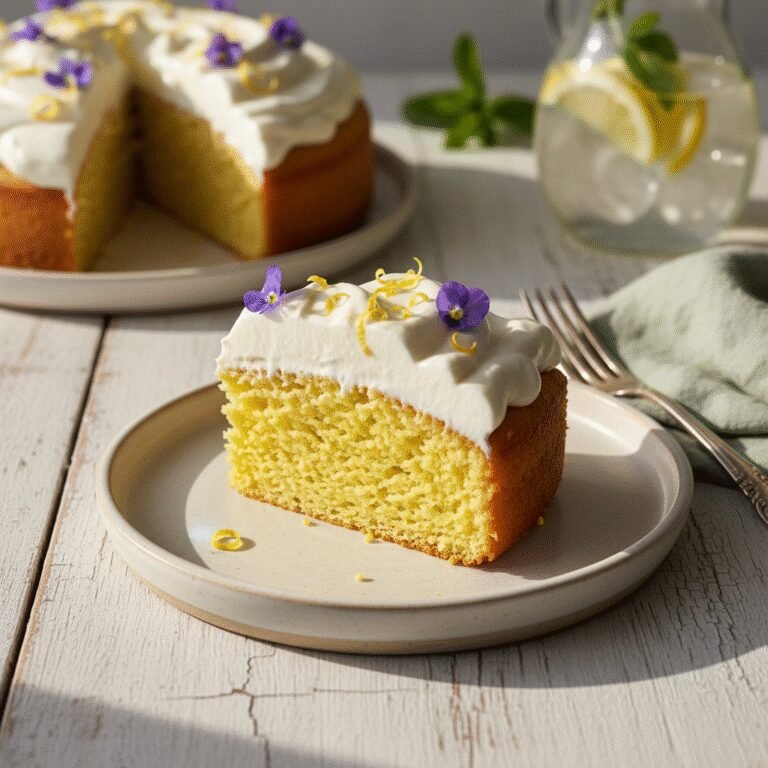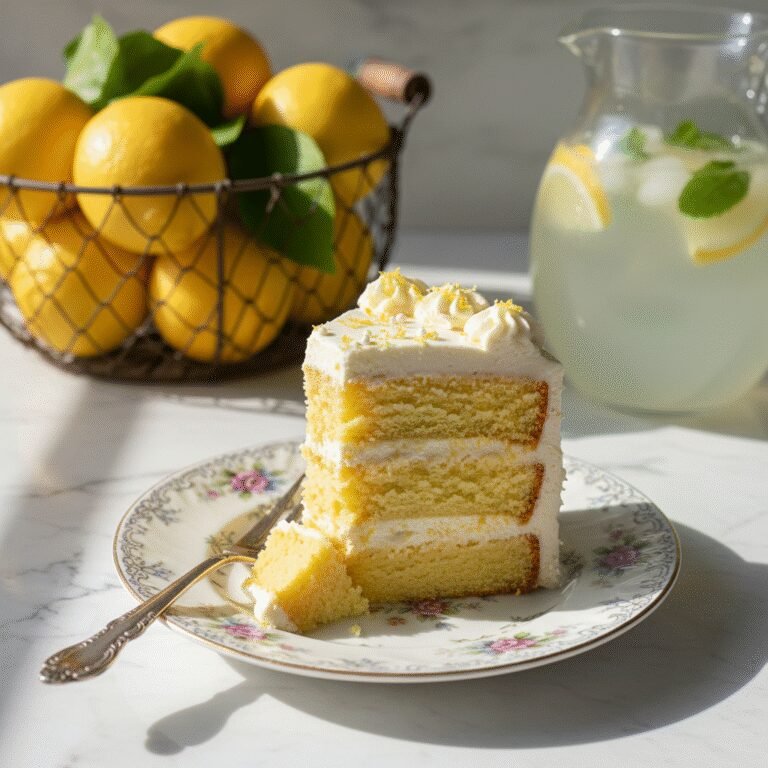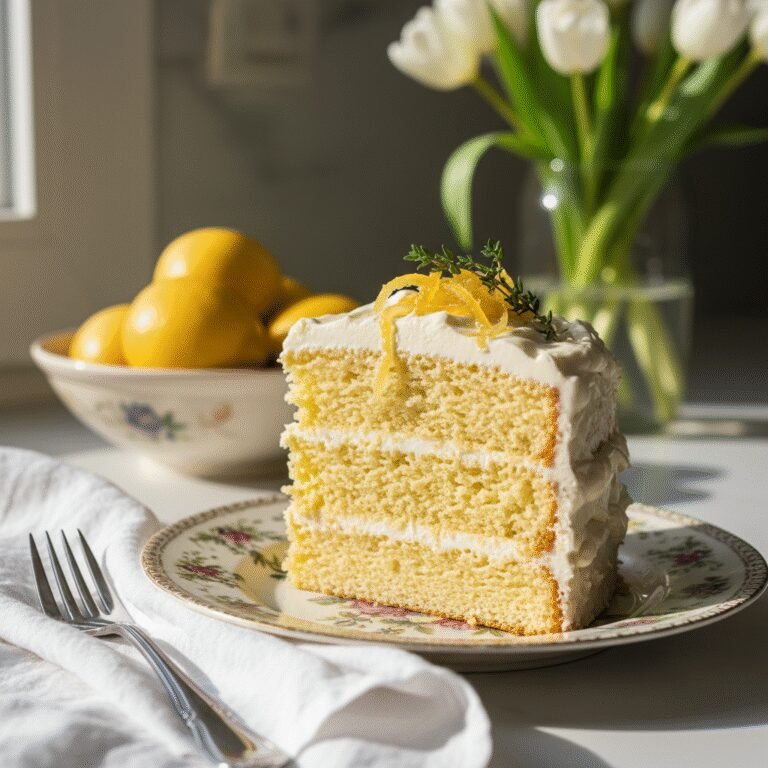
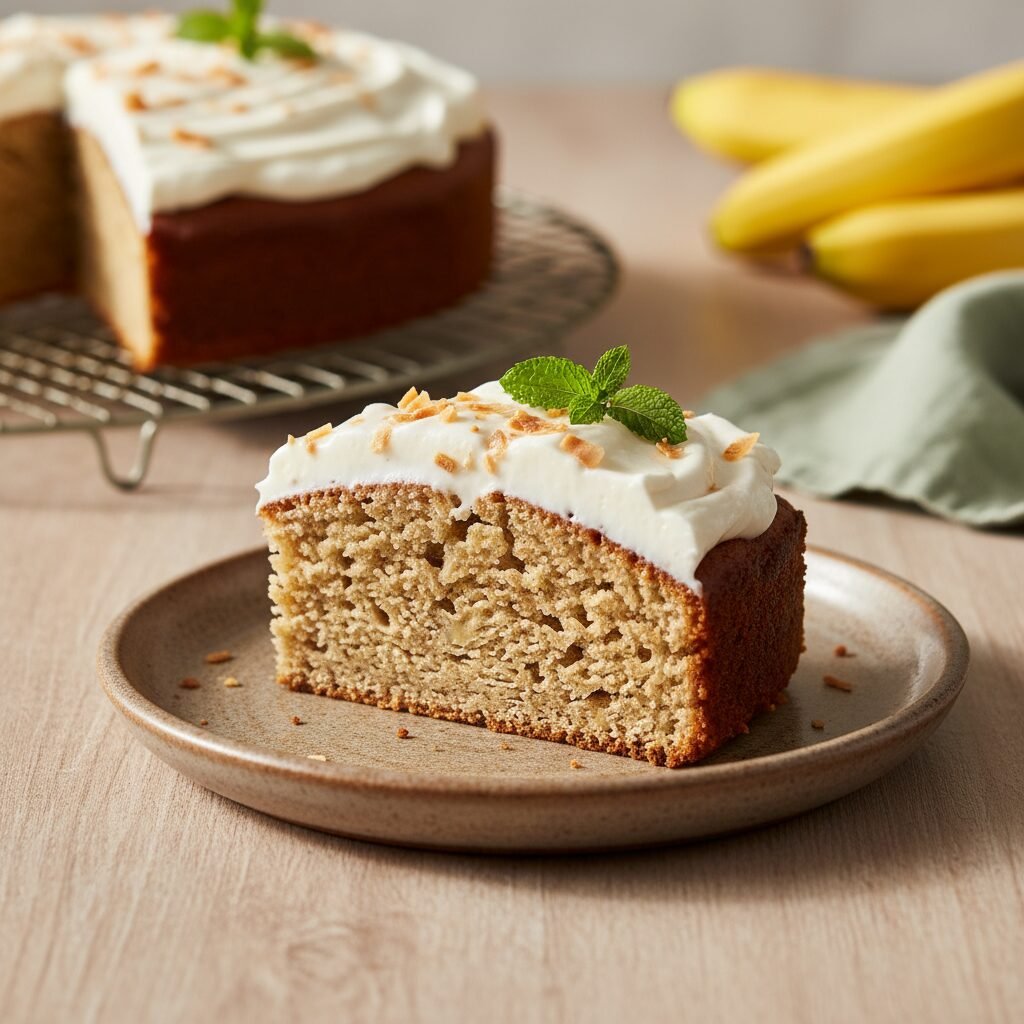
The Ultimate Moist Vegan Banana Cake With Whipped Coconut Cream Frosting
Moist Vegan Banana Cake With Coconut Cream Frosting Recipe
Discover the secret to the most tender, melt-in-your-mouth banana cake that happens to be completely plant-based. Topped with a cloud-like whipped coconut cream frosting, this recipe is a tropical dream come true for vegans and omnivores alike.
20 minutes
35 minutes
55 minutes (plus cooling time)
12 servings
Dessert
Baking
American
Vegan
If there is one holy grail in the world of vegan baking, it is achieving a texture that rivals—or even surpasses—traditional dairy-and-egg-based desserts. This Moist Vegan Banana Cake with Coconut Cream Frosting is not just a good alternative; it is a standout dessert in its own right. Picture a crumb so tender it practically dissolves on your tongue, infused with the deep, caramel-like sweetness of overripe bananas and a hint of warm cinnamon. Now, imagine that topped with a frosting that is light, airy, and perfectly creamy, made entirely from luscious coconut milk. This cake bridges the gap between comforting, home-style baking and elegant, bakery-quality presentation.
Many people shy away from vegan cakes, fearing they might be dense, gummy, or dry. This recipe shatters those misconceptions entirely. By utilizing the natural moisture of bananas and the chemical magic of plant-based buttermilk, we create a lift and tenderness that is truly remarkable. The flavor profile is a nostalgic nod to classic banana bread but elevated with a lightness that makes it appropriate for birthday parties, afternoon tea, or a decadent weekend treat. The addition of the coconut cream frosting adds a tropical twist that complements the earthy banana flavor perfectly, creating a balance of sweetness that isn’t cloying. Whether you are a seasoned vegan baker or just looking to use up those spotted bananas on your counter, this cake promises a baking experience that is as rewarding as it is delicious. Get ready to fill your kitchen with the intoxicating aroma of caramelized bananas and sweet vanilla.
History & Origins
The history of banana cake is deeply intertwined with the history of banana bread, a staple of American comfort food that rose to prominence during the Great Depression. As food became scarce, housewives were loath to throw away overripe bananas. Simultaneously, the mass production of baking powder and baking soda became more reliable, allowing for ‘quick breads’ that didn’t require yeast. This convergence of circumstances birthed the banana bread we know and love. However, transforming that dense loaf into a light, fluffy cake required a shift in technique and ingredients, moving from a heavy, muffin-like batter to something aerated and delicate.
The evolution of *vegan* baking adds another fascinating layer to this history. In the mid-20th century, ‘wacky cake’ or ‘Depression cake’ became popular due to rationing of butter and eggs. These cakes relied on vinegar and baking soda for leavening, a technique we still use today in modern vegan baking. As the plant-based movement gained momentum in the late 20th and early 21st centuries, home bakers began experimenting with new fat sources and binders. The discovery that whipped coconut cream could mimic the texture of dairy whipped cream was a game-changer, originating from Southeast Asian culinary traditions where coconut is a staple, and adapted by Western vegan bloggers to replace heavy cream. This recipe represents the culmination of decades of culinary ingenuity—taking a Depression-era waste-reduction strategy and elevating it with modern plant-based techniques to create a luxurious dessert that honors its humble roots while looking forward to a sustainable future.
Why This Recipe Works
This recipe succeeds where many others fail because it meticulously balances moisture, acidity, and fat to replicate the structural properties of eggs and butter. First, the ‘flax egg’ or simply the pectin in the bananas acts as a binder, holding the crumb together without making it rubbery. The real secret, however, lies in the homemade vegan buttermilk—a mixture of soy or almond milk and apple cider vinegar. When this acidic mixture hits the baking soda, it creates carbon dioxide bubbles, giving the cake a tremendous lift and a light, airy texture that prevents density.
Furthermore, using oil instead of vegan butter in the cake batter ensures the cake stays moist for days. Butter (even vegan versions) is solid at room temperature, which can lead to a firmer cake once cooled. Oil remains liquid, coating the flour proteins and preventing gluten over-development, resulting in that coveted ‘melt-in-your-mouth’ sensation. As for the frosting, using chilled full-fat coconut milk allows us to separate the thick cream from the water. When whipped with powdered sugar, the fat traps air just like dairy cream, creating a stable, luscious topping that holds its shape but melts instantly on the palate. The natural sweetness of the banana reduces the need for excessive added sugar, allowing the complex flavors of vanilla and cinnamon to shine through.
Why You’ll Love This Recipe
- ✓100% Vegan and Dairy-Free
- ✓Incredibly moist texture that stays fresh for days
- ✓Naturally sweetened with ripe bananas
- ✓Light and airy whipped coconut cream frosting
- ✓Simple ingredients found in most pantries
- ✓Perfect for birthdays and special occasions
Equipment You’ll Need
- ✓9×13 inch baking pan or two 8-inch round pans
- ✓Large mixing bowl
- ✓Medium mixing bowl
- ✓Electric hand mixer or stand mixer
- ✓Whisk
- ✓Rubber spatula
- ✓Measuring cups and spoons
- ✓Wire cooling rack
Ingredients
- ✓3 large overripe bananas, mashed (about 1.5 cups)
- ✓2 1/2 cups all-purpose flour
- ✓1 1/2 cups granulated sugar (ensure vegan certified)
- ✓1 1/2 tsp baking soda
- ✓1/2 tsp salt
- ✓1 tsp cinnamon
- ✓1 1/2 cups soy milk or almond milk
- ✓1 tbsp apple cider vinegar
- ✓1/2 cup neutral oil (canola, vegetable, or melted coconut oil)
- ✓1 tsp vanilla extract
- ✓2 cans (14oz each) full-fat coconut milk, chilled overnight
- ✓1/2 cup powdered sugar
- ✓1/2 tsp vanilla extract (for frosting)
Instructions
- Preheat your oven to 350°F (175°C). Grease and flour a 9×13 inch baking pan or two 8-inch round cake pans to prevent sticking.
- In a small bowl or measuring cup, combine the soy milk and apple cider vinegar. Let it sit for about 5-10 minutes to curdle and create vegan buttermilk.
- In a large mixing bowl, whisk together the dry ingredients: flour, sugar, baking soda, salt, and cinnamon. Ensure there are no large lumps.
- In a separate medium bowl, mash the bananas thoroughly until they are almost liquid. Add the oil, vanilla extract, and the prepared vegan buttermilk mixture. Whisk until well combined.
- Pour the wet ingredients into the bowl with the dry ingredients. Using a rubber spatula, gently fold the batter together. Mix only until no streaks of flour remain. Do not overmix, or the cake will be tough.
- Pour the batter evenly into the prepared pan(s). Tap the pan gently on the counter to release any large air bubbles.
- Bake for 30-35 minutes, or until a toothpick inserted into the center comes out clean or with just a few moist crumbs. The top should be golden brown.
- Remove the cake from the oven and place it on a wire rack. Let it cool completely in the pan before frosting. If you try to frost a warm cake, the coconut cream will melt.
- While the cake cools, prepare the frosting. Open the chilled cans of coconut milk. Carefully scoop out the solid white cream that has separated to the top into a chilled mixing bowl. Discard the coconut water or save it for smoothies.
- Using an electric mixer, whip the coconut cream on high speed until it becomes fluffy and smooth (about 2-3 minutes).
- Gradually add the powdered sugar and vanilla extract while continuing to whip. Beat for another minute until the frosting is light and airy.
- Once the cake is completely cool, spread a thick layer of the coconut whipped cream over the top. Slice and serve immediately.
Expert Cooking Tips
- ✓Use bananas that are heavily spotted or even black; they provide the most sweetness and moisture.
- ✓Chill your coconut milk cans in the back of the fridge for at least 24 hours to ensure the cream separates properly.
- ✓Do not skip the vinegar; it is essential for reacting with the baking soda to help the cake rise.
- ✓Measure your flour by spooning it into the cup and leveling it off, rather than scooping directly, to avoid a dense cake.
- ✓If your coconut cream is too soft after whipping, place the bowl in the fridge for 30 minutes to firm up before frosting.
- ✓Ensure all your ingredients are at room temperature (except the coconut milk for frosting) for the best emulsion.
Substitutions and Variations
This recipe is quite versatile. If you are gluten-free, you can substitute the all-purpose flour with a high-quality 1:1 gluten-free baking flour blend that contains xanthan gum. For the sugar, coconut sugar can be used for a more caramel-like flavor, though it will darken the color of the cake significantly. If you do not have apple cider vinegar, white vinegar or lemon juice works equally well to create the buttermilk. For the oil, melted coconut oil adds a nice flavor, but avocado oil or sunflower oil are great neutral options. If you have a nut allergy and cannot use almond milk, soy milk or oat milk are excellent alternatives for the batter. For the frosting, if you don’t like coconut, a standard vegan buttercream made with vegan butter sticks and powdered sugar works perfectly.
Common Mistakes to Avoid
The most common mistake with this cake is overmixing the batter. Once the wet and dry ingredients meet, gluten begins to form. If you mix too vigorously, the cake will turn out rubbery and dense instead of tender. Another pitfall is not letting the cake cool completely. Coconut cream frosting is very heat-sensitive; even a slightly warm cake will turn your beautiful frosting into a puddle. Regarding the frosting, a common error is using ‘lite’ coconut milk or coconut milk from a carton; these do not have enough fat to whip up. You must use full-fat canned coconut milk. Finally, under-baking can leave the center gummy, so always do the toothpick test.
Serving Suggestions
This cake is stunning on its own, but you can dress it up for special occasions. Top the frosting with toasted coconut flakes, crushed walnuts, or pecans for added texture. Fresh banana slices look beautiful but should be added right before serving as they brown quickly. A drizzle of vegan caramel sauce or a dusting of cinnamon adds a professional touch. Serve alongside a hot cup of coffee, herbal tea, or a cold glass of oat milk. For a summer twist, serve with a side of fresh berries or a scoop of vegan vanilla ice cream.
Storage and Reheating Tips
Because of the coconut cream frosting and the moist fruit content, this cake is best stored in the refrigerator. Place it in an airtight container or cover the pan tightly with plastic wrap. It will keep well for up to 5 days. In fact, many find it tastes even better the next day as the flavors meld. If you wish to freeze the cake, it is best to do so without the frosting. Wrap the unfrosted cake layers in plastic wrap and then foil, and freeze for up to 3 months. Thaw at room temperature before frosting. If you must freeze it frosted, place it in a rigid container so the frosting doesn’t get squashed.
Nutrition Facts (Estimated)
| Serving Size | 1 slice |
| Calories | 340 |
| Fat | 16g |
| Saturated Fat | 8g |
| Unsaturated Fat | 7g |
| Trans Fat | 0g |
| Cholesterol | 0mg |
| Sodium | 210mg |
| Carbohydrates | 48g |
| Fiber | 3g |
| Sugar | 22g |
| Protein | 4g |
Frequently Asked Questions
Can I use frozen bananas?
Yes, absolutely! Thaw the frozen bananas completely and drain off any excess clear liquid before mashing them for the batter.
Why did my coconut cream not whip?
This usually happens if the can wasn’t cold enough or if the brand of coconut milk contains guar gum, which can sometimes inhibit separation. Ensure the can is chilled for 24 hours and try to find a brand without emulsifiers.
Can I make this sugar-free?
You can use a granulated sweetener like erythritol or monk fruit in the cake, but the texture might be slightly drier. For the frosting, powdered sugar-free sweetener works well.
Is this cake suitable for nut allergies?
Yes, as long as you use soy or oat milk instead of almond milk, and ensure your coconut milk is processed in a nut-free facility.
Can I make cupcakes with this recipe?
Yes, this batter makes excellent cupcakes. Line a muffin tin and bake for roughly 18-22 minutes at the same temperature.
Why did my cake sink in the middle?
Sinking usually means the cake was underbaked or the oven door was opened too early, causing a sudden temperature drop. It can also result from too much leavening (baking soda).
Can I use whole wheat flour?
You can substitute up to 50% of the white flour with white whole wheat flour. Using 100% whole wheat may result in a denser, heavier cake.
How do I ripen bananas quickly?
Place unpeeled bananas on a baking sheet and bake at 300°F for about 15-20 minutes until the skins are black and the fruit is soft.
Conclusion
This Moist Vegan Banana Cake with Coconut Cream Frosting is more than just a recipe; it’s a testament to how delicious plant-based eating can be. It combines the comfort of a classic family favorite with the sophisticated flair of a tropical dessert. Whether you’re baking for a vegan friend, a child with dairy allergies, or simply yourself, this cake delivers on every front—taste, texture, and presentation. We hope this recipe becomes a staple in your kitchen, bringing joy and sweetness to your table. Don’t forget to share your creations and tag us on social media; we love seeing your beautiful bakes!