The Ultimate Fresh Lemon Raspberry Cake With Zesty Lemon Glaze
Fresh Lemon Raspberry Cake With Lemon Glaze Recipe
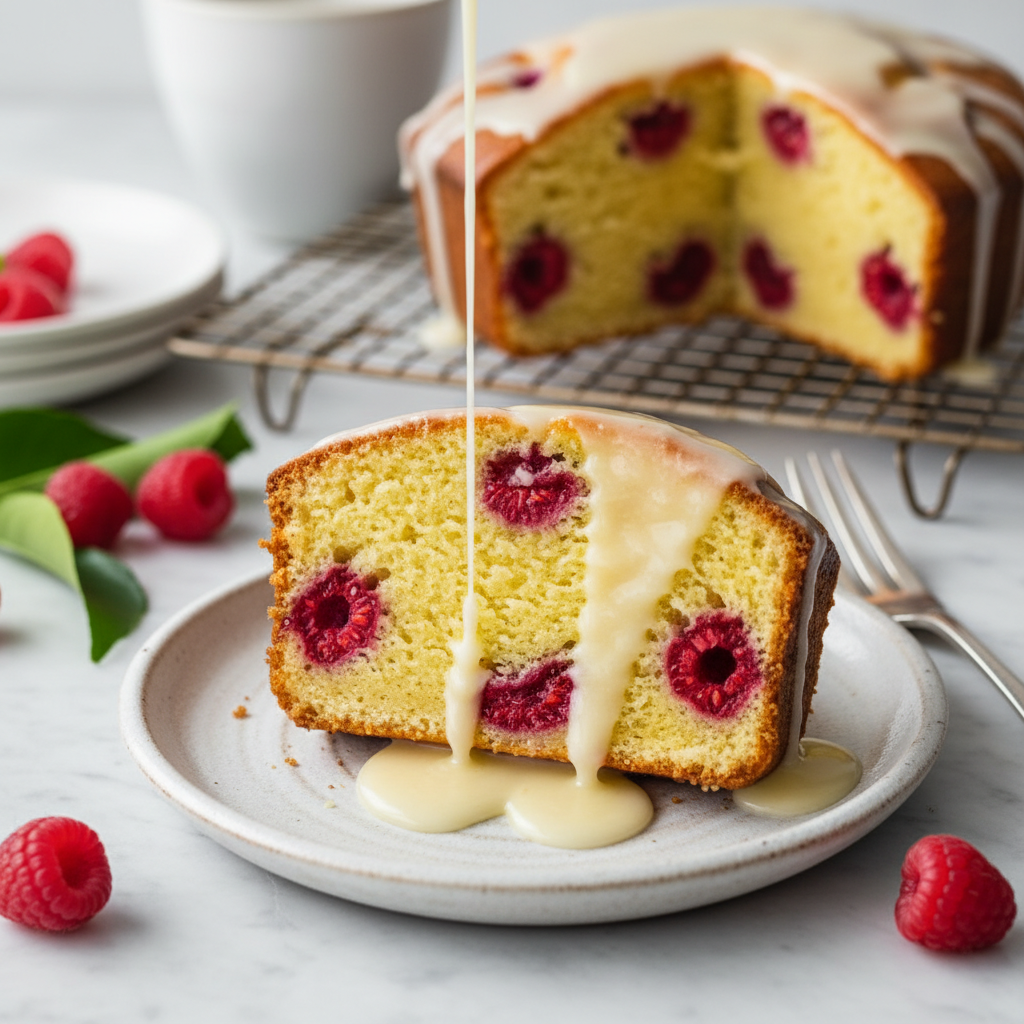
Bursting with bright citrus flavor and studded with juicy, ruby-red berries, this Fresh Lemon Raspberry Cake is the epitome of sunshine on a plate. Topped with a sweet and tangy lemon glaze, it is the perfect moist and tender treat for summer brunches, afternoon tea, or a delightful dessert.
20 minutes
55 minutes
1 hour 15 minutes
1 Loaf (8-10 slices)
Dessert
Baking
American
Vegetarian
There is something undeniably cheerful about the combination of zesty lemon and sweet, tart raspberries. It is a pairing that evokes the warmth of summer days and the comfort of a home kitchen filled with the aroma of baking citrus. This Fresh Lemon Raspberry Cake with Lemon Glaze is not just a dessert; it is a celebration of fresh, vibrant ingredients coming together to create a texture and flavor profile that is truly unforgettable. Unlike dense pound cakes that can sometimes feel too heavy, this recipe strikes the perfect balance—offering a crumb that is tender and moist, yet sturdy enough to hold an abundance of fresh berries without them sinking to the bottom.
The magic lies in the infusion of lemon zest directly into the sugar, a technique that releases the essential oils and permeates every bite with a deep, floral citrus note. When you take that first bite, you are greeted with the crunch of the sugary crust, followed immediately by the soft, buttery interior and the sudden, delightful burst of a warm raspberry. The glaze, a simple emulsion of powdered sugar and fresh lemon juice, adds a final layer of sharpness that cuts through the sweetness of the cake, leaving your palate refreshed and craving another slice.
This cake is incredibly versatile, making it a staple for various occasions. It shines as the centerpiece of a Mother’s Day brunch, pairs elegantly with Earl Grey tea for a sophisticated afternoon snack, or serves as a comforting end to a family dinner. Whether you are a seasoned baker or a novice looking to impress, this recipe promises high-impact results with straightforward techniques. It is the kind of recipe that gets pinned to ‘Favorites’ boards immediately, destined to become a requested tradition for years to come.
History & Origins
The history of fruit-studded cakes is a long and delicious journey that traces back centuries, evolving from the dense, dried-fruit concoctions of the Middle Ages to the lighter, chemically leavened sponges we adore today. The concept of the ‘pound cake’—originally consisting of a pound each of flour, butter, eggs, and sugar—originated in Northern Europe in the early 1700s. These early cakes were heavy and relied solely on the aeration of eggs for lift. As baking powder and baking soda became commercially available in the 19th century, bakers began to experiment with lighter textures, allowing for the incorporation of fresh, high-moisture fruits like raspberries without compromising the cake’s structure.
Citrus, specifically lemon, has held a prestigious place in culinary history since ancient times. Romans and Egyptians valued lemons for their status and medicinal properties, but it wasn’t until the trade routes expanded that lemons became a staple in European baking. By the Victorian era, ‘tea cakes’ flavored with citrus zest and candied peels were highly fashionable, often served in elegant parlors alongside fine china. The specific marriage of lemon and raspberry, however, is a more modern classic, popularized in the 20th century as global agriculture and refrigeration made fresh berries accessible year-round.
In the United States, the rise of the ‘coffee cake’ and ‘loaf cake’ culture in the mid-20th century solidified recipes like this one as household staples. Community cookbooks from the 1950s and 60s are filled with variations of lemon cakes, often using gelatin or pudding mixes for moisture. This recipe returns to the roots of scratch baking, honoring the historical evolution of the sponge cake while celebrating the timeless, natural affinity between the brightness of yellow lemons and the tart sweetness of red raspberries.
Why This Recipe Works
This recipe succeeds where many others fail due to a few critical food science principles that ensure perfect texture and flavor distribution. First and foremost is the ‘rubbing method’ used at the start. By manually rubbing the lemon zest into the granulated sugar before creaming it with the butter, we rely on the abrasive texture of the sugar crystals to rupture the oil glands in the zest. This releases the potent lemon oils, ensuring the citrus flavor is baked deep into the cake’s DNA rather than just sitting on top.
Secondly, the inclusion of sour cream (or Greek yogurt) is a game-changer for moisture retention. The acidity in the sour cream does double duty: it tenderizes the gluten strands in the flour, preventing the cake from becoming tough, and it activates the baking soda for a superior rise. This results in a crumb that is velvety and dense enough to be satisfying, but light enough to melt in your mouth.
Finally, the dreaded ‘sinking fruit’ syndrome is addressed by tossing the fresh raspberries in a tablespoon of flour before folding them into the batter. This light coating increases friction between the berries and the batter, suspending them evenly throughout the cake as it bakes. Without this step, the heavy moisture content of the berries would cause them to plummet to the bottom, resulting in a soggy base. This recipe is meticulously balanced to handle the extra moisture from the fruit without compromising structural integrity.
Why You’ll Love This Recipe
- ✓Infused with real lemon zest for maximum citrus aroma.
- ✓Uses sour cream to guarantee a moist, tender crumb that stays fresh for days.
- ✓Fresh raspberries provide a tart contrast and beautiful pops of color.
- ✓The zesty glaze adds a professional bakery-style finish.
- ✓One-bowl method makes cleanup quick and easy.
- ✓Freezes beautifully for make-ahead convenience.
Equipment You’ll Need
- ✓9×5 inch Loaf Pan
- ✓Stand Mixer or Hand Mixer
- ✓Large Mixing Bowl
- ✓Medium Mixing Bowl
- ✓Whisk
- ✓Rubber Spatula
- ✓Microplane or Zester
- ✓Cooling Rack
- ✓Parchment Paper
Ingredients
- ✓1 1/2 cups All-Purpose Flour (plus 1 tbsp for coating berries)
- ✓1 tsp Baking Powder
- ✓1/4 tsp Baking Soda
- ✓1/4 tsp Salt
- ✓1/2 cup Unsalted Butter, softened to room temperature
- ✓1 cup Granulated Sugar
- ✓2 Large Eggs, room temperature
- ✓1 tsp Pure Vanilla Extract
- ✓1/3 cup Sour Cream or Plain Greek Yogurt
- ✓2 tbsp Fresh Lemon Juice
- ✓Zest of 2 Lemons
- ✓1 cup Fresh Raspberries (washed and thoroughly dried)
- ✓1 cup Powdered Sugar (for glaze)
- ✓2-3 tbsp Fresh Lemon Juice (for glaze)
Instructions
- Preheat your oven to 350°F (175°C). Grease a 9×5 inch loaf pan generously with butter or non-stick spray and line it with parchment paper, leaving an overhang on the sides for easy removal.
- In a medium bowl, whisk together the flour, baking powder, baking soda, and salt. Set this dry mixture aside.
- In a large mixing bowl (or the bowl of a stand mixer), combine the granulated sugar and lemon zest. Use your fingers to rub the zest into the sugar until the mixture is fragrant and resembles wet sand.
- Add the softened butter to the lemon-sugar mixture. Beat on medium-high speed for about 3-4 minutes until the mixture is pale, light, and fluffy.
- Add the eggs one at a time, beating well after each addition. Scrape down the sides of the bowl. Mix in the vanilla extract and the 2 tablespoons of lemon juice.
- Reduce the mixer speed to low. Add half of the flour mixture, mixing just until combined. Add the sour cream, mix briefly, and then add the remaining flour mixture. Do not overmix; stop when streaks of flour disappear.
- In a small bowl, toss the fresh raspberries with the reserved 1 tablespoon of flour. Gently fold the berries into the batter using a rubber spatula, being careful not to crush them.
- Pour the batter into the prepared loaf pan and smooth the top with a spatula. Bake for 50-60 minutes, or until a toothpick inserted into the center comes out clean or with just a few moist crumbs (avoid hitting a raspberry when testing).
- Allow the cake to cool in the pan for 15 minutes, then lift it out using the parchment paper overhang and transfer it to a wire rack to cool completely.
- While the cake cools, make the glaze. Whisk together the powdered sugar and 2 tablespoons of lemon juice. Add more juice, a teaspoon at a time, until you reach a pourable but thick consistency.
- Once the cake is fully cooled, drizzle the glaze generously over the top, allowing it to drip down the sides. Let the glaze set for 15 minutes before slicing.
Expert Cooking Tips
- ✓Ensure all dairy ingredients (butter, eggs, sour cream) are at room temperature to prevent the batter from curdling.
- ✓Do not skip tossing the raspberries in flour; this is crucial to prevent them from sinking to the bottom.
- ✓If the top of the cake is browning too quickly in the oven, tent it loosely with aluminum foil after the 40-minute mark.
- ✓Use fresh lemon juice, not bottled, for the brightest and most authentic flavor.
- ✓Let the cake cool completely before glazing, otherwise, the glaze will melt and soak into the cake rather than sitting on top.
- ✓Wash and dry the raspberries gently but thoroughly; excess water can make the batter too runny.
Substitutions and Variations
This recipe is quite forgiving and allows for several substitutions depending on your dietary needs or pantry stock. If you do not have sour cream, full-fat plain Greek yogurt or buttermilk are excellent alternatives that provide the same tang and moisture. If using buttermilk, the batter may be slightly thinner. For a gluten-free version, substitute the all-purpose flour with a high-quality 1:1 gluten-free baking flour blend that contains xanthan gum. If fresh raspberries are out of season or too expensive, you can use frozen raspberries. However, do not thaw them before adding to the batter, as this will cause the color to bleed into the cake, turning it pink. You can also swap the fruit entirely; blueberries, blackberries, or even chopped cranberries work wonderfully with the lemon base. For a dairy-free option, use a plant-based butter stick and a dairy-free yogurt alternative like coconut or almond yogurt.
Common Mistakes to Avoid
The most common mistake with this cake is overmixing the batter once the flour is added. Overmixing develops the gluten too much, resulting in a tough, rubbery loaf rather than a tender crumb. Always mix on low speed and stop as soon as the flour is incorporated. Another frequent error is using cold ingredients. Cold butter won’t cream properly with sugar to create air pockets, and cold eggs can shock the butter, causing the batter to break or look curdled. Baking time can also be tricky; ovens vary, so rely on the toothpick test rather than the timer alone. If you pull the cake out too early, the center will sink as it cools. Lastly, do not rush the glazing process. Glazing a warm cake results in a sticky mess rather than that beautiful, opaque white drip.
Serving Suggestions
This Fresh Lemon Raspberry Cake is stunning enough to be served on its own, but a few thoughtful additions can elevate it further. For a dessert course, serve a thick slice with a dollop of lightly sweetened whipped cream or a scoop of vanilla bean ice cream. The creaminess pairs perfectly with the tart lemon glaze. For a brunch setting, garnish the platter with extra fresh raspberries, lemon slices, and a sprig of fresh mint for a pop of green. It pairs exceptionally well with hot beverages; try it with a floral Earl Grey tea, a chamomile blend, or a robust dark roast coffee to contrast the sweetness. If you are gifting this loaf, wrap it in clear cellophane with a yellow ribbon—it makes for a beautiful and edible homemade gift.
Storage and Reheating Tips
Proper storage is key to maintaining the moist texture of this cake. The cake can be stored at room temperature in an airtight container for up to 3 days. If your kitchen is particularly hot or humid, it is safer to store it in the refrigerator, where it will last for up to 1 week. However, bring it back to room temperature before serving for the best flavor and texture. This cake also freezes exceptionally well. To freeze, wrap the unglazed loaf (or individual slices) tightly in plastic wrap, followed by a layer of aluminum foil. It can be frozen for up to 3 months. Thaw overnight in the refrigerator or on the counter for a few hours. It is best to add the glaze after thawing if freezing the whole loaf, though glazed slices freeze reasonably well too.
Nutrition Facts (Estimated)
| Serving Size | 1 slice |
| Calories | 340 |
| Fat | 16g |
| Saturated Fat | 9g |
| Unsaturated Fat | 6g |
| Trans Fat | 0g |
| Cholesterol | 65mg |
| Sodium | 180mg |
| Carbohydrates | 45g |
| Fiber | 2g |
| Sugar | 28g |
| Protein | 5g |
Frequently Asked Questions
Can I use frozen raspberries instead of fresh?
Yes, you can use frozen raspberries. Do not thaw them before using, as this releases too much liquid. Toss them in flour while frozen and fold them in at the very end. Note that frozen berries might lower the batter temperature, potentially requiring an extra 2-5 minutes of baking time.
Why did my raspberries sink to the bottom?
Berries sink if the batter is too thin or if the berries are too heavy and slick. Coating the dry berries in a tablespoon of flour creates friction that helps them stay suspended in the batter as it bakes and sets.
Can I make this in a bundt pan?
Yes, but you will need to double the recipe for a standard 10-12 cup bundt pan. Baking time will increase to approximately 60-75 minutes. Ensure the bundt pan is very well greased and floured to prevent sticking.
My glaze is too runny, how do I fix it?
If the glaze is too thin, simply whisk in more powdered sugar, a tablespoon at a time, until it reaches your desired thickness. If it’s too thick, add lemon juice drop by drop.
Can I use bottled lemon juice?
While you *can*, it is not recommended. Bottled lemon juice often contains preservatives that alter the flavor, making it taste more acidic and metallic. Fresh lemon juice provides a much smoother, floral citrus flavor.
How do I know when the cake is exactly done?
Insert a toothpick or cake tester into the center of the loaf. It should come out clean or with a few moist crumbs attached. If you see wet batter, it needs more time. If you hit a raspberry, the toothpick will be red/wet, so try testing a different spot.
Can I reduce the sugar in this recipe?
Sugar provides moisture and structure, not just sweetness. Reducing it significantly will affect the texture, making the cake denser and drier. You can reduce it by about 1/4 cup safely, but the result may vary.
Why is my cake dry?
Dry cake is usually the result of over-baking or measuring flour incorrectly. Always spoon and level your flour or weigh it. Also, ensure your oven temperature is accurate using an oven thermometer.
Can I use other citrus fruits?
Absolutely! This recipe works beautifully with oranges, limes, or grapefruits. Just swap the zest and juice amounts 1:1. Orange and cranberry is a great winter variation.
Conclusion
We hope this Fresh Lemon Raspberry Cake brings a slice of brightness to your kitchen. It is a recipe that celebrates the joy of simple, high-quality ingredients coming together to create something truly special. Whether you are baking for a special occasion or just treating yourself on a rainy Tuesday, the combination of zesty lemon and sweet raspberries is sure to lift your spirits. Don’t forget to share your creations on social media and tag us—we love seeing how your cakes turn out! Happy baking!