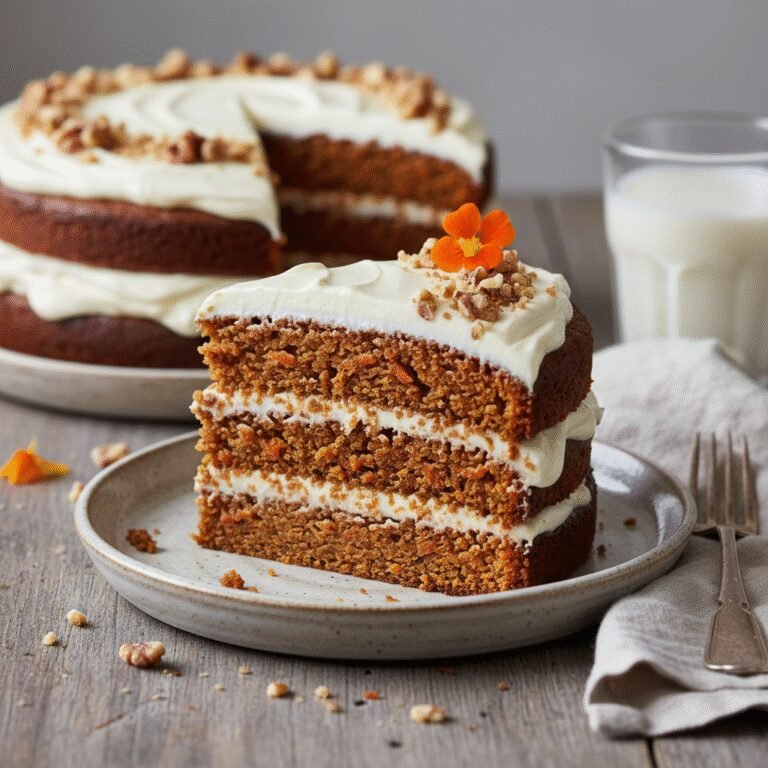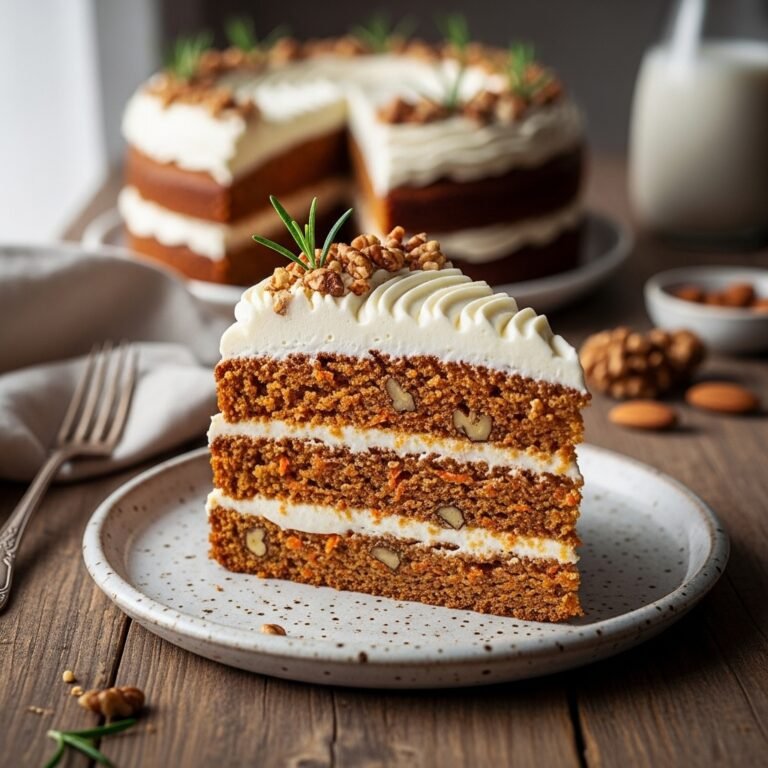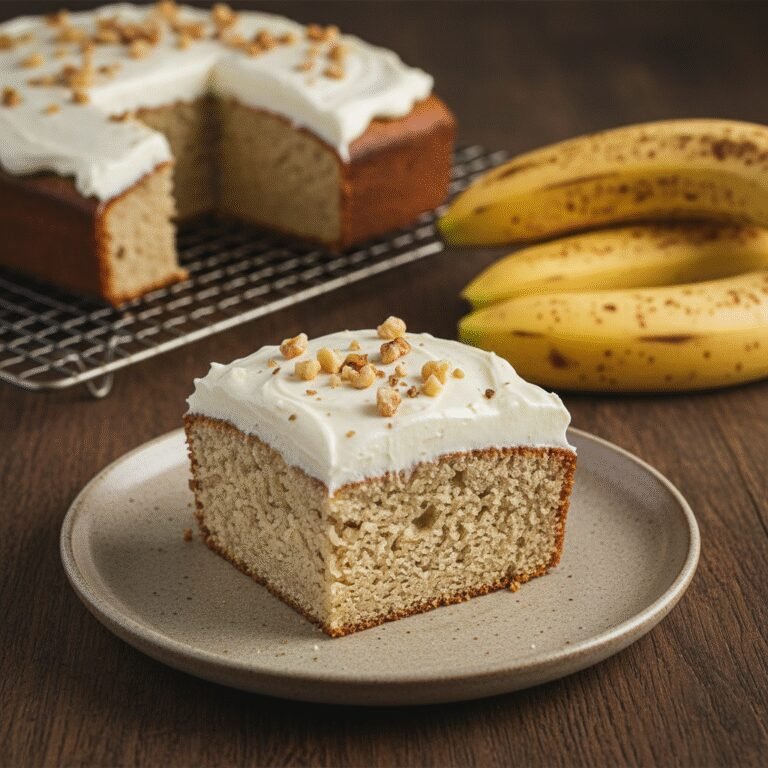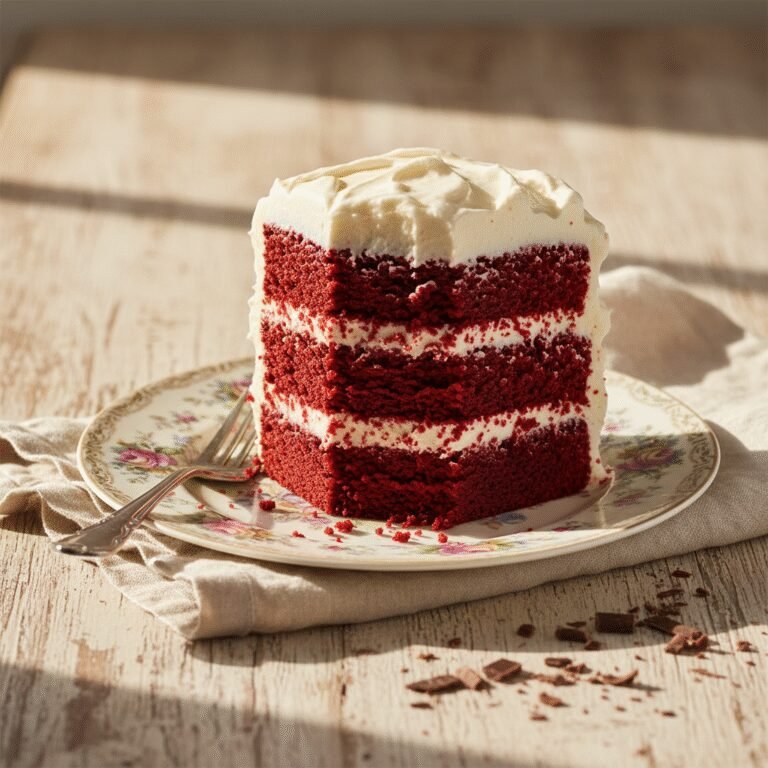
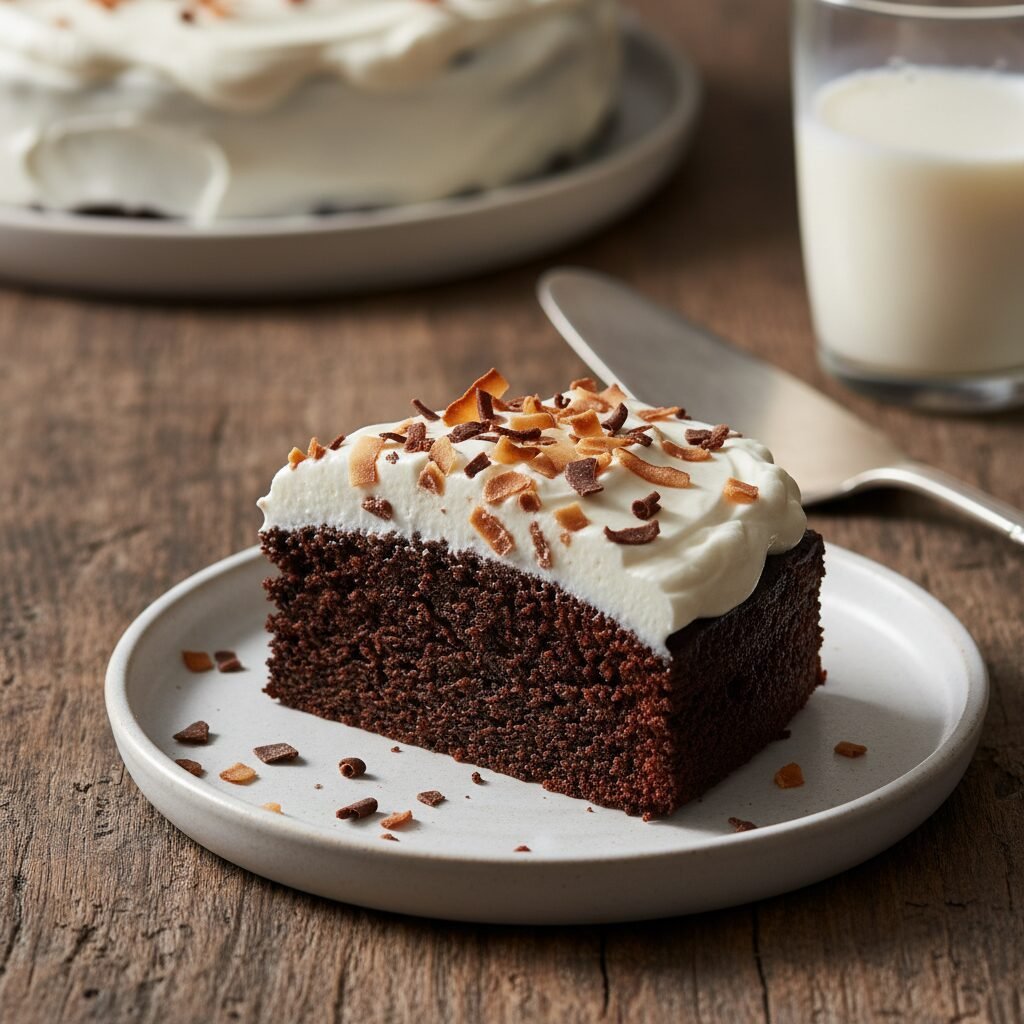
The Ultimate Moist Eggless Chocolate Cake With Coconut Cream Frosting
Moist Eggless Chocolate Cake With Coconut Cream Frosting Recipe
Discover the secret to a velvety, intensely chocolatey dessert that requires zero eggs and minimal effort. This Moist Eggless Chocolate Cake is paired with a cloud-like, dairy-free coconut cream frosting, creating a luxurious treat that melts in your mouth and rivals any bakery classic.
20 minutes
30 minutes
50 minutes (plus cooling time)
12 servings
Dessert
Baking
American
Vegan
There is a common misconception in the world of baking that eggs are the non-negotiable backbone of a good cake. We are often led to believe that without them, a cake will be dense, rubbery, or lack that essential structural integrity. However, this Moist Eggless Chocolate Cake is here to shatter those myths completely. Imagine sinking your fork into a slice of cake that is darker than midnight, with a crumb so tender and moist it practically dissolves on the tongue. This recipe is a testament to the power of simple chemistry and high-quality ingredients coming together to create something truly spectacular. Whether you are vegan, allergic to eggs, or simply found an empty carton in your fridge during a late-night baking urge, this cake delivers on every front.
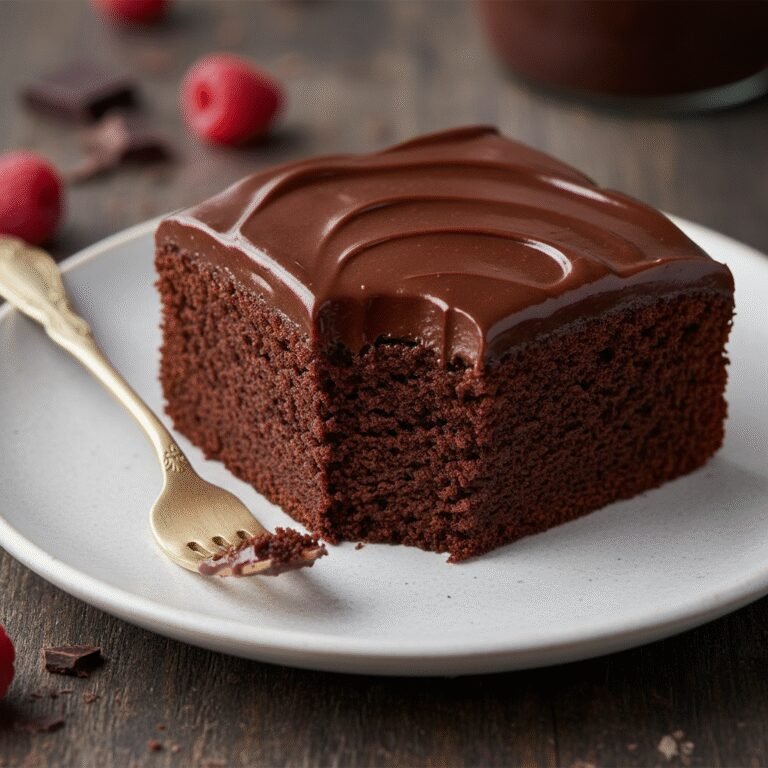
The flavor profile is deep and robust, thanks to the blooming of cocoa powder in hot coffee, which awakens the chocolate notes without imparting a coffee taste. But the real showstopper here is the frosting. Instead of a heavy, sugary buttercream, we crown this masterpiece with a whipped coconut cream frosting. It is light, airy, and subtly tropical, cutting through the richness of the chocolate with a refreshing creaminess. This combination of the dense, fudge-like sponge and the ethereal frosting creates a textural balance that is sophisticated yet incredibly comforting. This isn’t just a ‘good alternative’ to standard chocolate cake; for many who try it, it becomes the gold standard. It is the kind of dessert that brings people to the table, sparking joy and surprise when you reveal the secret of its ingredients.
History & Origins
The origins of eggless chocolate cake are deeply rooted in American history, specifically tied to periods of scarcity and rationing. Often referred to as ‘Wacky Cake,’ ‘Crazy Cake,’ or ‘Depression Cake,’ this style of baking rose to prominence during the Great Depression and later during World War II. During these times, ingredients like eggs, butter, and milk were either expensive, rationed, or hard to come by. Home bakers, displaying characteristic ingenuity, had to find ways to maintain a semblance of normalcy and celebration without these staples. They discovered that a reaction between vinegar (an acid) and baking soda (a base) could create enough carbon dioxide bubbles to leaven the cake, providing the lift that eggs usually supply.
This recipe also draws inspiration from the classic pairing of chocolate and coconut, a flavor duo that gained massive popularity in the United States in the mid-20th century, famously cemented by the introduction of confections like the Mounds bar and the German Chocolate Cake. While the traditional German Chocolate Cake uses a cooked coconut-pecan filling, this recipe modernizes the concept by utilizing coconut cream—a nod to the growing influence of plant-based and Southeast Asian culinary techniques in Western baking. Over the decades, what started as a necessity born of hardship has evolved into a beloved category of baking that celebrates dietary inclusivity without sacrificing decadence. Today, the eggless chocolate cake is celebrated not just for what it lacks, but for its uniquely moist texture and rich flavor profile that many egg-based cakes struggle to achieve.
Why This Recipe Works
The success of this recipe relies on a fascinating interplay of chemical reactions and ingredient functionality. In traditional baking, eggs provide structure (protein), leavening, and moisture (fat/water). To replicate this without eggs, we lean on the reaction between baking soda and vinegar. When these two meet within the batter, they vigorously create carbon dioxide gas. This gas gets trapped in the gluten network of the flour, causing the cake to rise beautifully in the oven. Because there are no eggs to potentially dry out or toughen the crumb if overcooked, the result is a cake that stays incredibly moist for days.
Furthermore, the use of oil instead of butter is a crucial factor for moisture. Butter is about 80% fat and 20% water; when the cake cools, butter solidifies. Oil, however, remains liquid at room temperature, ensuring that the cake feels moist on the palate rather than dry or crumbly. We also utilize the ‘blooming’ technique, where boiling hot liquid (coffee or water) is poured over the cocoa powder and sugar. This dissolves the cocoa solids more effectively than cold liquid, releasing flavor compounds that would otherwise remain locked away, resulting in a more intense chocolate experience. Finally, the coconut cream frosting works because high-quality coconut milk contains a high percentage of saturated fat. When chilled, this fat solidifies and can be whipped similarly to heavy dairy cream, providing a stable, lush topping that holds its shape while offering a melting mouthfeel.
Why You’ll Love This Recipe
- ✓Completely Egg-Free and Dairy-Free friendly
- ✓Impossibly moist, fudge-like texture
- ✓Rich, intense chocolate flavor enhanced by hot coffee
- ✓Light, airy whipped coconut cream frosting
- ✓Simple pantry ingredients with no special equipment needed
- ✓Perfect for vegans and those with allergies
Equipment You’ll Need
- ✓Two 8-inch or 9-inch round cake pans
- ✓Large mixing bowl
- ✓Whisk
- ✓Sifter or fine-mesh sieve
- ✓Stand mixer or hand mixer (for frosting)
- ✓Rubber spatula
- ✓Parchment paper
- ✓Wire cooling rack
Ingredients
- ✓2 cups All-Purpose Flour
- ✓1 3/4 cups Granulated Sugar
- ✓3/4 cup Unsweetened Cocoa Powder (high quality)
- ✓1 1/2 tsp Baking Powder
- ✓1 1/2 tsp Baking Soda
- ✓1 tsp Salt
- ✓1 cup Unsweetened Almond Milk (or Soy Milk)
- ✓1/2 cup Vegetable Oil (or Canola Oil)
- ✓2 tsp Pure Vanilla Extract
- ✓1 cup Boiling Hot Coffee (or Boiling Water)
- ✓1 tbsp Apple Cider Vinegar (or White Vinegar)
- ✓2 cans (14oz each) Full-Fat Coconut Milk, refrigerated overnight
- ✓1/2 cup Powdered Sugar, sifted
- ✓1 tsp Vanilla Extract (for frosting)
- ✓Optional: Toasted coconut flakes or chocolate shavings for garnish
Instructions
- Preheat your oven to 350°F (175°C). Grease two 8-inch or 9-inch round cake pans and line the bottoms with parchment paper for easy removal.
- In a large mixing bowl, sift together the flour, sugar, cocoa powder, baking powder, baking soda, and salt. Whisk well to ensure all dry ingredients are evenly distributed.
- In a separate medium bowl or measuring jug, whisk together the almond milk, vegetable oil, 2 teaspoons of vanilla extract, and the apple cider vinegar. Let it sit for a minute to slightly curdle (making a vegan buttermilk).
- Pour the wet mixture into the dry ingredients and mix with a whisk or spatula until just combined. Do not overmix.
- Carefully pour the boiling hot coffee (or water) into the batter. Whisk gently until the batter is smooth and glossy. Note: The batter will be very thin and liquid; this is normal.
- Divide the batter evenly between the two prepared cake pans.
- Bake in the preheated oven for 30 to 35 minutes, or until a toothpick inserted into the center comes out clean or with just a few moist crumbs.
- Remove the cakes from the oven and let them cool in the pans for about 10-15 minutes. Then, carefully invert them onto a wire rack to cool completely before frosting.
- While the cakes cool, prepare the frosting. Remove the cans of coconut milk from the fridge without shaking them. Open the cans and carefully scoop out the thick, hardened coconut cream that has separated to the top into a chilled mixing bowl. Reserve the liquid coconut water for smoothies or other recipes.
- Using a stand mixer or hand mixer, whip the coconut cream on high speed for 2-3 minutes until it becomes fluffy and creamy.
- Add the powdered sugar and 1 teaspoon of vanilla extract to the whipped cream. Whip for another minute until smooth and stiff peaks form.
- Once the cakes are completely cool, place one layer on a serving plate. Spread a generous layer of coconut cream frosting over the top. Place the second cake layer on top and cover the top and sides with the remaining frosting.
- Garnish with toasted coconut flakes or chocolate shavings if desired. Refrigerate the cake for at least 30 minutes before slicing to let the frosting set.
Expert Cooking Tips
- ✓Chill the coconut milk cans for at least 24 hours before making the frosting to ensure the cream separates properly.
- ✓Do not skip the boiling water/coffee step; it blooms the cocoa powder for a richer flavor.
- ✓Avoid opening the oven door during the first 20 minutes of baking to prevent the cake from sinking.
- ✓Ensure your baking soda is fresh; since this recipe relies on it for lift, expired soda will result in a flat cake.
- ✓Let the cake cool completely before frosting, or the coconut cream will melt and slide off.
- ✓Use a kitchen scale to weigh flour for the most accurate texture; too much flour makes the cake dry.
- ✓If the frosting is too soft, place the bowl in the fridge for 15 minutes and whip again.
Substitutions and Variations
This recipe is highly adaptable to various dietary needs. For the flour, you can substitute a high-quality 1:1 Gluten-Free All-Purpose Baking Flour blend if you are gluten-intolerant; look for one that contains xanthan gum. If you want to avoid refined sugar, coconut sugar can be used in the cake batter, though it will give a slightly caramel flavor and darker color. The vegetable oil can be replaced with melted coconut oil for a more pronounced coconut flavor, or light olive oil for a fruitier note. For the liquid, while hot coffee enhances the chocolate flavor without making it taste like mocha, you can strictly use boiling water if you are avoiding caffeine. In the frosting, if you aren’t strictly dairy-free, you can use a standard heavy cream or cream cheese frosting. Conversely, if you cannot find full-fat coconut milk, there are commercially available oat-based whipping creams that work well as a stabilizer.
Common Mistakes to Avoid
The most common mistake with this specific cake is overmixing the batter after adding the flour. Overmixing develops the gluten too much, leading to a rubbery or tough texture rather than a tender crumb. Another pitfall is using ‘light’ coconut milk for the frosting; light versions do not have enough fat content to whip up or hold their shape, resulting in a runny sauce rather than a frosting. Additionally, be careful not to over-bake. Because the cake is dark, it is hard to tell visually when it is done. Rely on the toothpick test, but remember that a few moist crumbs are better than a bone-dry toothpick. Lastly, attempting to frost the cake while it is even slightly warm is a recipe for disaster, especially with coconut cream, which has a lower melting point than butter.
Serving Suggestions
This cake is rich and decadent, so it pairs beautifully with elements that provide a bit of acidity or contrast. Serve slices with a side of fresh raspberries or strawberries to cut through the richness. A dusting of unsweetened cocoa powder or espresso powder on top adds a sophisticated finish. If you want to lean into the tropical vibe, serve it with fresh mango slices or a drizzle of passion fruit coulis. For a cozy winter treat, pair a slice with a hot mug of peppermint tea or a shot of espresso. Because of the coconut cream frosting, this cake is best served slightly chilled or at cool room temperature.
Storage and Reheating Tips
Due to the coconut cream frosting, this cake must be stored in the refrigerator. It will keep well in an airtight container or a cake dome for up to 5 days. The cold temperature actually helps the cake fudginess develop further. If you wish to freeze the cake, it is best to freeze the unfrosted layers wrapped tightly in plastic wrap and foil for up to 3 months. If you have leftover frosted cake, you can freeze individual slices on a baking sheet until solid, then wrap them individually. Thaw frozen slices in the refrigerator overnight before eating. Do not leave the frosted cake out in direct sunlight or a warm kitchen, as the frosting will melt.
Nutrition Facts (Estimated)
| Serving Size | 1 slice |
| Calories | 385 |
| Fat | 21g |
| Saturated Fat | 12g |
| Unsaturated Fat | 8g |
| Trans Fat | 0g |
| Cholesterol | 0mg |
| Sodium | 210mg |
| Carbohydrates | 48g |
| Fiber | 4g |
| Sugar | 28g |
| Protein | 4g |
Frequently Asked Questions
Can I use butter instead of oil?
Technically yes, you can use melted butter, but oil is superior in this recipe. Oil remains liquid at room temperature and when chilled, which keeps the cake feeling moist. Butter solidifies when cool, which can make the cake feel denser and drier.
Will the cake taste like vinegar?
Not at all. The small amount of vinegar used reacts completely with the baking soda to create lift. The flavor is neutralized during the baking process, leaving no sour taste behind.
My coconut milk didn’t separate. What went wrong?
This usually happens if the can wasn’t chilled long enough (needs 24 hours) or if the brand contains emulsifiers like guar gum which prevent separation. Look for cans that contain only coconut and water if possible, or try a different brand known for separation like Thai Kitchen or Savoy.
Can I make this into cupcakes?
Absolutely. This batter makes excellent cupcakes. Line a muffin tin with liners and fill them 2/3 full. Bake at 350°F for 18-22 minutes. The recipe will yield approximately 24 cupcakes.
Why is my batter so runny?
This is completely normal for this specific recipe. The high liquid content ensures the cocoa blooms and the cake stays moist. Do not add extra flour to thicken it; just trust the process and pour it into the pans.
Can I use Dutch-processed cocoa powder?
It is best to use natural unsweetened cocoa powder here. Dutch-processed cocoa is alkalized (neutralized), and since this recipe relies on the reaction between acidic vinegar and basic baking soda, using natural cocoa (which is slightly acidic) helps the reaction. If you only have Dutch, replace half the baking soda with baking powder.
How do I get the frosting to be stiffer?
If your whipped coconut cream is too soft, you can add a tablespoon of cornstarch or a packet of ‘Whip It’ stabilizer while whipping. Also, ensure your mixing bowl and beaters are chilled before you start.
Is this cake suitable for people with nut allergies?
The cake batter uses almond milk, which contains nuts. However, you can easily swap the almond milk for soy milk, oat milk, or even plain water to make it nut-free. Coconut is technically a fruit/drupe, but check with the specific allergy requirements of your guests.
Conclusion
In the realm of desserts, finding a recipe that ticks every box—easy, eggless, dairy-free, and undeniably delicious—is like finding a hidden gem. This Moist Eggless Chocolate Cake with Coconut Cream Frosting is more than just an alternative for those with dietary restrictions; it is a standalone champion of flavor and texture. The deep, dark chocolate crumb combined with the snowy, melt-in-your-mouth coconut topping creates a harmony that will have you reaching for a second slice. Whether you are baking for a special birthday, a potluck, or just a Tuesday night craving, this cake promises to deliver satisfaction without the fuss. Give it a try, and you might just find yourself retiring your traditional chocolate cake recipes for good.