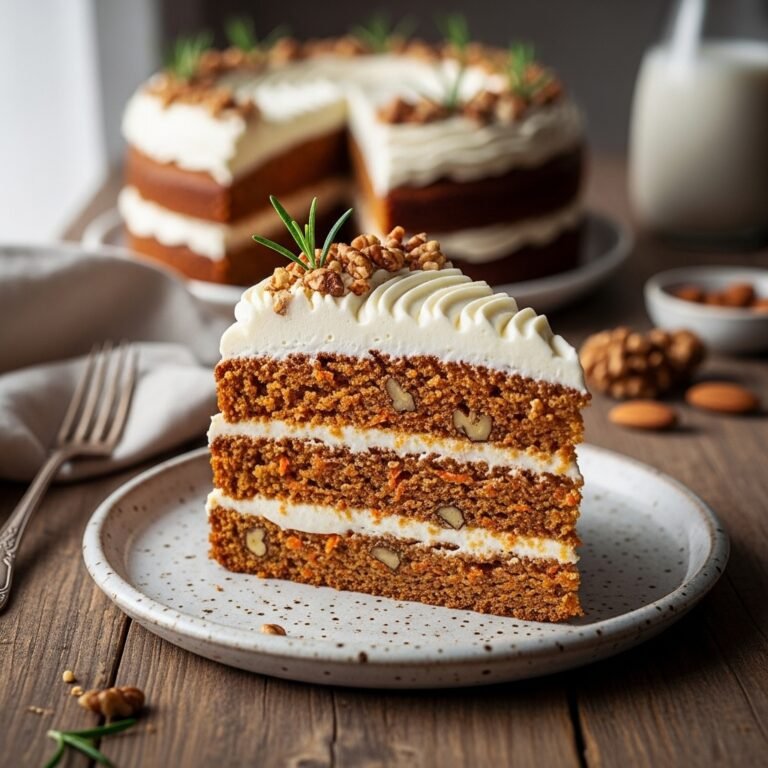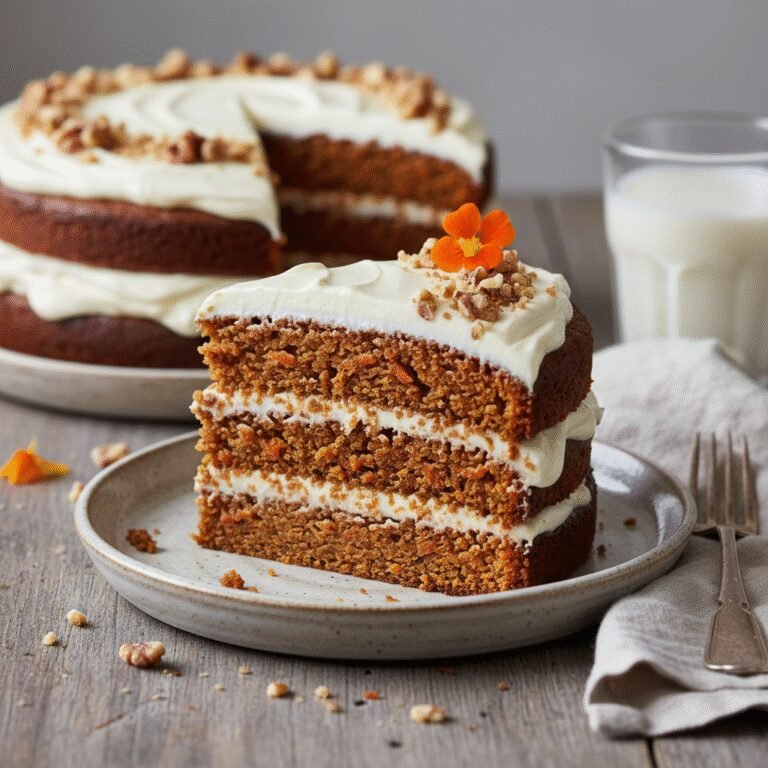
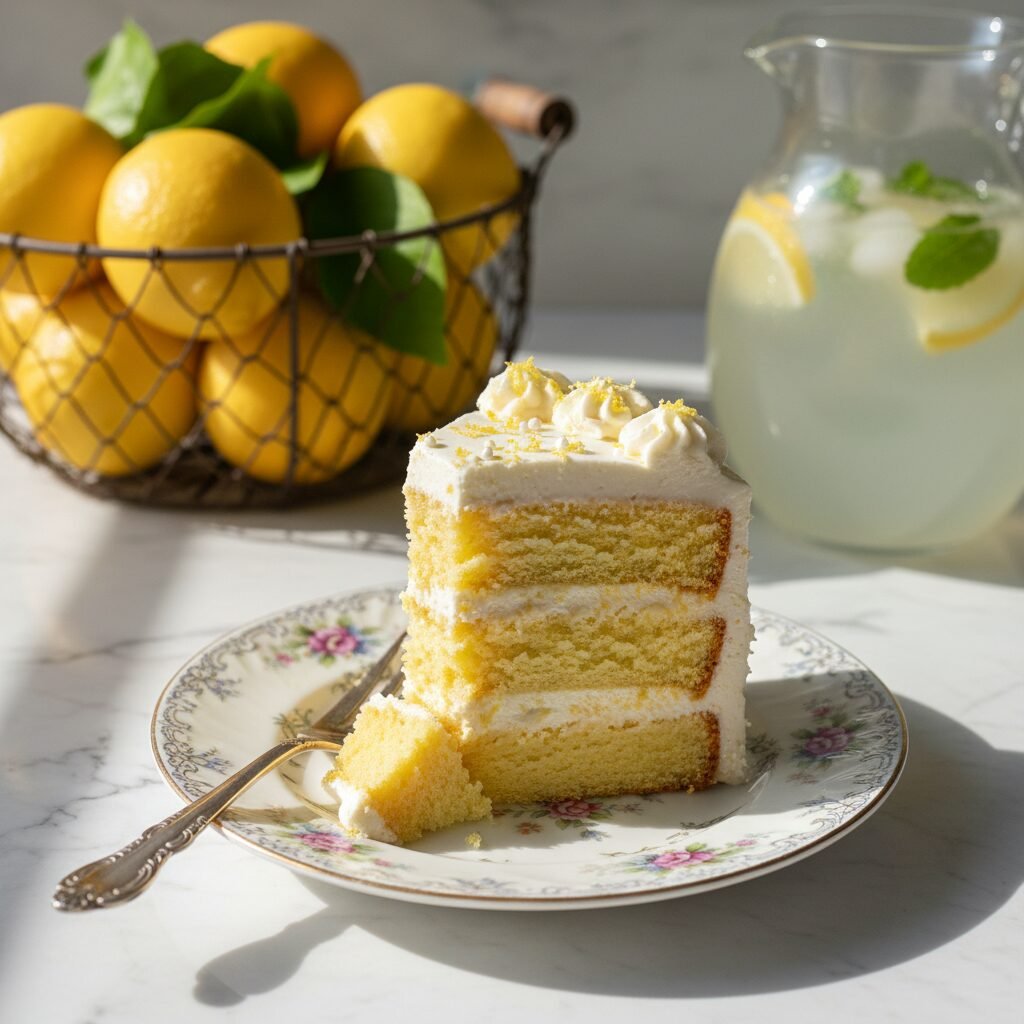
The Ultimate Moist Vegan Lemon Cake with Silky Buttercream
Moist Vegan Lemon Cake With Vegan Buttercream Recipe
Bursting with sunshine and bright citrus flavor, this moist vegan lemon cake is the ultimate plant-based dessert. Paired with a velvety, dairy-free buttercream, it creates a perfect balance of zesty and sweet that rivals any traditional bakery cake.
25 minutes
35 minutes
1 hour 30 minutes
12 servings (2 8-inch rounds)
Dessert
Baking
American
Vegan
There is something undeniably cheerful about a lemon cake. It is the culinary equivalent of a sunny spring day, promising brightness and energy with every forkful. However, for those following a plant-based lifestyle, finding a vegan lemon cake that isn’t dense, gummy, or dry can be a pursuit fraught with disappointment. Many recipes rely too heavily on applesauce or bananas, which can muddle the pure, sharp citrus flavor we crave. This recipe is the answer to your prayers. It is a celebration of texture and taste, resulting in a crumb so tender and moist that you will struggle to believe it contains no eggs or dairy. The secret lies in the chemistry of the ingredients—creating a robust vegan buttermilk and using the right fat ratios to ensure a plush, soft interior that stays fresh for days.
But a cake is only as good as its frosting. We top this masterpiece with a luscious, whipped vegan lemon buttercream that melts in your mouth. It is not just ‘good for a vegan cake’; it is simply an incredible cake, period. Whether you are baking for a birthday, a bridal shower, or just a Tuesday afternoon pick-me-up, this dessert delivers a sophisticated flavor profile where the tartness of fresh lemon juice cuts through the sweetness of the sugar, leaving your palate refreshed and satisfied. Get ready to banish the myth that vegan baking is difficult or compromising—this cake is about to become your new signature bake.
History & Origins
The history of lemon cake is as rich as its flavor, though its evolution into the vegan masterpiece we know today is a more modern tale. Citrus fruits have been cultivated for thousands of years, originating in Southeast Asia before spreading to the Mediterranean and eventually the Americas. By the 18th century, pound cakes—named for their pound-for-pound ratio of flour, butter, eggs, and sugar—began incorporating lemon zest and juice to cut through the richness of the batter. These early cakes were dense and heavy, a far cry from the airy sponges we prefer today.
The concept of ‘vegan’ baking, or baking without eggs and dairy, actually gained significant traction during the Great Depression and World War II due to rationing. These were often called ‘Wacky Cakes’ or ‘Depression Cakes,’ relying on vinegar and baking soda for lift rather than scarce eggs. While these early iterations were ingenious, they were often chocolate-based to mask the lack of richness.
As the plant-based movement surged in the 21st century, so did the sophistication of vegan patisserie. Home bakers and chefs began experimenting with aquafaba, flax eggs, and chemical leavening agents to replicate the protein structures of eggs. This specific recipe stands on the shoulders of that culinary evolution. It moves away from the ‘health food’ dense cakes of the 1970s and embraces modern food science, utilizing the reaction between plant-based milk and acid to create a tender crumb that honors the classic lemon cakes of European heritage while remaining entirely cruelty-free.
Why This Recipe Works
This recipe succeeds where many others fail due to three primary scientific principles: the ‘reverse creaming’ effect of the liquids, the creation of vegan buttermilk, and the specific choice of fat. First, we create a vegan buttermilk by combining high-protein soy milk with apple cider vinegar and fresh lemon juice. When let to sit, this mixture curdles. This acidity is crucial—it reacts vigorously with the baking soda to create carbon dioxide bubbles, providing the lift and fluffiness that eggs usually provide. Without this reaction, vegan cakes can turn out like dense pucks.
Secondly, we use oil instead of vegan butter for the cake batter itself. While butter provides flavor, it contains water and solids that can dry out a cake once cool. Oil is 100% fat and remains liquid at room temperature, coating the flour proteins (gluten) and preventing them from becoming tough. This ensures the cake stays incredibly moist and soft for days, rather than drying out after a few hours.
Finally, we employ the technique of rubbing lemon zest directly into the granulated sugar before mixing. The friction releases the essential oils from the zest into the sugar crystals, infusing the entire batter with a deep, aromatic lemon flavor that extract alone cannot achieve. This triple-threat approach ensures a cake that is structurally sound, texturally divine, and flavor-forward.
Why You’ll Love This Recipe
- ✓Incredibly moist crumb that stays soft for days
- ✓100% Egg-free and Dairy-free
- ✓Bright, natural lemon flavor using zest and juice
- ✓Silky, pipeable vegan buttercream
- ✓No obscure ingredients—pantry staples only
- ✓Perfect for layer cakes or cupcakes
Equipment You’ll Need
- ✓Two 8-inch round cake pans
- ✓Stand mixer or electric hand mixer
- ✓Large mixing bowl
- ✓Medium mixing bowl
- ✓Whisk
- ✓Rubber spatula
- ✓Microplane or zester
- ✓Wire cooling rack
- ✓Parchment paper
Ingredients
- ✓2 ½ cups (315g) All-purpose flour
- ✓1 ½ cups (300g) Granulated sugar
- ✓1 ½ tsp Baking powder
- ✓1 tsp Baking soda
- ✓½ tsp Salt
- ✓1 ½ cups (360ml) Soy milk (unsweetened)
- ✓1 tbsp Apple cider vinegar
- ✓½ cup (120ml) Canola oil or vegetable oil
- ✓1 tbsp Lemon zest (approx 2 lemons)
- ✓2 tbsp Fresh lemon juice
- ✓1 tsp Pure vanilla extract
- ✓1 cup (225g) Vegan butter sticks, slightly softened (for buttercream)
- ✓3-4 cups (360g-480g) Powdered sugar, sifted (for buttercream)
- ✓2 tbsp Fresh lemon juice (for buttercream)
- ✓1 tsp Lemon zest (for buttercream)
- ✓Pinch of turmeric (optional, for yellow color)
Instructions
- Preheat your oven to 350°F (175°C). Grease two 8-inch round cake pans with oil and line the bottoms with parchment paper circles. This guarantees the cakes won’t stick.
- In a medium bowl or measuring jug, combine the soy milk and apple cider vinegar. Stir gently and set aside for 5-10 minutes to curdle into vegan buttermilk.
- In a large mixing bowl, place the granulated sugar and 1 tablespoon of lemon zest. Use your fingers to rub the zest into the sugar until it is fragrant and looks like wet sand. This releases the lemon oils.
- Sift the all-purpose flour, baking powder, baking soda, and salt into the bowl with the lemon sugar. Whisk well to combine and ensure the raising agents are evenly distributed.
- To the curdled soy milk mixture, add the oil, 2 tablespoons of lemon juice, and vanilla extract. Whisk until combined.
- Pour the wet ingredients into the dry ingredients. Use a whisk or spatula to mix until just combined. Do not overmix; small lumps are fine. Overmixing will make the cake tough.
- Divide the batter evenly between the two prepared cake pans. Tap the pans gently on the counter to release any large air bubbles.
- Bake for 30-35 minutes, or until a toothpick inserted into the center comes out clean or with just a few moist crumbs. The tops should be pale golden.
- Remove from the oven and let the cakes cool in the pans for 10 minutes. Then, carefully turn them out onto a wire rack to cool completely. They must be absolutely cool before frosting.
- To make the buttercream: In a stand mixer or large bowl, beat the softened vegan butter for 5 minutes until pale and fluffy.
- Gradually add the powdered sugar, 1 cup at a time, beating well after each addition.
- Add the lemon juice, lemon zest, and a tiny pinch of turmeric (if using for color). Whip on high speed for another 3-4 minutes until airy and creamy.
- Once the cakes are cool, spread a layer of frosting on top of one cake, stack the second cake on top, and cover the top and sides with the remaining buttercream. Garnish with lemon slices or zest.
Expert Cooking Tips
- ✓Use a kitchen scale to weigh your flour. Scooping with a cup often leads to compacted flour and a dry cake.
- ✓Ensure your soy milk has a high protein content. Almond milk or rice milk won’t curdle as well for the buttermilk reaction.
- ✓Do not skip the parchment paper. Vegan cakes can be slightly more fragile when warm, and parchment ensures a perfect release.
- ✓Room temperature ingredients are key. Cold milk or oil can cause the batter to seize or mix unevenly.
- ✓If your buttercream is too soft, refrigerate it for 15 minutes before piping. Vegan butter has a lower melting point than dairy butter.
- ✓Rubbing the zest into the sugar is a non-negotiable step for the best flavor payoff.
- ✓Let the cakes cool completely—even chill them slightly—before frosting to prevent the buttercream from sliding off.
Substitutions and Variations
For the flour, you can use a high-quality 1:1 Gluten-Free Baking Flour blend (like Bob’s Red Mill) to make this gluten-free; however, the texture may be slightly denser. If you don’t have soy milk, oat milk is the next best option for the buttermilk, followed by almond milk, though soy yields the best curdling. Canola oil can be swapped for melted coconut oil, but ensure all other ingredients are room temperature so the oil doesn’t solidify instantly in the batter. For the sweetener, regular white sugar is best for structure, but organic cane sugar works well too (it just makes the cake slightly darker). In the frosting, if you cannot find vegan butter sticks, vegetable shortening can be used, though the flavor will be less buttery; add a pinch more salt and vanilla to compensate.
Common Mistakes to Avoid
The most common mistake is overmixing the batter. Once the wet and dry ingredients meet, the gluten begins to develop. If you mix too vigorously, you will end up with a rubbery, bread-like texture instead of a tender cake. Another error is opening the oven door too early. This releases heat and can cause the center of the cake to sink. Wait until at least 25 minutes have passed before peeking. Finally, using ‘tub’ margarine instead of vegan butter sticks for the frosting will result in a runny mess. Tub margarine has too high a water content; always use sticks for buttercream.
Serving Suggestions
Serve this cake at room temperature to ensure the buttercream is silky and the cake is soft. It pairs beautifully with a hot cup of Earl Grey tea, which complements the citrus notes. For a summer presentation, serve with a side of macerated fresh berries (strawberries or raspberries) or a dollop of coconut whipped cream. Garnish with candied lemon slices, edible flowers like pansies or nasturtiums, or fresh sprigs of thyme for an elegant, rustic look.
Storage and Reheating Tips
This cake keeps exceptionally well due to the oil content. Store it in an airtight cake carrier at room temperature for up to 2 days. If your kitchen is very warm (over 75°F), store it in the refrigerator to keep the buttercream from melting, but let it come to room temperature for 30 minutes before eating. For longer storage, keep it in the fridge for up to 5 days. To freeze, wrap individual slices tightly in plastic wrap and then foil. They can be frozen for up to 3 months. Thaw on the counter for an hour before enjoying.
Nutrition Facts (Estimated)
| Serving Size | 1 slice |
| Calories | 480 |
| Fat | 22g |
| Saturated Fat | 6g |
| Unsaturated Fat | 15g |
| Trans Fat | 0g |
| Cholesterol | 0mg |
| Sodium | 290mg |
| Carbohydrates | 68g |
| Fiber | 1g |
| Sugar | 38g |
| Protein | 4g |
Frequently Asked Questions
Can I make this cake gluten-free?
Yes, you can substitute the all-purpose flour with a high-quality 1-to-1 gluten-free flour blend containing xanthan gum. The texture might be slightly less fluffy, but it will still be delicious.
Why did my cake sink in the middle?
This usually happens if the oven door was opened too early, causing a temperature drop, or if the baking powder/soda was expired. It can also happen if the batter was over-mixed.
Can I reduce the sugar in the recipe?
Sugar provides structure and moisture, not just sweetness. Reducing it by more than 1/4 cup will significantly alter the texture, making the cake denser and drier. Proceed with caution.
My buttercream looks curdled or separated. How do I fix it?
This happens if the butter and lemon juice are at different temperatures. To fix, whip on high speed for 5-10 minutes; it usually comes back together. If not, melt 1 tbsp of the mixture in the microwave and pour it back in while whipping.
Can I make this as cupcakes instead?
Absolutely! This recipe yields about 20-24 standard cupcakes. Bake them at 350°F (175°C) for 18-22 minutes.
Do I have to use soy milk?
Soy milk reacts best with the vinegar to create a thick buttermilk, which aids the lift. Oat milk is a good second choice. Almond milk works but is thinner.
Can I use bottled lemon juice?
For the cake batter, bottled is okay in a pinch. However, for the buttercream and zest, fresh lemons are essential for that bright, authentic citrus flavor.
Is this cake suitable for stacking tiers?
Yes, this cake is sturdy enough for a two or three-layer cake. If making a very tall wedding cake, ensure you use dowels for support as you would with any cake.
Why is my cake gummy?
Gumminess is a sign of overmixing the flour or underbaking. Ensure you mix until ‘just combined’ and test the center with a toothpick.
Can I bake this in a Bundt pan?
Yes, but grease the pan very thoroughly. Bake at 350°F for 45-55 minutes, checking for doneness. Cool completely before flipping to prevent breaking.
Conclusion
Baking a vegan cake that rivals traditional dairy-filled desserts is a triumph, and this Moist Vegan Lemon Cake is a testament to how delicious plant-based eating can be. With its bright, zesty aroma and impossibly soft texture, it is sure to become a requested favorite at all your gatherings. Whether you are a seasoned vegan baker or just dipping your toes into dairy-free desserts, this recipe is foolproof and rewarding. Don’t forget to share your beautiful creations on Pinterest and tag us—we love seeing how you decorate your masterpieces! Happy baking!