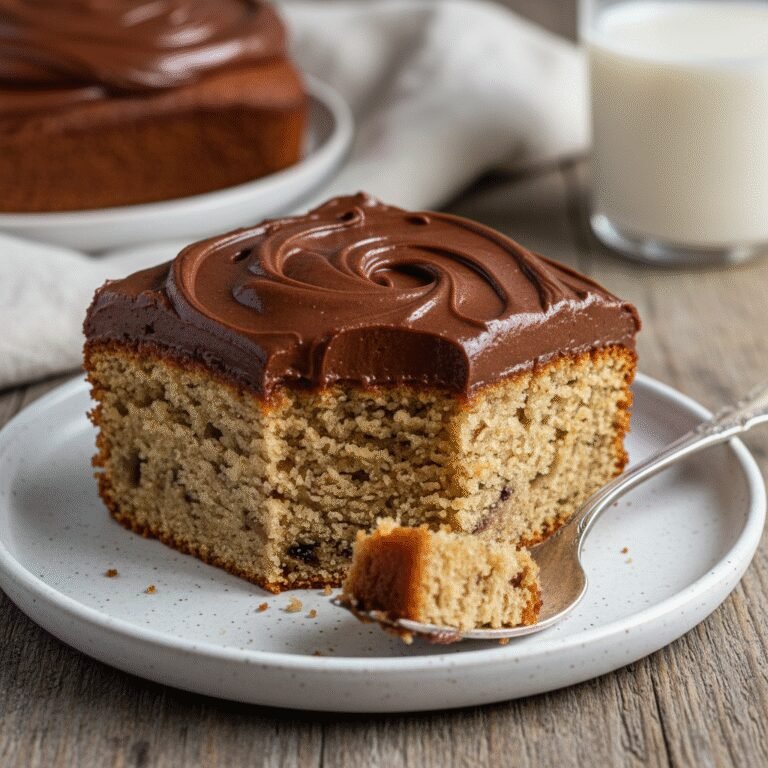
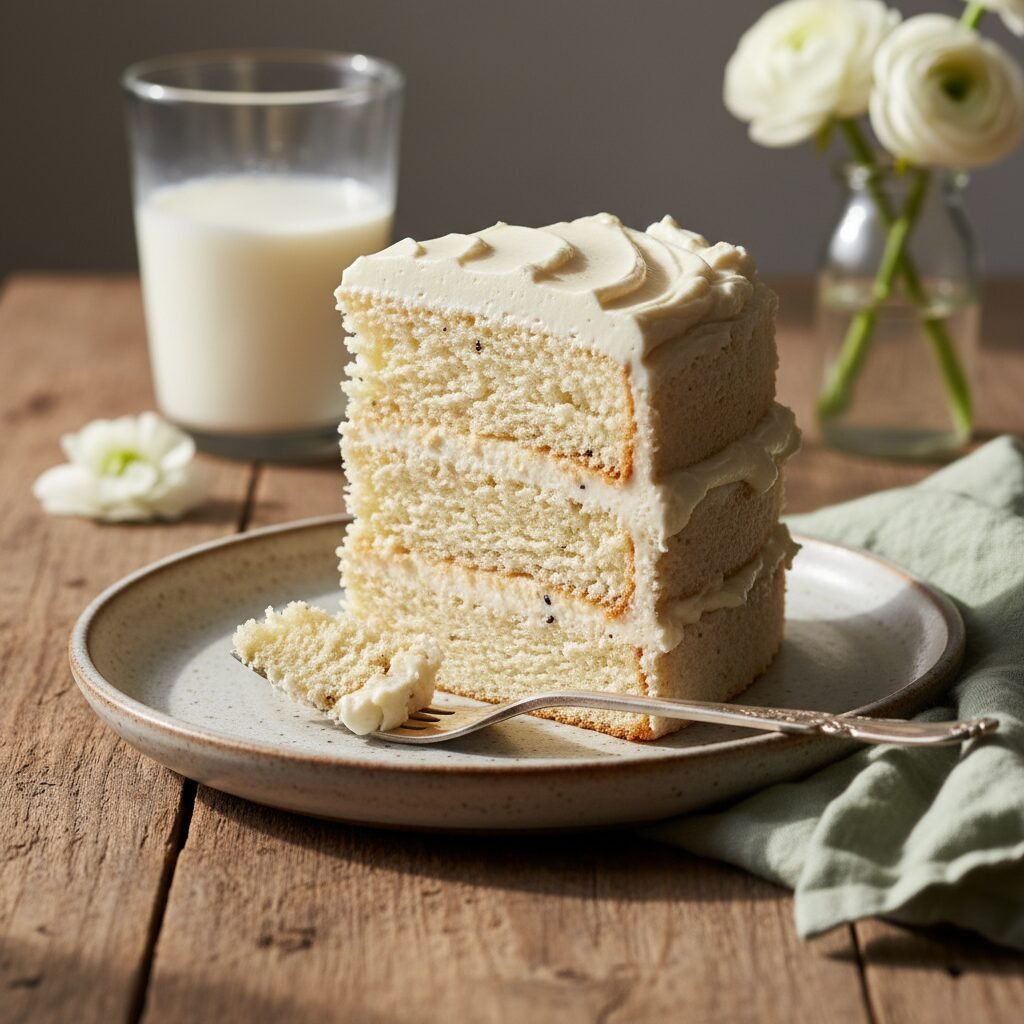
The Ultimate Moist Vegan Vanilla Cake With Tangy Cream Cheese Frosting
Moist Vegan Vanilla Cake With Vegan Cream Cheese Frosting Recipe
Discover the holy grail of vegan baking: a classic vanilla cake that is fluffy, tender, and incredibly moist. Paired with a luscious, dairy-free cream cheese frosting, this recipe is a showstopper for birthdays and celebrations, fooling even the most skeptical omnivores with its perfect crumb.
20 minutes
30 minutes
1 hour 30 minutes (includes cooling)
12-14 servings (2 8-inch round cakes)
Dessert
Baking
American
Vegan
If you have been on a quest for the perfect vegan vanilla cake, you know the struggle is real. Too often, egg-free and dairy-free cakes fall into one of two unfortunate categories: dense, rubbery bricks or dry, crumbly messes that fall apart the moment you look at them. For years, the baking world assumed that eggs were the non-negotiable structural integrity of a good vanilla cake. But today, we are breaking all the rules and shattering expectations. This Moist Vegan Vanilla Cake is not just ‘good for a vegan cake’—it is simply an outstanding cake, period.
The secret lies in the delicate balance of ingredients that mimic the protein structure and moisture retention usually provided by eggs and butter. We achieve a tender, velvety crumb that melts in your mouth, infused with the aromatic warmth of high-quality vanilla bean paste. Unlike chocolate cakes, which can hide behind the richness of cocoa powder, a vanilla cake has nowhere to hide. The flavor must be pure, sweet, and buttery, even without the dairy.
To crown this masterpiece, we’ve paired it with a Vegan Cream Cheese Frosting that is tangy, sweet, and sturdy enough to pipe beautiful rosettes. Many vegan frostings suffer from being too runny or tasting artificial, but this recipe nails that classic, thick cream cheese texture that pairs so perfectly with the light sponge. Whether you are baking for a strictly plant-based crowd, someone with egg allergies, or just want a lighter dessert option that doesn’t compromise on decadence, this cake is your new go-to. Get ready to impress your guests and perhaps even trick a few dairy-lovers in the process!
History & Origins
The concept of cake has evolved dramatically over centuries, originating from ancient modifications of bread. However, the light, fluffy, sweet confection we recognize today is a relatively modern invention, largely made possible by the development of baking powder and refined white flour in the mid-19th century. Vanilla, an orchid derivative native to Mexico, became the quintessential flavoring for these cakes as global trade routes expanded, solidifying the ‘vanilla cake’ as a household staple in America by the early 20th century.
The history of vegan baking, specifically, is often traced back to times of scarcity rather than lifestyle choice. During the Great Depression and World War II, rationing of butter, milk, and eggs forced home bakers to get creative. This era gave birth to the ‘Wacky Cake’ (or Depression Cake), a chocolate cake that relied on vinegar and baking soda for lift. While chocolate wacky cake became a classic, replicating a white or vanilla cake without eggs proved much more difficult because the structural binding of eggs is more critical in a delicate white sponge.
In the late 20th and early 21st centuries, as the vegan movement shifted from a fringe subculture to a mainstream lifestyle centered on ethics, health, and sustainability, the demand for high-quality plant-based patisserie exploded. Early iterations of commercial vegan cakes were often disappointing, relying on heavy whole wheat flours or dense applesauce substitutions. However, the molecular gastronomy revolution and a better understanding of food chemistry have ushered in a golden age of vegan baking. Today’s recipes, like this one, utilize precise ratios of plant-based acids and fats to replicate the aeration and emulsion of traditional baking, proving that history and tradition can evolve to be kinder without losing flavor.
Why This Recipe Works
This recipe succeeds where many others fail due to a deep understanding of food chemistry. In traditional baking, eggs provide structure (protein), leavening, and moisture. To replace them effectively without using commercial egg replacers (which can leave a chalky aftertaste), we rely on a ‘vegan buttermilk’ method. By mixing soy milk with apple cider vinegar, the milk curdles slightly. This acidity reacts vigorously with the baking soda, creating carbon dioxide bubbles that give the cake a tremendous lift and an airy texture.
Furthermore, we use a neutral oil instead of vegan butter for the cake batter itself. While butter adds flavor, it contains water and solidifies at room temperature, which can lead to a drier cake once cooled. Oil remains liquid at room temperature, ensuring that the cake stays incredibly moist and soft for days. We also incorporate a mix of baking powder and baking soda to ensure the cake rises quickly enough to set the structure before the bubbles collapse.
For the frosting, the challenge is stability. Vegan cream cheese often has a higher water content than dairy cream cheese. To combat this, we use a combination of high-fat vegan butter sticks (not tub margarine) and cream cheese, and we chill the mixture slightly before whipping. This ensures a frosting that is pipeable and holds its shape, providing the perfect tangy counterpoint to the sweet, vanilla-infused sponge.
Why You’ll Love This Recipe
- ✓100% Egg-Free and Dairy-Free
- ✓Incredibly moist texture that stays soft for days
- ✓Tangy, stable frosting perfect for piping
- ✓Simple pantry ingredients—no weird egg replacers
- ✓Perfect for birthdays, weddings, and holidays
- ✓Customizable with different extracts or fillings
Equipment You’ll Need
- ✓Two 8-inch round cake pans
- ✓Electric stand mixer or hand mixer
- ✓Large mixing bowls
- ✓Whisk
- ✓Rubber spatula
- ✓Wire cooling rack
- ✓Measuring cups and spoons
- ✓Parchment paper
- ✓Offset spatula for frosting
Ingredients
- ✓2 ½ cups All-purpose flour (spooned and leveled)
- ✓1 ½ cups Granulated sugar
- ✓1 ½ tsp Baking powder
- ✓½ tsp Baking soda
- ✓½ tsp Fine sea salt
- ✓1 ½ cups Unsweetened soy milk (or almond milk)
- ✓1 tbsp Apple cider vinegar
- ✓½ cup Neutral oil (canola, vegetable, or grapeseed)
- ✓1 tbsp Pure vanilla extract or vanilla bean paste
- ✓— FOR THE FROSTING —
- ✓½ cup Vegan butter sticks, slightly softened
- ✓8 oz Vegan cream cheese, cold
- ✓4 cups Powdered sugar, sifted
- ✓1 tsp Vanilla extract
- ✓Pinch of salt
Instructions
- Preheat your oven to 350°F (175°C). Grease two 8-inch round cake pans with oil and line the bottoms with parchment paper rounds. This guarantees your cakes won’t stick.
- In a measuring cup, combine the soy milk and apple cider vinegar. Whisk gently and set aside for 5-10 minutes to curdle. This creates your vegan buttermilk.
- In a large mixing bowl, sift together the flour, sugar, baking powder, baking soda, and salt. Whisk well to ensure the leavening agents are evenly distributed.
- Pour the curdled soy milk mixture, oil, and vanilla extract into the dry ingredients.
- Mix gently with a whisk or on low speed with a mixer just until the batter is smooth and no large lumps of flour remain. Do not overmix, or the gluten will develop too much and make the cake rubbery.
- Divide the batter evenly between the two prepared cake pans. Tap the pans gently on the counter to release any large air bubbles.
- Bake in the center of the oven for 28-35 minutes, or until a toothpick inserted into the center comes out clean or with just a few moist crumbs.
- Remove from the oven and let the cakes cool in the pans for 15 minutes. Then, carefully invert them onto a wire rack to cool completely before frosting. They must be 100% cool, or the frosting will melt.
- While cakes cool, make the frosting. In a large bowl, beat the vegan butter and vegan cream cheese together until creamy and smooth (about 2-3 minutes).
- Gradually add the sifted powdered sugar, one cup at a time, beating on low speed until incorporated. Add the vanilla and salt.
- Turn the mixer to high and whip for 2-3 minutes until the frosting is light, fluffy, and creamy. If it’s too soft, refrigerate for 20 minutes.
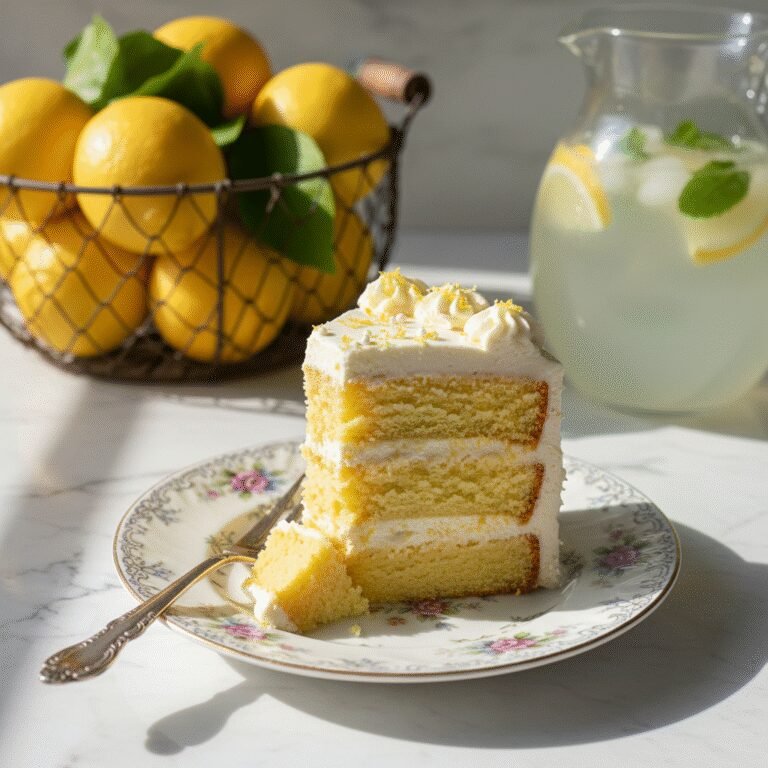
- Frost the cooled cakes, adding a layer of frosting between the two rounds and covering the top and sides. Garnish with sprinkles or fresh berries if desired.
Expert Cooking Tips
- ✓Measure flour correctly: Use a kitchen scale or the spoon-and-level method. Scooping directly with the cup packs the flour and leads to a dry cake.
- ✓Don’t skip the parchment paper: Vegan cakes can be slightly more fragile than egg cakes; parchment ensures a clean release.
- ✓Room temperature ingredients: While the milk is curdled, ensure your frosting ingredients are at the right temp. Butter should be cool-room-temp, but vegan cream cheese often stays more stable if slightly cold.
- ✓Soy milk is best: Soy milk has a higher protein content than almond or oat milk, making for a better buttermilk substitute.
- ✓Cool completely: This cannot be stressed enough. Vegan buttercream is heat sensitive. The cake must be cool to the touch.
- ✓Use vanilla bean paste: For visible specks of vanilla and a more intense flavor, swap extract for paste.
Substitutions and Variations
This recipe is quite flexible, but chemistry matters. If you don’t have apple cider vinegar, white vinegar or lemon juice works perfectly as a substitute for curdling the milk. For the flour, you can use cake flour for an even lighter crumb, but you may need to increase the amount slightly (approx 2 ¾ cups). If you need a gluten-free version, substitute the all-purpose flour with a high-quality 1:1 Gluten-Free Baking Flour blend that contains xanthan gum; however, the texture may be slightly denser. For the oil, melted coconut oil can be used, but ensure all other ingredients are room temperature so the oil doesn’t solidify instantly during mixing. In the frosting, if you cannot find vegan cream cheese, you can make a standard vegan buttercream by replacing the cream cheese with more vegan butter and a splash of plant milk.
Common Mistakes to Avoid
The most common mistake is overmixing the batter. Once the wet and dry ingredients meet, the clock starts ticking on the chemical reaction, and gluten begins to form. Mix only until combined. Another issue is opening the oven door too early; this can cause the cakes to sink in the middle due to a sudden drop in temperature. Regarding the frosting, many people use tub margarine instead of vegan butter sticks. Tub margarine has high water content and will result in a soupy mess that slides off the cake. Always use stick butter for frosting. Finally, ensure your baking powder and soda are fresh; if they are expired, the cake will be dense and flat.
Serving Suggestions
This cake is a stunning centerpiece for any celebration. Serve it on a classic cake stand to elevate the presentation. It pairs beautifully with fresh berries—strawberries, raspberries, or blueberries—which cut through the sweetness of the frosting. A side of coconut whipped cream or a scoop of dairy-free vanilla ice cream makes for an indulgent dessert plate. For a birthday flair, rainbow sprinkles are a must. If you are serving this at an afternoon tea, a cup of Earl Grey or a strong black coffee complements the vanilla notes perfectly.
Storage and Reheating Tips
Store the frosted cake in the refrigerator, especially if your kitchen is warm, as the vegan cream cheese frosting can soften. It will keep well in the fridge for up to 5 days in an airtight cake carrier. However, cake tastes best at room temperature, so remove slices from the fridge about 20-30 minutes before serving to allow the frosting to soften and the crumb to relax. You can also freeze the unfrosted cake layers for up to a month; wrap them tightly in plastic wrap and then foil. Thaw in the fridge overnight before frosting.
Nutrition Facts (Estimated)
| Serving Size | 1 slice |
| Calories | 480 |
| Fat | 24g |
| Saturated Fat | 6g |
| Unsaturated Fat | 18g |
| Trans Fat | 0g |
| Cholesterol | 0mg |
| Sodium | 320mg |
| Carbohydrates | 62g |
| Fiber | 1g |
| Sugar | 35g |
| Protein | 4g |
Frequently Asked Questions
Can I make this cake gluten-free?
Yes, you can use a 1:1 Gluten-Free All Purpose Baking Flour. Ensure the blend contains xanthan gum. The texture will be slightly different, but still delicious.
Why did my cake sink in the middle?
This usually happens if the oven door was opened too early, or if the cake was underbaked. It can also result from too much leavening (baking powder/soda).
Can I use coconut sugar instead of white sugar?
You can, but it will change the color of the cake to a dark brown and alter the flavor to be more caramel-like. For a classic white vanilla look, stick to cane sugar.
My frosting is too runny, what do I do?
Add more powdered sugar, 1/4 cup at a time. Also, ensure your kitchen isn’t too hot. You can place the bowl in the fridge for 20 minutes to firm up the fats.
Can I make this into cupcakes?
Absolutely! This recipe will make about 20-24 cupcakes. Reduce the baking time to 18-22 minutes.
What brand of vegan cream cheese is best?
Brands like Violife, Miyoko’s, or Kite Hill tend to have the best texture for frosting. Avoid spreads labeled ‘whipped’ as they contain too much air and water.
Do I need a stand mixer?
For the cake batter, a hand whisk is actually better to prevent overmixing. For the frosting, an electric hand mixer or stand mixer is highly recommended to get it fluffy.
Is the vinegar taste noticeable?
Not at all. The vinegar reacts completely with the baking soda and the sweetness of the sugar masks any remaining acidity, leaving only a tender crumb.
Conclusion
There you have it—the definitive guide to making the best Moist Vegan Vanilla Cake you will ever taste. This recipe proves that you don’t need dairy or eggs to create a dessert that is luxurious, comforting, and celebratory. Whether you are a seasoned vegan baker or just dipping your toes into plant-based cooking, this cake is forgiving, reliable, and utterly delicious. So preheat that oven, grab your favorite mixing bowl, and get ready to bake a cake that will have everyone asking for a second slice. Happy baking!