The Ultimate Moist Vegan Vanilla Cake: A Fluffy, Bakery-Style Classic
Moist Vegan Vanilla Cake Recipe
Discover the secret to the most tender, fluffy, and moist vegan vanilla cake you will ever taste. This fool-proof recipe rivals any traditional dairy-based cake, making it the perfect centerpiece for birthdays, weddings, or simply a cozy afternoon treat.
20 minutes
30 minutes
50 minutes
2 8-inch round cakes (approx. 12-16 servings)
Dessert
Baking
American
Vegan
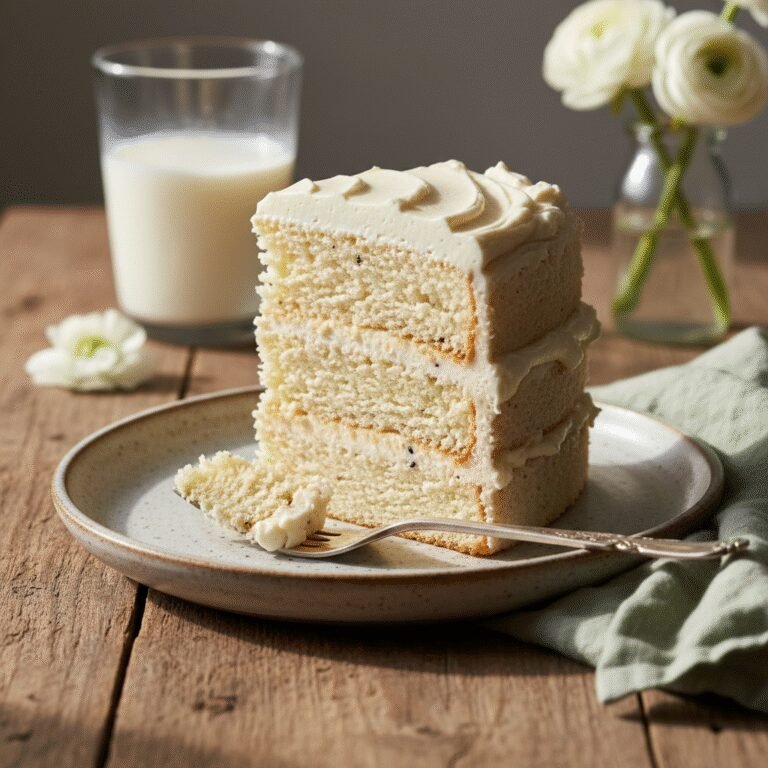
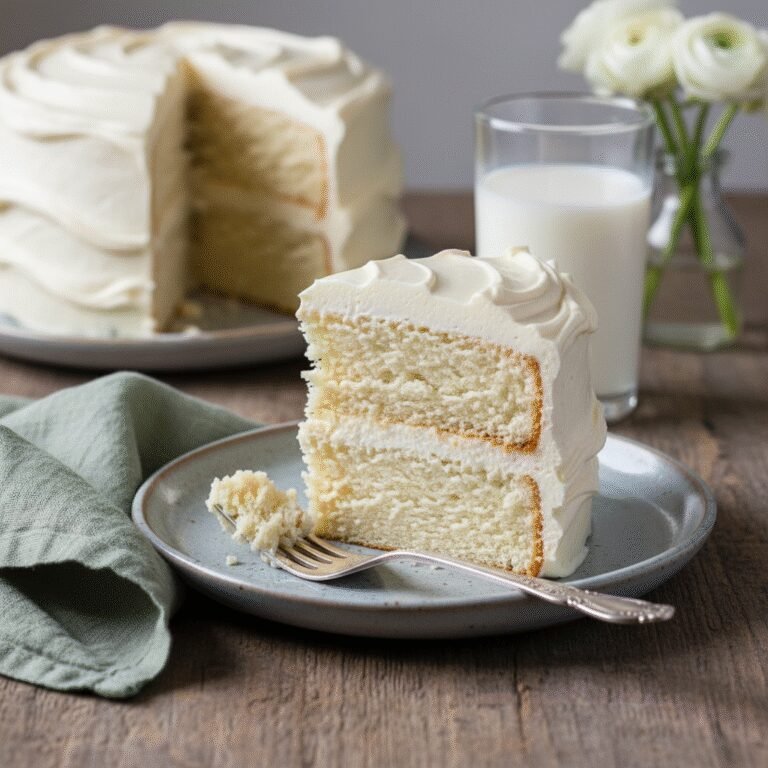
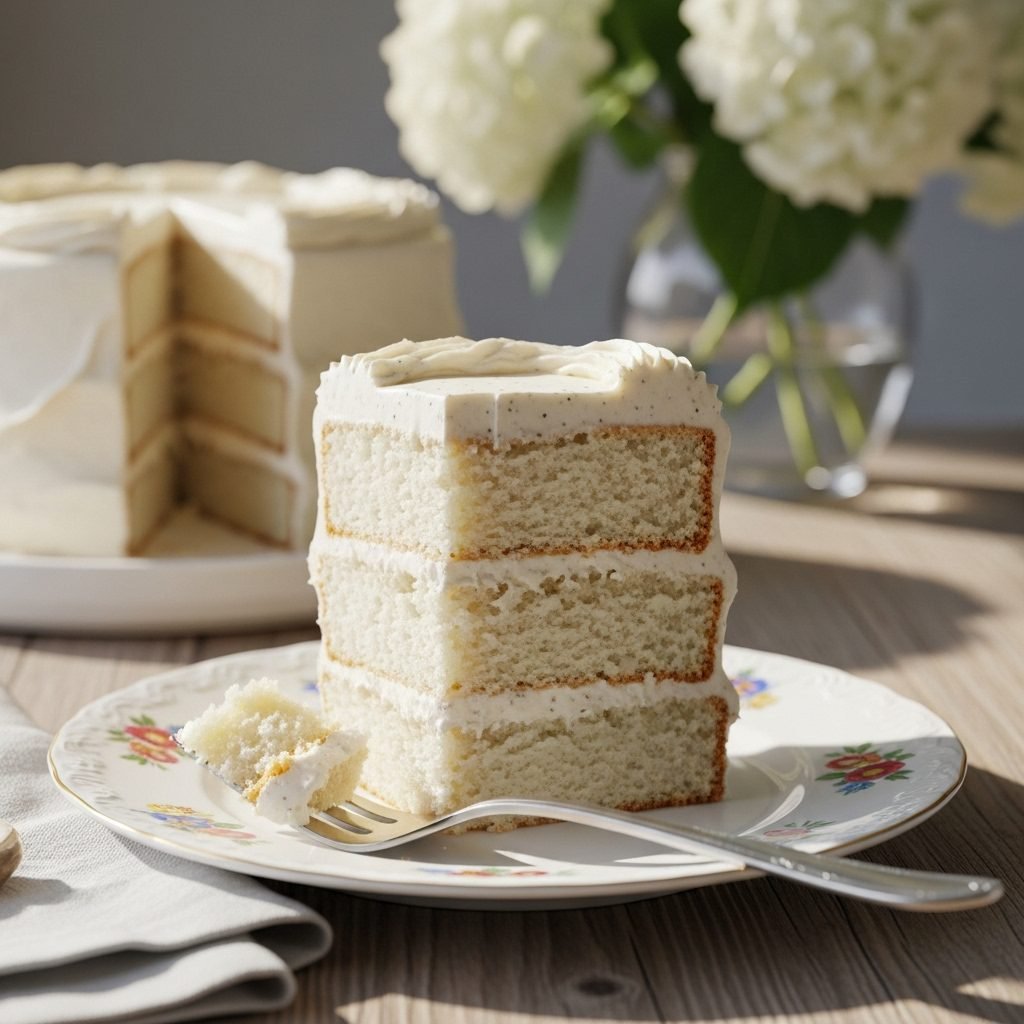
If there is one holy grail in the world of plant-based baking, it is undoubtedly the perfect vanilla cake. For years, vegan cakes suffered from a reputation of being either too dense, gummy, or disappointingly dry. But let me tell you, those days are long behind us. This Moist Vegan Vanilla Cake recipe is a game-changer, shattering every misconception about egg-free and dairy-free baking. We are talking about a crumb so tender it practically melts in your mouth, a structure that holds up beautifully to layers of buttercream, and a pure, aromatic vanilla flavor that shines through in every bite.
Creating a vegan cake that mimics the texture of a traditional butter-and-egg cake requires a little bit of science and a lot of love. The journey to this recipe involved countless trials—testing different ratios of flour to liquid, experimenting with various plant-based fats, and finding the perfect leavening balance. The result is a masterpiece of texture and taste. It’s not just ‘good for a vegan cake’; it is simply a phenomenal cake, period. Whether you are a seasoned vegan baker or just looking to reduce your dairy intake without sacrificing indulgence, this recipe is your new best friend. Imagine slicing into a tall, white, fluffy cake that smells like a vanilla bean dream. That is exactly what we are baking today. It’s versatile enough for a fancy tiered wedding cake yet simple enough to whip up for a Tuesday night dessert craving. Get ready to impress even the most skeptical omnivores in your life!
History & Origins
The history of cake is a long and sweet journey, evolving from ancient bread-like modifications to the light, airy confections we know today. The concept of a ‘vanilla cake’ as a staple really began to take shape in the 19th century with the discovery of baking powder and the mass production of refined white flour. Before this, cakes were often leavened with yeast or beaten eggs, resulting in a denser texture. The introduction of chemical leavening agents allowed for the ‘butter cake’ style that became the foundation of American baking.
Vanilla itself has a rich history, originating in Mexico where the Totonac people cultivated it before the Aztecs and eventually the Spanish spread it globally. For centuries, vanilla was an exotic luxury, but by the mid-20th century, it became the default flavor for American celebrations—synonymous with birthdays and comfort.
As for vegan baking, its roots are often traced back to times of rationing, such as the Great Depression and World War II. ‘Wacky Cake’ or ‘Depression Cake’ was born out of necessity when eggs, butter, and milk were scarce or expensive. These cakes relied on vinegar and baking soda for lift. While those early recipes were ingenious, the modern vegan movement has elevated plant-based baking into a culinary art form. Today, we aren’t just substituting ingredients out of scarcity; we are choosing high-quality plant-based alternatives like almond milk, coconut oil, and flax to create desserts that honor the tradition of the classic vanilla cake while aligning with modern ethical and dietary choices.
Why This Recipe Works
This recipe succeeds where many others fail because it masters the chemistry of egg-free leavening and moisture retention. In traditional baking, eggs provide structure, lift, and moisture. To replicate this without animal products, we utilize a ‘vegan buttermilk’ method. By combining high-protein plant milk (like soy or almond) with apple cider vinegar, the mixture curdles slightly. When this acidic liquid hits the baking soda, it creates an immediate chemical reaction—carbon dioxide bubbles—that gives the cake a tremendous lift and a light, airy crumb.
Furthermore, we use oil instead of vegan butter for the batter itself. While butter contains water that evaporates during baking, oil is 100% fat. This means it coats the flour proteins more effectively, inhibiting gluten formation (which keeps the cake tender) and ensuring the cake stays moist for days after baking. A common pitfall in vegan cakes is gumminess, often caused by over-mixing or incorrect flour ratios. This recipe uses a precise mix of all-purpose flour and cornstarch (or cake flour) to lower the protein content, ensuring a soft, velvety texture. The addition of both baking powder and baking soda ensures a consistent rise, preventing the dense ‘puck’ effect. Every ingredient here has a specific functional purpose, resulting in a cake that is structurally sound yet incredibly delicate.
Why You’ll Love This Recipe
- ✓Incredibly moist and tender crumb that stays fresh for days.
- ✓Simple pantry ingredients—no hard-to-find egg replacers needed.
- ✓Versatile base recipe that works for cupcakes, sheet cakes, or layers.
- ✓Pure, authentic vanilla flavor that isn’t masked by coconut or bean tastes.
- ✓Quick one-bowl mixing method that minimizes cleanup.
- ✓Tested to ensure a perfect rise without sinking in the middle.
Equipment You’ll Need
- ✓Two 8-inch round cake pans
- ✓Parchment paper
- ✓Large mixing bowl
- ✓Medium mixing bowl
- ✓Whisk
- ✓Sifter or fine-mesh sieve
- ✓Rubber spatula
- ✓Measuring cups and spoons
- ✓Wire cooling rack
Ingredients
- ✓2 ½ cups (315g) All-Purpose Flour
- ✓2 tbsp (15g) Cornstarch
- ✓1 ½ cups (300g) Granulated Sugar
- ✓1 ½ tsp Baking Powder
- ✓1 tsp Baking Soda
- ✓½ tsp Fine Sea Salt
- ✓1 ½ cups (360ml) Soy Milk or Almond Milk (unsweetened)
- ✓1 tbsp (15ml) Apple Cider Vinegar
- ✓½ cup (120ml) Neutral Oil (Canola, Vegetable, or Grapeseed)
- ✓1 tbsp (15ml) Pure Vanilla Extract
Instructions
- Preheat your oven to 350°F (175°C). Grease two 8-inch round cake pans with a little oil and line the bottoms with parchment paper to ensure easy removal.
- In a medium measuring cup or bowl, combine the soy milk and apple cider vinegar. Whisk gently and let it sit for about 5-10 minutes to curdle. This creates your vegan buttermilk.
- While the milk curdles, sift the all-purpose flour and cornstarch into a large mixing bowl. This step is crucial for a lump-free, airy batter.
- Add the granulated sugar, baking powder, baking soda, and salt to the flour mixture. Whisk the dry ingredients together thoroughly to ensure the leavening agents are evenly distributed.
- Pour the prepared vegan buttermilk mixture, neutral oil, and vanilla extract into the dry ingredients.
- Using a hand whisk or a rubber spatula, mix the batter gently. Start from the center and work your way out. Mix just until the dry ingredients are incorporated and no large lumps of flour remain. Do not overmix, or the cake will become tough.
- Divide the batter evenly between the two prepared cake pans. You can use a kitchen scale to ensure perfectly even layers.
- Tap the cake pans gently on the counter 2-3 times to release any large air bubbles trapped in the batter.
- Bake in the center of the preheated oven for 28-32 minutes. To test for doneness, insert a toothpick into the center of the cake; it should come out clean or with a few moist crumbs, but no wet batter.
- Remove the cakes from the oven and let them cool in the pans for about 15 minutes. This helps them set and makes them less fragile when moving.
- Carefully invert the cakes onto a wire cooling rack to cool completely before frosting. Do not attempt to frost warm cakes, or the frosting will melt.
Expert Cooking Tips
- ✓Measure flour correctly: Use a kitchen scale for accuracy, or the ‘spoon and level’ method if using cups. Scooping directly packs the flour and dries out the cake.
- ✓Room temperature ingredients: Ensure your milk is at room temperature before mixing to prevent the oil from seizing or clumping.
- ✓Don’t overmix: Once the wet and dry ingredients touch, gluten begins to form. Mix only until combined to keep the cake tender.
- ✓Use an oven thermometer: Home ovens often run hot or cold. An internal thermometer ensures you are baking at the exact right temperature.
- ✓Quality vanilla matters: Since vanilla is the star flavor, use a high-quality pure vanilla extract or vanilla bean paste rather than imitation flavoring.
- ✓Cool completely: Vegan cakes can be slightly more fragile when warm. Let them cool fully to room temperature to firm up the structure before stacking.
Substitutions and Variations
This recipe is quite flexible, but specific substitutions yield the best results. If you need to make this gluten-free, use a high-quality 1:1 Gluten-Free All-Purpose Baking Flour blend that contains xanthan gum. Almond flour or coconut flour alone will not work here as they lack the necessary structure.
For the sugar, standard white granulated sugar preserves the pale vanilla color, but you can use organic cane sugar or coconut sugar if you don’t mind a darker, caramel-colored crumb.
Regarding the milk, soy milk usually creates the best ‘buttermilk’ due to its higher protein content, but almond milk, oat milk, or even light coconut milk work well too. Just ensure they are unsweetened.
For the oil, any neutral-flavored oil works. Melted coconut oil can be used, but all other ingredients must be at room temperature to prevent it from solidifying in the batter. If you want to avoid oil, applesauce can be substituted, but be aware the texture will be denser and more bread-like.
Common Mistakes to Avoid
The most common mistake is over-baking. Vegan cakes do not have eggs to provide moisture, so if you leave them in the oven too long, they dry out rapidly. Check your cake at the 28-minute mark. Another frequent error is over-mixing the batter. This activates the gluten in the flour excessively, leading to a rubbery, dense, or gummy cake rather than a fluffy one.
Additionally, opening the oven door too early can cause the cakes to sink in the middle. The rush of cold air interrupts the rising process. Wait until at least 25 minutes have passed before taking a peek. Finally, skipping the parchment paper is a risk not worth taking; vegan cakes are tender, and sticking to the pan can ruin your presentation instantly.
Serving Suggestions
This Moist Vegan Vanilla Cake is a blank canvas for your creativity. It pairs perfectly with a classic Vegan American Buttercream or a rich Vegan Chocolate Ganache. for a lighter option, serve it with whipped coconut cream and a mountain of fresh berries like strawberries, raspberries, and blueberries.
For a birthday twist, fold sprinkles into the batter for a ‘Funfetti’ style cake. If you are serving this at a dinner party, a dusting of powdered sugar and a drizzle of raspberry coulis makes for an elegant plating. It also works wonderfully as a base for strawberry shortcake or a trifle.
Storage and Reheating Tips
To store this cake, keep it in an airtight container at room temperature for up to 3 days. The oil in the recipe helps it retain moisture well on the counter. If you are in a very hot or humid climate, or if you have used a perishable filling (like fresh fruit or cream cheese frosting), store it in the refrigerator for up to 5 days.
Freezing is also an excellent option. Wrap individual unfrosted layers tightly in plastic wrap, then a layer of foil. They can be frozen for up to 3 months. Thaw them on the counter still wrapped to retain moisture before frosting.
Nutrition Facts (Estimated)
| Serving Size | 1 slice (without frosting) |
| Calories | 240 |
| Fat | 10g |
| Saturated Fat | 1.5g |
| Unsaturated Fat | 8g |
| Trans Fat | 0g |
| Cholesterol | 0mg |
| Sodium | 210mg |
| Carbohydrates | 36g |
| Fiber | 1g |
| Sugar | 18g |
| Protein | 3g |
Frequently Asked Questions
Can I use whole wheat flour instead of all-purpose?
Technically yes, but it will significantly change the texture. Whole wheat flour makes the cake denser and nuttier. For a lighter cake, stick to all-purpose or a 50/50 mix of white whole wheat and all-purpose.
Why did my cake sink in the middle?
Sinking usually happens if the oven door was opened too early, the leavening agents were old/expired, or the batter was over-mixed. Ensure your baking powder is fresh!
Can I reduce the sugar in this recipe?
Sugar provides moisture and structure, not just sweetness. Reducing it by more than 10-15% can affect the texture, making the cake tougher and drier.
Do I have to use vinegar?
Yes, the acid is necessary to react with the baking soda for lift. If you don’t have apple cider vinegar, white vinegar or fresh lemon juice are perfect substitutes.
Can I make this into cupcakes?
Absolutely! This recipe makes about 18-24 standard cupcakes. Bake them at 350°F for 18-22 minutes.
Is this cake suitable for stacking?
Yes, this cake is sturdy enough for layer cakes. Just ensure the layers are completely cool, and perhaps chilled in the fridge for 30 minutes, before stacking to make handling easier.
Can I use olive oil?
You can, but olive oil has a strong flavor that might clash with the delicate vanilla. If you use it, choose a ‘light’ or ‘mild’ variety, not extra virgin.
My batter looks curdled, is that okay?
Yes! The mixture of milk and vinegar will look curdled (like buttermilk), and sometimes mixing wet into dry can look slightly lumpy initially. It will smooth out as you whisk gently.
How do I get my cake to be perfectly white?
Use clear vanilla extract instead of the dark brown kind, and ensure you are using white granulated sugar and very light-colored oil.
Conclusion
There you have it—the definitive guide to baking a Moist Vegan Vanilla Cake that compromises on absolutely nothing. This recipe proves that plant-based ingredients can yield results that are just as decadent, fluffy, and celebratory as their traditional counterparts. Whether you are baking for a special occasion or just need a slice of comfort, this cake delivers every single time. The beauty of this recipe lies in its simplicity and reliability. Once you master this base, the sky is the limit for flavor variations and decorations. So preheat that oven, grab your whisk, and get ready to fall in love with vegan baking all over again. Happy baking!