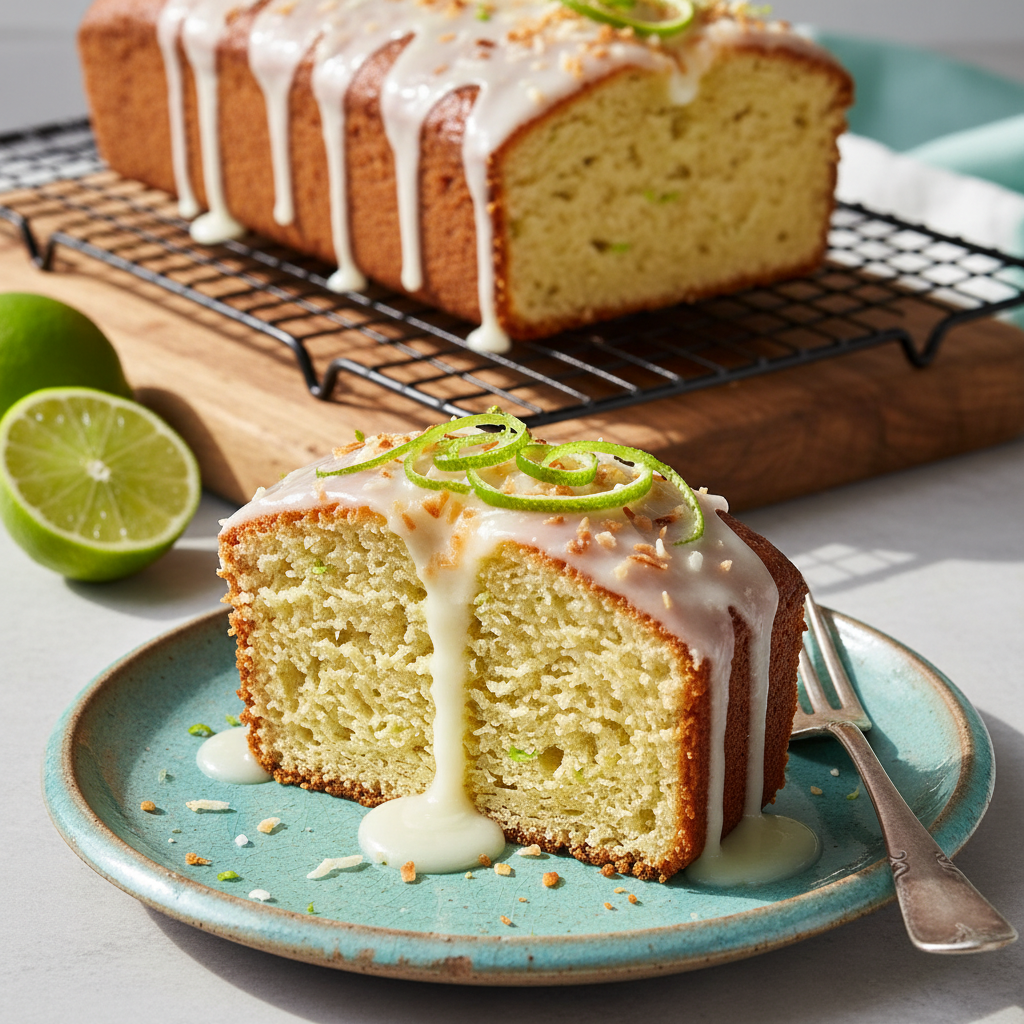
Zesty Fresh Coconut Lime Cake With Tangy Lemon Glaze
Fresh Coconut Lime Cake With Lemon Glaze Recipe
Transport your tastebuds to a tropical paradise with this incredibly moist Fresh Coconut Lime Cake. Bursting with zesty lime flavor and topped with a sweet-tart lemon glaze, it is the ultimate sunny day treat that comes together in just one bowl.
20 minutes
55 minutes
1 hour 15 minutes
10-12 servings
Dessert
Baking
American / Tropical
Vegetarian
There is something undeniably magical about the combination of coconut and citrus. It instantly evokes memories of warm sand, ocean breezes, and the kind of relaxation that we all crave during a busy week. This Fresh Coconut Lime Cake with Lemon Glaze is not just a dessert; it is an escape on a plate. While many coconut cakes rely heavily on artificial extracts that can taste cloying or chemical, this recipe celebrates the authentic, nutty sweetness of fresh shredded coconut and the vibrant, aromatic punch of fresh lime zest. The texture is where this cake truly shines—it strikes that elusive balance between fluffy and dense, resulting in a crumb that is tender, moist, and rich without being heavy.
What sets this particular recipe apart is the double-citrus threat. We infuse the batter with lime zest and juice for a deep, floral citrus note, but we finish it with a bright, sharp lemon glaze. The contrast between the lime-infused crumb and the lemon-spiked icing creates a complex flavor profile that keeps you coming back for ‘just one more sliver.’ It is perfect for Easter brunches, summer potlucks, or simply as a weekend baking project to brighten up a gloomy afternoon. Whether you are an experienced baker or a novice in the kitchen, this loaf-style cake is forgiving and rewarding, filling your home with an aroma that is better than any scented candle.
History & Origins
The lineage of this coconut lime cake can be traced back to the classic ‘pound cake’ traditions of Northern Europe, which eventually made their way to the American South. Originally, pound cakes were named for their simple ratio of one pound each of flour, butter, eggs, and sugar. As baking powder and baking soda were introduced in the 19th century, cakes became lighter and fluffier, evolving into the butter cakes we know today.
The tropical twist comes from the global trade routes that made ingredients like coconut and citrus fruits available to Western bakers. In the Southern United States, coconut cakes became a staple of hospitality, often featuring elaborate 7-minute frostings and layers of fresh coconut brought in from the Caribbean. The addition of lime is a nod to Key Lime Pie traditions and Caribbean rum cakes, where citrus is used to cut through the richness of butter and sugar.
Combining lime in the batter with a lemon glaze is a more modern adaptation, reflecting a contemporary palate that appreciates distinct layers of flavor rather than a monochromatic sweetness. The ‘glaze’ technique itself—pouring a sugar-citrus mixture over a warm cake—has roots in British ‘drizzle cakes,’ popularized in the mid-20th century. This method ensures the cake stays moist for days, as the syrup permeates the crust. Today, this fusion of Southern comfort, Caribbean flavors, and British baking techniques results in a timeless dessert that feels both nostalgic and fresh.
Why This Recipe Works
This recipe succeeds because it carefully manages the chemistry between acid, fat, and gluten. Citrus juice is acidic, which can sometimes inhibit the rising power of baking powder if not balanced correctly. Here, we use the zest for the primary flavor in the batter, which contains the essential oils without the heavy acidity, and use just enough juice to tenderize the gluten strands without making the batter gummy. The addition of full-fat coconut milk (or sour cream in some variations) provides the necessary fat content to coat the flour proteins, preventing toughness and ensuring a velvety ‘melt-in-your-mouth’ texture.
Furthermore, the decision to use a lemon glaze instead of a lime glaze is strategic. Lime juice can sometimes turn slightly bitter when cooked or oxidized, whereas lemon juice maintains a bright, clean acidity. By baking with lime and glazing with lemon, we achieve a multi-dimensional citrus profile. The glaze is applied while the cake is slightly cool but still receptive, allowing it to set into a beautiful, crackly shell that seals in moisture. Finally, using fresh shredded coconut rather than the sweetened, bagged variety allows you to control the sugar level, ensuring the cake is sweet but not tooth-achingly so.
Why You’ll Love This Recipe
- ✓Incredibly moist crumb thanks to coconut milk and butter.
- ✓Double citrus punch with lime zest and lemon glaze.
- ✓Uses fresh ingredients for a natural, non-artificial flavor.
- ✓Beautiful presentation with a simple drizzle and zest garnish.
- ✓Freezes exceptionally well for future treats.
- ✓No fancy equipment needed—just a mixer and a loaf pan.
Equipment You’ll Need
- ✓9×5 inch Loaf Pan
- ✓Electric Stand Mixer or Hand Mixer
- ✓Large Mixing Bowl
- ✓Microplane or Zester
- ✓Citrus Juicer
- ✓Wire Cooling Rack
- ✓Rubber Spatula
- ✓Whisk
Ingredients
- ✓1 3/4 cups All-Purpose Flour
- ✓1 tsp Baking Powder
- ✓1/2 tsp Salt
- ✓3/4 cup Unsalted Butter, softened to room temperature
- ✓1 cup Granulated Sugar
- ✓2 large Eggs, room temperature
- ✓1/2 cup Canned Coconut Milk (full fat recommended)
- ✓1/4 cup Fresh Lime Juice
- ✓2 tbsp Fresh Lime Zest (about 2-3 limes)
- ✓1 cup Sweetened Shredded Coconut
- ✓1 cup Powdered Sugar (Confectioners’ Sugar)
- ✓2 tbsp Fresh Lemon Juice
- ✓1 tsp Lemon Zest (for garnish)
Instructions
- Preheat your oven to 350°F (175°C). Grease a 9×5 inch loaf pan generously with butter or non-stick spray and line it with parchment paper for easy removal.
- In a medium bowl, whisk together the flour, baking powder, and salt until well combined. Set aside.
- In a large bowl or the bowl of a stand mixer, beat the softened butter and granulated sugar on medium-high speed for about 3-4 minutes until the mixture is pale, light, and fluffy. This step is crucial for aeration.
- Add the eggs one at a time, beating well after each addition. Scrape down the sides of the bowl with a spatula to ensure everything is incorporated.
- Mix in the lime zest and fresh lime juice. The mixture might look slightly curdled at this point; this is normal due to the acidity.
- Reduce the mixer speed to low. Add half of the flour mixture, followed by the coconut milk, and then the remaining flour mixture. Mix only until just combined—do not overmix.
- Gently fold in the shredded coconut with a rubber spatula by hand.
- Pour the batter into the prepared loaf pan and smooth the top with the spatula.
- Bake for 50-60 minutes, or until a toothpick inserted into the center comes out clean or with just a few moist crumbs. If the top is browning too quickly, tent loosely with foil after 40 minutes.
- Remove from the oven and let the cake cool in the pan for 10-15 minutes. Then, carefully lift it out using the parchment paper and transfer it to a wire rack to cool completely.
- Make the glaze: In a small bowl, whisk together the powdered sugar and fresh lemon juice until smooth. If it is too thick, add more juice; if too thin, add more sugar.
- Drizzle the glaze over the completely cooled cake. Sprinkle with extra lime or lemon zest for a pop of color. Allow the glaze to set for 15 minutes before slicing.
Expert Cooking Tips
- ✓Room temperature ingredients are non-negotiable. Cold eggs or butter will break the emulsion and result in a dense cake.
- ✓When zesting, be careful to only grate the green outer skin. The white pith underneath is bitter and will ruin the flavor.
- ✓Toast the shredded coconut lightly in a dry pan before folding it into the batter for a deeper, nuttier flavor profile.
- ✓Don’t rely solely on the timer; ovens vary. Start checking for doneness at the 45-minute mark.
- ✓Sifting the powdered sugar before making the glaze prevents lumpy icing.
- ✓If using canned coconut milk, stir the can well before measuring to mix the cream and water layers.
Substitutions and Variations
This recipe is quite versatile if you need to make adjustments based on dietary needs or pantry staples. For the flour, you can substitute a high-quality 1:1 Gluten-Free All-Purpose Flour blend; look for one that contains xanthan gum for the best structure. If you are out of coconut milk, you can use full-fat sour cream or Greek yogurt, though the coconut flavor will be milder (you can add 1/2 tsp of coconut extract to compensate). For a dairy-free version, substitute the butter with a vegan butter block (not a spread) and ensure your coconut milk is canned, not the beverage type. If you prefer a less sweet cake, you can use unsweetened shredded coconut, but you may want to increase the sugar in the batter by 1-2 tablespoons. Lastly, if limes are unavailable, lemons can be used for the cake batter as well, turning this into a double lemon coconut cake.
Common Mistakes to Avoid
The most common mistake with this cake is overmixing the batter after adding the flour. Once the flour hits the liquid, gluten begins to form. Too much mixing leads to a tough, rubbery cake rather than a tender one. Another frequent error is glazing the cake while it is still too hot. If the cake is hot, the glaze will simply melt and soak entirely into the crumb, disappearing rather than forming that lovely white drizzle on top. Additionally, using ‘cream of coconut’ (the sweetened stuff for cocktails) instead of ‘coconut milk’ will throw off the sugar balance and texture, making the cake heavy and overly sticky. Finally, ensure your baking powder is fresh; expired leavening agents are a top cause for dense, flat cakes.
Serving Suggestions
This cake is stunning on its own, but it can be dressed up for special occasions. Serve thick slices with a dollop of lightly sweetened whipped cream or a scoop of vanilla bean ice cream to cut the citrus tartness. Fresh berries, particularly raspberries or blackberries, make a beautiful and delicious accompaniment on the plate. For a beverage pairing, this cake goes beautifully with a hot cup of Earl Grey tea, which has its own citrus bergamot notes, or a cold glass of iced coffee. If serving for brunch, a sparkling mimosa is a fantastic partner to the lime and lemon flavors.
Storage and Reheating Tips
Because of the fruit juice and coconut milk, this cake stays moist for quite a while. It can be stored at room temperature in an airtight container for up to 3 days. If you live in a very hot or humid climate, it is safer to store it in the refrigerator, where it will last for up to 1 week; just let it come to room temperature before eating for the best texture. This cake also freezes beautifully. You can freeze the whole unglazed loaf or individual slices. Wrap tightly in plastic wrap, then a layer of aluminum foil. It will keep in the freezer for up to 3 months. Thaw overnight in the fridge and glaze fresh before serving if possible.
Nutrition Facts (Estimated)
| Serving Size | 1 slice |
| Calories | 340 |
| Fat | 18g |
| Saturated Fat | 12g |
| Unsaturated Fat | 5g |
| Trans Fat | 0g |
| Cholesterol | 65mg |
| Sodium | 180mg |
| Carbohydrates | 42g |
| Fiber | 2g |
| Sugar | 22g |
| Protein | 4g |
Frequently Asked Questions
Can I use bottled lime juice instead of fresh?
Technically yes, but it is highly discouraged. Bottled lime juice often contains preservatives that give it a metallic or slightly off-flavor. Since citrus is the star of this recipe, fresh juice makes a significant difference.
Why did my cake sink in the middle?
Sinking usually happens if the oven door was opened too early, causing a sudden temperature drop, or if the cake was underbaked. It can also be caused by over-leavening (too much baking powder).
Can I bake this in a Bundt pan?
Yes, but you will need to double the recipe for a standard 10-12 cup Bundt pan. The baking time will also increase to approximately 60-75 minutes. Ensure the Bundt pan is greased very well.
Is sweetened or unsweetened coconut better?
This recipe calls for sweetened coconut for a classic texture and sweetness level. However, if you prefer a less sweet cake, unsweetened works fine, but the texture might be slightly drier.
My glaze is too runny, how do I fix it?
Simply add more powdered sugar, one tablespoon at a time, whisking until you reach your desired consistency. It should be thick like honey.
Can I make this recipe into muffins?
Absolutely. Divide the batter into a standard 12-cup muffin tin lined with papers. Bake at 350°F for 18-22 minutes.
What if I don’t have a mixer?
You can make this by hand using a whisk and a lot of elbow grease for the creaming step (butter and sugar). It takes effort to get it fluffy, but it is possible.
Why are my coconut shreds sinking to the bottom?
This can happen if the batter is too thin. Tossing the coconut in a teaspoon of flour before folding it into the batter can help suspend the pieces evenly.
Conclusion
This Fresh Coconut Lime Cake with Lemon Glaze is the embodiment of sunshine on a plate. It is one of those reliable recipes that feels special enough for a celebration but is simple enough for a Tuesday night craving. The interplay of the creamy coconut, the zest of the lime, and the sharp bite of the lemon glaze creates a symphony of flavors that is hard to resist. We hope this cake brings a little slice of the tropics into your kitchen. Don’t forget to pin this recipe for later and share your baking triumph with us on social media—we love seeing your zesty creations!