The Ultimate Fresh Lemon Blueberry Layer Cake with Cream Cheese Frosting
Fresh Lemon Blueberry Layer Cake Recipe
Bright, zesty, and bursting with juicy berries, this Fresh Lemon Blueberry Layer Cake is the epitome of sunshine on a plate. Three layers of tender, moist lemon cake are studded with fresh blueberries and smothered in a tangy, luscious cream cheese frosting, making it the perfect centerpiece for spring gatherings and summer celebrations.
45 minutes
35 minutes
3 hours (includes cooling)
12-16 servings
Dessert
Baking
American
Vegetarian
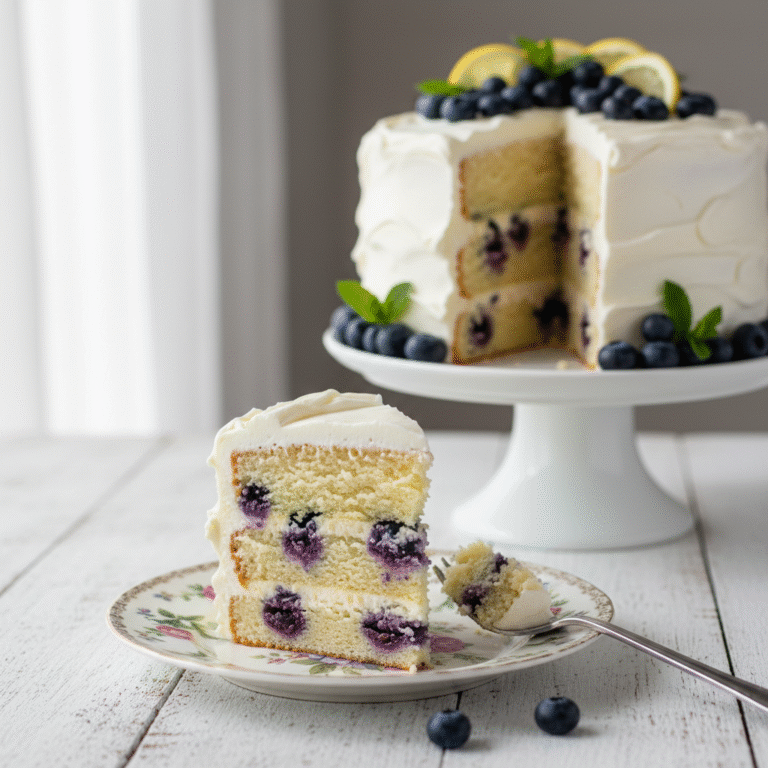
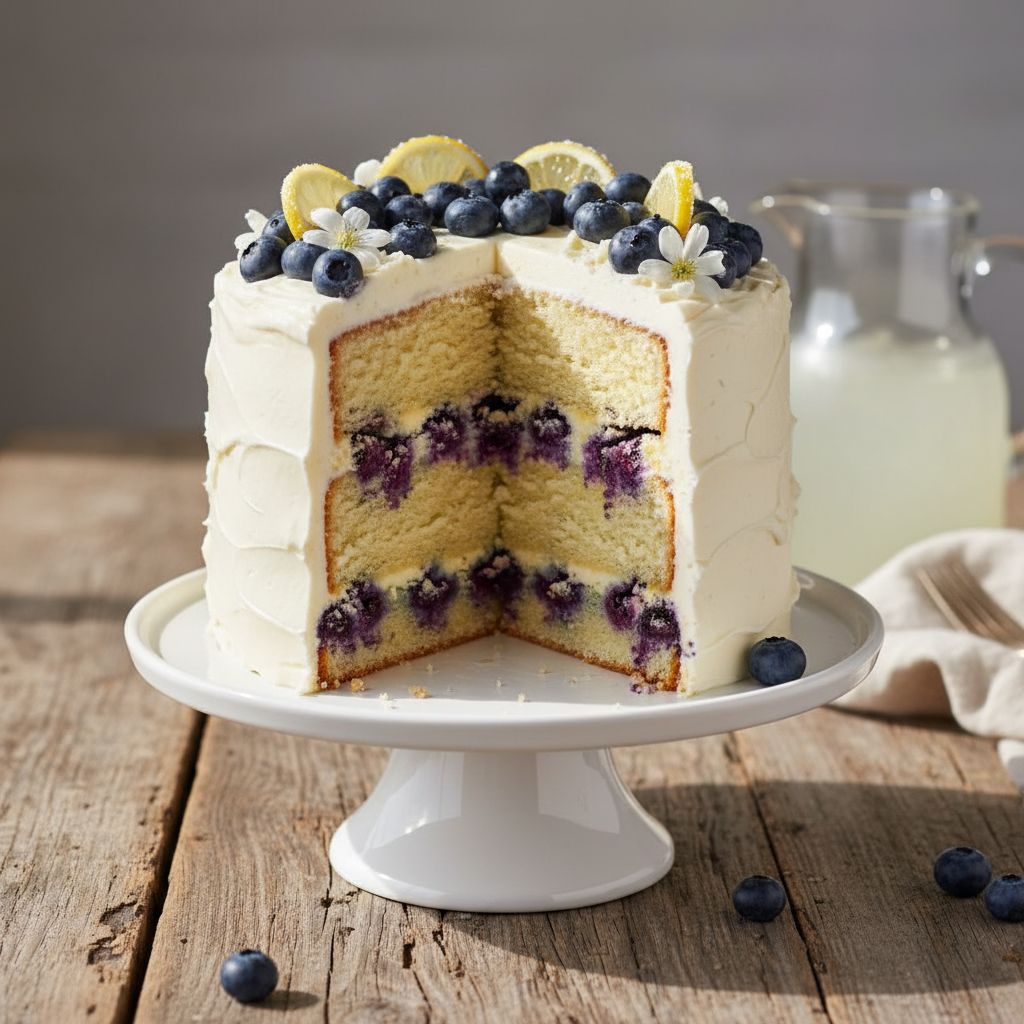
There is something undeniably magical about the combination of bright, acidic lemon and sweet, earthy blueberries. It is a flavor marriage that transcends seasons, though it feels most at home on a breezy spring afternoon or a warm summer evening. This Fresh Lemon Blueberry Layer Cake is not just a dessert; it is an experience. From the moment you zest the lemons, releasing those essential oils that perfume your entire kitchen, to the final assembly where the violet-hued berries peek out from the fluffy crumb, every step is a delight for the senses. Unlike dense pound cakes or airy sponges, this recipe strikes the perfect balance—a crumb that is sturdy enough to hold up three impressive layers and a generous amount of fruit, yet tender enough to melt in your mouth. We use a combination of butter and sour cream to ensure the cake stays moist for days, while the fresh lemon juice cuts through the richness, leaving your palate refreshed. The frosting is a masterpiece in itself: a whipped cream cheese buttercream that is silky smooth, not overly sweet, and speckled with even more lemon zest. Whether you are baking for a birthday, a bridal shower, or simply because you crave something beautiful, this cake delivers on all fronts. It is rustic yet elegant, familiar yet sophisticated, and guaranteed to become a requested favorite in your baking repertoire.
History & Origins
The concept of the layer cake is a relatively modern innovation in the grand timeline of culinary history. While cakes have existed since ancient times—often as modified breads sweetened with honey and nuts—the light, fluffy, multi-layered confections we know today were only made possible by two major 19th-century developments: the refinement of flour and the invention of baking powder. Before the mid-1800s, cakes were leavened with yeast or by laboriously beating eggs for hours. The introduction of chemical leaveners allowed home bakers to create high-rising, consistent cakes that could be sliced and stacked. The specific pairing of lemon and blueberry, however, is a distinctly American evolution, largely tied to the native status of the blueberry. North America is the homeland of the blueberry; indigenous peoples used them for centuries in puddings and pemmican. It wasn’t until the early 20th century, when Elizabeth White and botanist Frederick Coville successfully domesticated the wild blueberry in New Jersey, that these berries became widely available for commercial baking. Lemons, originally from Asia and brought to the Americas by Columbus, became a staple in American baking during the citrus boom of the late 19th and early 20th centuries, particularly with the development of the transcontinental railroad shipping fresh citrus from California and Florida. Combining the zest of the imported lemon with the sweetness of the native blueberry became a popular way to celebrate the bounty of the land, evolving into the classic muffin and cake flavor profile we cherish today.
Why This Recipe Works
This recipe succeeds where many others fail due to the meticulous balance of ingredients and the ‘reverse creaming’ inspired technique. Often, fruit-heavy cakes suffer from two main issues: the berries sink to the bottom, and the batter becomes too heavy or soggy. To combat the sinking berries, this recipe calls for tossing the fresh blueberries in a light coating of flour before folding them into the batter; this creates friction that holds the fruit in suspension as the crumb sets. Furthermore, the use of both butter and oil (or sour cream/high-fat yogurt) is crucial. Butter provides that classic, unbeatable flavor, while the liquid fat or cultured dairy ensures the cake remains soft even when refrigerated—a necessity for cakes with cream cheese frosting. The acidity from the lemon juice and the sour cream also plays a vital chemical role; it tenderizes the gluten strands in the flour, resulting in a plush, velvety texture rather than a chewy one. Finally, we use fresh lemon zest rubbed directly into the sugar before mixing. This mechanical action releases the lemon oils into the sugar crystals, amplifying the citrus aroma throughout the entire cake, ensuring the lemon flavor is vibrant and omnipresent, not just an afterthought.
Why You’ll Love This Recipe
- ✓Bursting with over 2 cups of fresh, juicy blueberries for natural sweetness.
- ✓Uses fresh lemon zest and juice for a bright, authentic citrus flavor—no extracts required.
- ✓The addition of sour cream guarantees a moist, tender crumb that stays fresh for days.
- ✓Stabilized cream cheese frosting holds its shape perfectly for layering and piping.
- ✓A show-stopping presentation that looks professional but is achievable for home bakers.
Equipment You’ll Need
- ✓Three 8-inch round cake pans
- ✓Stand mixer with paddle attachment or electric hand mixer
- ✓Large mixing bowls
- ✓Microplane or zester
- ✓Citrus juicer
- ✓Rubber spatula
- ✓Wire cooling rack
- ✓Offset spatula for frosting
- ✓Parchment paper
Ingredients
- ✓3 cups cake flour, sifted (plus 1 tbsp for coating berries)
- ✓1 teaspoon baking powder
- ✓1/2 teaspoon baking soda
- ✓1/2 teaspoon salt
- ✓1 cup unsalted butter, softened to room temperature
- ✓1 and 3/4 cups granulated sugar
- ✓1/4 cup vegetable oil
- ✓4 large eggs, room temperature
- ✓1 tablespoon pure vanilla extract
- ✓2 tablespoons fresh lemon zest (about 2 lemons)
- ✓1/3 cup fresh lemon juice
- ✓1 cup full-fat sour cream, room temperature
- ✓2 and 1/2 cups fresh blueberries, washed and completely dried
- ✓16 oz full-fat cream cheese, softened (for frosting)
- ✓1 cup unsalted butter, softened (for frosting)
- ✓5 cups powdered sugar, sifted (for frosting)
- ✓1 tablespoon fresh lemon juice (for frosting)
- ✓Pinch of salt (for frosting)
Instructions
- Preheat your oven to 350°F (175°C). Grease three 8-inch round cake pans with butter or cooking spray, line the bottoms with parchment paper circles, and grease the parchment. Dust with flour and tap out the excess.
- In a medium bowl, whisk together the 3 cups of cake flour, baking powder, baking soda, and salt. Set aside.
- In the bowl of a stand mixer fitted with the paddle attachment, combine the granulated sugar and lemon zest. Rub the zest into the sugar with your fingertips until moist and fragrant. Add the softened butter and vegetable oil. Beat on medium-high speed for about 3-5 minutes until the mixture is light, pale, and fluffy.
- Add the eggs one at a time, beating well after each addition and scraping down the sides of the bowl as needed. Mix in the vanilla extract and lemon juice. (The mixture may look slightly curdled at this point; this is normal).
- Reduce the mixer speed to low. Add the dry ingredients in three parts, alternating with the sour cream in two parts, starting and ending with the flour mixture. Mix only until just combined—do not overmix.
- In a small bowl, toss the dried blueberries with the reserved 1 tablespoon of flour. This helps prevent them from sinking. Gently fold the berries into the batter using a rubber spatula.
- Divide the batter evenly among the three prepared cake pans. Smooth the tops with a spatula.
- Bake for 30-35 minutes, or until a toothpick inserted into the center comes out clean or with just a few moist crumbs. The tops should be golden and spring back when lightly touched.
- Remove cakes from the oven and let them cool in the pans for 10-15 minutes. Then, carefully turn them out onto a wire rack to cool completely before frosting.
- To make the frosting: In a large bowl, beat the cream cheese and butter together on medium-high speed until smooth and creamy. Add the powdered sugar, one cup at a time, mixing on low speed until incorporated. Add the lemon juice and a pinch of salt, then whip on high speed for 2-3 minutes until fluffy.
- Assemble the cake: Place one cake layer on a serving plate or cake stand. Spread a generous layer of frosting over the top. Repeat with the second layer. Top with the final cake layer, bottom side up for a flat top. Frost the top and sides of the cake with the remaining frosting.
- Garnish with fresh blueberries, lemon slices, or additional zest if desired. Chill for 30 minutes to set the frosting before slicing.
Expert Cooking Tips
- ✓Room temperature ingredients are non-negotiable. Cold eggs or dairy will cause the batter to curdle and result in a dense cake.
- ✓Measure flour correctly. Use the ‘spoon and level’ method or a kitchen scale to avoid packing the flour, which dries out the cake.
- ✓Dry the blueberries thoroughly after washing. Any excess water on the berries will add too much moisture to the batter and cause streaks.
- ✓Don’t skip the parchment paper. Even with greased pans, parchment ensures your layers come out perfectly intact.
- ✓Cool completely before frosting. If the cake is even slightly warm, the cream cheese frosting will melt and slide off.
- ✓If the frosting is too soft to pipe or spread, refrigerate it for 15-20 minutes to stiffen up.
Substitutions and Variations
This recipe is versatile enough to handle several substitutions if you are in a pinch. If you cannot find cake flour, you can make a DIY version by measuring 1 cup of all-purpose flour, removing 2 tablespoons, and replacing them with 2 tablespoons of cornstarch; sift this mixture twice before using. For the fat, full-fat Greek yogurt is an excellent substitute for sour cream, offering a similar tang and moisture content. If fresh blueberries are out of season, frozen blueberries can be used. Do not thaw them before using; toss them in flour while frozen and fold them in at the very last second to minimize color bleeding into the batter. For a dairy-free version, use high-quality plant-based butter and a dairy-free sour cream alternative, though the texture may vary slightly. If you prefer a different citrus profile, this recipe works beautifully with oranges or limes as well, simply swap the zest and juice 1:1.
Common Mistakes to Avoid
The most common mistake with this cake is overmixing the batter. Once the flour is added, you are developing gluten; too much mixing leads to a tough, rubbery cake rather than a tender one. Stop mixing as soon as the white streaks of flour disappear. Another frequent error is opening the oven door too early. This releases heat and can cause the delicate structure of the cake to collapse in the center. Resist the urge to peek until at least 25 minutes have passed. Regarding the berries, failing to coat them in flour is a classic error that results in a layer of fruit at the bottom of the pan and plain cake on top. Finally, rushing the cooling process is a recipe for disaster. Warm cake will melt the butter in the frosting, leading to a sloppy, sliding mess that is impossible to stack.
Serving Suggestions
This Fresh Lemon Blueberry Layer Cake is a stunner on its own, but you can elevate the presentation for special occasions. Serve slices on delicate dessert plates with a garnish of candied lemon peel or a sprig of fresh mint for a pop of green color. It pairs exceptionally well with beverages that cut through the sweetness, such as a hot cup of Earl Grey tea, which shares citrusy bergamot notes, or a cold glass of dry sparkling wine or Prosecco for a celebratory brunch. For a summer dessert, serve it alongside a scoop of vanilla bean ice cream or a dollop of unsweetened whipped cream to balance the tangy cream cheese frosting.
Storage and Reheating Tips
Because of the cream cheese frosting and the fresh fruit content, this cake should be stored in the refrigerator. It can be left out at cool room temperature for up to 2 hours for serving, but beyond that, it needs to be chilled. Store the cake in an airtight cake carrier or wrap cut slices individually in plastic wrap to prevent them from drying out; it will keep for up to 4-5 days in the fridge. For longer storage, you can freeze the cake layers (unfrosted) for up to 3 months. Wrap each cooled layer tightly in plastic wrap, then foil. Thaw overnight in the refrigerator before frosting. You can also freeze individual slices of the finished cake; place them on a baking sheet to freeze the frosting solid, then wrap tightly.
Nutrition Facts (Estimated)
| Serving Size | 1 slice |
| Calories | 580 |
| Fat | 28g |
| Saturated Fat | 16g |
| Unsaturated Fat | 10g |
| Trans Fat | 0g |
| Cholesterol | 95mg |
| Sodium | 320mg |
| Carbohydrates | 76g |
| Fiber | 2g |
| Sugar | 45g |
| Protein | 6g |
Frequently Asked Questions
Can I make this cake ahead of time?
Yes, absolutely. The cake layers can be baked a day in advance, wrapped tightly in plastic, and stored at room temperature (or frozen for longer). The frosting can also be made ahead and refrigerated; just let it come to room temperature and re-whip it before assembling.
Why did my blueberries sink to the bottom?
This usually happens if the batter is too thin or the berries weren’t coated in flour. The flour coating provides friction that helps the berries grip the batter. Also, ensure you are using a thick batter recipe like this one, rather than a thin sponge batter.
Can I use frozen blueberries?
Yes, you can. Do not thaw them first, as they will release too much juice and turn your batter gray. Toss them in flour while frozen and fold them in gently right before baking. You may need to add 2-3 minutes to the baking time as the frozen berries lower the batter temperature.
My cake came out dry. What happened?
Dry cake is usually caused by over-baking or over-measuring flour. Make sure to check the cake a few minutes before the timer goes off. Also, always spoon your flour into the measuring cup and level it off rather than scooping directly from the bag.
Can I bake this in a 9×13 pan instead of layers?
Yes, this recipe can be converted to a sheet cake. Grease a 9×13 inch pan and bake at 350°F. You will likely need to increase the baking time to 40-50 minutes. Check for doneness with a toothpick.
Is the cream cheese frosting stable in the heat?
Cream cheese frosting is softer than buttercream. If serving outdoors in the heat, keep the cake refrigerated until the last possible moment. You can also add up to 1/2 cup more powdered sugar or a tablespoon of meringue powder to help stabilize it further.
Can I reduce the sugar in the recipe?
Baking is chemistry, and sugar provides moisture and structure, not just sweetness. Reducing sugar significantly will alter the texture, making the cake denser and drier. It is best to stick to the recipe for the cake, though you can reduce the sugar in the frosting to taste.
Why do I need to use room temperature ingredients?
Room temperature butter, eggs, and sour cream emulsify (mix) much better than cold ingredients. This creates a uniform structure that traps air, leading to a fluffy cake. Cold ingredients can cause the batter to break or curdle.
Conclusion
There are few things in the baking world as rewarding as slicing into a homemade layer cake and seeing those perfect strata of crumb, fruit, and frosting. This Fresh Lemon Blueberry Layer Cake is a labor of love that pays dividends in flavor and presentation. It captures the essence of sunny days and joyful gatherings, bringing a zest for life to your table. Whether you are an experienced baker looking for your next project or a novice wanting to impress, this recipe is designed to guide you to success. So, grab your lemons, wash your berries, and get ready to bake a dessert that will be talked about long after the last crumb is gone. Happy baking!