Authentic German Bienenstich Recipe: The Ultimate Bee Sting Cake
Traditional German Bienenstich Bee Sting Cake Recipe
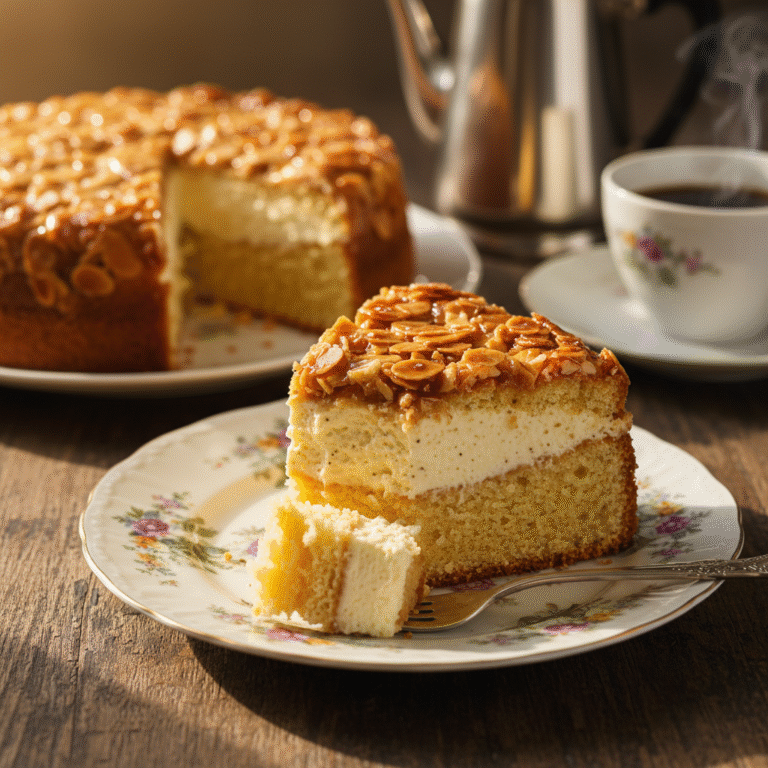
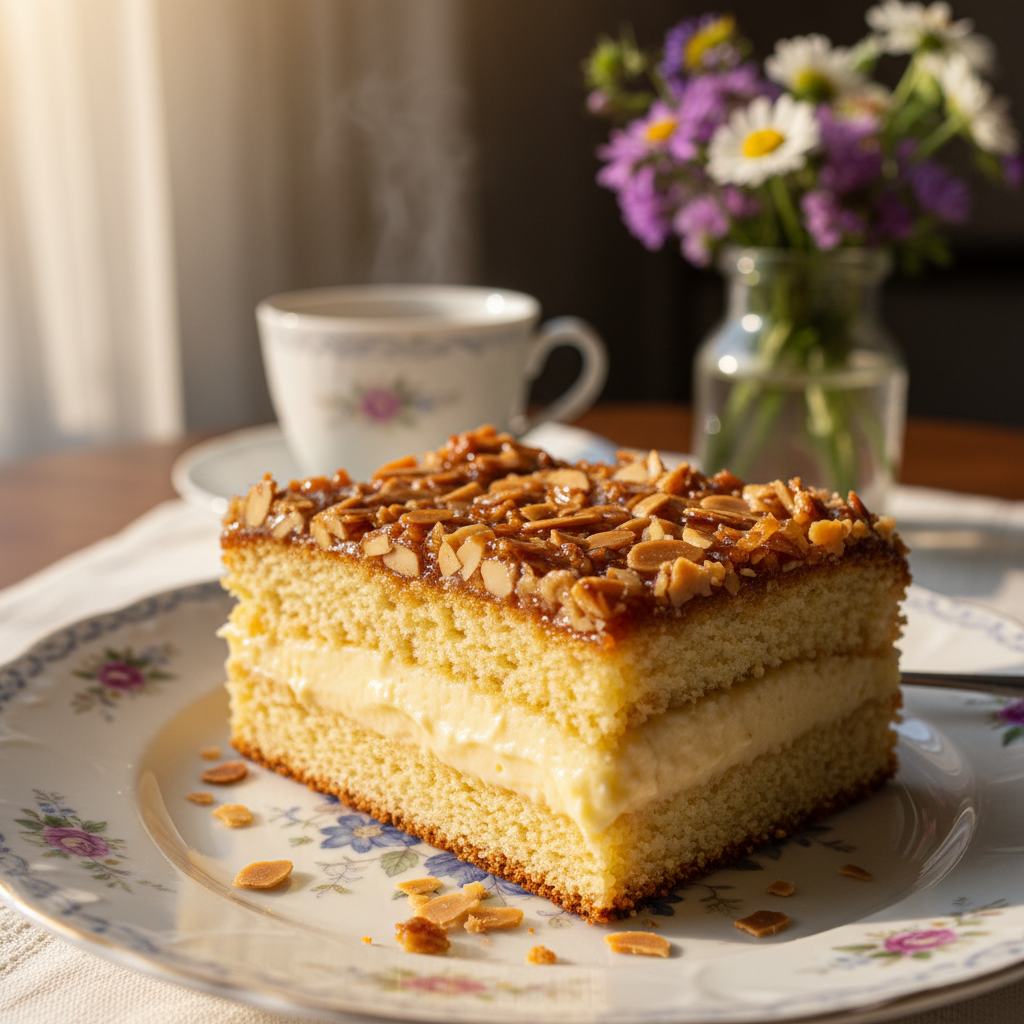
Experience the magic of Germany’s most beloved coffeehouse classic right in your own kitchen. This authentic Bienenstich features a fluffy, brioche-like yeast dough, a crunchy caramelized honey-almond topping, and a luxurious vanilla cream filling that melts in your mouth.
45 minutes
30 minutes
3 hours (includes rising and cooling)
12 servings
Dessert
Baking
German
Vegetarian
If there is one cake that epitomizes the German afternoon coffee tradition, known as ‘Kaffee und Kuchen,’ it is undoubtedly the Bienenstich, or Bee Sting Cake. This isn’t your average sponge cake; it is a textural masterpiece that combines the airy, bread-like chew of a sweet yeast dough with the satisfying crunch of caramelized almonds and the rich, velvety smoothness of a vanilla custard cream. The contrast between the crisp, golden honey-almond crust and the cool, luscious filling is what makes this dessert legendary.
Unlike many American cakes that rely on baking powder and heavy frostings, Bienenstich is built on a foundation of yeast-risen dough, similar to a brioche or a sweet focaccia. This gives it a substantial yet light crumb that holds up perfectly against the heavy cream filling. The topping is prepared on the stove—a sticky, sweet mixture of butter, sugar, honey, and sliced almonds—which is spread over the dough before baking. As it bakes, the topping bubbles and caramelizes, creating a hard, candy-like shell that is irresistibly delicious.
While it may look intimidating to construct, the process is broken down into manageable steps: baking the base and preparing the custard. The result is a show-stopping dessert that looks like it came straight from a bakery window in Munich. Whether you are hosting a special brunch or simply craving a slice of European nostalgia, this recipe delivers authentic flavor in every bite.
History & Origins
The history of Bienenstich is as rich and layered as the cake itself, steeped in folklore and medieval rivalry. The most enduring legend dates back to the 15th century, specifically to the year 1474, in the town of Andernach, Germany. According to the tale, the neighboring town of Linz am Rhein was planning an attack on Andernach due to a dispute over toll revenues from the Rhine River.
On the morning of the planned attack, two baker’s apprentices from Andernach were walking along the town walls, snacking on honey from beehives kept there. When they spotted the approaching attackers, the quick-thinking apprentices grabbed the beehives and hurled them at the invaders. The angry bees swarmed the soldiers from Linz, stinging them relentlessly and causing them to flee in panic.
The town of Andernach was saved, and the citizens celebrated the victory. To honor the brave apprentices and their buzzing allies, a special cake was created. It was named ‘Bienenstich’—which literally translates to ‘Bee Sting’—to commemorate the event. While historians might debate the accuracy of this colorful legend, the cake has firmly established itself as a staple of German baking culture. Traditionally served as a ‘Blechkuchen’ (sheet cake) in large rectangular trays, it has evolved over centuries but retained its signature components: yeast dough, honey-almond crunch, and cream filling.
Why This Recipe Works
This recipe works because it respects the traditional chemistry of German baking while adapting it for the home cook to ensure stability and flavor balance. First, the use of a yeast dough rather than a sponge cake provides the necessary structural integrity. A sponge would turn soggy under the weight of the heavy topping and the moisture of the cream, but the yeast dough remains fluffy and firm, offering a pleasant chew that contrasts with the creamy interior.
Secondly, the topping recipe is calibrated to caramelize at the exact same rate the dough finishes baking. By precooking the honey-butter mixture, we ensure that the almonds are coated in a toffee-like glaze that hardens into a ‘brittle’ texture upon cooling, rather than just sinking into the dough.
Finally, the filling is a Diplomat Cream (Diplomatencreme) rather than a plain pudding or heavy buttercream. By folding stabilized whipped cream into a thick vanilla pastry cream, we achieve a filling that is light and airy but stiff enough to hold the weight of the top layer without squishing out the sides when sliced. The addition of a small amount of gelatin or starch ensures the slice holds its shape beautifully, making for a professional-looking presentation.
Why You’ll Love This Recipe
- ✓Authentic German yeast dough base for the perfect texture.
- ✓Crunchy, caramelized honey-almond topping that tastes like toffee.
- ✓Luxurious Diplomat cream filling that is rich yet airy.
- ✓Step-by-step instructions ensure a stable structure.
- ✓Perfect balance of sweet, creamy, and crunchy elements.
Equipment You’ll Need
- ✓Stand mixer with dough hook
- ✓9-inch Springform pan
- ✓Medium saucepan
- ✓Whisk
- ✓Mixing bowls
- ✓Serrated bread knife
- ✓Parchment paper
Ingredients
- ✓For the Dough: 3 1/4 cups (400g) All-purpose flour
- ✓For the Dough: 1/4 cup (50g) Granulated sugar
- ✓For the Dough: 2 1/4 tsp (1 packet) Active dry yeast
- ✓For the Dough: 3/4 cup (180ml) Whole milk, lukewarm
- ✓For the Dough: 4 tbsp (60g) Unsalted butter, room temperature
- ✓For the Dough: 1 large Egg, room temperature
- ✓For the Dough: 1/2 tsp Salt
- ✓For the Topping: 6 tbsp (85g) Unsalted butter
- ✓For the Topping: 1/3 cup (70g) Granulated sugar
- ✓For the Topping: 2 tbsp Honey
- ✓For the Topping: 1 tbsp Heavy cream
- ✓For the Topping: 1 1/2 cups (150g) Sliced almonds
- ✓For the Filling: 2 cups (480ml) Whole milk
- ✓For the Filling: 1/2 cup (100g) Granulated sugar
- ✓For the Filling: 1/4 cup (30g) Cornstarch
- ✓For the Filling: 3 Egg yolks
- ✓For the Filling: 1 tsp Vanilla bean paste or extract
- ✓For the Filling: 2 tbsp (30g) Unsalted butter
- ✓For the Filling: 1 cup (240ml) Heavy whipping cream
- ✓For the Filling: 1 packet (2 tsp) Gelatin powder (optional, for stability)
Instructions
- 1. Prepare the Dough: In the bowl of a stand mixer, combine the lukewarm milk, sugar, and yeast. Let sit for 5-10 minutes until frothy. Add the flour, egg, softened butter, and salt. Knead with the dough hook on low speed for about 8-10 minutes until the dough is smooth, elastic, and pulls away from the sides of the bowl.
- 2. First Rise: Transfer the dough to a lightly oiled bowl, cover with plastic wrap or a warm damp cloth, and let it rise in a warm place for about 60-90 minutes, or until doubled in size.
- 3. Prepare the Pudding Base: While the dough rises, make the custard. In a bowl, whisk egg yolks, sugar, and cornstarch until pale. Heat the milk in a saucepan until just simmering. Slowly pour half the hot milk into the egg mixture while whisking constantly to temper the eggs. Pour everything back into the saucepan and cook over medium heat, whisking constantly, until thickened into a pudding. Remove from heat, stir in vanilla and butter. Transfer to a bowl, cover with plastic wrap directly touching the surface (to prevent skin formation), and refrigerate until completely cold.
- 4. Shape and Second Rise: Grease a 9-inch springform pan and line the bottom with parchment paper. Punch down the risen dough and shape it into a smooth ball. Press it evenly into the bottom of the springform pan. Cover and let rise again for 30-45 minutes.
- 5. Make the Topping: During the second rise, combine butter, sugar, honey, and cream in a small saucepan. Heat over medium heat until the butter melts and the mixture bubbles gently. Stir in the sliced almonds and cook for 1-2 minutes until coated. Let it cool slightly until it is thick but spreadable.
- 6. Bake: Preheat oven to 350°F (175°C). Gently distribute the almond topping over the risen dough. Bake for 25-30 minutes, or until the topping is deep golden brown and a toothpick inserted into the center comes out clean. If the almonds darken too quickly, tent loosely with foil.
- 7. Cool: Remove from the oven and run a knife around the edge to release the caramelized sugar. Let cool in the pan for 10 minutes, then remove the ring and let cool completely on a wire rack.
- 8. Finish the Filling: Once the pudding base is cold, whip the heavy cream (add dissolved gelatin here if using for extra stability) until stiff peaks form. Whisk the cold pudding to loosen it, then gently fold in the whipped cream in two batches until smooth and combined.
- 9. Assembly: Slice the cooled cake horizontally in half using a long serrated knife. This is the trickiest part; saw gently. Lift off the top almond layer. If you want neat slices later, you can pre-cut the top layer into 12 wedges now. Spread the filling thickly over the bottom layer. Place the top layer (or the pre-cut wedges) on top of the cream. Refrigerate for at least 1 hour to set before serving.
Expert Cooking Tips
- ✓Temperature Matters: Ensure your milk for the dough is lukewarm (around 110°F). Too hot, and it will kill the yeast; too cold, and the dough won’t rise.
- ✓Don’t Rush the Cooling: The pudding base must be completely cold before folding in the whipped cream, or the cream will melt and the filling will be runny.
- ✓Pre-cut the Lid: The almond topping becomes quite hard and crunchy. To avoid squishing out the cream when serving, cut the top layer of the cake into wedges before placing it on top of the cream.
- ✓Tempering Eggs: When making the custard, pour the hot milk very slowly into the eggs while whisking vigorously. This prevents the eggs from scrambling.
- ✓Watch the Topping: Honey burns easily. Keep an eye on the oven during the last 10 minutes of baking. If the almonds look like they are getting too dark, cover the top with aluminum foil.
Substitutions and Variations
For the flour, bread flour can be used instead of all-purpose for an even chewier, more brioche-like texture. If you want to make this dairy-free, you can substitute the milk with almond milk and use plant-based butter, though the texture of the custard may vary slightly; coconut cream is a good substitute for the heavy cream in the filling. For the topping, if you don’t have honey, corn syrup or maple syrup can work, though honey provides the most traditional flavor. Vanilla bean paste is recommended for the filling for those lovely speckles, but a high-quality vanilla extract is a perfectly fine substitute. If you prefer a lighter filling, you can use a simple stabilized whipped cream instead of the custard mixture, although it won’t be as rich.
Common Mistakes to Avoid
The most common mistake is slicing the cake while it is still warm. The structure needs to set completely, or the layers will slide apart. Another error is under-baking the dough because the topping looks done; trust the toothpick test rather than just the color of the almonds. Many bakers also fail to whisk the custard constantly while boiling, leading to a lumpy texture; if this happens, push the hot custard through a fine-mesh sieve before cooling. Finally, forgetting to release the cake from the pan rim immediately after baking can cause the caramelized sugar to harden and glue the cake to the pan, making it impossible to remove intact.
Serving Suggestions
Bienenstich is traditionally served in the afternoon with a hot cup of coffee or tea. Because it is quite rich, smaller slices are often sufficient. It looks beautiful served on simple white porcelain to let the golden topping shine. You don’t need extra garnishes, but a few fresh berries on the side can add a nice tart contrast to the sweet cream and honey. Serve it chilled for the best texture, as the cream filling holds up better when cold.
Storage and Reheating Tips
This cake is best eaten on the day it is assembled, as the topping can absorb moisture from the cream over time and lose its crunch. However, it can be stored in an airtight container in the refrigerator for up to 2-3 days. The pastry cream contains dairy and eggs, so it must be kept refrigerated. Freezing is not recommended for the assembled cake because the custard filling tends to separate and become watery upon thawing. If you must prep ahead, you can bake the cake layers a day in advance and store them at room temperature, then make the filling and assemble on the day of serving.
Nutrition Facts (Estimated)
| Serving Size | 1 slice |
| Calories | 480 |
| Fat | 26g |
| Saturated Fat | 14g |
| Unsaturated Fat | 10g |
| Trans Fat | 0g |
| Cholesterol | 85mg |
| Sodium | 180mg |
| Carbohydrates | 52g |
| Fiber | 2g |
| Sugar | 28g |
| Protein | 9g |
Frequently Asked Questions
Can I use instant pudding mix for the filling?
Yes, in a pinch, you can use a package of vanilla instant pudding. Prepare it with slightly less milk than the package directs to ensure it’s thick, and then fold in the whipped cream. However, homemade custard yields a far superior, authentic taste.
Why is my yeast dough heavy and dense?
This usually happens if the yeast was old and didn’t activate, or if too much flour was added during kneading. The dough should be slightly tacky but smooth. Also, ensure you gave it enough time to rise in a warm, draft-free spot.
How do I cut the cake without the filling squishing out?
The pro tip is to cut the top almond layer into 12 individual wedges *before* placing it on top of the cream filling. This way, you only have to slice through the bottom layer and cream when serving.
Can I make this cake in a rectangular pan?
Absolutely! In Germany, it’s often a sheet cake. You can use a 9×13 inch baking pan. You may need to reduce the baking time slightly as the dough will be thinner.
What if I am allergic to almonds?
While almonds are traditional, you can substitute them with other nuts like hazelnuts, walnuts, or pecans. For a nut-free version, you could use pumpkin seeds or oats, though the flavor profile will change significantly.
Is the gelatin necessary?
It is not strictly necessary, but it is highly recommended if you want clean slices that hold their shape, especially if the cake will be sitting out for a bit. Without it, the cream is softer and more prone to squishing.
Why is it called Bee Sting Cake?
Legend says 15th-century bakers from Andernach threw beehives at attackers from a neighboring town to fight them off. They celebrated their victory by creating this cake.
Can I use buttercream instead of Diplomat cream?
Yes, German buttercream (custard whipped with butter) is a valid and delicious alternative. It is richer and heavier than the Diplomat cream used in this recipe.
Conclusion
Making a traditional German Bienenstich is a rewarding baking project that brings a piece of European history to your table. The combination of the soft yeast dough, the brittle crunch of the honey-almond topping, and the cool, creamy interior is unlike any other dessert. It’s a cake that impresses not just with its looks, but with its sophisticated balance of textures and flavors. Don’t be intimidated by the steps; patience is the key ingredient. Once you take that first bite of homemade Bee Sting Cake, you’ll understand why it has remained a favorite for over 500 years. Happy baking!