The Ultimate Moist Vegan Lemon Cake With Rich Chocolate Frosting
Moist Vegan Lemon Cake With Vegan Chocolate Frosting Recipe
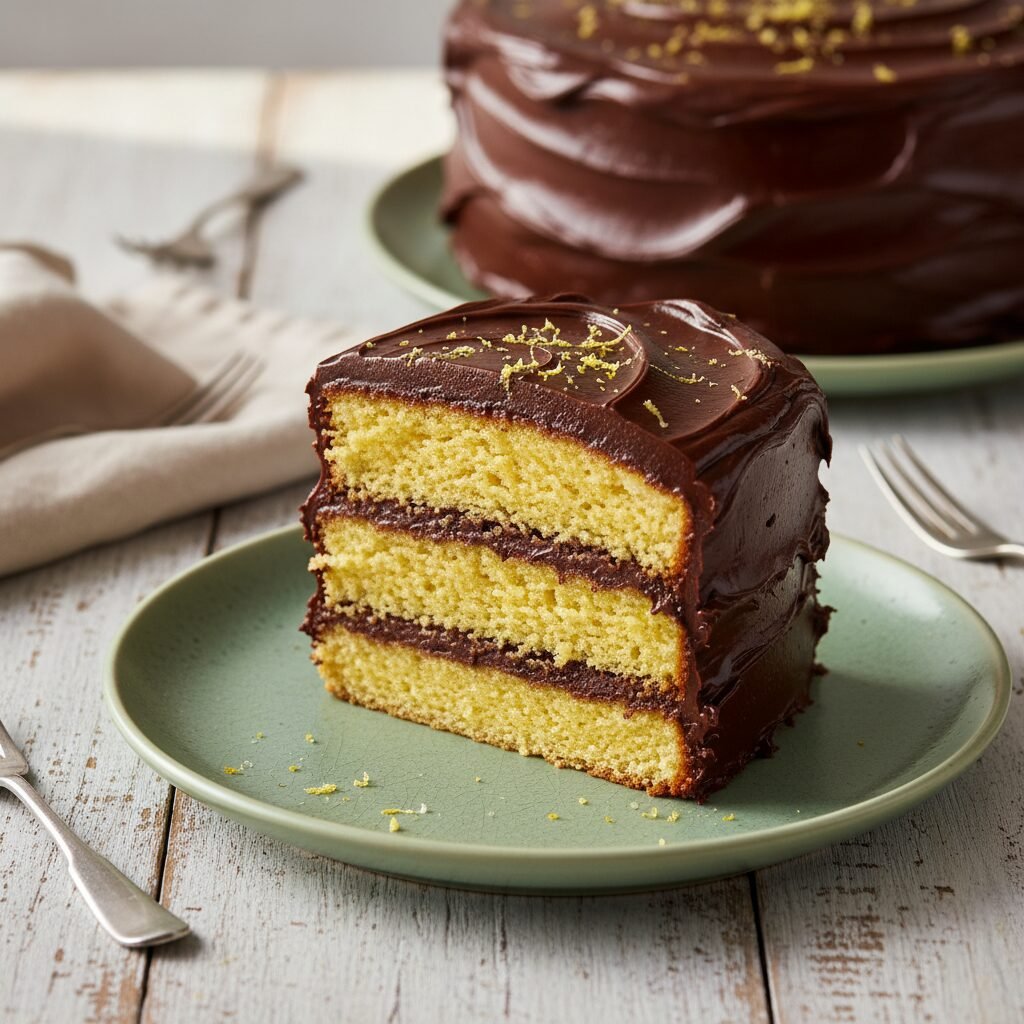
This incredibly moist vegan lemon cake pairs the bright, zesty tang of fresh lemons with a decadent, velvety vegan chocolate frosting. It is a surprising yet perfect flavor combination that requires no eggs or dairy, making it the ultimate plant-based dessert for any celebration.
20 minutes
35 minutes
1 hour 15 minutes
12 servings
Dessert
Baking
American / Vegan
Vegan
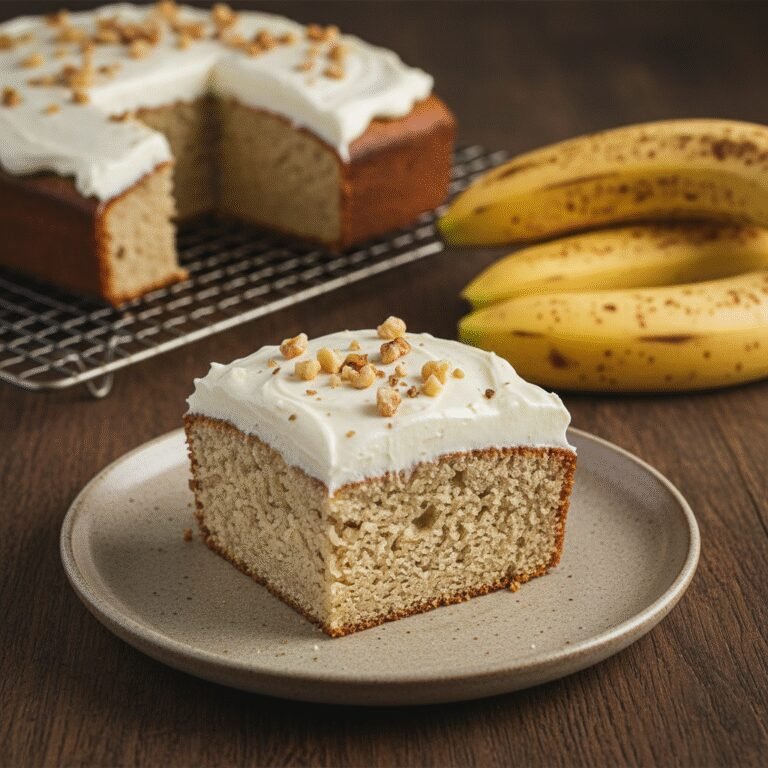
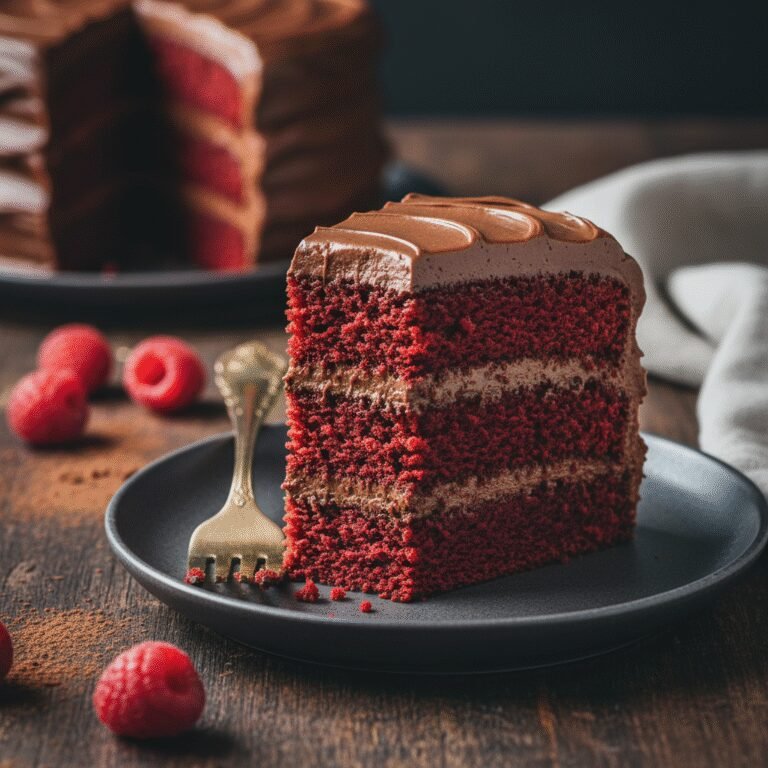
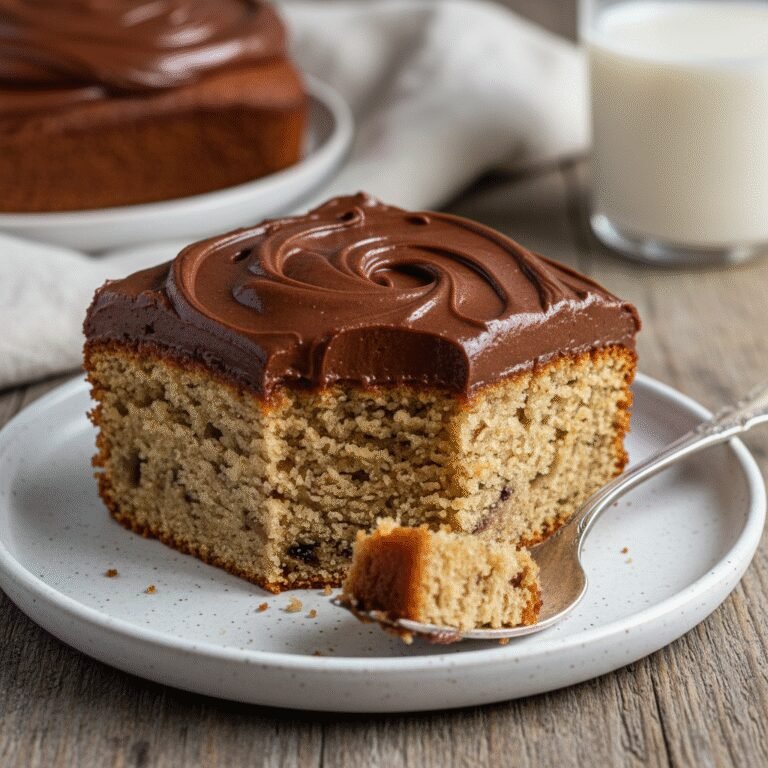
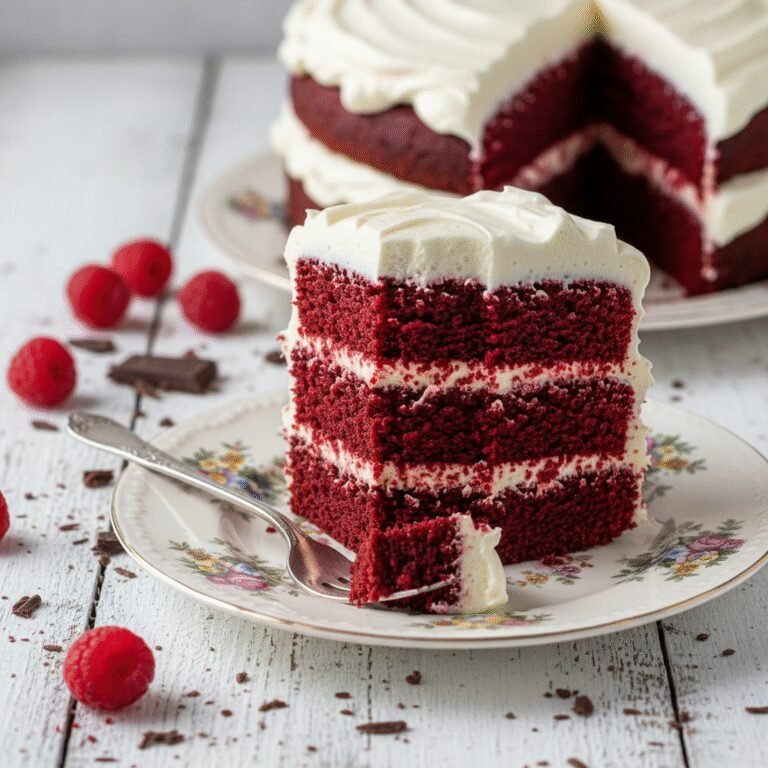
There is a common misconception that vegan baking requires sacrificing texture or flavor, but this Moist Vegan Lemon Cake with Vegan Chocolate Frosting is here to shatter that myth entirely. Imagine a crumb so tender and fluffy that it practically melts in your mouth, infused with the sunny, aromatic oils of fresh lemon zest and the tart kick of lemon juice. Now, picture that bright citrus flavor enveloped in a thick, swoops-and-swirls layer of rich, fudge-like chocolate frosting. While lemon is traditionally paired with vanilla or berry flavors, the combination of citrus and chocolate is a sophisticated, underrated pairing that hits every taste bud—sweet, tart, and deeply savory all at once.
This recipe is designed for the home baker who wants bakery-quality results without obscure ingredients. We rely on simple pantry staples and the science of food chemistry to achieve a lift and crumb that rivals any conventional butter-and-egg cake. Whether you are a strict vegan, dealing with egg allergies, or simply out of butter, this cake delivers a show-stopping performance. It is perfect for birthday parties where dietary restrictions might be a concern, or simply as a comforting weekend baking project. The contrast between the pale yellow, zesty sponge and the dark, glossy chocolate ganache-style frosting makes for a stunning visual presentation that is sure to impress your guests before they even take the first bite.
History & Origins
The history of lemon cake traces back centuries, evolving from dense, bread-like fruitcakes to the lighter, chemically-leavened sponges we know today. The pound cake, originating in Northern Europe in the early 1700s, is a distant ancestor, though it relied heavily on eggs for structure. As baking powder and baking soda became commercially available in the mid-19th century, cakes became lighter and fluffier, allowing delicate flavors like lemon to shine without being weighed down by heavy fats.
Vegan baking, however, has its own fascinating lineage, often rooted in times of scarcity. During the Great Depression and World War II, rationing of butter, milk, and eggs led to the invention of ‘Wacky Cake’ or ‘Depression Cake.’ These resourceful recipes utilized vinegar and baking soda to create carbon dioxide bubbles, providing the necessary lift in the absence of eggs. This recipe pays homage to those historical innovations but refines them with modern culinary techniques. Over the last two decades, the vegan movement has exploded, moving from niche health food stores to mainstream culinary culture. This shift has refined plant-based substitutes, allowing us to use high-quality almond or oat milks and superior vegan butters that mimic the mouthfeel of dairy perfectly. The specific pairing of lemon and chocolate is often attributed to European confectionary traditions, particularly in Italy and France, where candied citrus peels are frequently dipped in dark chocolate. Bringing this flavor profile into a layer cake format bridges the gap between rustic, resourceful cooking and elegant, modern patisserie.
Why This Recipe Works
This recipe succeeds because it masters the delicate balance of moisture, acidity, and structure without animal proteins. The secret weapon here is ‘vegan buttermilk’—a mixture of plant-based milk (soy works best due to its higher protein content) and acid (lemon juice or apple cider vinegar). When mixed, the milk curdles slightly, creating a thick liquid that mimics the acidity of dairy buttermilk. This acidity is crucial; it reacts vigorously with the baking soda to create carbon dioxide gas, giving the cake a tremendous lift and a light, airy crumb that prevents it from becoming dense or gummy.
Furthermore, we use oil instead of vegan butter in the batter. While butter adds flavor, it is solid at room temperature. Oil remains liquid, which means this cake stays incredibly soft and moist even after sitting out for a day or being refrigerated. The lemon flavor is amplified by rubbing the lemon zest into the granulated sugar before mixing—a technique that releases the essential oils from the zest directly into the sugar crystals, ensuring every bite is infused with floral lemon notes. For the frosting, using a high-fat vegan butter stick (rather than a tub spread) ensures the frosting sets up firm enough to pipe but melts creamy on the tongue. The bitterness of the cocoa powder cuts through the sweetness of the powdered sugar and complements the tartness of the lemon sponge, creating a perfectly balanced bite.
Why You’ll Love This Recipe
- ✓Requires no eggs or dairy, making it allergy-friendly.
- ✓Uses the ‘reverse creaming’ method for a tender crumb.
- ✓Lemon and chocolate create a sophisticated flavor profile.
- ✓Stay-fresh moisture provided by neutral oil.
- ✓Can be made in one bowl for easy cleanup.
- ✓Frosting is rich and fudgy, mimicking real buttercream.
Equipment You’ll Need
- ✓Two 8-inch round cake pans
- ✓Large mixing bowl
- ✓Medium mixing bowl
- ✓Whisk
- ✓Electric hand mixer or stand mixer
- ✓Rubber spatula
- ✓Parchment paper
- ✓Wire cooling rack
- ✓Microplane or zester
Ingredients
- ✓2 ½ cups All-purpose flour
- ✓1 ½ cups Granulated sugar
- ✓1 ½ tsp Baking powder
- ✓1 tsp Baking soda
- ✓½ tsp Salt
- ✓1 ½ cups Unsweetened soy milk (or almond milk)
- ✓1 tbsp Apple cider vinegar
- ✓½ cup Neutral oil (canola, vegetable, or grapeseed)
- ✓2 tbsp Fresh lemon juice
- ✓1 tbsp Lemon zest (approx. 2 lemons)
- ✓1 tsp Pure vanilla extract
- ✓1 cup Vegan butter sticks, slightly softened (for frosting)
- ✓3 cups Powdered sugar, sifted (for frosting)
- ✓¾ cup Unsweetened cocoa powder (for frosting)
- ✓2-3 tbsp Plant-based milk (for frosting)
- ✓1 tsp Vanilla extract (for frosting)
- ✓Pinch of salt (for frosting)
Instructions
- Preheat your oven to 350°F (175°C). Grease two 8-inch round cake pans with oil and line the bottoms with parchment paper rounds to prevent sticking.
- In a liquid measuring cup or small bowl, combine the soy milk and apple cider vinegar. Whisk gently and let it sit for 5-10 minutes to curdle into vegan buttermilk.
- In a large mixing bowl, add the granulated sugar and the lemon zest. Use your fingertips to rub the zest into the sugar until the mixture is fragrant and resembles wet sand. This releases the lemon oils.
- Sift the all-purpose flour, baking powder, baking soda, and salt into the bowl with the lemon sugar. Whisk the dry ingredients together until well combined.
- Add the oil, fresh lemon juice, and vanilla extract to the prepared vegan buttermilk mixture. Whisk to combine wet ingredients.
- Pour the wet ingredients into the dry ingredients. Use a whisk or rubber spatula to mix until just combined and no large lumps of flour remain. Do not overmix, or the cake will be tough.
- Divide the batter evenly between the two prepared cake pans. Tap the pans gently on the counter to release any large air bubbles.
- Bake for 30-35 minutes, or until a toothpick inserted into the center comes out clean or with just a few moist crumbs. The tops should be pale golden.
- Remove cakes from the oven and let them cool in the pans for 10 minutes. Then, carefully invert them onto a wire rack to cool completely before frosting.
- To make the frosting: In a large bowl using a hand mixer or stand mixer, beat the softened vegan butter until creamy and pale (about 2-3 minutes).
- Sift in the cocoa powder and half of the powdered sugar. Mix on low speed until combined. Add the remaining powdered sugar, vanilla, and 1 tablespoon of plant milk.
- Increase speed to medium-high and whip for 3-4 minutes until fluffy. Add more plant milk, one teaspoon at a time, if the frosting is too stiff.
- Once the cakes are fully cool, place one layer on a serving plate. Spread a generous layer of chocolate frosting on top. Place the second cake layer on top and frost the top and sides of the entire cake.
- Garnish with extra lemon zest or chocolate shavings if desired. Slice and serve.
Expert Cooking Tips
- ✓Measure flour correctly: Use a kitchen scale for accuracy, or spoon the flour into the cup and level it off. Scooping directly packs the flour and leads to dry cake.
- ✓Room temperature ingredients: Ensure your vegan milk and lemon juice are at room temperature to prevent the oil from seizing up when mixed.
- ✓Don’t skip the parchment: Vegan cakes can be more delicate than egg-based cakes. Parchment paper guarantees they won’t stick to the pan.
- ✓Rub the zest: The step of rubbing zest into sugar is non-negotiable for maximum lemon flavor.
- ✓Cool completely: Vegan buttercream will melt instantly if the cake is even slightly warm. Patience is key.
- ✓Soy milk is best: Soy milk has a protein structure most similar to dairy milk, making the best vegan buttermilk.
Substitutions and Variations
If you need to make this cake gluten-free, swap the all-purpose flour for a high-quality 1:1 Gluten-Free Baking Flour blend that contains xanthan gum. The texture may be slightly denser, but it works well. For the oil, you can use melted coconut oil, but ensure all other ingredients are room temperature so the oil doesn’t solidify during mixing; however, neutral oils like canola or grapeseed are preferred for a lighter crumb. If you don’t have apple cider vinegar, white distilled vinegar or extra lemon juice works perfectly as the acid component. For the frosting, if you cannot find vegan butter sticks, you can use high-quality vegetable shortening, though the flavor will be less buttery; add a pinch more salt and vanilla to compensate. You can also use a Ganache instead of buttercream by melting vegan chocolate chips with full-fat coconut milk.
Common Mistakes to Avoid
The most common mistake is overmixing the batter. Once the wet and dry ingredients meet, the gluten begins to develop. If you mix too vigorously, the cake will become rubbery and tough instead of tender. Another issue is opening the oven door too early; this causes a sudden temperature drop that can make the cake collapse in the center. Always wait at least 25 minutes before checking. Using old baking powder or baking soda is another culprit for flat cakes; check the expiration dates before starting. Finally, attempting to frost the cake while it is still warm is a disaster waiting to happen—the frosting will slide right off. Ensure the cake feels cool to the touch, even in the center.
Serving Suggestions
This cake is rich, so serve it in modest slices. It pairs beautifully with a hot cup of Earl Grey tea, as the bergamot notes complement the lemon and chocolate perfectly. For a summer dessert, serve it alongside fresh raspberries or strawberries, which cut through the richness of the chocolate frosting. If you want to elevate the presentation, garnish the top with candied lemon slices or edible flowers like pansies or nasturtiums. A dollop of vegan whipped coconut cream on the side also adds a nice textural contrast.
Storage and Reheating Tips
Store the frosted cake in an airtight cake carrier at room temperature for up to 2 days. Because it is oil-based, it stays moist longer than butter-based cakes. If your kitchen is particularly hot, or if you need to keep it longer, store it in the refrigerator for up to 5 days. However, allow the cake to come to room temperature for 30 minutes before serving, as the frosting will firm up in the fridge. To freeze, wrap individual slices tightly in plastic wrap and then foil. They can be frozen for up to 3 months. Thaw in the refrigerator overnight or on the counter for an hour.
Nutrition Facts (Estimated)
| Serving Size | 1 slice |
| Calories | 460 |
| Fat | 21g |
| Saturated Fat | 6g |
| Unsaturated Fat | 14g |
| Trans Fat | 0g |
| Cholesterol | 0mg |
| Sodium | 310mg |
| Carbohydrates | 64g |
| Fiber | 3g |
| Sugar | 38g |
| Protein | 5g |
Frequently Asked Questions
Can I use bottled lemon juice instead of fresh?
While you can use bottled juice in a pinch, fresh lemon juice is highly recommended for the best flavor. Bottled juice often contains preservatives that can alter the taste, and you need fresh lemons for the zest anyway.
Why is my cake dense?
A dense cake is usually caused by overmixing the batter or using too much flour. Ensure you measure your flour by weight or the spoon-and-level method, and stop mixing as soon as the ingredients are combined.
Can I make this into cupcakes?
Yes! This recipe will make approximately 20-24 cupcakes. Bake them at 350°F (175°C) for 18-22 minutes. Check for doneness with a toothpick.
Is the sugar vegan?
In the US, some sugar is processed with bone char. To ensure your cake is 100% vegan, look for sugar labeled ‘organic’ or ‘vegan,’ or use beet sugar which is never processed with bone char.
Can I reduce the sugar in the recipe?
Sugar provides structure and moisture as well as sweetness. Reducing it significantly will affect the texture, making the cake drier and denser. You can reduce it by about 1/4 cup without major issues, but proceed with caution.
What if I don’t have soy milk?
Almond milk is the next best alternative. Oat milk can sometimes make the cake slightly gummy due to its starch content, but it will still work. Avoid thin milks like rice milk.
Can I use olive oil?
Yes, a mild olive oil works well and pairs nicely with lemon. However, a strong extra virgin olive oil might overpower the delicate lemon flavor, so use a ‘light’ or ‘pure’ olive oil.
How do I get smooth frosting?
Sifting the powdered sugar and cocoa powder is crucial to avoid lumps. Also, ensure your vegan butter is properly softened but not melted. If it’s too cold, it won’t whip; if it’s melted, it will be soupy.
Why did my cake sink in the middle?
This usually happens if the oven wasn’t fully preheated, the door was opened too soon, or the leavening agents (baking soda/powder) were expired.
Can I add poppy seeds?
Absolutely! Lemon poppy seed is a classic combination. Add 2 tablespoons of poppy seeds to the dry ingredients.
Conclusion
This Moist Vegan Lemon Cake with Vegan Chocolate Frosting is proof that plant-based baking can be just as indulgent, if not more so, than traditional recipes. It brings together the best of both worlds: the sunny, uplifting zest of citrus and the deep, comforting richness of chocolate. Whether you are an experienced vegan baker or trying your hand at egg-free desserts for the first time, this recipe is forgiving, reliable, and absolutely delicious. It’s a cake that invites you to slow down, pour a cup of tea, and savor every moist, flavorful crumb. Happy baking!