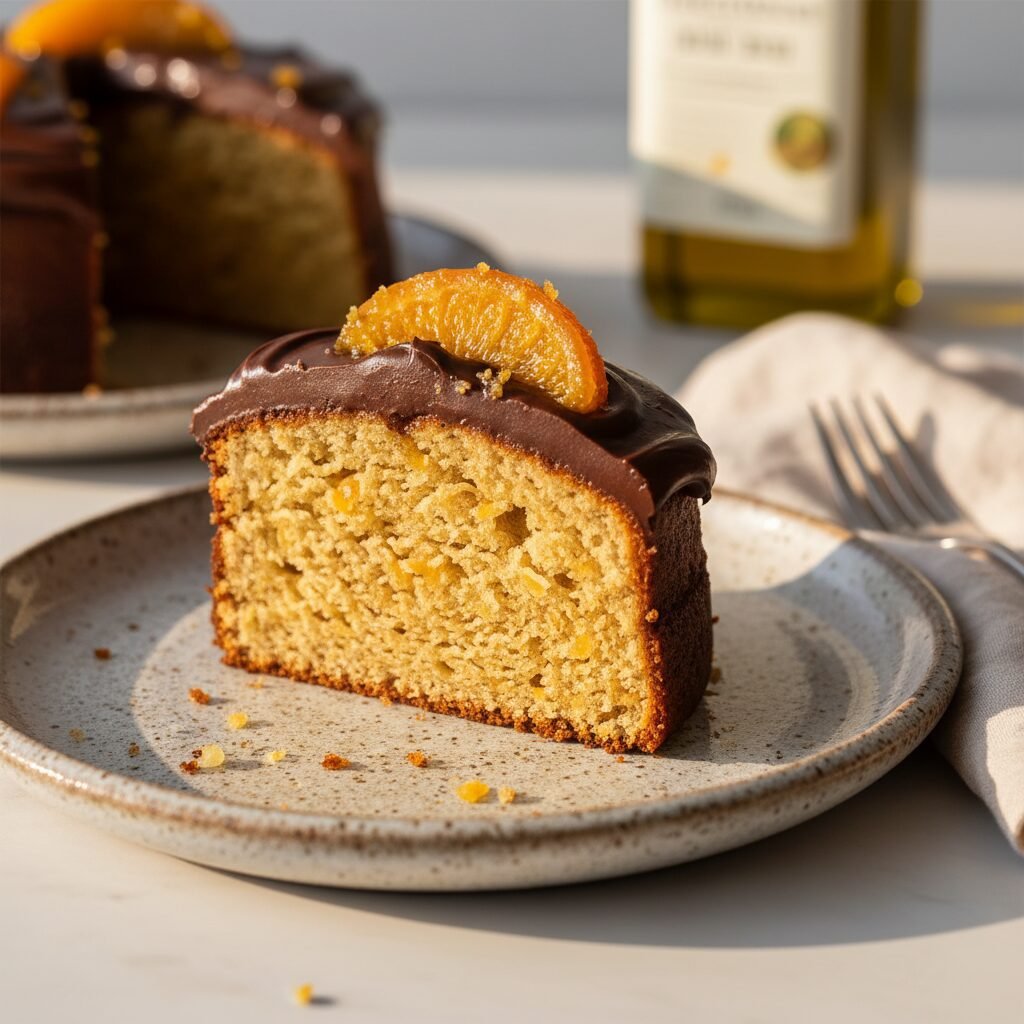
Moist Olive Oil Citrus Cake With Decadent Dairy-Free Chocolate Frosting
Moist Olive Oil Citrus Cake With Dairy Free Chocolate Frosting Recipe
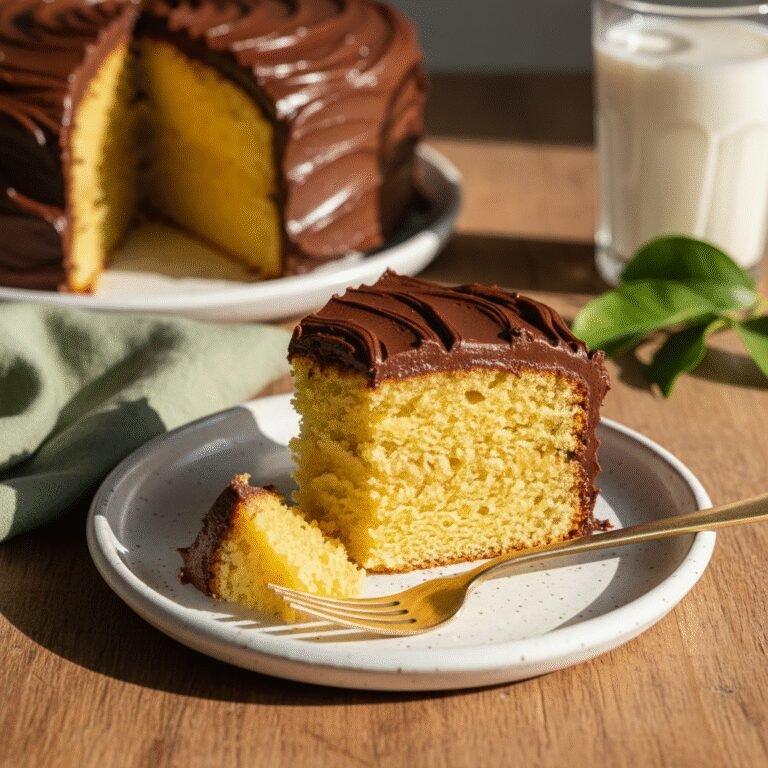
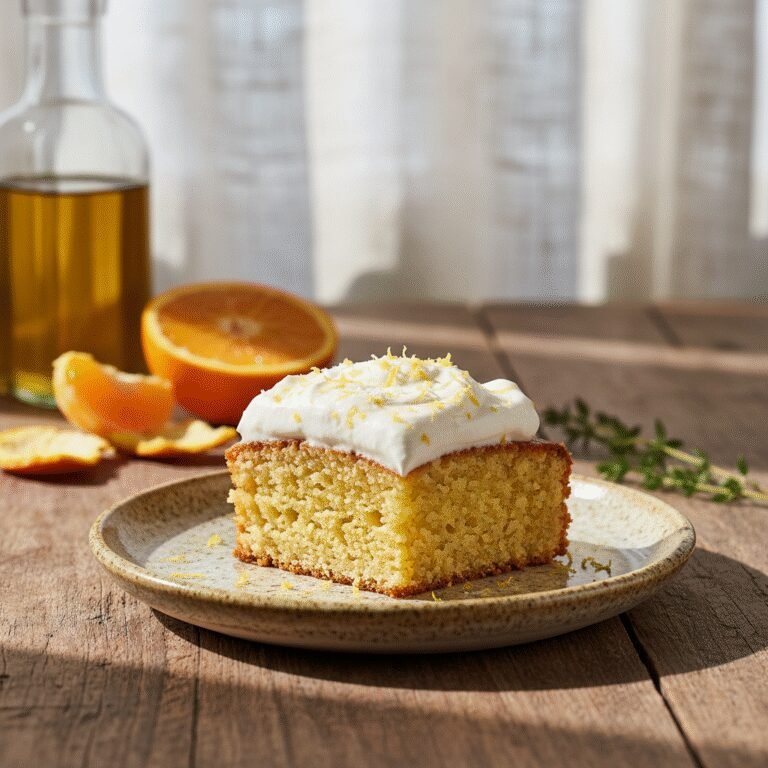
Experience the perfect balance of bright, zesty citrus and rich, velvety chocolate in this incredibly moist olive oil cake. Naturally dairy-free and boasting a tender, melt-in-your-mouth crumb, this elegant dessert is easy enough for weeknight baking but sophisticated enough for any celebration.
20 minutes
45 minutes
1 hour 15 minutes
12 servings
Dessert
Baking
Mediterranean / American Fusion
Dairy-Free
There is something profoundly magical about the alchemy of olive oil in baking. Unlike butter, which brings a milky sweetness and a firmer crumb once cooled, extra virgin olive oil imparts a fruity, grassy nuance and, most importantly, an unparalleled moisture that keeps the cake tender for days. This Moist Olive Oil Citrus Cake is a celebration of that texture, paired with the sunshine-bright flavors of fresh orange and lemon zest. But we didn’t stop there. To elevate this rustic Mediterranean-inspired treat into a show-stopping dessert, we’ve enrobed it in a luscious, dairy-free chocolate frosting that defies belief.
The beauty of this recipe lies in its sophisticated simplicity. The cake itself is not overly sweet; it relies on the aromatic oils of the citrus zest and the distinct, peppery undertone of a good quality olive oil to provide depth. When you take a bite, the first thing you notice is the incredible softness of the crumb—a texture that feels almost like a damp, dense sponge in the best possible way. Then comes the chocolate. By using full-fat coconut milk or a high-quality plant-based butter alternative whipped with cocoa and powdered sugar, we achieve a frosting that is glossy, fudge-like, and completely indulgent without a drop of dairy. It is the ultimate comfort dessert for those who love the classic combination of chocolate and orange, reimagined for the modern, health-conscious, or dairy-free palate.
History & Origins
The tradition of using olive oil in cakes is deeply rooted in Mediterranean culture, particularly within Italy, Greece, and Spain, where olive trees have flourished for millennia. Long before butter became the ubiquitous fat for baking in Northern Europe and America, the people of the Mediterranean were utilizing their most abundant resource—liquid gold, or extra virgin olive oil—to enrich their breads and sweets. Historically, these cakes were often associated with harvest celebrations, marking the season when the olives were pressed and the oil was at its most vibrant and pungent.
The specific pairing of citrus and olive oil is a nod to the agricultural landscape of these regions, where lemon and orange groves often grow alongside olive orchards. In Tuscany and Liguria, simple cakes known as ‘torta all’olio’ are staples for breakfast or afternoon ‘merenda.’ The addition of chocolate to this lineage is a slightly more modern, perhaps European continental influence, capitalizing on the timeless marriage of orange and chocolate (think of the classic confections found in confectioneries across France and Britain). This recipe pays homage to those rustic, peasant-style cakes of the Italian countryside while embracing the modern demand for decadent, dairy-free alternatives that do not compromise on flavor or texture.
Why This Recipe Works
This recipe succeeds where many dry, lackluster cakes fail because of the science of fat states. Butter is a solid fat at room temperature, which means cakes made with butter tend to firm up as they cool. Olive oil, however, remains liquid at room temperature. This physical property ensures that the cake retains a sensation of moistness and tenderness long after it has left the oven. In fact, olive oil cakes often taste better the next day as the moisture redistributes and the flavors meld.
Furthermore, the inclusion of both citrus juice and zest serves a dual purpose. The zest provides the essential oils for that punchy aromatic flavor that extract alone cannot mimic. The acidity from the juice reacts with the baking soda (or powder), creating carbon dioxide bubbles that lift the heavy batter, resulting in a crumb that is dense yet surprisingly light. regarding the frosting, using a high-fat dairy-free base like coconut cream or vegan butter ensures that the emulsion holds air when whipped, creating a structure that mimics traditional buttercream without the lactose. The bitterness of the cocoa powder perfectly offsets the fruity notes of the olive oil, creating a complex flavor profile that hits every note: sweet, tart, bitter, and savory.
Why You’ll Love This Recipe
- ✓Incredibly moist texture that stays fresh for days
- ✓Dairy-free friendly without sacrificing richness
- ✓Beautiful aromatic blend of orange, lemon, and chocolate
- ✓No stand mixer required for the cake batter
- ✓Rich in heart-healthy monounsaturated fats from olive oil
- ✓Elegant presentation perfect for dinner parties
Equipment You’ll Need
- ✓9-inch Springform Pan or Round Cake Pan
- ✓Large Mixing Bowl
- ✓Medium Mixing Bowl
- ✓Whisk
- ✓Microplane Zester
- ✓Citrus Juicer
- ✓Rubber Spatula
- ✓Electric Hand Mixer (for frosting)
- ✓Wire Cooling Rack
Ingredients
- ✓1 1/2 cups All-Purpose Flour
- ✓1/2 cup Almond Flour (for texture)
- ✓1 cup Granulated Sugar
- ✓1 tsp Baking Powder
- ✓1/2 tsp Baking Soda
- ✓1/2 tsp Sea Salt
- ✓3 Large Eggs, room temperature
- ✓3/4 cup Extra Virgin Olive Oil (fruity variety)
- ✓1/2 cup Unsweetened Plant-Based Milk (Almond or Oat)
- ✓1 tbsp Fresh Orange Zest
- ✓1 tsp Fresh Lemon Zest
- ✓1/4 cup Freshly Squeezed Orange Juice
- ✓1 tsp Vanilla Extract
- ✓FROSTING: 1/2 cup Vegan Butter, softened
- ✓FROSTING: 2/3 cup Unsweetened Cocoa Powder
- ✓FROSTING: 2 1/2 cups Powdered Sugar
- ✓FROSTING: 1-2 tbsp Coconut Milk or Almond Milk
- ✓FROSTING: 1 tsp Vanilla Extract
- ✓Garnish: Candied Orange Slices or Fresh Thyme
Instructions
- Preheat your oven to 350°F (175°C). Grease a 9-inch springform pan with olive oil and line the bottom with parchment paper.
- In a medium bowl, whisk together the all-purpose flour, almond flour, baking powder, baking soda, and salt until well combined and free of lumps.
- In a large mixing bowl, place the sugar and the lemon and orange zest. Rub the zest into the sugar with your fingertips until the sugar is fragrant and slightly moist (this releases the citrus oils).
- Crack the eggs into the sugar mixture and whisk vigorously for about 2 minutes until pale and slightly thickened.
- Slowly drizzle in the olive oil while whisking constantly to emulsify the mixture.
- Whisk in the plant-based milk, fresh orange juice, and vanilla extract until smooth.
- Gently fold the dry ingredients into the wet ingredients using a rubber spatula. Mix just until no flour streaks remain; do not overmix.
- Pour the batter into the prepared pan and smooth the top. Tap the pan gently on the counter to release any large air bubbles.
- Bake for 40-50 minutes, or until a toothpick inserted into the center comes out clean or with just a few moist crumbs. The top should be golden brown.
- Allow the cake to cool in the pan for 10 minutes, then run a knife around the edge and transfer to a wire rack to cool completely before frosting.
- To make the frosting: In a large bowl, beat the softened vegan butter with an electric mixer until creamy.
- Sift in the cocoa powder and half of the powdered sugar. Beat on low speed until combined.
- Add the remaining powdered sugar, vanilla, and 1 tablespoon of milk. Beat on high speed for 2-3 minutes until fluffy. Add more milk a teaspoon at a time if needed to reach spreadable consistency.
- Generously frost the top of the completely cooled cake. Garnish with zest or candied citrus slices.
Expert Cooking Tips
- ✓Use a high-quality Extra Virgin Olive Oil; the flavor will come through, so choose one you enjoy tasting raw.
- ✓Room temperature ingredients are crucial for a smooth emulsion, especially the eggs and milk.
- ✓Rubbing the zest into the sugar is a game-changer for intensifying the citrus flavor.
- ✓Do not over-bake; olive oil cakes are best when they are just barely set in the center.
- ✓Sift your cocoa powder for the frosting to avoid bitter, dry lumps in your icing.
- ✓If using a springform pan, place it on a baking sheet to catch any potential oil leaks during baking.
Substitutions and Variations
This recipe is quite versatile. If you do not have almond flour, you can replace it with an equal amount of all-purpose flour, though the texture will be slightly less tender. For a gluten-free version, substitute the all-purpose flour with a high-quality 1:1 Gluten-Free Baking Flour blend that contains xanthan gum. The sugar can be swapped for organic cane sugar or coconut sugar, though coconut sugar will darken the cake and add a caramel note. If you are not strictly dairy-free, regular unsalted butter can be used for the frosting, and whole milk can be used in the cake batter. You can also vary the citrus; blood oranges, tangerines, or even grapefruit can provide a unique twist on the flavor profile. For the oil, while olive oil is the star, avocado oil or melted coconut oil can work if you prefer a neutral flavor, but you will lose the signature taste of the dish.
Common Mistakes to Avoid
The most common mistake with this cake is overmixing the batter after adding the flour. Overmixing develops gluten, which can turn this tender cake into a rubbery, dense loaf. Mix only until the flour disappears. Another error is using an old or rancid olive oil. Smell your oil before baking; if it smells like crayons or stale nuts, do not use it, as that flavor will permeate the cake. Regarding the frosting, adding the liquid too quickly can cause the frosting to break or become too runny. Add the milk slowly. Finally, do not attempt to frost the cake while it is even slightly warm. The dairy-free butter base has a lower melting point than regular butter and will slide right off the cake if there is any residual heat.
Serving Suggestions
This cake is stunning when served simply on a rustic ceramic platter. It pairs beautifully with an afternoon espresso or a cup of Earl Grey tea, which complements the citrus notes. For a dessert course, serve a slice with a dollop of coconut whipped cream and a handful of fresh raspberries or pomegranate arils to cut through the richness of the chocolate. In the summer, a scoop of dairy-free vanilla bean ice cream makes for a delightful contrast in temperature. The cake is robust enough to travel, making it an excellent choice for picnics or potlucks.
Storage and Reheating Tips
One of the greatest advantages of olive oil cake is its shelf life. Store the frosted cake in an airtight cake carrier at room temperature for up to 2 days. If your kitchen is particularly warm, or if you need to keep it longer, store it in the refrigerator for up to 5 days. However, olive oil cakes can solidify slightly when cold, so it is imperative to let the slice come to room temperature before eating to enjoy the proper texture. To freeze, wrap unfrosted layers tightly in plastic wrap and foil for up to 3 months. Thaw overnight on the counter before frosting.
Nutrition Facts (Estimated)
| Serving Size | 1 slice |
| Calories | 385 |
| Fat | 22g |
| Saturated Fat | 6g |
| Unsaturated Fat | 15g |
| Trans Fat | 0g |
| Cholesterol | 35mg |
| Sodium | 180mg |
| Carbohydrates | 45g |
| Fiber | 3g |
| Sugar | 28g |
| Protein | 5g |
Frequently Asked Questions
Can I taste the olive oil in the finished cake?
Yes, but it is subtle. It adds a fruity, earthy depth that complements the citrus and chocolate rather than overpowering them. It doesn’t taste ‘savory’ like a salad dressing.
Can I use a light olive oil instead of extra virgin?
You can, and it will provide the moisture without the flavor. However, we recommend Extra Virgin for the antioxidants and the complex flavor profile that defines this specific cake.
Why did my cake sink in the middle?
This usually happens if the oven door was opened too early during baking, causing the structure to collapse before it set, or if the leavening agents (baking soda/powder) were expired.
Can I make this cake without eggs?
You can try using flax eggs (1 tbsp ground flaxseed meal + 3 tbsp water per egg), but the texture will be denser and less fluffy than the original version.
Is this cake suitable for nut allergies?
The recipe calls for almond flour for texture. To make it nut-free, replace the almond flour with an equal amount of additional all-purpose flour and ensure your plant milk is soy or oat-based.
Can I use store-bought frosting?
Absolutely. Many store-bought frostings are accidentally dairy-free, but checking the label is essential. However, homemade frosting usually has a much better mouthfeel.
How do I zest the citrus properly?
Use a microplane or fine grater and only grate the bright colorful outer skin. Avoid the white pith underneath, as it is very bitter and can ruin the flavor of the cake.
Can I bake this as cupcakes?
Yes! This batter makes excellent cupcakes. Bake them at 350°F for approximately 18-22 minutes. It should yield about 12-15 cupcakes.
My frosting is too stiff, what do I do?
Add more plant-based milk, one teaspoon at a time, beating constantly until it reaches your desired spreadable consistency.
Can I use Meyer lemons?
Yes, Meyer lemons are sweeter and more floral than standard lemons and work wonderfully in this recipe. You may not need quite as much sugar if using them.
Conclusion
This Moist Olive Oil Citrus Cake with Dairy-Free Chocolate Frosting is more than just a dessert; it is a testament to how simple, high-quality ingredients can come together to create something truly spectacular. Whether you are a seasoned baker or a novice in the kitchen, this recipe offers a forgiving and rewarding experience. The interplay of the fruity olive oil, the bright zest, and the deep, dark chocolate creates a symphony of flavors that feels both nostalgic and new. We hope this cake becomes a staple in your kitchen, bringing a slice of Mediterranean sunshine to your table, no matter the season. Happy baking!