Ultimate Moist Olive Oil Citrus Cake With Creamy Dairy-Free Buttercream
Moist Olive Oil Citrus Cake With Dairy Free Buttercream Recipe
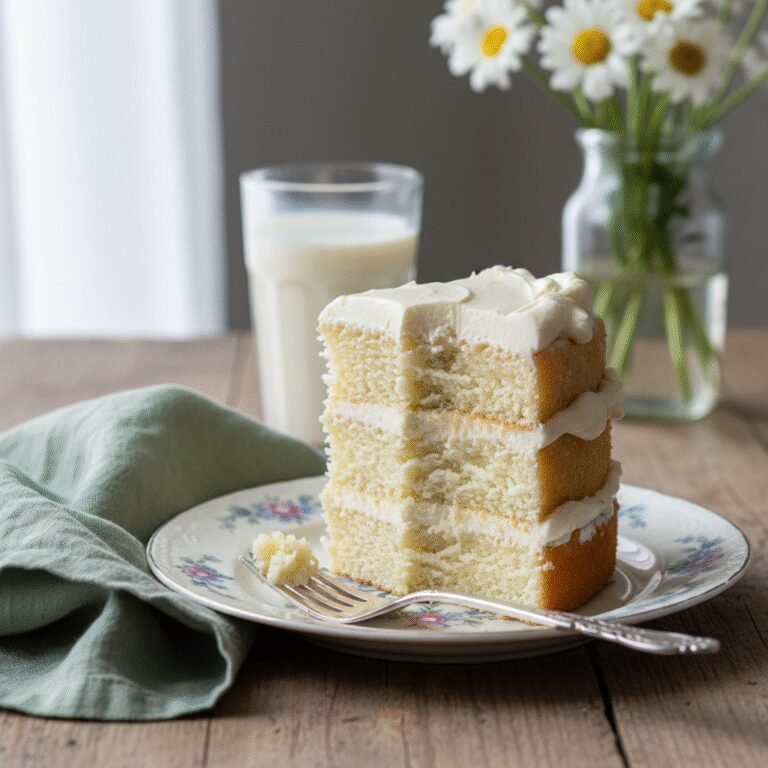
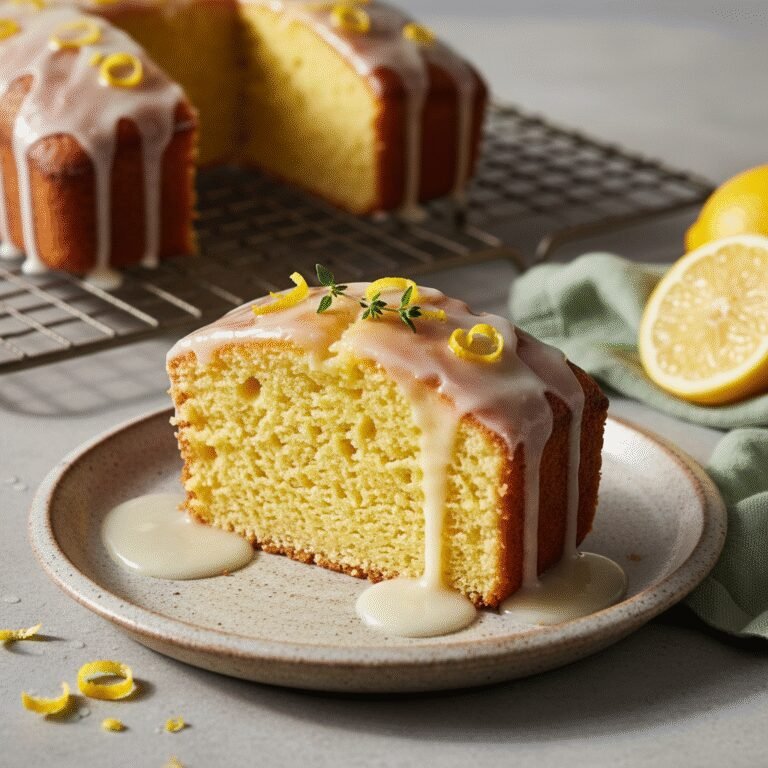
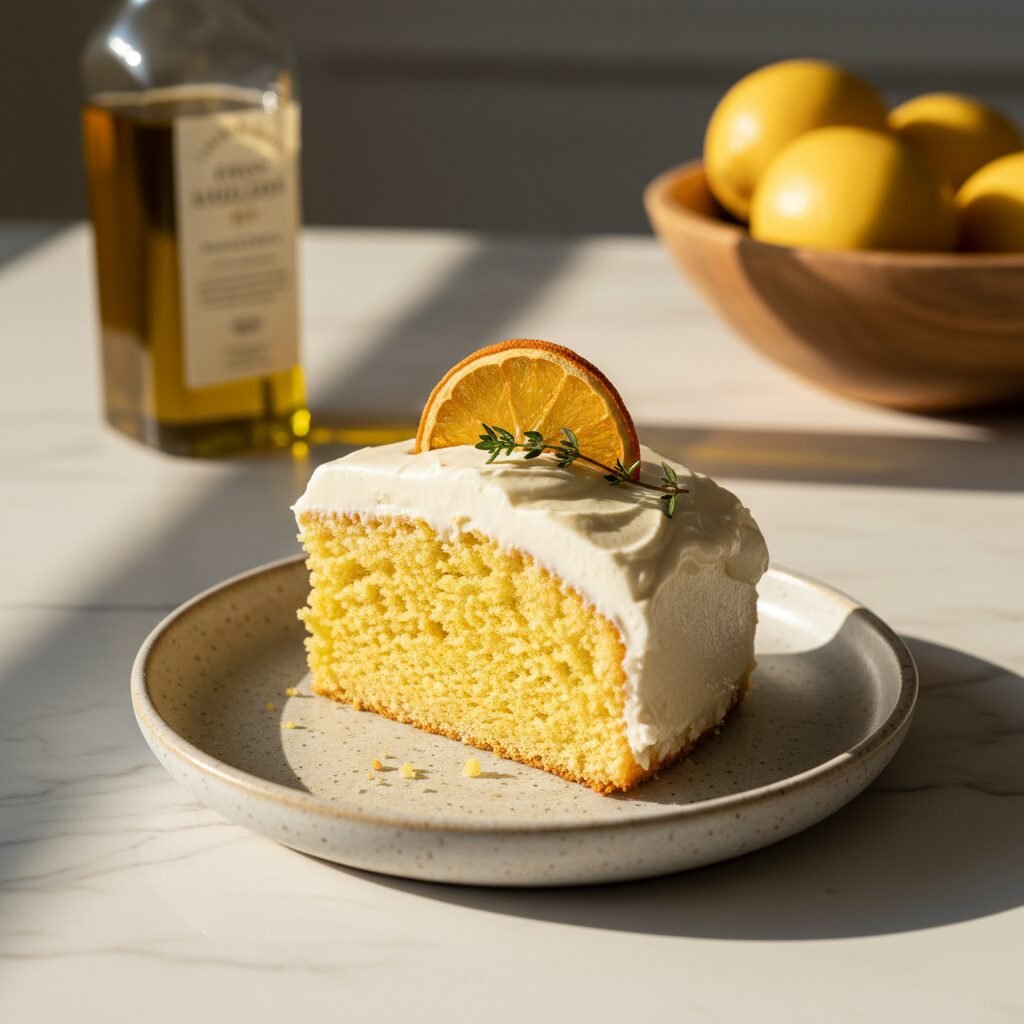
Experience the perfect balance of zesty brightness and rich, tender crumb with this incredible Olive Oil Citrus Cake. Topped with a velvety dairy-free buttercream, this dessert proves you don’t need traditional dairy to achieve bakery-quality decadence.
25 minutes
40 minutes
1 hour 15 minutes
12 servings
Dessert
Baking
Mediterranean Fusion
Dairy-Free
There is something profoundly comforting about a cake that relies on the simple, rustic elegance of olive oil rather than butter. This Moist Olive Oil Citrus Cake is a celebration of Mediterranean flavors, marrying the grassy, fruit-forward notes of high-quality extra virgin olive oil with the vibrant, aromatic punch of fresh lemon and orange zest. Unlike butter-based cakes that can sometimes dry out or feel heavy on the palate, olive oil cakes possess a unique, superior crumb that stays incredibly moist for days. The oil encapsulates the flour particles, inhibiting gluten formation just enough to create a texture that is tender, plush, and almost pudding-like in its softness, yet structurally sound enough to slice beautifully.
But the magic doesn’t stop at the cake layers. For those navigating a dairy-free lifestyle or simply looking to reduce animal products without sacrificing luxury, the accompanying Dairy-Free Buttercream is a revelation. We’ve moved past the days of waxy, flavorless vegan frostings. By whipping high-quality plant-based butter sticks with confectioners’ sugar and a touch of citrus essence, we achieve a frosting that is fluffy, stable, and melts in your mouth just like traditional buttercream. This recipe is perfect for a sunny afternoon tea, a sophisticated brunch centerpiece, or a birthday celebration where dietary inclusivity is key. It is a dessert that looks unassuming but delivers a complex flavor profile—sweet, tart, savory, and creamy—all in one bite.
History & Origins
The tradition of using olive oil in baking is deeply rooted in the culinary history of the Mediterranean basin, particularly in regions like Italy, Greece, and Spain. For centuries, butter was a luxury item, often scarce or difficult to preserve in the warmer climates of Southern Europe. Conversely, olive groves were abundant, and olive oil was a staple fat used in everything from savory stews to sweet confections. Historically, these cakes were often simple, unadorned loaves or rounds, served as a breakfast item or a midday snack alongside coffee or wine. They were the food of the people—accessible, nutritious, and relying on local agriculture.
The incorporation of citrus is equally significant. The cultivation of lemons and oranges in the Mediterranean dates back over a thousand years, introduced by Arab traders and cultivated in the terraced gardens of the Amalfi Coast and the groves of Valencia. The combination of these two ingredients—olive oil and citrus—became a natural pairing. The acidity of the citrus cuts through the richness of the oil, creating a balanced flavor profile that has stood the test of time. In modern times, the olive oil cake has seen a resurgence in haute cuisine and home baking alike, celebrated for its health benefits (rich in monounsaturated fats) and its superior keeping qualities compared to butter cakes. This specific iteration honors that ancient lineage while adapting it for the modern dairy-free kitchen, proving that traditional methods often hold the secret to the best textures.
Why This Recipe Works
The science behind why this Olive Oil Citrus Cake works so well lies in the physical properties of the fat used. Butter is solid at room temperature, which means cakes made with butter will firm up as they cool. Olive oil, however, is a liquid fat at room temperature. This keeps the cake’s crumb incredibly soft and moist even days after baking, and especially when served straight from the counter. The fat molecules in the oil coat the flour proteins more effectively than solid fats, preventing tough gluten networks from forming, which results in that desirable ‘tender’ mouthfeel.
Furthermore, the addition of citrus juice and zest does double duty. Flavor-wise, the oils in the zest provide a floral, aromatic top note that permeates the batter, while the acidity in the juice reacts with the baking powder and baking soda. This reaction creates carbon dioxide bubbles, contributing to a better rise and a lighter texture, ensuring the cake isn’t dense or greasy. For the dairy-free buttercream, the success comes from using plant-based butter sticks rather than tub margarine. Sticks have a lower water content and higher fat content, mimicking dairy butter’s structure, allowing it to aerate properly when whipped with sugar. This creates a stable emulsion that holds its shape for piping and layering, without separating.
Why You’ll Love This Recipe
- ✓Incredibly moist texture that lasts for 3-4 days.
- ✓Dairy-free friendly without compromising on taste or richness.
- ✓Vibrant citrus flavor using both lemon and orange zest.
- ✓Sophisticated flavor profile suitable for adults and kids.
- ✓Easy one-bowl mixing method for the cake batter.
- ✓Beautiful rustic presentation perfect for any occasion.
Equipment You’ll Need
- ✓Two 8-inch round cake pans
- ✓Large mixing bowl
- ✓Whisk
- ✓Electric mixer (stand or hand-held)
- ✓Microplane or zester
- ✓Rubber spatula
- ✓Wire cooling rack
- ✓Offset spatula
Ingredients
- ✓2 cups All-purpose flour
- ✓1 1/2 cups Granulated sugar
- ✓1 tsp Baking powder
- ✓1/2 tsp Baking soda
- ✓1/2 tsp Salt
- ✓3 large Eggs (room temperature)
- ✓1 cup Extra virgin olive oil (fruity but not too grassy)
- ✓1 cup Unsweetened almond milk (or oat milk)
- ✓2 tbsp Fresh lemon juice
- ✓1 tbsp Fresh orange juice
- ✓1 tbsp Lemon zest
- ✓1 tbsp Orange zest
- ✓1 tsp Vanilla extract
- ✓1 cup Vegan butter sticks (softened)
- ✓3-4 cups Powdered sugar
- ✓1-2 tbsp Dairy-free milk (for frosting consistency)
Instructions
- Preheat your oven to 350°F (175°C). Grease two 8-inch round cake pans with oil and line the bottoms with parchment paper.
- In a medium bowl, whisk together the flour, baking powder, baking soda, and salt until well combined. Set aside.
- In a large mixing bowl, whisk the eggs and granulated sugar together vigorously for about 1-2 minutes until the mixture is pale and slightly thickened.
- Slowly drizzle in the olive oil while whisking constantly to emulsify the mixture.
- Stir in the almond milk, lemon juice, orange juice, lemon zest, orange zest, and vanilla extract.
- Gently fold the dry ingredients into the wet ingredients using a rubber spatula. Mix only until no streaks of flour remain; do not overmix.
- Divide the batter evenly between the two prepared cake pans.
- Bake for 35-40 minutes, or until a toothpick inserted into the center comes out clean or with just a few moist crumbs.
- Remove from the oven and let the cakes cool in the pans for 10 minutes, then turn them out onto a wire rack to cool completely before frosting.
- To make the buttercream: In a large bowl or stand mixer, beat the softened vegan butter on medium-high speed for 5 minutes until pale and fluffy.
- Gradually add the powdered sugar, one cup at a time, beating on low speed until incorporated.
- Add vanilla extract and a pinch of salt. Increase speed to high and whip for another 3-4 minutes.
- If the frosting is too stiff, add dairy-free milk one teaspoon at a time until the desired consistency is reached.
- Frost the cooled cakes, stacking one on top of the other, and garnish with extra zest or candied citrus slices.
Expert Cooking Tips
- ✓Use high-quality Extra Virgin Olive Oil; the flavor shines through, so pick one you enjoy tasting.
- ✓Ensure all ingredients, especially eggs and milk, are at room temperature to prevent the batter from curdling.
- ✓Rub the citrus zest into the granulated sugar with your fingers before mixing to release the essential oils.
- ✓Do not open the oven door too early, as the change in temperature can cause the cake to sink.
- ✓Let the cakes cool completely before frosting; otherwise, the vegan buttercream will melt.
- ✓Sift your powdered sugar to avoid a lumpy buttercream.
Substitutions and Variations
This recipe is quite versatile. If you are not strictly dairy-free, you can substitute the almond milk for whole milk and the vegan butter for regular unsalted butter. For the flour, a 1:1 Gluten-Free All-Purpose baking flour blend works excellently if you need to make this gluten-free; just ensure the blend contains xanthan gum. You can vary the citrus profile by using blood oranges, grapefruits, or limes instead of the lemon-orange mix. If you prefer a less sweet cake, you can reduce the sugar in the batter by 1/4 cup, though this may slightly alter the moisture level. For the oil, while olive oil is the star, you can use avocado oil or grapeseed oil for a more neutral flavor, though you will lose the signature Mediterranean profile.
Common Mistakes to Avoid
The most common mistake with olive oil cakes is overmixing the batter. Because the fat is liquid, it’s easy to work the gluten too much, resulting in a rubbery texture rather than a tender one. Stop mixing as soon as the flour disappears. Another issue is using a very bitter or old olive oil; taste your oil before baking. If it’s too peppery or rancid, it will ruin the cake. Finally, when making vegan buttercream, ensuring the butter is at the correct softness is crucial. If it’s melted or too soft, the frosting will be soupy. If it’s too cold, it won’t whip up fluffy.
Serving Suggestions
This cake is stunning when served simply. A slice goes perfectly with a hot cup of Earl Grey tea or a shot of espresso. For a dinner party, serve it with a side of dairy-free coconut whipped cream and fresh berries (raspberries or blackberries work best to contrast the citrus). You can also garnish the top with edible flowers like pansies or nasturtiums for a spring look, or candied lemon slices for a more professional bakery finish. A drizzle of a simple lemon glaze can be added between the layers for an extra kick of tartness.
Storage and Reheating Tips
Because this cake is made with oil, it stays moist at room temperature for longer than butter cakes. Store the frosted cake in an airtight cake carrier at room temperature for up to 3 days. If your kitchen is particularly hot, or if you want to keep it longer, store it in the refrigerator for up to 5 days. However, allow the cake to come to room temperature before eating for the best flavor and texture. The buttercream will firm up in the fridge. You can also freeze individual slices wrapped tightly in plastic wrap and foil for up to 2 months.
Nutrition Facts (Estimated)
| Serving Size | 1 slice |
| Calories | 420 |
| Fat | 24g |
| Saturated Fat | 6g |
| Unsaturated Fat | 16g |
| Trans Fat | 0g |
| Cholesterol | 35mg |
| Sodium | 180mg |
| Carbohydrates | 48g |
| Fiber | 1g |
| Sugar | 28g |
| Protein | 4g |
Frequently Asked Questions
Can I use regular vegetable oil instead of olive oil?
Yes, you can, but you will lose the distinct floral and earthy flavor that olive oil provides. The texture will remain moist, but the taste profile will be much simpler.
Does this cake taste strongly of olives?
Not exactly. It has a fruity, rich undertone that complements the citrus. It doesn’t taste like a savory salad dressing, but rather adds a depth of flavor that butter cannot achieve.
Why did my vegan buttercream curdle?
This usually happens if there is a temperature difference between the butter and any liquid added, or if the butter was too soft. Keep whipping on high speed; it often comes back together.
Can I bake this in a bundt pan?
Absolutely! This batter works great in a bundt pan. You may need to increase the baking time to 45-55 minutes. Check for doneness with a skewer.
Is this cake suitable for vegans?
The cake recipe calls for eggs, so the base recipe is not vegan. However, the buttercream is. To make the cake vegan, you would need to use a flax egg or commercial egg replacer, though this changes the texture slightly.
Can I make this cake ahead of time?
Yes, the cake layers can be baked a day in advance, wrapped in plastic, and stored at room temperature. The flavor actually develops and improves overnight.
What is the best brand of vegan butter for frosting?
Look for brands that sell ‘sticks’ rather than tubs, such as Miyoko’s Creamery or Country Crock Plant Butter. Sticks have a lower water content essential for stable frosting.
Can I use bottled lemon juice?
Fresh is always best for baking, especially when zest is involved. Bottled juice lacks the vibrant acidity and floral notes of fresh lemons.
Conclusion
This Moist Olive Oil Citrus Cake with Dairy-Free Buttercream is more than just a dessert; it’s a testament to how incredible alternative ingredients can be when used correctly. The combination of the fruity olive oil, the zingy citrus, and the creamy, sweet frosting creates a harmony of flavors that is hard to beat. Whether you are baking for a dairy-free friend or simply want to explore the wonders of olive oil baking, this recipe is a guaranteed winner. It’s rustic enough for a Tuesday night treat but elegant enough for a celebration. We hope this becomes a staple in your baking repertoire!