The Ultimate Moist Keto Vanilla Cake With Monk Fruit Sweetener
Moist Keto Vanilla Cake With Monk Fruit Sweetener Recipe
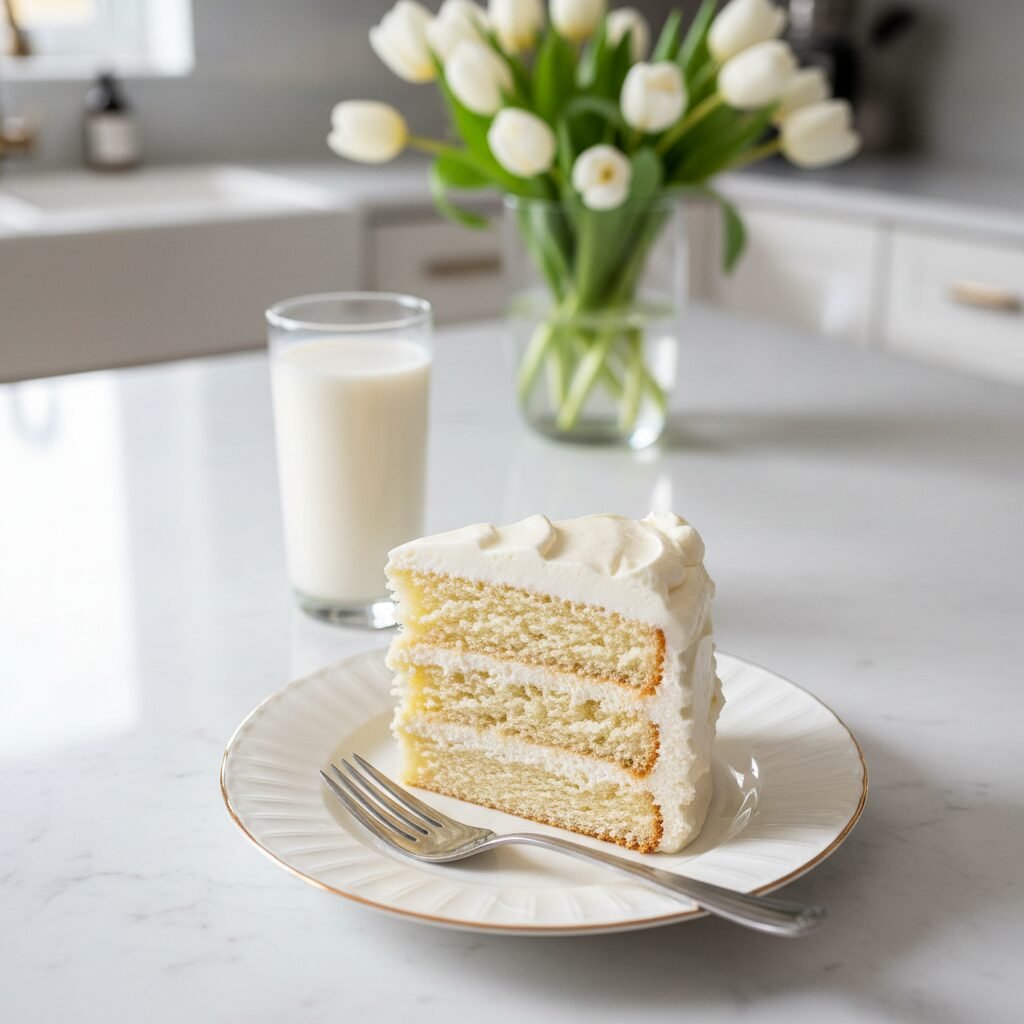
Discover the secret to a truly moist and fluffy low-carb dessert with this definitive Keto Vanilla Cake recipe. Sweetened with monk fruit and baked with a perfect blend of almond and coconut flours, this cake delivers all the classic birthday cake nostalgia without the sugar crash.
20 minutes
30 minutes
50 minutes
12 slices
Dessert
Baking
American
Gluten-Free
For anyone who has embarked on a ketogenic lifestyle, the quest for the perfect cake is often fraught with disappointment. We have all been there: excited to try a new low-carb recipe, only to pull a dense, dry, or eggy brick out of the oven. The chemistry of gluten-free and sugar-free baking is notoriously fickle, often resulting in textures that crumble too easily or flavors that are overpowered by artificial aftertastes. However, this Moist Keto Vanilla Cake with Monk Fruit Sweetener is the game-changer you have been waiting for. It defies the stereotypes of diet food, offering a tender crumb, a rich buttery flavor, and a sweetness that mimics traditional sugar perfectly without spiking your insulin.
What sets this recipe apart is the meticulous balance of ingredients designed to retain moisture—a common struggle in baking with nut flours. By utilizing a blend of superfine almond flour and coconut flour, along with the richness of sour cream and high-quality butter, we create a batter that bakes up light yet substantial. The star of the show, however, is the monk fruit sweetener. Unlike some sugar alcohols that leave a cooling sensation, monk fruit provides a clean, neutral sweetness that lets the pure vanilla flavor shine through. Whether you are celebrating a birthday, an anniversary, or just a Tuesday night craving, this cake proves that you do not have to sacrifice luxury for health. It is the kind of dessert that will have non-keto guests asking for seconds, completely unaware that what they are eating is gluten-free and sugar-free.
History & Origins
While the ketogenic diet has surged in popularity over the last decade, the concept of low-carb eating dates back to the 1920s when it was developed as a therapeutic diet for pediatric epilepsy. However, the culinary history of the vanilla cake itself is much older. The modern vanilla cake, or ‘white cake,’ evolved in the 19th century with the invention of baking powder and the availability of refined white flour and sugar. For nearly two centuries, the hallmark of a good cake was its lightness, achieved through gluten development and the aeration of sugar and butter.
When the low-carb movement gained traction with the Atkins diet in the 1970s and later the modern Keto revival, home bakers faced a massive challenge: how to replicate a structural marvel like sponge cake without its two main structural components—wheat flour and sugar. Early iterations of low-carb cakes were often heavy, relying solely on ground nuts and artificial sweeteners like saccharin or aspartame, which often degraded under heat.
The game changed with the widespread availability of blanched almond flour and coconut flour in the 2010s, allowing for finer textures. Simultaneously, the discovery of natural sweeteners like Monk Fruit (Luo Han Guo), a gourd native to Southeast Asia used for centuries in traditional Chinese medicine, revolutionized keto baking. Monk fruit extract provided a zero-calorie, zero-glycemic solution that was heat-stable. This recipe represents the culmination of decades of dietary evolution, merging the classic American desire for a fluffy birthday cake with modern nutritional science.
Why This Recipe Works
This recipe succeeds where many others fail due to the specific synergy between the fat sources and the flour blend. Almond flour is high in fat and low in carbohydrates, providing a rich taste, but on its own, it can be heavy and oily. Coconut flour, conversely, is extremely absorbent and dry. By combining them in a specific ratio, the coconut flour absorbs the excess moisture and fat from the almond flour and butter, creating a structure that mimics the crumb of wheat flour.
Furthermore, the inclusion of sour cream (or full-fat Greek yogurt) is scientifically crucial. The acidity in the sour cream reacts with the baking powder to create carbon dioxide bubbles, which helps the heavy batter rise and become fluffy. It also adds fat and acidity that tenderizes the protein in the eggs, preventing the ‘rubbery’ texture often found in gluten-free baking.
Finally, using Monk Fruit sweetener is key for texture. Sugar acts as a liquid in baking when melted; monk fruit sweeteners usually contain erythritol as a bulking agent, which behaves somewhat similarly but can recrystallize upon cooling. By using a powdered or high-quality granular monk fruit blend and ensuring the butter is creamed thoroughly with it, we incorporate air pockets into the fat, which expand during baking to provide lift. This ‘creaming method’ is a traditional technique applied to alternative ingredients to ensure a light, airy result.
Why You’ll Love This Recipe
- ✓Only 3g net carbs per slice
- ✓Incredibly moist crumb thanks to sour cream
- ✓No cooling aftertaste from the sweetener
- ✓Sturdy enough for layer cakes and stacking
- ✓Gluten-free and grain-free
- ✓Simple one-bowl mixing method
Equipment You’ll Need
- ✓Two 8-inch round cake pans
- ✓Electric hand mixer or stand mixer
- ✓Large mixing bowl
- ✓Parchment paper
- ✓Wire cooling rack
- ✓Rubber spatula
- ✓Measuring cups and spoons
Ingredients
- ✓2 1/2 cups Blanched Almond Flour (superfine)
- ✓1/2 cup Coconut Flour
- ✓1 tbsp Baking Powder
- ✓1/2 tsp Sea Salt
- ✓1 cup Unsalted Butter, softened to room temperature
- ✓1 cup Granular Monk Fruit Sweetener (e.g., Lakanto or similar blend)
- ✓4 large Eggs, room temperature
- ✓1 tbsp Pure Vanilla Extract
- ✓1/2 cup Full-Fat Sour Cream (room temperature)
- ✓1/3 cup Unsweetened Almond Milk (room temperature)
Instructions
- Preheat your oven to 350°F (175°C). Grease two 8-inch round cake pans with butter or coconut oil and line the bottoms with parchment paper to ensure easy removal.
- In a medium bowl, whisk together the almond flour, coconut flour, baking powder, and salt until well combined and free of lumps. Set aside.
- In a large mixing bowl or stand mixer, cream the softened butter and monk fruit sweetener together on medium-high speed for about 3-4 minutes. The mixture should look fluffy and pale.
- Add the eggs one at a time, beating well after each addition. Scrape down the sides of the bowl as needed. Beat in the vanilla extract.
- Reduce the mixer speed to low. Add about one-third of the flour mixture to the wet ingredients, mixing just until combined.
- Add the sour cream and mix until incorporated. Then add another third of the flour mixture.
- Add the almond milk, mix, and then finish with the remaining flour mixture. Mix until the batter is smooth and thick. Do not overmix, but ensure no dry pockets remain.
- Divide the batter evenly between the two prepared cake pans. Use a rubber spatula to smooth the tops.
- Bake in the center of the preheated oven for 25-30 minutes. Test for doneness by inserting a toothpick into the center; it should come out clean or with just a few moist crumbs.
- Remove from the oven and let the cakes cool in the pans for at least 20 minutes. This is critical as keto cakes are fragile when hot.
- Gently run a knife around the edges to loosen, then invert the cakes onto a wire rack to cool completely before frosting.
Expert Cooking Tips
- ✓Room temperature ingredients are non-negotiable. Cold eggs or butter will cause the batter to curdle and result in a dense cake.
- ✓Sift your almond flour if it looks clumpy. Superfine almond flour yields the best texture; avoid almond meal which is too gritty.
- ✓Do not skip the parchment paper. Keto flours stick to pans more than wheat flour, even with greasing.
- ✓Let the cake cool completely before frosting. Keto cakes are softer when warm and will fall apart or melt the frosting if rushed.
- ✓If the top is browning too quickly but the center is raw, tent the pans loosely with aluminum foil around the 20-minute mark.
Substitutions and Variations
If you need to adapt this recipe, there are several viable substitutions. For a dairy-free version, substitute the butter with solidified coconut oil or a vegan butter block, and replace the sour cream with full-fat coconut cream (the thick part from a chilled can) or a dairy-free almond milk yogurt. If you do not have monk fruit sweetener, an erythritol blend (like Swerve) works at a 1:1 ratio, though it may have a slight cooling effect. Allulose is another excellent option that browns well and keeps the cake soft, but it is less sweet, so you may need to increase the amount by 25%. Do not try to substitute the almond flour with coconut flour entirely or vice versa; their absorption rates are drastically different, and the recipe will fail. If you only have salted butter, omit the added salt in the dry ingredients.
Common Mistakes to Avoid
The most common mistake is measuring flour incorrectly. Ideally, weigh your ingredients in grams. If using cups, spoon the flour into the cup and level it off rather than scooping directly from the bag, which packs the flour down and dries out the cake. Another error is over-baking. Nut flours burn faster than wheat flour and dry out quickly. Watch the oven closely in the final few minutes. Lastly, many people try to frost the cake while it is still slightly warm. Because almond flour lacks the gluten structure of wheat, the cake is structurally weaker when warm; frosting it too early will likely cause the layers to slide or the crumb to tear.
Serving Suggestions
This vanilla cake serves as a perfect canvas for a variety of toppings. The most classic pairing is a Keto Buttercream Frosting made with butter, powdered monk fruit, vanilla, and heavy cream. For a lighter option, serve with a dollop of homemade sugar-free whipped cream and fresh berries like raspberries or strawberries, which are lower in carbs. If you are feeling adventurous, a lemon glaze or a chocolate ganache made with sugar-free chocolate chips and heavy cream elevates this cake to a decadent dessert suitable for dinner parties.
Storage and Reheating Tips
Keto cakes have a high moisture content and no preservatives, so they spoil faster than store-bought cakes. Store the frosted cake in the refrigerator in an airtight cake carrier for up to 5 days. The cold actually helps firm up the crumb, making it easier to slice. For long-term storage, you can freeze the cake layers (unfrosted) wrapped tightly in plastic wrap and then foil for up to 3 months. Thaw in the refrigerator overnight before frosting. If the cake is already frosted, freeze individual slices on a baking sheet until solid, then wrap them individually for a quick grab-and-go treat.
Nutrition Facts (Estimated)
| Serving Size | 1 slice |
| Calories | 320 |
| Fat | 28g |
| Saturated Fat | 12g |
| Unsaturated Fat | 14g |
| Trans Fat | 0g |
| Cholesterol | 85mg |
| Sodium | 210mg |
| Carbohydrates | 6g |
| Fiber | 3g |
| Sugar | 1g |
| Protein | 8g |
Frequently Asked Questions
Why did my cake turn out wet in the middle?
This usually happens if the oven temperature was too low or the cake wasn’t baked long enough. It can also occur if you used too much liquid or if the almond flour was measured heavy-handed, preventing the heat from penetrating the center.
Can I bake this as cupcakes instead?
Yes, absolutely. This batter works great for cupcakes. Line a muffin tin with parchment liners and bake at 350°F for 18-22 minutes. It should yield about 12-15 cupcakes.
Can I use liquid monk fruit drops instead of granular?
It is not recommended for this specific recipe. The granular sweetener acts like sugar to cream with the butter, creating air pockets for fluffiness. Liquid drops will alter the liquid-to-dry ratio and result in a denser, flatter cake.
Does this cake taste like coconut?
No, the coconut flavor is very subtle and usually masked by the butter and vanilla. The coconut flour is primarily there for structure and moisture absorption.
Why is my cake green?
This is a rare chemical reaction between the baking powder (specifically aluminum-based ones) and the chlorophyll in sunflower seeds if you substituted sunflower seed flour. With almond flour, this shouldn’t happen, but ensure your baking powder is aluminum-free to avoid any metallic tastes or color changes.
Is this cake safe for diabetics?
Generally, yes. Monk fruit has a glycemic index of zero and almond flour is low-carb, meaning it shouldn’t cause sharp blood sugar spikes. However, everyone’s body is different, so it’s always best to monitor your own response.
Can I use egg whites only?
You can, but the yolks add richness and fat that contribute to the moisture. If you use only whites, add an extra tablespoon of butter or oil to compensate for the lost fat.
How do I get the frosting to stick to the crumbs?
Do a ‘crumb coat’ first. Apply a thin layer of frosting to seal in the crumbs, refrigerate the cake for 20 minutes until set, and then apply the final thick layer of frosting.
Conclusion
Baking on a ketogenic diet doesn’t mean you have to give up the joy of a tender, fragrant slice of vanilla cake. This Moist Keto Vanilla Cake with Monk Fruit Sweetener bridges the gap between health goals and indulgence, offering a texture and flavor profile that rivals any traditional bakery offering. Whether you are a seasoned keto veteran or just looking to reduce your sugar intake, this recipe is a staple you will return to time and time again. Don’t forget to snap a picture of your beautiful creation and tag us on social media—we love seeing how you decorate your masterpieces!