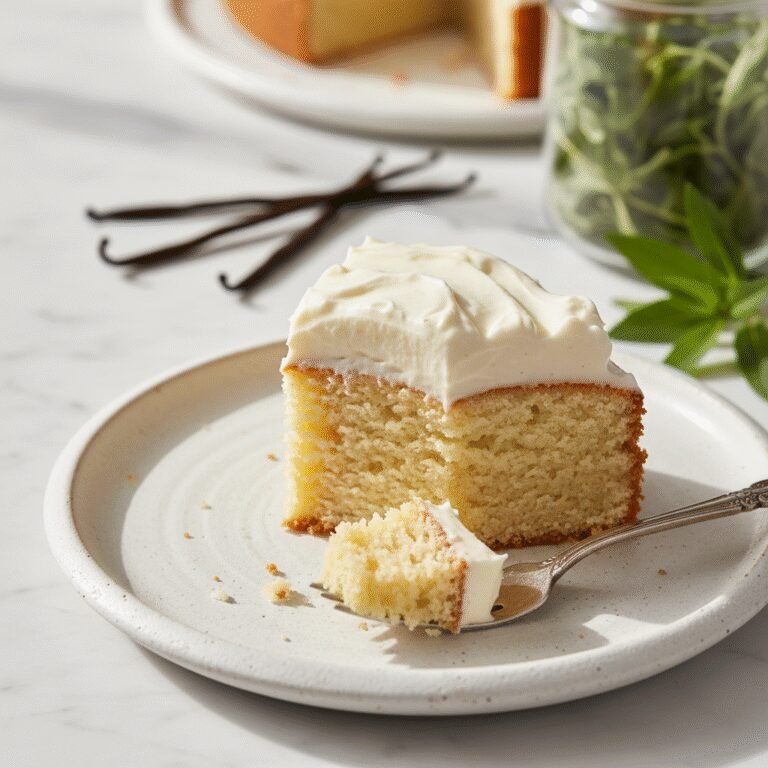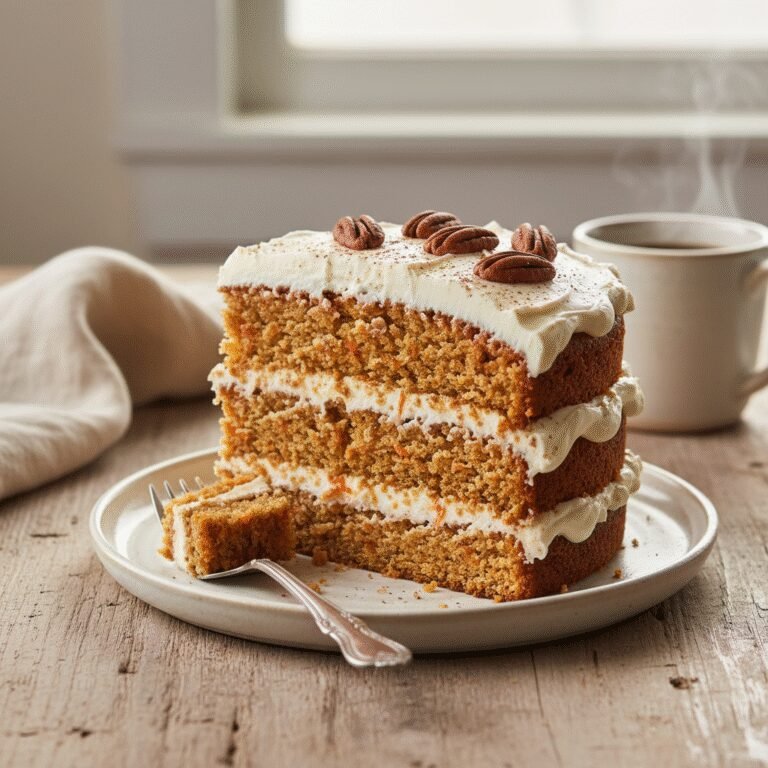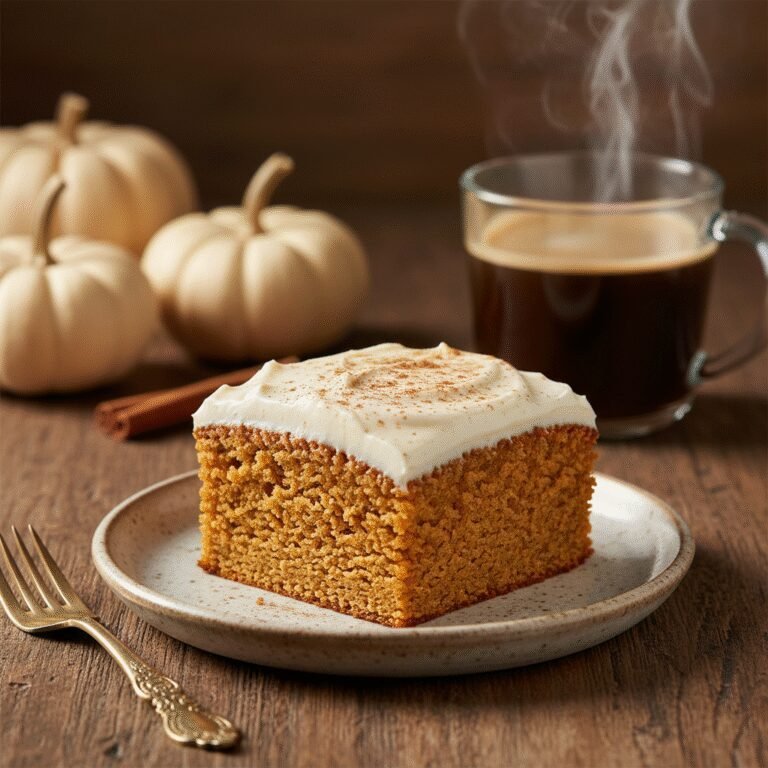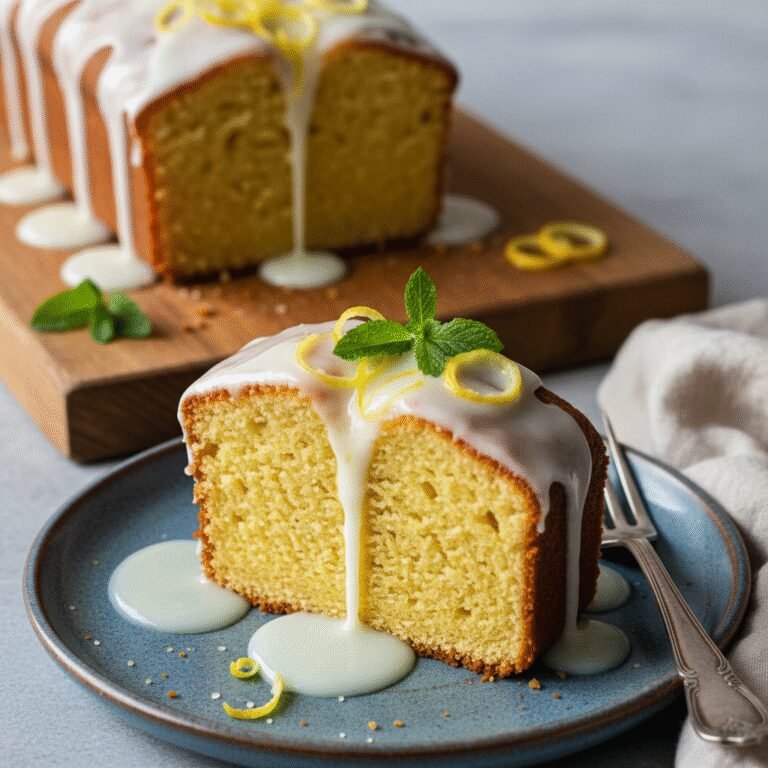
The Ultimate Moist Keto Vanilla Cake With Erythritol
Moist Keto Vanilla Cake With Erythritol Recipe
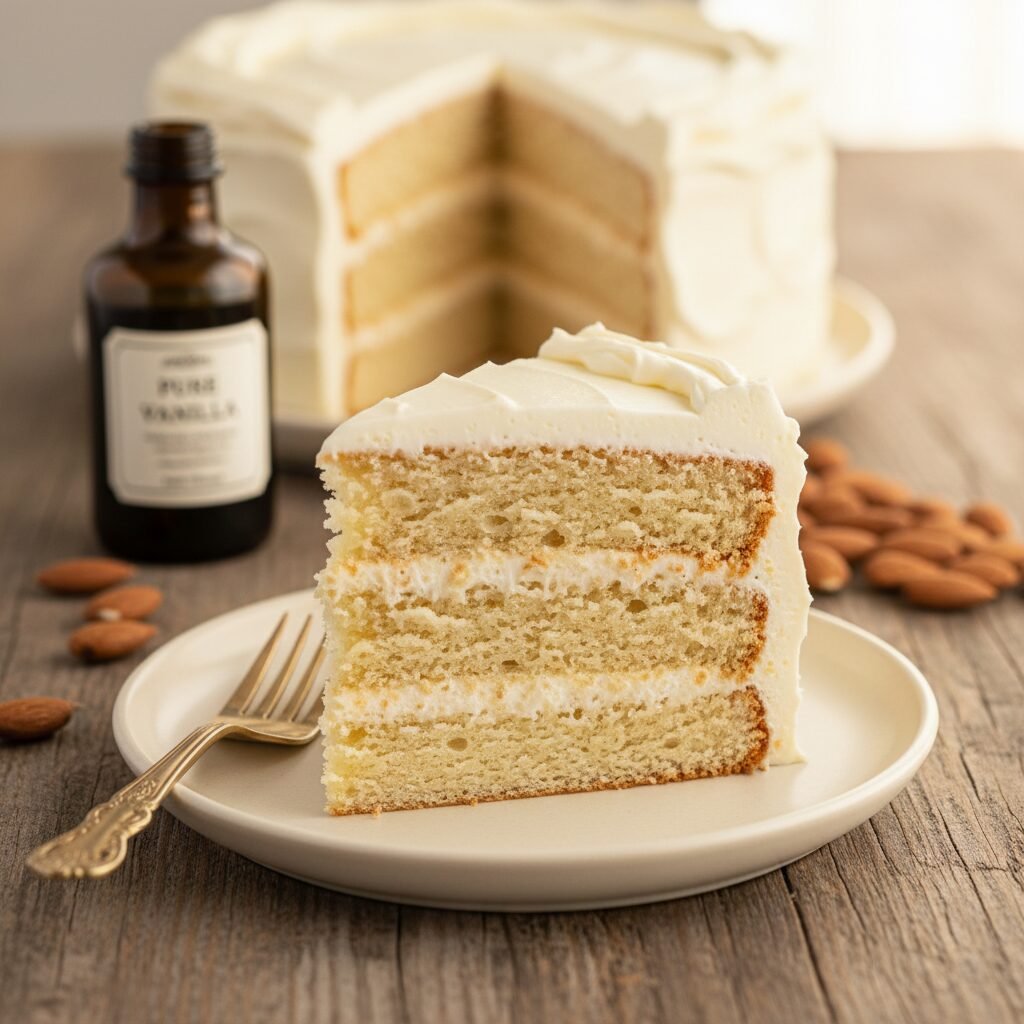
Discover the holy grail of low-carb baking with this exceptionally Moist Keto Vanilla Cake. Sweetened with erythritol and featuring a perfect blend of almond and coconut flours, this gluten-free dessert delivers the tender, fluffy crumb of a traditional birthday cake without the sugar crash.
20 minutes
30 minutes
50 minutes
12 servings
Dessert
Baking
American / Keto
Gluten-Free
For anyone who has embarked on a ketogenic lifestyle, the quest for a genuinely moist, fluffy, and palatable vanilla cake often feels like searching for a needle in a haystack. All too often, low-carb baking results in dense, egg-heavy blocks or dry, crumbly textures that require a gallon of water to wash down. This Moist Keto Vanilla Cake with Erythritol is the game-changer you have been waiting for. It defies the stereotypes of grain-free baking by delivering a texture that is strikingly similar to a classic wheat-based sponge cake. The secret lies in the delicate balance of fats and fibers, ensuring that every bite melts in your mouth with a rich, buttery vanilla flavor. Whether you are celebrating a birthday, an anniversary, or simply craving a comforting slice of cake on a Tuesday afternoon, this recipe provides all the nostalgia of a bakery-style treat with none of the guilt. We use erythritol as our primary sweetener because it provides a clean, sugar-like taste without spiking insulin levels, making this cake completely safe for diabetics and those strictly tracking their macros. The addition of high-quality vanilla extract and a specific blend of almond and coconut flours creates a complex flavor profile that masks any ‘cooling’ effect sometimes associated with sugar alcohols. Prepare to be amazed as you pull a golden, aromatic masterpiece from your oven that looks, smells, and tastes like the real deal.
History & Origins
The concept of the vanilla cake is deeply rooted in culinary history, though its modern iteration is a relatively recent phenomenon. Vanilla itself, derived from the orchids of the genus Vanilla, was originally cultivated by the Totonac people of present-day Mexico before being adopted by the Aztecs and eventually introduced to Europe by Spanish conquistadors in the 16th century. For centuries, vanilla was an exclusive luxury, used primarily in chocolate drinks for the aristocracy. It wasn’t until the mid-19th century, with the invention of baking powder and the increased availability of vanilla extract, that the ‘vanilla cake’ began to take shape as a staple of Western desserts. The transition from dense, yeast-based breads to light, chemically leavened cakes marked a golden era in baking. Fast forward to the late 20th and early 21st centuries, and we see a new revolution: the rise of the low-carb and ketogenic diets. The ketogenic diet, originally developed in the 1920s to treat epilepsy, gained massive popularity in the 2010s for weight loss and metabolic health. This created a culinary vacuum—millions of people loved cake but could not eat sugar or wheat. Early attempts at keto baking were often disastrous, relying heavily on eggs and producing rubbery textures. However, the popularization of almond flour and erythritol (a sugar alcohol found naturally in some fruits) allowed home bakers to re-engineer the classic vanilla cake. This recipe represents the culmination of that history: a modern adaptation that honors the classic flavor profile of the 19th-century sponge while utilizing 21st-century nutritional science.
Why This Recipe Works
This recipe succeeds where many other keto cakes fail due to the precise synergy between ingredients. First, we use a combination of almond flour and coconut flour. Almond flour provides the bulk and the healthy fats necessary for a moist crumb, but on its own, it can be too heavy and oily. Coconut flour is extremely absorbent; adding just a small amount dries out the excess oil and provides structure, mimicking the gluten network found in wheat flour without the carbohydrates. Second, the choice of sweetener is critical. Erythritol is used here because it is a systemic non-nutritive sweetener that creates structure when creamed with butter, similar to sucrose. To avoid the gritty texture sometimes found in keto desserts, we recommend using powdered or confectioners’ style erythritol, which dissolves more readily into the batter. Third, fat is flavor and moisture. By using grass-fed butter and full-fat almond milk (or heavy cream), we ensure the cake retains moisture even after cooling. Unlike wheat flour, nut flours do not become tough when mixed, but they do lack binding power. This is why the recipe calls for a specific number of eggs—they provide the protein scaffold that holds the cake together. Finally, the baking temperature is kept moderate to prevent the almond flour from burning while allowing the center to set perfectly.
Why You’ll Love This Recipe
- ✓Only 3g Net Carbs per generous slice
- ✓Uses erythritol for zero blood sugar impact
- ✓Perfectly moist crumb, never dry or gritty
- ✓Gluten-free and grain-free
- ✓Simple one-bowl mixing method
- ✓Ideal base for strawberry shortcake or birthday cakes
Equipment You’ll Need
- ✓Two 8-inch round cake pans
- ✓Parchment paper
- ✓Large mixing bowl
- ✓Electric hand mixer or stand mixer
- ✓Rubber spatula
- ✓Wire cooling rack
- ✓Measuring cups and spoons
- ✓Sifter
Ingredients
- ✓2 1/2 cups blanched almond flour (super fine)
- ✓1/4 cup coconut flour
- ✓1 tbsp baking powder (aluminum-free)
- ✓1/2 tsp sea salt
- ✓1/2 cup unsalted butter, softened to room temperature
- ✓3/4 cup powdered erythritol (e.g., Swerve Confectioners)
- ✓4 large eggs, room temperature
- ✓1 tbsp vanilla extract
- ✓1/2 cup unsweetened almond milk, room temperature
Instructions
- Preheat your oven to 350°F (175°C). Grease two 8-inch round cake pans with butter or coconut oil and line the bottoms with parchment paper circles to ensure easy removal.
- In a medium bowl, whisk together the almond flour, coconut flour, baking powder, and salt. Make sure to break up any clumps of almond flour. Set aside.
- In a large mixing bowl or the bowl of a stand mixer, cream the softened butter and powdered erythritol together on medium-high speed for about 2-3 minutes until the mixture is pale and fluffy.
- Add the eggs one at a time, beating well after each addition. Scrape down the sides of the bowl with a rubber spatula as needed.
- Mix in the vanilla extract and the almond milk until combined. The mixture might look slightly curdled at this stage; this is normal.
- Reduce the mixer speed to low. Gradually add the dry ingredient mixture to the wet ingredients. Mix only until the batter is smooth and combined. Do not over-mix, although this is less of a concern than with gluten flour, you want to keep the air in the batter.
- Divide the batter evenly between the two prepared cake pans. Smooth the tops with a spatula.
- Bake in the preheated oven for 25-30 minutes. Test for doneness by inserting a toothpick into the center of the cake; it should come out clean or with just a few moist crumbs attached. The tops should be golden brown.
- Remove the cakes from the oven and place the pans on a wire cooling rack. Let them cool in the pans for at least 15-20 minutes. This is crucial as keto cakes are very fragile when hot.
- Gently run a knife around the edges of the pans to loosen the cakes. Invert them onto the wire rack to cool completely before frosting. Do not attempt to frost while even slightly warm, or the frosting will melt.
Expert Cooking Tips
- ✓Room temperature ingredients are non-negotiable; cold eggs or milk will seize the butter and ruin the emulsion.
- ✓Use ‘super fine’ blanched almond flour, not almond meal, to avoid a gritty texture.
- ✓If you detect a cooling sensation from the erythritol, try a monk fruit/erythritol blend.
- ✓Cover the cake with foil halfway through baking if the top is browning too quickly.
- ✓Let the cake cool completely—keto flours need time to set their structure as they cool.
- ✓Weigh your ingredients if possible; packing flour into cups can lead to a dry cake.
Substitutions and Variations
Keto baking relies on chemistry, so substitutions should be made with caution. If you cannot use almond flour due to a nut allergy, sunflower seed flour is the closest 1:1 substitute, though it may turn green due to a reaction with baking powder (add a splash of lemon juice to prevent this). Do not try to substitute coconut flour 1:1 for almond flour; it is far too absorbent. If you prefer not to use butter, coconut oil or ghee works well, though butter offers the most classic flavor. For the sweetener, pure erythritol, xylitol, or monk fruit blends work best. Note that xylitol is toxic to dogs, so be extremely careful if you have pets. Liquid stevia can be used, but you will lose the bulk volume that erythritol provides, so you may need to increase the dry ingredients slightly or accept a denser cake. Dairy milk can replace almond milk if you are not strictly dairy-free.
Common Mistakes to Avoid
The most common mistake with this recipe is rushing the cooling process. Unlike wheat cakes, which have gluten to provide elasticity, almond flour cakes rely on the egg proteins and cooling fats to hold their shape. If you try to flip the cake out of the pan too soon, it will crumble into a delicious but messy pile. Another mistake is using almond meal instead of almond flour; the skins in almond meal create a heavy, rustic texture that isn’t right for a vanilla sponge. Finally, ensure your baking powder is fresh. Keto batters are heavier than wheat batters and need active leavening agents to rise properly.
Serving Suggestions
This cake is incredibly versatile. It serves as the perfect vessel for a classic keto buttercream frosting made with butter, powdered erythritol, and heavy cream. For a lighter option, top with homemade whipped cream and fresh berries like strawberries or raspberries, which are lower in carbs. It also works beautifully as a base for a trifle or cubed into a keto parfait. Serve with a cup of bulletproof coffee or hot tea for an indulgent afternoon snack.
Storage and Reheating Tips
Store the frosted cake in an airtight container in the refrigerator for up to 5 days. Keto cakes actually tend to get moister after a day in the fridge as the almond flour hydrates further. For long-term storage, you can freeze the unfrosted cake layers. Wrap each layer tightly in plastic wrap, then in aluminum foil, and freeze for up to 3 months. Thaw overnight in the refrigerator before frosting and serving. If the cake has been refrigerated, let it sit at room temperature for 15 minutes before eating for the best flavor and texture.
Nutrition Facts (Estimated)
| Serving Size | 1 slice |
| Calories | 245 |
| Fat | 21g |
| Saturated Fat | 8g |
| Unsaturated Fat | 11g |
| Trans Fat | 0g |
| Cholesterol | 65mg |
| Sodium | 180mg |
| Carbohydrates | 6g |
| Fiber | 3g |
| Sugar | 1g |
| Protein | 7g |
Frequently Asked Questions
Why did my cake fall in the center?
Cakes usually fall because they were underbaked. Almond flour batters take longer to set in the middle. Next time, add 5 minutes to the baking time or check with a toothpick.
Can I use liquid sweetener instead of erythritol?
It is not recommended. Granulated or powdered sweeteners provide bulk and structure. Removing them changes the volume of the batter and yields a denser result.
Does this cake taste like coconut?
No. While there is a small amount of coconut flour, the vanilla and butter flavors overpower it. It is used strictly for texture, not flavor.
Why is my cake gritty?
Grittiness comes from the erythritol not dissolving or the almond flour being too coarse. Use powdered erythritol and super-fine almond flour to solve this.
Can I make this into cupcakes?
Absolutely! This recipe will make about 12 standard cupcakes. Reduce the baking time to 18-22 minutes.
Is baking powder keto?
Yes, baking powder is generally keto-friendly in the small amounts used. Just ensure it is aluminum-free for better taste.
How do I mask the cooling effect of erythritol?
Using a ‘confectioners’ style blend that includes a touch of stevia or monk fruit helps. Also, serving the cake with a fat-heavy frosting masks the sensation.
Can I use olive oil instead of butter?
You can, but it will change the flavor profile significantly. Light olive oil or avocado oil are better neutral choices if you must avoid solid fats.
Conclusion
Baking on a keto diet doesn’t mean you have to sacrifice the joy of a classic vanilla cake. This Moist Keto Vanilla Cake with Erythritol proves that with the right ingredients and technique, you can enjoy a dessert that rivals any high-carb bakery offering. It is tender, flavorful, and perfectly sweet, making it a staple recipe you will return to again and again. Whether you are baking for a special occasion or just meal-prepping sweet treats for the week, this cake delivers on all fronts. Happy baking, and enjoy every guilt-free bite!