The Ultimate Moist Keto Lemon Pound Cake With Erythritol Glaze
Moist Keto Lemon Pound Cake With Erythritol Recipe
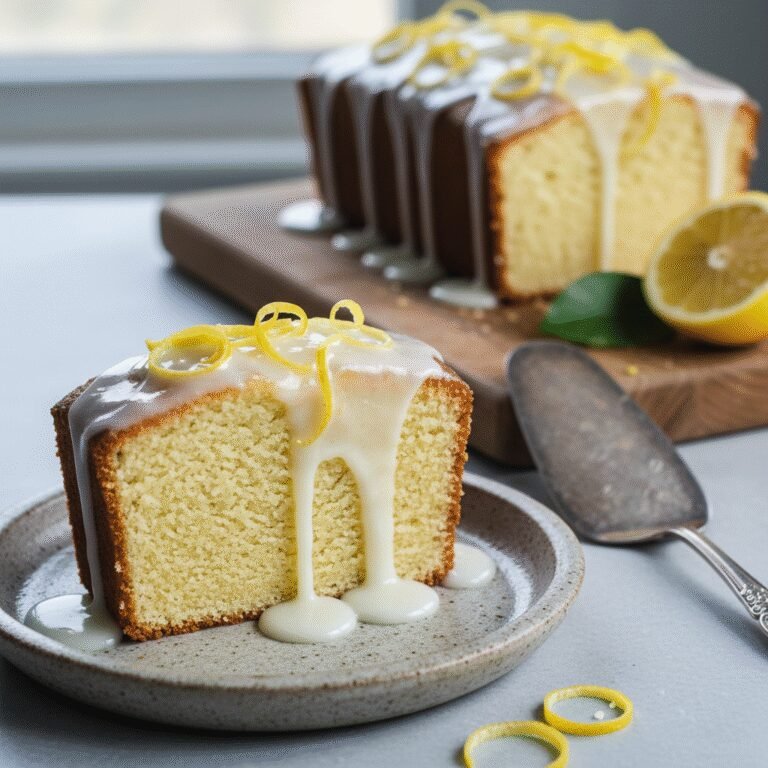
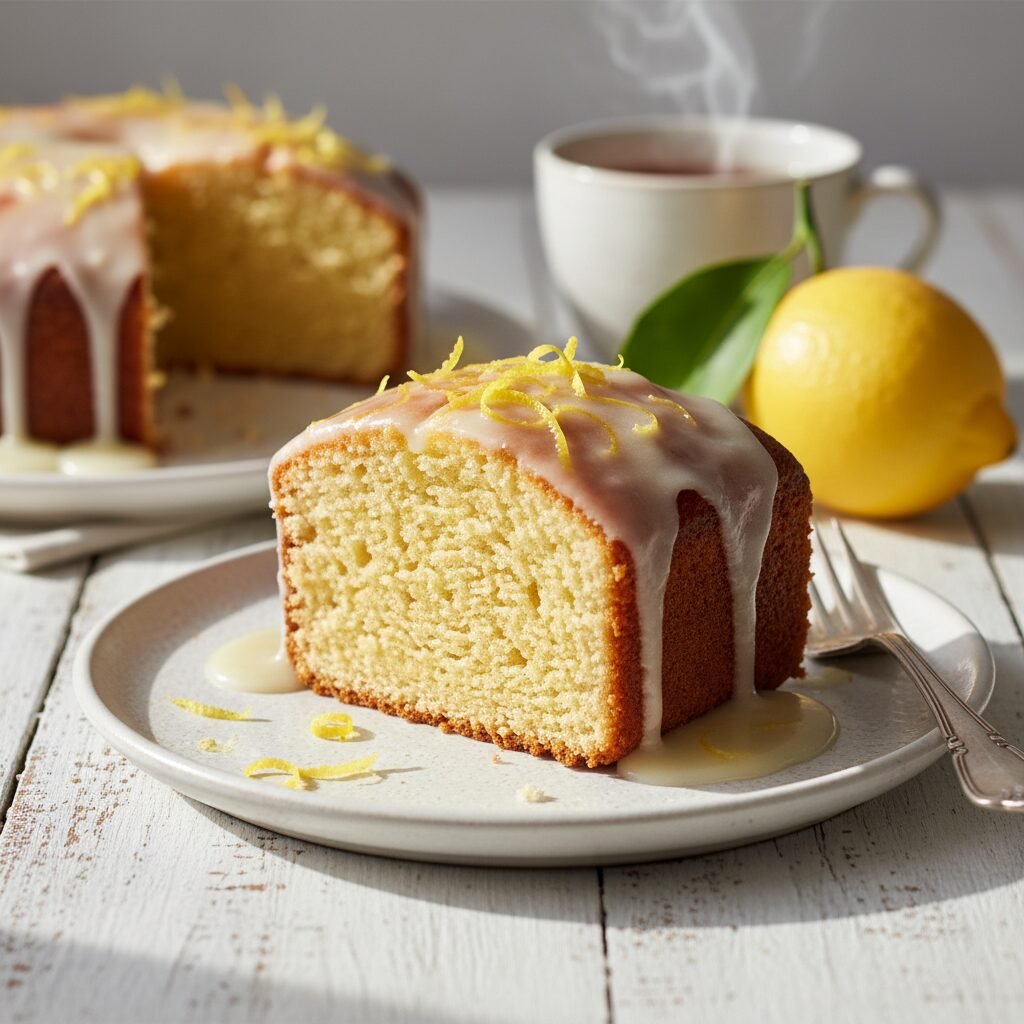
Discover the secret to a perfectly moist, low-carb dessert with this Keto Lemon Pound Cake. Sweetened with erythritol and bursting with fresh citrus zest, this gluten-free loaf mimics the texture of a traditional bakery favorite without the sugar crash.
20 minutes
50 minutes
1 hour 10 minutes
10 slices
Dessert
Baking
American / Keto
Gluten-Free
There is something profoundly nostalgic about a slice of lemon pound cake. It evokes memories of sunny afternoons, tea times, and the irresistible display cases of high-end coffee shops. However, for those of us adhering to a ketogenic lifestyle, the traditional combination of wheat flour and refined sugar is strictly off-limits. The challenge with keto baking has always been texture; almond flour can sometimes be heavy, and coconut flour can be undeniably dry. But after countless test batches and kitchen experiments, I have finally cracked the code to the ‘Moist Keto Lemon Pound Cake.’ This recipe is a game-changer for anyone who misses the dense, velvety crumb of a classic Starbucks-style lemon loaf.
The magic lies in the combination of fats and flours. By using a blend of almond and coconut flour, we achieve a structure that holds up well without being crumbly. The addition of cream cheese to the batter—a trick often used by professional bakers—ensures that the cake retains moisture for days. But the real star here is the flavor profile. We aren’t just using lemon extract; we are using fresh lemon juice and an abundance of zest to cut through the richness of the almond flour.
Perhaps the most critical component is the sweetener. Erythritol is the gold standard for keto baking because it has zero glycemic impact, but it behaves differently than sugar. This recipe utilizes specific techniques to ensure the erythritol dissolves properly, avoiding that gritty texture that plagues so many low-carb desserts. Whether you are a seasoned keto veteran or just looking to reduce your sugar intake, this bright, tangy, and incredibly moist pound cake will become a staple in your recipe box. It is the perfect companion for your morning bulletproof coffee or a guilt-free dessert to serve at your next brunch.
History & Origins
The history of the pound cake is as rich and dense as the cake itself. Dating back to the early 1700s in Northern Europe, the original recipe was incredibly simple to remember: one pound of flour, one pound of butter, one pound of eggs, and one pound of sugar. This 1:1:1:1 ratio created a heavy, dense cake that was reliable and could feed a large crowd. In France, this style of cake is still known as ‘quatre-quarts,’ meaning four quarters, referencing the equal weights of the four main ingredients. As the recipe migrated to the Americas, leavening agents like baking powder were eventually introduced, allowing for a lighter crumb, and variations like ‘sour cream pound cake’ began to emerge to add moisture.
Fast forward to the 21st century, and the culinary landscape has shifted dramatically with the rise of health-conscious diets. The Ketogenic diet, originally developed in the 1920s to treat epilepsy, saw a massive resurgence in the 2010s as a weight-loss and metabolic health strategy. This created a new culinary challenge: how to replicate the beloved textures of centuries-old baking traditions without carbohydrates.
The invention of sugar alcohols like Erythritol and the commercial availability of nut flours revolutionized diet baking. Early low-carb cakes were often dense ‘egg loaves’ that tasted savory, but as the keto community grew, so did the sophistication of the recipes. This specific Keto Lemon Pound Cake represents the modern evolution of the historic dessert. It respects the original desire for a rich, buttery treat while utilizing modern food science—replacing wheat with almonds and sugar with erythritol—to create a dish that honors history while fitting perfectly into a modern, low-glycemic lifestyle.
Why This Recipe Works
This recipe succeeds where many keto cakes fail due to three specific chemical interactions: the fat ratios, the flour blend, and the acid balance. First, let’s talk about moisture. In traditional baking, sugar is hygroscopic, meaning it attracts and holds water. Erythritol does not have this property to the same extent, which is why keto cakes often dry out. To combat this, we utilize a ‘double-fat’ method involving both unsalted butter and full-fat cream cheese. The cream cheese adds a density and creaminess that butter alone cannot achieve, mimicking the mouthfeel of gluten-based cakes.
Secondly, the flour blend is crucial. Almond flour provides the bulk and healthy fats, but it can be oily and heavy on its own. By adding a small amount of coconut flour, which is highly absorbent (acting almost like a sponge), we stabilize the batter. The coconut flour absorbs the extra liquid from the eggs and lemon juice, creating a structured crumb that doesn’t fall apart when sliced.
Finally, the reaction between the baking powder and the acidity of the fresh lemon juice creates lift. Keto batters are heavy; without this extra boost of aeration from the acid-base reaction, the cake would be a dense brick. The lemon juice doesn’t just add flavor; it acts as a tenderizer for the protein in the eggs and almond flour. Furthermore, we use powdered erythritol for the glaze rather than granular. Granular erythritol creates a crunchy, sandy texture when not baked, whereas the powdered version dissolves into the lemon juice to create a smooth, silky drizzle that hardens slightly as it dries, perfectly replicating a traditional sugar glaze.
Why You’ll Love This Recipe
- ✓Only 3g Net Carbs per slice
- ✓Uses cream cheese for superior moisture
- ✓Sugar-free glaze that sets perfectly
- ✓No gritty texture thanks to specific mixing methods
- ✓Bright, authentic lemon flavor using zest and juice
- ✓Freezes beautifully for meal prep
Equipment You’ll Need
- ✓8×4 inch Loaf Pan
- ✓Electric Hand Mixer or Stand Mixer
- ✓Large Mixing Bowl
- ✓Medium Mixing Bowl
- ✓Microplane or Zester
- ✓Rubber Spatula
- ✓Parchment Paper
- ✓Cooling Rack
Ingredients
- ✓2 cups Super Fine Almond Flour
- ✓1/3 cup Coconut Flour
- ✓1 tbsp Baking Powder (gluten-free)
- ✓1/2 tsp Sea Salt
- ✓1/2 cup Unsalted Butter, softened
- ✓4 oz Cream Cheese, softened
- ✓2/3 cup Granular Erythritol
- ✓4 large Eggs, room temperature
- ✓1 tsp Vanilla Extract
- ✓1/4 cup Fresh Lemon Juice (divided)
- ✓2 tbsp Lemon Zest (approx 2 lemons)
- ✓1/2 cup Powdered Erythritol (for glaze)
- ✓1 tbsp Heavy Cream (optional for glaze thickness)
Instructions
- Preheat your oven to 350°F (175°C). Line an 8×4 inch loaf pan with parchment paper, leaving an overhang on the sides for easy removal. Grease the paper slightly.
- In a medium bowl, whisk together the almond flour, coconut flour, baking powder, and salt. Ensure there are no lumps in the almond flour.
- In a large bowl using an electric mixer, cream together the softened butter, softened cream cheese, and granular erythritol. Beat on medium-high speed for about 2-3 minutes until the mixture is fluffy and pale.
- Add the eggs one at a time, beating well after each addition. Scrape down the sides of the bowl with a spatula as needed.
- Mix in the vanilla extract, 2 tablespoons of the fresh lemon juice (reserve the rest for the glaze), and the lemon zest. Mix until combined.
- Reduce the mixer speed to low. Gradually add the dry ingredients to the wet ingredients in two batches. Mix only until just combined—do not overmix.
- Pour the batter into the prepared loaf pan and smooth the top with a spatula. Tap the pan on the counter once to release air bubbles.
- Bake for 45-55 minutes. Check the cake at the 40-minute mark; if the top is browning too quickly, loosely tent it with aluminum foil. The cake is done when a toothpick inserted into the center comes out clean or with just a few moist crumbs.
- Remove from the oven and let the cake cool inside the pan for at least 30 minutes. This step is crucial as keto cakes are fragile when hot.
- Lift the cake out using the parchment paper handles and transfer to a wire rack to cool completely before glazing.
- To make the glaze: Whisk together the powdered erythritol and the remaining 2 tablespoons of lemon juice. If the glaze is too thin, add more powdered sweetener. If too thick, add a teaspoon of heavy cream.
- Drizzle the glaze over the completely cooled cake. Allow the glaze to set for 15 minutes before slicing.
Expert Cooking Tips
- ✓Room Temperature Ingredients: Ensure your eggs, butter, and cream cheese are truly at room temperature. Cold ingredients will cause the batter to curdle and result in an uneven texture.
- ✓Don’t Skip the Zest: The lemon extract or juice alone isn’t enough. The essential oils in the zest provide the deep, aromatic lemon flavor.
- ✓Cooling is Key: Unlike wheat cakes, almond flour cakes need to set as they cool. If you try to slice this while it’s warm, it may crumble apart.
- ✓Tent with Foil: Almond flour burns faster than wheat flour. Keep an eye on the oven and cover the top if it gets dark before the center is cooked.
- ✓Sift the Sweetener: If your erythritol is clumpy, sift it before mixing to avoid pockets of sweetener in the cake.
- ✓Weigh Your Flour: If possible, use a kitchen scale. Packing almond flour into a cup can lead to a dry cake. 2 cups is approx 224g.
Substitutions and Variations
If you cannot find erythritol, you can use a monk fruit/erythritol blend or allulose. Note that allulose browns much faster, so you will need to lower the oven temp to 325°F and bake longer. Do not use liquid stevia as the bulk of the sweetener is needed for structure. For a dairy-free version, substitute the butter with coconut oil (solid) or vegan butter, and use a dairy-free cream cheese alternative or thick coconut cream, though this will slightly alter the flavor profile. If you don’t have coconut flour, do not try to substitute it 1:1 with almond flour; they absorb liquid very differently. You would need about 3-4 times as much almond flour, which would ruin the recipe balance. You can swap lemon for orange or lime for a different citrus variation.
Common Mistakes to Avoid
The most common mistake is over-mixing the batter after adding the flours, which can release too much oil from the almond flour, resulting in a greasy yet dry cake. Another error is using granular sweetener for the glaze; it will not dissolve in the small amount of lemon juice and will result in a crunchy, gritty topping—always use powdered sweetener for glazes. Finally, opening the oven door too frequently during the first 30 minutes can cause the cake to sink in the middle due to temperature fluctuations. Trust the timer and use the oven light instead.
Serving Suggestions
This cake is stunning when served simply with a cup of Earl Grey tea or black coffee. For a more decadent dessert, serve a slice with a dollop of sugar-free whipped cream and a few fresh raspberries or blueberries. The tartness of the berries complements the sweet lemon glaze perfectly. In the summer, this makes an excellent base for a keto-friendly strawberry shortcake.
Storage and Reheating Tips
Store the cake in an airtight container at room temperature for up to 3 days. Because of the fresh ingredients and moisture content, it is best stored in the refrigerator if you plan to keep it longer (up to 7 days). This cake freezes exceptionally well. Slice the cake, wrap individual slices tightly in plastic wrap, and place them in a freezer-safe bag. Thaw on the counter for 30 minutes before eating. If reheating, a quick 10-second zap in the microwave restores the ‘fresh out of the oven’ warmth.
Nutrition Facts (Estimated)
| Serving Size | 1 slice |
| Calories | 245 |
| Fat | 22g |
| Saturated Fat | 9g |
| Unsaturated Fat | 11g |
| Trans Fat | 0g |
| Cholesterol | 85mg |
| Sodium | 180mg |
| Carbohydrates | 6g |
| Fiber | 3g |
| Sugar | 1g |
| Protein | 7g |
Frequently Asked Questions
Why did my cake fall in the center?
This usually happens if the cake was underbaked or if the oven door was opened too early, causing a drop in temperature. It can also happen if your baking powder is expired.
Can I use Stevia instead of Erythritol?
I don’t recommend using pure Stevia powder or liquid because it lacks the bulk/volume that erythritol provides, which is necessary for the cake’s structure. However, you can use a baking blend that measures 1:1 like sugar.
My glaze is absorbed into the cake, why?
You likely glazed the cake while it was still warm. The cake must be completely cool, or the heat will melt the glaze, causing it to soak in rather than sit on top.
Why does my cake taste ‘cool’ or minty?
This is the ‘cooling effect’ of erythritol. To minimize this, use a monk fruit/erythritol blend, or ensure the cake is served at room temperature rather than cold from the fridge.
Can I make this into muffins?
Yes! This batter works great for muffins. Bake them at 350°F for 20-25 minutes. It should yield about 10-12 standard muffins.
Is this cake safe for diabetics?
generally yes, as it is low carb and sugar-free. However, everyone’s glycemic response is different, so it is best to check your levels if you are unsure.
Can I use lemon extract instead of juice?
You can use 1 tsp of extract in the batter if you don’t have juice, but you will lose some moisture and the chemical reaction with the baking soda. You absolutely need juice or a liquid for the glaze.
How do I make my own powdered erythritol?
If you only have granular erythritol, simply put it in a high-speed blender or coffee grinder for 30 seconds until it becomes a fine powder.
Conclusion
Baking on a ketogenic diet doesn’t mean you have to sacrifice the joys of a tender, sweet, and comforting cake. This Moist Keto Lemon Pound Cake with Erythritol Glaze proves that with the right ingredients and techniques, you can have your cake and eat it too. It balances the bright, zesty punch of fresh lemons with a rich, buttery crumb that melts in your mouth. Whether you are baking for a special occasion or just meal-prepping your treats for the week, this recipe is reliable, delicious, and entirely guilt-free. Don’t forget to pin this recipe for later and leave a comment below on how it turned out for you—happy baking!