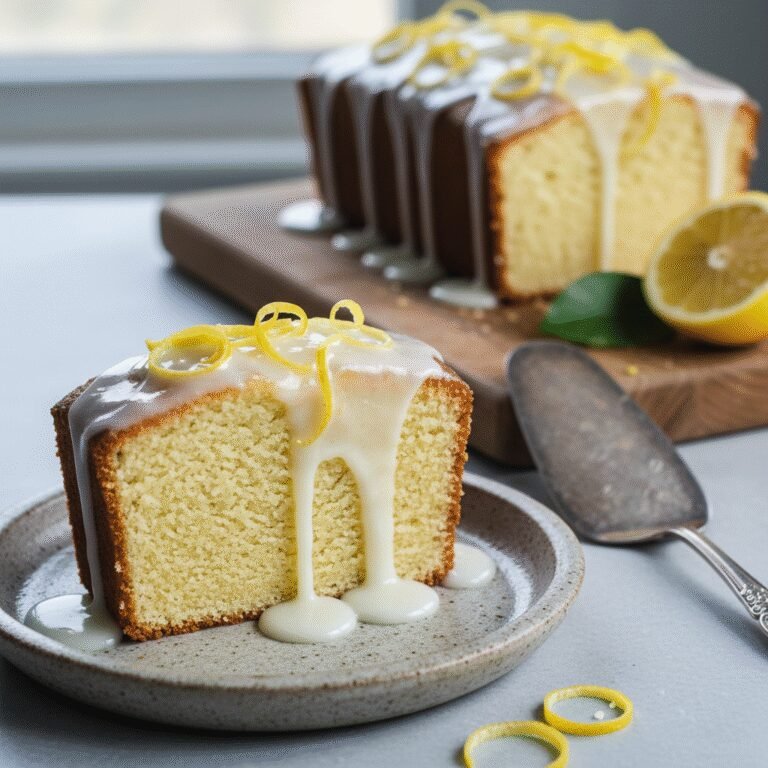
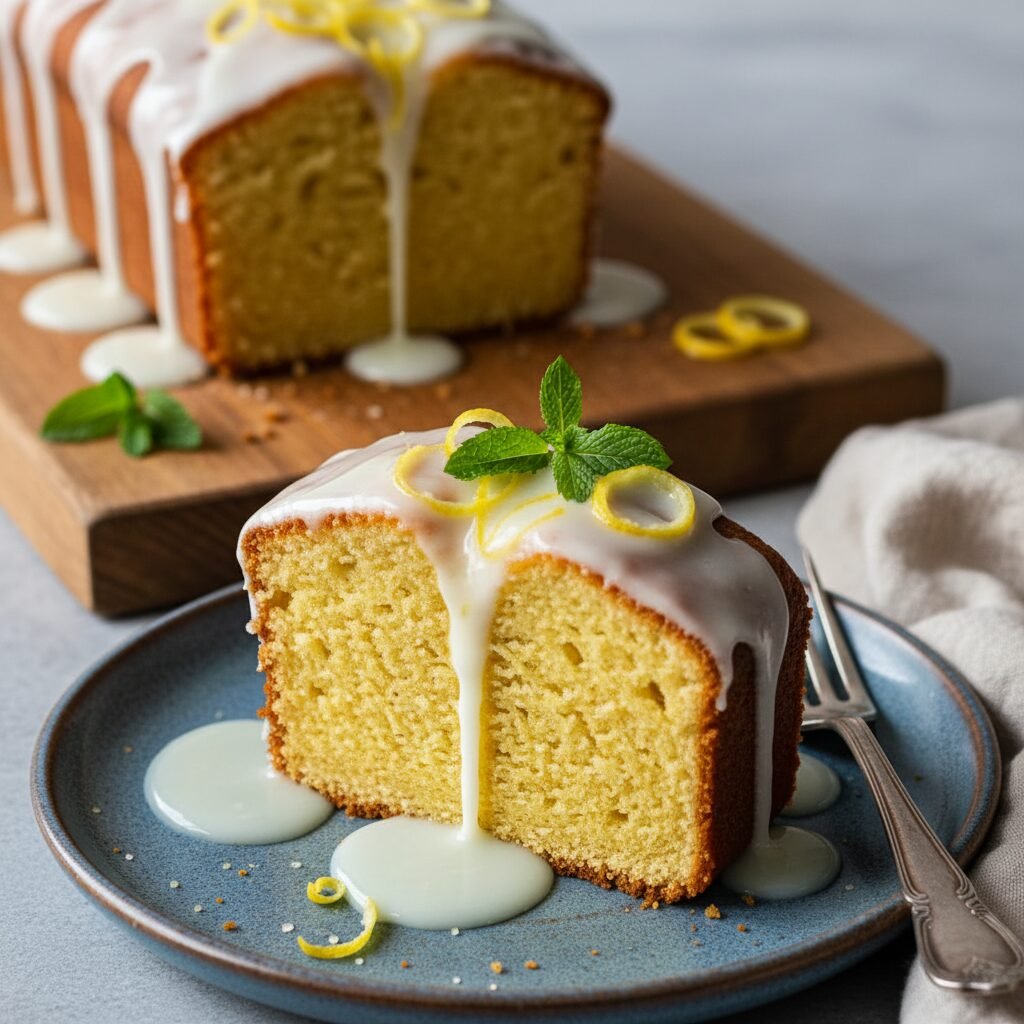
The Ultimate Moist Keto Lemon Pound Cake with Zesty Glaze
Moist Keto Lemon Pound Cake Recipe
Experience the perfect balance of tart and sweet with this ultra-moist Keto Lemon Pound Cake. It is the ultimate low-carb treat that mimics the dense, buttery texture of the classic dessert without the sugar crash.
20 minutes
50 minutes
1 hour 10 minutes
10 slices
Dessert
Baking
American
Gluten-Free
If you have been on a ketogenic diet for any length of time, you know that finding a baked good that truly replicates the texture of traditional wheat flour desserts is the Holy Grail. Often, almond flour cakes can be too grainy, or coconut flour treats can turn out dry and crumbly. But after extensive testing in my kitchen, I have finally cracked the code for the perfect Keto Lemon Pound Cake. This recipe is not just ‘good for keto’; it is genuinely delicious on its own merits. We are talking about a dense, buttery crumb that melts in your mouth, infused with bright, aromatic lemon zest and topped with a tangy, sweet glaze that hardens just enough to give you that satisfying sugary crunch—minus the actual sugar. This cake is a celebration of citrus, perfect for a spring brunch, a comforting afternoon tea, or a guilt-free dessert after a savory dinner. The secret lies in the precise ratio of almond flour to coconut flour, combined with the richness of sour cream, which ensures the cake stays moist for days. Whether you are serving this to strict keto dieters or friends who love traditional baking, this lemon pound cake is guaranteed to impress. It is vibrant, cheerful, and deeply satisfying, proving once and for all that a low-carb lifestyle does not mean sacrificing the joys of a really good slice of cake.
History & Origins
The pound cake is a dessert with a rich lineage, dating back to the early 1700s in Northern Europe. The original recipe was incredibly simple, earning its name from the easy-to-remember ingredients: one pound each of flour, butter, eggs, and sugar. This ‘pound’ formula created a heavy, dense, and rich cake that could feed a large family or gathering. Over the centuries, the recipe evolved as leavening agents like baking powder were introduced, allowing for a lighter crumb, and variations like the French ‘quatre-quarts’ emerged. In the American South, pound cake became a staple of hospitality, often flavored with vanilla or lemon and served at church picnics and family reunions. The transition of this historic dessert into the keto world is a fascinating study in modern food science. The challenge was to replace the structural integrity of wheat gluten and the caramelization of sugar without losing the essence of what makes a pound cake a pound cake. Early low-carb adaptations often failed, resulting in egg-heavy, spongy textures. However, the popularization of blanched almond flour and the discovery of sweeteners like erythritol and allulose revolutionized keto baking. This specific recipe represents the modern pinnacle of that evolution, paying homage to the dense, buttery origins of the 18th-century classic while utilizing 21st-century ingredients to maintain a metabolic-friendly profile.
Why This Recipe Works
This recipe succeeds where many other low-carb cakes fail due to three critical factors: the flour blend, the fat sources, and the sweetener choice. First, relying solely on almond flour can result in a heavy, oily cake, while using only coconut flour creates a dry, fibrous texture. By combining a larger amount of superfine blanched almond flour with a smaller amount of coconut flour, we achieve a crumb structure that mimics all-purpose flour. The coconut flour absorbs excess moisture and provides structure, while the almond flour lends a tender, nutty richness. Second, the inclusion of full-fat sour cream (or Greek yogurt) is non-negotiable. The acidity in the sour cream reacts with the baking powder to create lift, while the fat content ensures the cake remains moist and tender rather than rubbery. Finally, we use a specific creaming method. Beating the room-temperature butter with the sweetener creates pockets of air that are trapped by the fat. When baked, these pockets expand, giving the pound cake its characteristic dense yet soft texture. We also use powdered erythritol or allulose for the glaze to avoid the gritty texture often associated with granulated sugar substitutes, ensuring a silky smooth finish.
Why You’ll Love This Recipe
- ✓Only 3g net carbs per slice making it perfectly keto-friendly
- ✓Uses a blend of almond and coconut flour for the perfect crumb texture
- ✓Infused with fresh lemon zest and juice for a bright, authentic citrus flavor
- ✓Stays moist for days thanks to the addition of sour cream
- ✓Includes a sugar-free glaze that sets perfectly
- ✓Simple preparation method requiring standard kitchen equipment
Equipment You’ll Need
- ✓9×5 inch loaf pan
- ✓Electric hand mixer or stand mixer
- ✓Large mixing bowl
- ✓Medium mixing bowl
- ✓Microplane zester
- ✓Rubber spatula
- ✓Wire cooling rack
- ✓Parchment paper
Ingredients
- ✓2 1/2 cups Blanched Almond Flour (superfine)
- ✓1/4 cup Coconut Flour
- ✓1 cup Granulated Erythritol or Allulose blend
- ✓1 tbsp Baking Powder
- ✓1/2 tsp Xanthan Gum (optional but recommended for texture)
- ✓1/2 tsp Salt
- ✓1/2 cup Unsalted Butter, softened to room temperature
- ✓4 large Eggs, room temperature
- ✓1/3 cup Full-Fat Sour Cream or Greek Yogurt
- ✓1 tsp Vanilla Extract
- ✓1/4 cup Fresh Lemon Juice
- ✓2 tbsp Lemon Zest (approx. 2 lemons)
- ✓1/2 cup Powdered Sweetener (for glaze)
- ✓1-2 tbsp Heavy Cream or Lemon Juice (for glaze)
Instructions
- Preheat your oven to 350°F (175°C). Line a 9×5 inch loaf pan with parchment paper, leaving an overhang on the sides for easy removal, and lightly grease the paper.
- In a medium bowl, whisk together the almond flour, coconut flour, baking powder, xanthan gum, and salt. Ensure there are no lumps, especially in the almond flour.
- In a large bowl using an electric mixer, cream the softened butter and granulated sweetener together on high speed for about 3-5 minutes until the mixture is pale and fluffy.
- Add the eggs one at a time to the butter mixture, beating well after each addition. Scrape down the sides of the bowl as needed.
- Mix in the sour cream, vanilla extract, fresh lemon juice, and lemon zest until combined. The mixture may look slightly curdled at this stage; this is normal.
- Reduce the mixer speed to low and gradually add the dry ingredients to the wet ingredients. Mix only until just combined—do not overmix.
- Pour the batter into the prepared loaf pan and smooth the top with a spatula. Tap the pan gently on the counter to release any large air bubbles.
- Bake for 45-55 minutes. Check the cake at the 40-minute mark; if the top is browning too quickly, tent it loosely with aluminum foil.
- The cake is done when a toothpick inserted into the center comes out clean or with just a few moist crumbs attached.
- Remove from the oven and let the cake cool in the pan for at least 20 minutes. This is crucial as keto cakes are fragile when hot.
- Lift the cake out using the parchment paper handles and transfer to a wire rack to cool completely before glazing.
- To make the glaze, whisk the powdered sweetener with the lemon juice (for a tart glaze) or heavy cream (for a creamy glaze) until smooth. Drizzle over the completely cooled cake.
Expert Cooking Tips
- ✓Room temperature ingredients are vital. Cold eggs or butter will cause the batter to seize and curdle, affecting the final texture.
- ✓Do not skip the cooling time. Almond flour cakes need time to set as they cool; slicing too early will result in a crumbled mess.
- ✓If using a glass loaf pan, reduce the oven temperature by 25°F as glass conducts heat differently than metal.
- ✓Zest the lemons before you juice them. It is much harder to grate the zest off a squeezed lemon.
- ✓Sift your almond flour if it looks clumpy to ensure a smooth, non-gritty cake crumb.
Substitutions and Variations
This recipe is versatile enough to handle several substitutions if you have dietary restrictions or missing ingredients. For the fat, if you are dairy-free, you can substitute the butter with coconut oil or a vegan butter alternative, though the flavor profile will shift slightly. The sour cream can be replaced with full-fat coconut cream (the thick part from the top of the can) or a dairy-free yogurt. Regarding the sweetener, Monk fruit blends work excellently if you prefer them over Erythritol. However, be aware that pure Stevia is not recommended as a bulk sweetener here because it lacks the volume needed to cream with the butter properly. If you do not have xanthan gum, you can omit it, but the cake may be slightly more crumbly; adding a teaspoon of gelatin powder can sometimes act as a decent binder in its place. For the citrus, while lemon is the star, this base recipe works beautifully with orange or lime zest for a different twist.
Common Mistakes to Avoid
The most common mistake with keto baking is measuring almond flour incorrectly. Unlike wheat flour, you shouldn’t pack it down. Ideally, weigh your ingredients for precision. Another pitfall is over-baking. Almond flour burns faster than wheat flour, and a dry keto cake is very hard to salvage. Watch your oven closely towards the end. Many bakers also try to glaze the cake while it is still warm. Since the glaze is fat or water-based, it will simply melt and soak into the warm cake, making it soggy rather than sitting nicely on top. Lastly, using a granulated sweetener for the glaze instead of powdered will result in a crunchy, gritty texture that is unpleasant. Always use a powdered version for toppings.
Serving Suggestions
This Moist Keto Lemon Pound Cake is elegant enough to be served on its own, but it pairs wonderfully with a variety of sides. For a decadent dessert, serve a slice with a dollop of sugar-free whipped cream and a few fresh raspberries or blueberries on the side. The tartness of the berries complements the lemon flavor perfectly. It also goes exceptionally well with hot beverages. Serve it alongside a hot cup of Earl Grey tea, black coffee, or a bulletproof coffee for a high-fat breakfast option. In the summer, this cake is delightful served chilled from the fridge, offering a denser, more fudge-like texture that is very refreshing.
Storage and Reheating Tips
Keto baked goods often store better than their high-carb counterparts due to the high fat content. You can store this cake in an airtight container at room temperature for up to 3 days. However, for longer freshness, it is best kept in the refrigerator, where it will last for up to a week. The cold also firms up the texture, which many people prefer. This cake freezes beautifully. To freeze, slice the cake and wrap each slice individually in plastic wrap, then place them in a freezer-safe bag. They can be frozen for up to 3 months. Thaw on the counter for 30 minutes before eating, or warm gently in the microwave for 10-15 seconds to restore that fresh-baked softness.
Nutrition Facts (Estimated)
| Serving Size | 1 Slice |
| Calories | 285 |
| Fat | 26g |
| Saturated Fat | 10g |
| Unsaturated Fat | 14g |
| Trans Fat | 0g |
| Cholesterol | 85mg |
| Sodium | 180mg |
| Carbohydrates | 6g |
| Fiber | 3g |
| Sugar | 1g |
| Protein | 7g |
Frequently Asked Questions
Can I use coconut flour instead of almond flour entirely?
No, you cannot swap them 1:1. Coconut flour is extremely absorbent and requires significantly more liquid and eggs. Using only coconut flour with this recipe’s ratios would result in a very dry, hard brick.
Why did my cake fall in the middle?
This usually happens if the cake was underbaked or if the oven door was opened too frequently during baking, causing a temperature drop. It can also happen if too much baking powder was used.
Can I use liquid sweetener?
It is not recommended. The granulated sweetener helps aerate the butter during the creaming process, which provides volume. Liquid sweeteners will throw off the liquid-to-dry ratio.
Is xanthan gum absolutely necessary?
It is not strictly necessary, but it mimics gluten by providing elasticity and structure. Without it, the cake will be more delicate and prone to crumbling.
How do I know when it is done without drying it out?
Insert a toothpick into the center. If it comes out with raw batter, it needs more time. If it comes out clean or with moist crumbs, it is done. The internal temperature should be around 200°F-205°F.
Can I make this in a bundt pan?
Yes, but be very careful with greasing the pan as almond flour sticks easily. You may need to adjust the baking time slightly, usually reducing it as bundt pans distribute heat differently.
Why does my cake have a cooling sensation?
This is a common effect of erythritol-based sweeteners. To minimize this, use a blend that contains monk fruit or allulose, or use powdered sweetener which dissolves better.
Can I make this dairy-free?
Yes, substitute butter with coconut oil or vegan butter, and sour cream with coconut cream or dairy-free yogurt.
What size eggs should I use?
Always use large eggs for baking recipes unless specified otherwise. Size matters for moisture and structure.
Does this cake taste like ‘diet’ food?
Not at all. The high fat content from butter and almond flour gives it a richness that rivals traditional pound cake, and the lemon zest masks any alternative sweetener aftertaste.
Conclusion
There you have it—the definitive guide to making a Moist Keto Lemon Pound Cake that doesn’t compromise on flavor or texture. Baking with low-carb ingredients can be intimidating at first, but with the right ratios and techniques, you can create desserts that are just as satisfying as the classics. This recipe is a testament to how versatile keto cooking can be, transforming simple ingredients like almond flour and lemons into a centerpiece-worthy treat. Whether you are meal-prepping for the week or hosting a special gathering, this pound cake is sure to become a staple in your recipe box. Don’t forget to share your creations on social media and tag us so we can see your beautiful, zesty masterpieces!