The Ultimate Moist Keto Coconut Cake With Stevia
Moist Keto Coconut Cake With Stevia Recipe
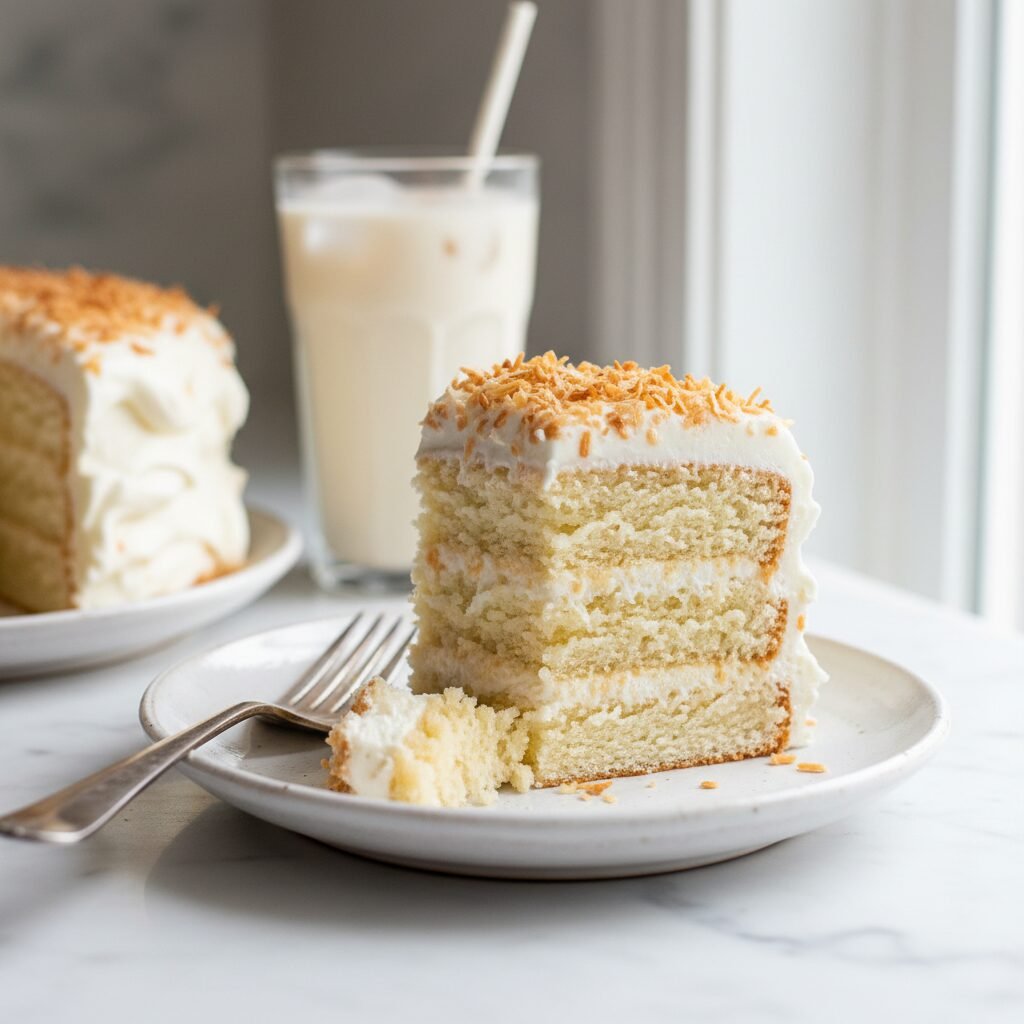
This incredibly moist Keto Coconut Cake is a sugar-free dream come true, sweetened naturally with Stevia and packed with rich tropical flavor. It is the perfect low-carb dessert that doesn’t compromise on texture or taste, making it an instant favorite for birthdays and holidays.
20 minutes
35 minutes
1 hour 15 minutes
12 slices
Dessert
Baking
American
Gluten-Free
If you have been following a ketogenic lifestyle for any length of time, you know that finding a dessert that truly replicates the texture of traditional baking can be a challenge. Often, low-carb flours result in treats that are dry, crumbly, or dense. However, this Moist Keto Coconut Cake with Stevia shatters those stereotypes completely. Imagine sinking your fork into a tender, fluffy crumb that bursts with the creamy, tropical essence of coconut, all while staying perfectly within your macro goals. This cake is designed to be the centerpiece of any celebration, offering a guilt-free indulgence that even your non-keto friends will beg for.
The secret lies in the delicate balance of coconut flour and high-quality fats, which work together to retain moisture in a way that many keto recipes miss. We utilize Stevia as our primary sweetener to keep the glycemic index at rock bottom, ensuring you don’t experience the dreaded sugar crash. The frosting is a velvety cloud of cream cheese and heavy cream, whipped to perfection and garnished with toasted coconut for that satisfying crunch. Whether you are hosting a summer barbecue, a festive holiday dinner, or simply craving a slice of comfort on a Tuesday night, this recipe delivers a bakery-quality experience right from your own kitchen. It is not just a substitute for the ‘real thing’—it stands on its own as a culinary masterpiece of low-carb baking.
History & Origins
The coconut cake has deep roots in the American South, where it has reigned supreme as a hospitality staple since the 19th century. Early versions of coconut cake were laborious labors of love, often requiring the cracking and grating of fresh coconuts imported from the Caribbean. These cakes became symbols of status and celebration, particularly popular during the holidays. The ‘Charleston’ or ‘Southern’ style coconut cake, typically a white layer cake with seven-minute frosting and heaps of fresh coconut, set the standard for decades.
As dietary trends shifted in the late 20th and early 21st centuries, the demand for low-carbohydrate alternatives grew. The Atkins diet of the 90s and the subsequent rise of the Ketogenic diet created a new culinary frontier: how to replicate the structural integrity of wheat flour and sugar without the carbs. This led to the rise of almond and coconut flours. Coconut flour, a byproduct of coconut milk production, became a hero ingredient for its high fiber content and low net carbs.
Parallel to the evolution of the cake is the history of Stevia. Derived from the Stevia rebaudiana plant native to Brazil and Paraguay, it has been used by the Guaraní people for over 1,500 years to sweeten tea and medicine. While Japan commercialized Stevia in the 1970s, it wasn’t until the late 2000s that it received GRAS (Generally Recognized As Safe) status in the US, revolutionizing sugar-free baking. This recipe represents the modern convergence of Southern tradition, indigenous natural sweeteners, and nutritional science.
Why This Recipe Works
Baking with coconut flour is notoriously tricky because it is incredibly hygroscopic, meaning it absorbs liquid like a sponge. Many novice keto bakers end up with cakes that are either dry as a desert or dense like a brick. This recipe works because we have scientifically calibrated the ratio of eggs and liquid fats to flour. The high volume of eggs provides the necessary protein structure that gluten usually provides, while also introducing significant moisture. We also incorporate full-fat sour cream (or coconut cream for dairy-free versions) which adds acidity to activate the baking powder and fat to tenderize the crumb.
Furthermore, sweetening with Stevia can sometimes result in a bitter aftertaste. To counteract this, we use a specific blend of liquid stevia and a bulk sweetener like erythritol, or a high-quality stevia blend that includes inulin. The fat content from the butter and coconut oil coats the tongue, masking any potential bitterness and allowing the pure vanilla and coconut flavors to shine through. The result is a cake that is structurally sound enough to be layered and frosted, yet moist enough to melt in your mouth, solving the two biggest problems in keto baking: dryness and texture.
Why You’ll Love This Recipe
- ✓100% Sugar-Free & Keto-Friendly
- ✓Incredibly moist texture unlike typical coconut flour cakes
- ✓Gluten-Free and Grain-Free
- ✓Rich, authentic coconut flavor
- ✓High in healthy fats and fiber
- ✓Perfect for layer cakes or cupcakes
Equipment You’ll Need
- ✓Two 8-inch round cake pans
- ✓Electric hand mixer or stand mixer
- ✓Large mixing bowls
- ✓Rubber spatula
- ✓Parchment paper
- ✓Wire cooling rack
- ✓Measuring cups and spoons
Ingredients
- ✓3/4 cup Coconut Flour, sifted
- ✓1/2 cup Almond Flour, superfine
- ✓1 tsp Baking Powder
- ✓1/2 tsp Sea Salt
- ✓6 large Eggs, room temperature
- ✓1/2 cup Unsalted Butter, melted and cooled
- ✓1/3 cup Full-Fat Sour Cream or Coconut Cream
- ✓1 tsp Liquid Stevia (or equivalent granular blend to taste)
- ✓1 tsp Pure Vanilla Extract
- ✓1/2 tsp Coconut Extract
- ✓8 oz Cream Cheese, softened (for frosting)
- ✓1/4 cup Powdered Erythritol/Stevia Blend (for frosting)
- ✓1/2 cup Heavy Whipping Cream (for frosting)
- ✓1/2 cup Unsweetened Shredded Coconut, toasted (for garnish)
Instructions
- Preheat your oven to 350°F (175°C). Grease two 8-inch round cake pans and line the bottoms with parchment paper to ensure easy removal.
- In a medium bowl, whisk together the sifted coconut flour, almond flour, baking powder, and sea salt. ensure there are no lumps.
- In a large mixing bowl (or stand mixer bowl), beat the eggs, melted butter, sour cream (or coconut cream), liquid stevia, vanilla extract, and coconut extract on medium speed until fully combined and slightly frothy.
- Gradually add the dry ingredients to the wet ingredients while mixing on low speed. Once added, increase speed to medium and mix for 1 minute. Let the batter sit for 5 minutes; this is crucial as it allows the coconut flour to absorb the moisture.
- Divide the batter evenly between the two prepared cake pans. Smooth the tops with a rubber spatula.
- Bake for 30-35 minutes, or until the tops are golden and a toothpick inserted into the center comes out clean.
- Remove from the oven and let the cakes cool in the pans for 15 minutes. Then, carefully invert them onto a wire rack to cool completely before frosting.
- While the cakes cool, make the frosting. Beat the softened cream cheese and powdered sweetener in a bowl until smooth. Slowly pour in the heavy whipping cream while beating on high speed until stiff peaks form.
- Once the cakes are completely cold, frost the top of one layer, stack the second layer, and frost the top and sides. Press toasted coconut flakes onto the sides or top for garnish.
Expert Cooking Tips
- ✓Always use room temperature eggs; cold eggs can cause the melted butter to solidify instantly, ruining the batter.
- ✓Sifting coconut flour is non-negotiable as it tends to clump significantly in the bag.
- ✓Do not skip the resting period for the batter; coconut flour needs time to hydrate.
- ✓If the cake tops are browning too quickly in the oven, tent them loosely with aluminum foil.
- ✓Ensure the cake is 100% cool before frosting, or the cream cheese frosting will slide right off.
- ✓Toast your coconut flakes in a dry pan over medium heat for 2-3 minutes for enhanced flavor.
Substitutions and Variations
This recipe is quite flexible despite the chemistry of keto baking. If you are dairy-free, you can substitute the butter with melted coconut oil or ghee, and the sour cream with full-fat canned coconut cream (the thick part only). For the frosting, a dairy-free cream cheese alternative or a whipped coconut cream frosting works beautifully. If you have a nut allergy, you can try replacing the almond flour with sunflower seed flour, though this may slightly alter the color (sometimes turning green due to chlorophyll reaction with baking powder—add a splash of lemon juice to prevent this). Regarding sweeteners, if you prefer not to use liquid Stevia, you can use a granular Monk Fruit/Erythritol blend. Use about 1/2 to 3/4 cup depending on your sweetness preference, but be aware that granular sweeteners can sometimes recrystallize upon cooling.
Common Mistakes to Avoid
The most common mistake with this recipe is over-measuring the coconut flour. Because it is so absorbent, even an extra tablespoon can dry out the cake. We highly recommend the ‘spoon and level’ method or weighing your flour. Another pitfall is under-baking. Coconut flour cakes hold a lot of moisture and can appear done on the outside while being raw in the middle; trust the toothpick test. Additionally, using liquid egg whites instead of whole eggs will result in a rubbery texture; the yolks are essential for the fat content and tender crumb. Finally, do not try to reduce the fat in this recipe. Keto baking relies on fat for moisture and structure in the absence of gluten.
Serving Suggestions
This cake is rich and decadent, so it pairs wonderfully with beverages that cut through the creaminess. Serve a slice with a hot cup of black coffee or an unsweetened almond milk latte. For a summer twist, pair it with an iced matcha tea. If you want to elevate the dessert plating, add a few fresh raspberries or blackberries on the side; their tartness complements the sweet coconut perfectly. A dollop of unsweetened whipped cream and a sprinkle of lime zest can also add a zesty, refreshing contrast to the deep vanilla and coconut notes.
Storage and Reheating Tips
Because of the cream cheese frosting and the moisture content of the cake, this dessert must be stored in the refrigerator. Place it in an airtight cake carrier or wrap slices individually in plastic wrap. It will stay fresh for up to 5 days. In fact, many find it tastes even better the next day after the flavors have melded. For long-term storage, this cake freezes exceptionally well. You can freeze the unfrosted layers wrapped tightly in plastic and foil for up to 3 months. If freezing frosted slices, place them on a baking sheet in the freezer until the frosting is hard, then wrap them individually. Thaw in the refrigerator overnight before serving.
Nutrition Facts (Estimated)
| Serving Size | 1 slice |
| Calories | 320 |
| Fat | 28g |
| Saturated Fat | 18g |
| Unsaturated Fat | 8g |
| Trans Fat | 0g |
| Cholesterol | 85mg |
| Sodium | 180mg |
| Carbohydrates | 7g |
| Fiber | 4g |
| Sugar | 1.5g |
| Protein | 6g |
Frequently Asked Questions
Can I use only almond flour instead of coconut flour?
No, you cannot swap them 1:1. Coconut flour absorbs 4 times more liquid than almond flour. Changing the flour would require completely restructuring the eggs and liquids in the recipe.
Why does my cake taste eggy?
Coconut flour recipes require many eggs for structure. To mask the egg flavor, ensure you are using high-quality vanilla and coconut extracts, and don’t skimp on the sweetener.
Can I use granular Stevia instead of liquid?
Yes, but be careful with the brand. Pure stevia powder is incredibly potent (you only need a pinch), while ‘baking blends’ measure more like sugar. Check your specific product’s conversion chart.
Why did my cake fall flat?
This usually happens if the baking powder is expired or if you opened the oven door too early during baking, causing a sudden temperature drop.
Is this cake safe for diabetics?
Generally, yes. It is low in carbohydrates and sugar-free. However, everyone’s glycemic response is different, so it’s best to check with a doctor or monitor your levels.
How do I make the frosting more stable?
Ensure your cream cheese is room temperature but your heavy cream is ice cold before whipping. You can also add a pinch of xanthan gum to the frosting for extra stability.
Can I bake this as cupcakes?
Absolutely! This recipe will make approximately 12 standard cupcakes. Reduce the baking time to 18-22 minutes.
My batter seems very thick, is that normal?
Yes, coconut flour batter is much thicker than traditional cake batter. It should be spreadable rather than pourable.
Conclusion
Embracing a keto lifestyle doesn’t mean you have to say goodbye to the joy of baking or the nostalgia of a classic birthday cake. This Moist Keto Coconut Cake with Stevia proves that with the right ingredients and technique, you can have your cake and eat it too—literally. It is a testament to how delicious healthy eating can be. We hope this recipe brings a taste of the tropics to your kitchen and becomes a cherished part of your low-carb recipe collection. Don’t forget to share your creations and tag us on social media; we love seeing how you make these recipes your own!