The Ultimate Moist Keto Coconut Cake With Monk Fruit Sweetener
Moist Keto Coconut Cake With Monk Fruit Sweetener Recipe
Indulge in the tropical bliss of this ultra-moist Keto Coconut Cake, perfectly sweetened with monk fruit. It is a low-carb, gluten-free dream that tastes incredibly decadent without the sugar crash, making it the ultimate guilt-free dessert for coconut lovers everywhere.
25 minutes
35 minutes
1 hour 15 minutes (includes cooling)
12 slices
Dessert
Baking
American / Keto
Gluten-Free
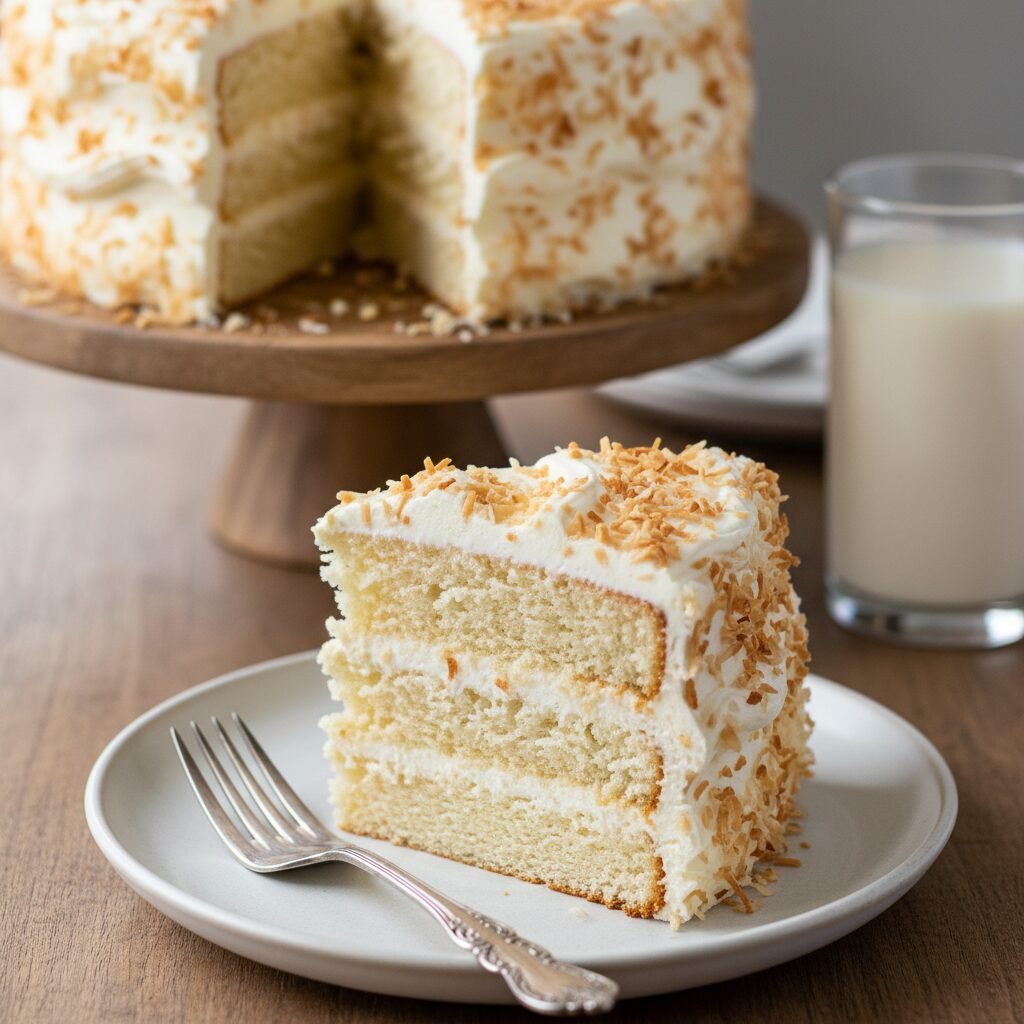
If you have been on a ketogenic diet for any length of time, you know the struggle of finding a dessert that truly satisfies that deep craving for something fluffy, moist, and genuinely sweet without the chemical aftertaste. Enter this Moist Keto Coconut Cake with Monk Fruit Sweetener. This isn’t just a ‘good for keto’ cake; it is a spectacular cake, period. We are talking about a tender, delicate crumb that rivals any traditional wheat-flour sponge, paired with a rich, velvety cream cheese frosting that melts in your mouth. The star of the show, of course, is the coconut—present in the flour, the milk, the extract, and the garnish—creating a multi-layered flavor profile that transports you straight to the tropics.
One of the biggest challenges in low-carb baking is avoiding dryness. Almond flour and coconut flour are thirsty ingredients, often resulting in baked goods that require a gallon of water to wash down. However, this recipe has been meticulously tested to balance the fat content and moisture levels, ensuring every forkful is luscious and soft. By using monk fruit sweetener, we achieve a clean, sugar-like sweetness that doesn’t spike your insulin or leave that cooling sensation often associated with pure erythritol. Whether you are celebrating a birthday, hosting a brunch, or simply treating yourself after a long week of clean eating, this cake is a showstopper. It is elegant enough for a dinner party yet simple enough to whip up on a Sunday afternoon. Get ready to redefine what is possible in sugar-free baking.
History & Origins
The concept of coconut cake has deep roots in the Southern United States, dating back to the 19th century when the coconut trade began to flourish. Historically, these cakes were a sign of prestige and hospitality, often reserved for holidays and high-society gatherings. The traditional ‘Southern Coconut Cake’ is known for its towering layers, seven-minute frosting, and an abundance of freshly grated coconut. It was a labor of love, requiring the cracking and grating of fresh nuts. As convenience cooking rose in the mid-20th century, sweetened flaked coconut became a pantry staple, cementing the cake’s popularity across America.
However, the evolution of this dessert took a sharp turn with the rise of the low-carb and ketogenic movements in the 21st century. As people began to understand the metabolic impact of refined sugar and white flour, the need for a reinvention became apparent. Early low-carb attempts were often dense and egg-heavy, earning a poor reputation. The game-changer was the wider availability of alternative flours like superfine almond flour and the discovery of monk fruit (Luo Han Guo) as a viable, natural zero-calorie sweetener. Monk fruit has been used in Eastern medicine for centuries, but its application in Western baking is a relatively modern phenomenon. This recipe represents the culmination of culinary history meeting modern nutritional science—taking a beloved Southern classic and adapting it for a health-conscious generation without sacrificing the soul and tradition of the original dish.
Why This Recipe Works
This recipe succeeds where many other keto cakes fail primarily due to the specific blend of flours and fats. We use a combination of superfine almond flour and a smaller amount of coconut flour. Almond flour provides the bulk and the healthy fats, giving the cake a tender crumb, while the coconut flour is highly absorbent, providing structure so the cake doesn’t fall apart—a common issue with gluten-free baking. If you used only almond flour, the cake would be too dense and oily; use only coconut flour, and it would be dry and gritty. The ratio here is the ‘sweet spot’ for texture.
Furthermore, the moisture in this cake comes from a combination of room-temperature butter, eggs, and full-fat canned coconut milk. The coconut milk adds a richness that dairy milk simply cannot replicate, enhancing the coconut flavor profile naturally. Regarding sweetness, monk fruit sweetener is superior here because it is stable at high temperatures and mimics the bulk and sweetness of sugar more closely than stevia, which can turn bitter. Finally, the addition of a little sour cream or Greek yogurt (optional but recommended) activates the baking powder, ensuring a beautiful rise and a light, airy texture that makes you forget you are eating a low-carb dessert.
Why You’ll Love This Recipe
- ✓Only 3g Net Carbs Per Slice
- ✓Zero Sugar Spike with Monk Fruit
- ✓Incredibly Moist & Tender Crumb
- ✓Rich Cream Cheese Coconut Frosting
- ✓Gluten-Free & Grain-Free
- ✓Perfect for Special Occasions
Equipment You’ll Need
- ✓Two 8-inch or 9-inch round cake pans
- ✓Electric hand mixer or stand mixer
- ✓Large mixing bowls
- ✓Rubber spatula
- ✓Parchment paper
- ✓Wire cooling rack
- ✓Measuring cups and spoons
Ingredients
- ✓2 ½ cups Superfine Almond Flour
- ✓½ cup Coconut Flour
- ✓1 cup Granulated Monk Fruit Sweetener
- ✓1 tbsp Baking Powder
- ✓½ tsp Sea Salt
- ✓½ cup Unsalted Butter, softened
- ✓½ cup Full-Fat Canned Coconut Milk (shake well before opening)
- ✓4 large Eggs, room temperature
- ✓1 tsp Vanilla Extract
- ✓1 tsp Coconut Extract
- ✓8 oz Cream Cheese, softened (for frosting)
- ✓½ cup Unsalted Butter, softened (for frosting)
- ✓1 cup Powdered Monk Fruit Sweetener (for frosting)
- ✓2 tbsp Heavy Whipping Cream (for frosting)
- ✓½ tsp Coconut Extract (for frosting)
- ✓½ cup Unsweetened Shredded Coconut (toasted, for garnish)
Instructions
- Preheat your oven to 350°F (175°C). Grease two 8-inch or 9-inch round cake pans with butter or coconut oil and line the bottoms with parchment paper to ensure easy removal.
- In a medium mixing bowl, whisk together the almond flour, coconut flour, baking powder, and salt until well combined and free of lumps. Set aside.
- In a large bowl using an electric mixer, beat the ½ cup softened butter and 1 cup granulated monk fruit sweetener together until light and fluffy (about 2-3 minutes).
- Add the eggs one at a time, beating well after each addition. Scrape down the sides of the bowl as needed.
- Mix in the vanilla extract, 1 teaspoon of coconut extract, and the canned coconut milk until fully incorporated.
- Gradually add the dry ingredient mixture to the wet ingredients. Mix on low speed just until combined. Do not overmix, but ensure there are no pockets of dry flour.
- Divide the batter evenly between the two prepared cake pans, smoothing the tops with a spatula.
- Bake for 25-35 minutes, or until the tops are golden brown and a toothpick inserted into the center comes out clean. Watch closely towards the end to prevent burning.
- Remove from the oven and let the cakes cool in the pans for at least 15-20 minutes. Then, carefully invert them onto a wire rack to cool completely. This step is crucial; warm keto cakes are fragile.
- While the cakes cool, prepare the frosting. In a clean bowl, beat the cream cheese and ½ cup softened butter until smooth and creamy.
- Gradually add the powdered monk fruit sweetener, heavy cream, and ½ tsp coconut extract. Beat on high until the frosting is fluffy.
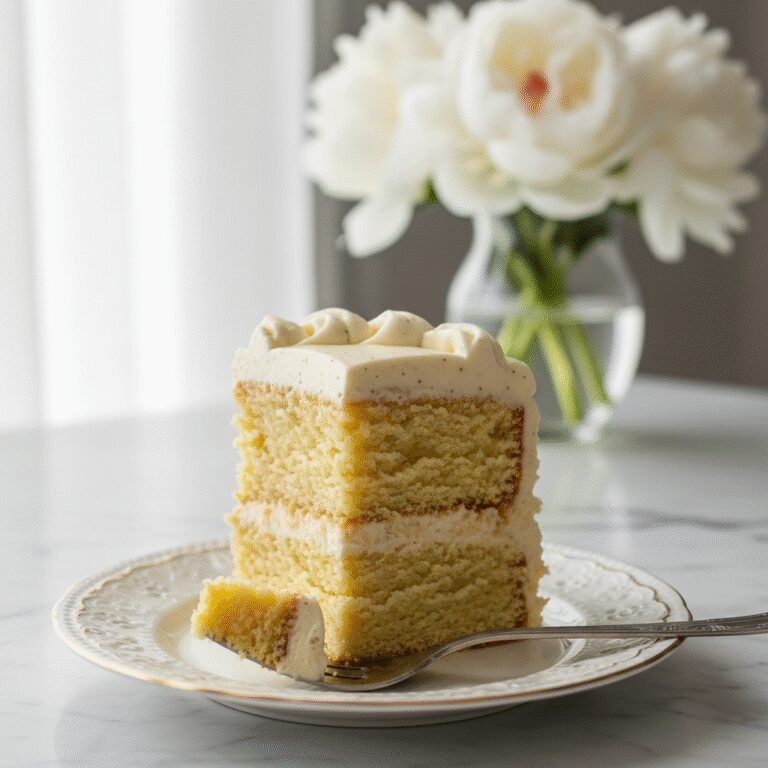
- Once the cakes are completely cool, place one layer on a serving plate. Spread a generous layer of frosting over the top. Place the second cake layer on top and frost the top and sides of the entire cake.
- Gently press the toasted unsweetened shredded coconut onto the top and sides of the cake for decoration.
- Refrigerate the cake for at least 30 minutes before slicing to allow the frosting to set and the flavors to meld.
Expert Cooking Tips
- ✓Room Temperature Ingredients: Ensure your eggs, butter, and cream cheese are at room temperature. This prevents the batter from curdling and ensures a smooth emulsion.
- ✓Don’t Pack the Flour: When measuring almond and coconut flour, spoon it into the measuring cup and level it off. Packing it down will lead to a dry, dense cake.
- ✓Cool Completely: Keto baking relies on eggs for structure. The cake will be very soft when hot but firms up significantly as it cools. Do not try to frost a warm cake!
- ✓Check Your Baking Powder: Ensure your baking powder is fresh. Since there is no gluten to hold air, the leavening agent is critical for the rise.
- ✓Toasting Coconut: To toast the garnish, place shredded coconut in a dry pan over medium heat for 2-3 minutes, stirring constantly until golden. Watch it closely as it burns fast.
- ✓Brand Matters: Different brands of coconut flour have different absorbency rates. If the batter looks like thick cookie dough, add a tablespoon more coconut milk.
- ✓Parchment is Key: Never skip lining the pans with parchment paper. Almond flour cakes stick more than wheat cakes.
Substitutions and Variations
This recipe is versatile, but substitutions must be made carefully in keto baking. If you need to be dairy-free, you can replace the butter in the cake with solid coconut oil or a vegan butter alternative. For the frosting, use a vegan cream cheese and coconut cream instead of heavy cream, though the stability may vary. You cannot swap almond flour for coconut flour at a 1:1 ratio; they behave very differently. However, if you have a nut allergy, you might experiment with sunflower seed flour in place of almond flour, though it may turn green due to a reaction with baking powder (adding an acid like lemon juice helps prevent this). If you don’t have monk fruit, erythritol or an allulose blend works well. Allulose will brown faster, so keep an eye on the oven. Liquid stevia can be used, but you will lose the bulk that granulated sweeteners provide, affecting the texture.
Common Mistakes to Avoid
The most common mistake with this cake is overbaking. Almond flour burns faster than wheat flour, and because it holds heat, it continues cooking after you pull it from the oven. Remove it as soon as the toothpick is clean. Another error is using granulated sweetener in the frosting instead of powdered. Granulated sweetener will result in a gritty, crunchy frosting that isn’t pleasant. Always use a powdered or ‘confectioners’ style keto sweetener for frostings. Finally, rushing the cooling process is a disaster for keto cakes. If you try to flip the cake out of the pan while it’s hot, it will likely crumble into pieces. Patience is a key ingredient here.
Serving Suggestions
This Moist Keto Coconut Cake is best served slightly chilled or at room temperature. If served straight from the fridge, the frosting will be firm and cheesecake-like; at room temperature, it becomes silky and soft. It pairs beautifully with a hot cup of black coffee or an unsweetened herbal tea, which cuts through the richness of the cream cheese. For an extra pop of color and tartness, serve each slice with a few fresh raspberries or blackberries on the side. If you are feeling fancy, a dollop of sugar-free whipped cream and a sprinkle of lime zest adds a zesty contrast to the sweet coconut.
Storage and Reheating Tips
Because of the cream cheese frosting and the high moisture content of the cake, it must be stored in the refrigerator. Place the cake in an airtight cake carrier or wrap slices individually in plastic wrap. It will stay fresh in the fridge for up to 5 days. In fact, many find it tastes better on day two as the moisture redistributes. This cake also freezes exceptionally well. You can freeze individual slices separated by parchment paper in a freezer-safe container for up to 2 months. To eat, simply thaw a slice in the refrigerator overnight or on the counter for 30 minutes.
Nutrition Facts (Estimated)
| Serving Size | 1 slice |
| Calories | 340 |
| Fat | 31g |
| Saturated Fat | 14g |
| Unsaturated Fat | 15g |
| Trans Fat | 0g |
| Cholesterol | 85mg |
| Sodium | 210mg |
| Carbohydrates | 7g |
| Fiber | 4g |
| Sugar | 2g |
| Protein | 8g |
Frequently Asked Questions
Can I use only almond flour and skip the coconut flour?
It is not recommended. The coconut flour absorbs moisture and provides structure. Without it, the cake may be too wet and fail to hold its shape.
Does monk fruit have a cooling effect like erythritol?
Pure monk fruit does not, but many store-bought brands are blends of monk fruit and erythritol. If you are sensitive to the cooling sensation, look for a blend that uses allulose or pure monk fruit drops, though the texture may change slightly.
Can I make this recipe into cupcakes?
Absolutely! This recipe will make about 12-15 standard cupcakes. Reduce the baking time to 18-22 minutes and check for doneness early.
Why did my cake fall in the center?
This usually happens if the oven door was opened too early during baking, causing a temperature drop, or if the cake was underbaked. It can also happen if too much baking powder was used.
Is coconut milk from a carton okay to use?
No, you should use canned, full-fat coconut milk (often found in the Asian food aisle). Carton coconut milk is too watery and lacks the fat needed for the crumb texture.
Can I use desiccated coconut inside the batter?
Yes, you can fold in about 1/3 cup of unsweetened shredded coconut into the batter at the end for extra texture, but it will slightly increase the calorie count.
What if I can’t find powdered monk fruit for the frosting?
You can make your own! Simply put your granulated monk fruit sweetener into a high-speed blender or coffee grinder and pulse until it becomes a fine powder.
Is this cake safe for diabetics?
Generally, yes. Monk fruit has a zero glycemic index and does not spike blood sugar. However, everyone’s body reacts differently, so it is always best to check your levels.
Conclusion
There is no need to feel deprived on a ketogenic diet when you have recipes like this in your arsenal. This Moist Keto Coconut Cake with Monk Fruit Sweetener proves that you can have your cake and eat it too—literally. It delivers on texture, flavor, and presentation, making it a perfect centerpiece for any celebration or a comforting treat for a quiet evening. We hope this recipe brings a little slice of tropical paradise to your kitchen. If you bake it, don’t forget to leave a comment and let us know how it turned out!