The Ultimate Moist Keto Coconut Cake with Cream Cheese Frosting
Moist Keto Coconut Cake Recipe
Indulge in the tropical bliss of this incredibly moist Keto Coconut Cake. With a tender crumb and luscious cream cheese frosting, this sugar-free, low-carb dessert proves you don’t have to sacrifice flavor for your diet. It’s the perfect guilt-free treat for birthdays, holidays, or just because.
20 minutes
30 minutes
50 minutes
12 servings
Dessert
Baking
American
Gluten-Free
If you have been on a ketogenic diet for any length of time, you know the struggle of finding baked goods that genuinely replicate the texture of their high-carb counterparts. Often, keto cakes can turn out dense, dry, or egg-heavy, leaving you missing the fluffy, melt-in-your-mouth experience of a traditional bakery cake. That ends today. This Moist Keto Coconut Cake is a revelation in the world of low-carb baking. It is specifically engineered to defy the odds, delivering a crumb that is soft, airy, and incredibly moist, all while remaining strictly sugar-free and gluten-free.
The secret lies in the delicate balance of coconut flour and almond flour, paired with the richness of full-fat coconut milk and sour cream. This combination ensures that the cake retains moisture for days, preventing that dreaded ‘cardboard’ texture often associated with alternative flours. Every bite is infused with a triple threat of coconut flavor: coconut flour in the base, coconut oil or milk for richness, and unsweetened shredded coconut folded right into the batter and pressed into the frosting.
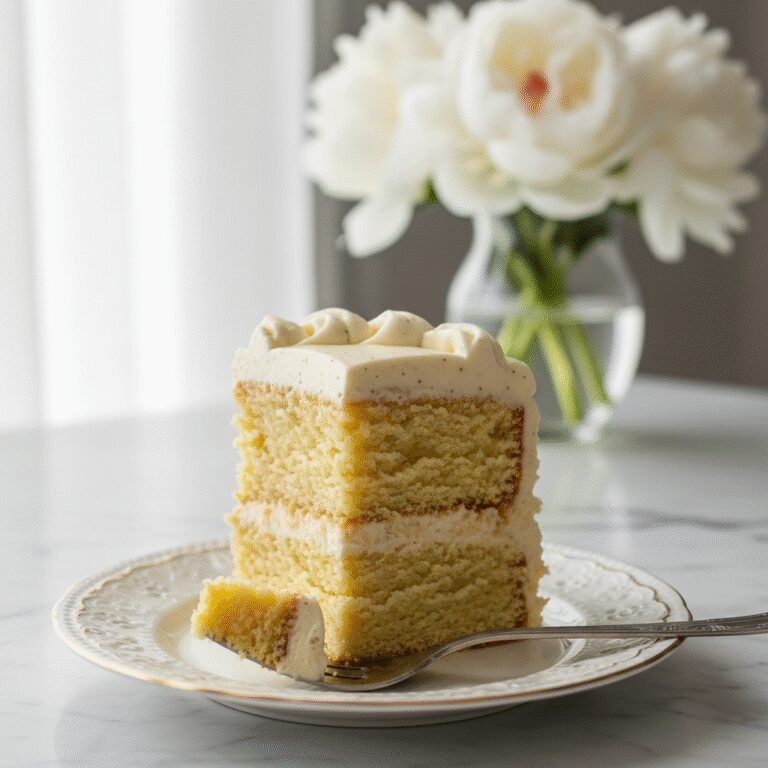
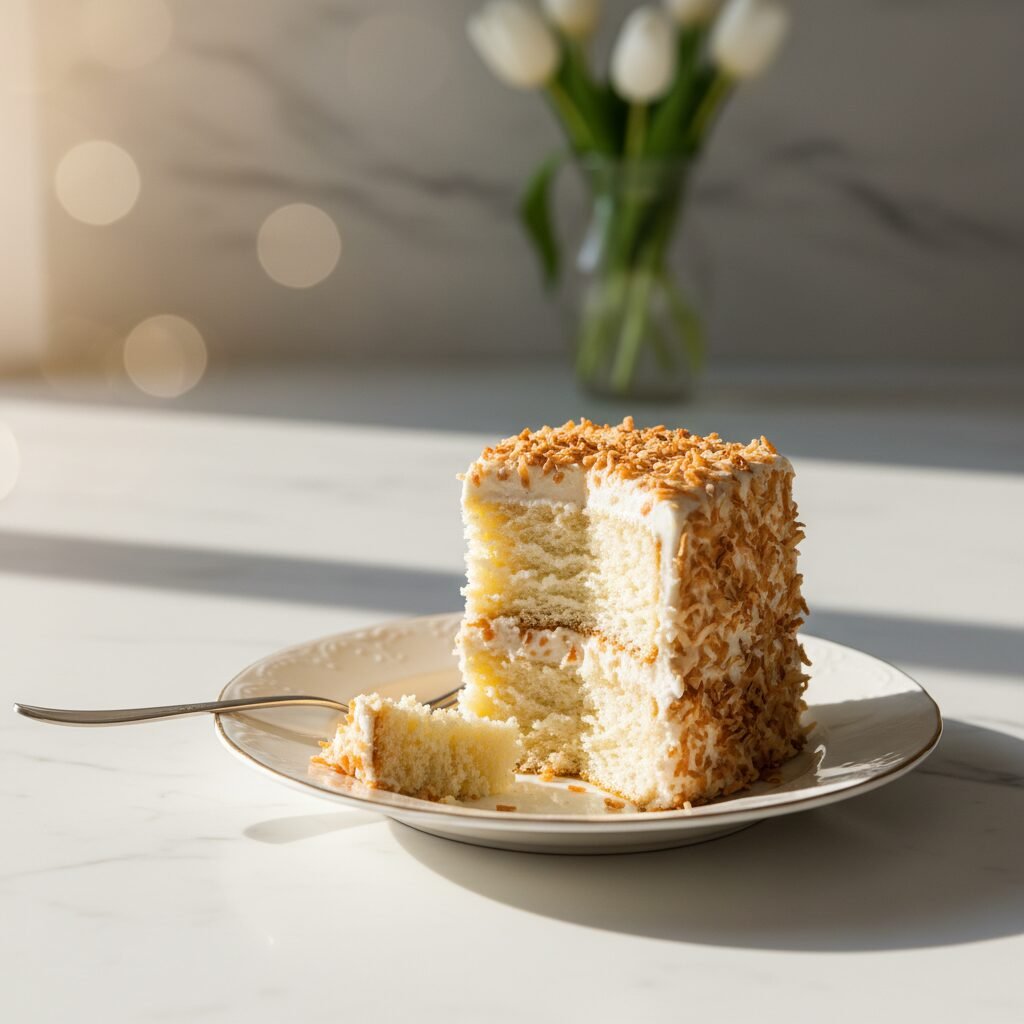
Imagine slicing into a tall, beautiful white cake, the knife gliding effortlessly through layers of tender sponge and creamy frosting. The aroma of vanilla and toasted coconut fills the kitchen, instantly transporting you to a warm, tropical paradise. Whether you are hosting a summer barbecue, celebrating a special occasion, or simply craving a comforting slice of cake with your afternoon coffee, this recipe is your new gold standard. It is elegant enough for a dinner party yet simple enough for a weekend baking project. Get ready to impress even your non-keto friends and family—they won’t believe it’s sugar-free!
History & Origins
The coconut cake is a storied dessert with deep roots in the American South, where it has reigned supreme on holiday tables and church potlucks for over a century. Its history is tied to the expansion of the spice trade and the availability of coconuts in the United States. In the early 19th century, fresh coconuts were a rare luxury imported from the Caribbean. Baking a coconut cake was a labor of love, requiring the baker to crack, drain, peel, and grate the fresh coconut by hand—a process that could take hours. Because of this intense labor, coconut cake was reserved for the most prestigious occasions.
The invention of desiccated (dried and shredded) coconut in the late 1800s revolutionized the dessert, making it accessible to home bakers everywhere. By the turn of the 20th century, the ‘Southern Coconut Cake’ had become an icon, typically featuring layers of yellow or white cake filled with a coconut custard or fruit filling and covered in a fluffy seven-minute frosting dusted with mountains of shredded coconut.
Fast forward to the modern era and the rise of the ketogenic diet. As people began to move away from refined sugars and wheat flour for health reasons, the challenge arose to adapt these beloved classics. The keto movement brought coconut flour into the spotlight—not just as a flavor enhancer, but as a primary structural ingredient. However, early low-carb adaptations often struggled with texture. Over years of experimentation, food scientists and home bakers discovered how to manipulate the high-fiber content of coconut flour using extra eggs and fats to mimic the structure of gluten. This recipe represents the evolution of that history: honoring the traditional flavor profile of the grand Southern Coconut Cake while utilizing modern nutritional science to create a version that fits a low-carb lifestyle without compromising on the nostalgia and joy of the original.
Why This Recipe Works
This recipe succeeds where many other keto cakes fail because it fundamentally addresses the unique chemistry of gluten-free, low-carb flours. Coconut flour is notoriously hygroscopic, meaning it absorbs an immense amount of liquid. If not balanced correctly, this leads to a dry, crumbly mess. This recipe counters that by using a ‘hybrid flour’ approach—combining fine almond flour with coconut flour. The almond flour provides natural oils and a tender crumb, while the coconut flour provides structure and absorption, preventing the cake from being too wet or oily.
Furthermore, the inclusion of sour cream (or full-fat Greek yogurt) acts as an acid to tenderize the protein in the eggs and almond flour, ensuring a soft, velvety texture. We also use room-temperature ingredients, particularly the eggs and butter, which allows for an emulsion that traps air during the creaming process. This trapped air expands in the oven, giving the cake a lift that baking powder alone cannot achieve.
Finally, the sweetness profile is carefully managed. By using a blend of erythritol and monk fruit, or allulose, we avoid the cooling effect often associated with sugar alcohols. The result is a clean, sweet flavor that doesn’t overpower the delicate coconut notes. The high fat content from the butter, cream cheese, and coconut oil not only fits the keto macro requirements but also coats the tongue, carrying the flavor compounds more effectively than a low-fat version ever could.
Why You’ll Love This Recipe
- ✓Only 3g net carbs per slice
- ✓Incredibly moist texture that rivals traditional flour cakes
- ✓Rich, creamy, sugar-free cream cheese frosting
- ✓Triple coconut flavor for tropical lovers
- ✓Gluten-free and grain-free
- ✓Freezes beautifully for meal prep
Equipment You’ll Need
- ✓Two 8-inch round cake pans
- ✓Electric hand mixer or stand mixer
- ✓Large mixing bowls
- ✓Parchment paper
- ✓Wire cooling rack
- ✓Rubber spatula
- ✓Measuring cups and spoons
Ingredients
- ✓1/2 cup Coconut Flour
- ✓1 1/2 cups Super Fine Almond Flour
- ✓1 tbsp Baking Powder
- ✓1/2 tsp Salt
- ✓3/4 cup Unsalted Butter, softened
- ✓2/3 cup Granulated Erythritol sweetener
- ✓5 large Eggs, room temperature
- ✓1 tsp Vanilla Extract
- ✓1/2 tsp Coconut Extract (optional)
- ✓1/2 cup Full-fat Sour Cream
- ✓1/3 cup Unsweetened Almond Milk or Coconut Milk
- ✓1/2 cup Unsweetened Shredded Coconut (for batter)
- ✓8 oz Cream Cheese, softened (Frosting)
- ✓1/4 cup Unsalted Butter, softened (Frosting)
- ✓1 cup Powdered Erythritol sweetener (Frosting)
- ✓1 tsp Vanilla Extract (Frosting)
- ✓2-3 tbsp Heavy Cream (Frosting)
- ✓1/2 cup Unsweetened Toasted Coconut flakes (Garnish)
Instructions
- Preheat your oven to 350°F (175°C). Grease two 8-inch round cake pans with butter or coconut oil and line the bottoms with parchment paper rounds.
- In a medium bowl, whisk together the coconut flour, almond flour, baking powder, and salt. Ensure there are no lumps, especially in the almond flour.
- In a large mixing bowl or stand mixer, beat the softened butter and granulated sweetener together on high speed for about 2-3 minutes until the mixture is light and fluffy.
- Add the eggs one at a time, beating well after each addition. Scrape down the sides of the bowl as needed.
- Mix in the vanilla extract, coconut extract (if using), and sour cream until fully combined.
- Reduce the mixer speed to low. Gradually add the dry ingredient mixture in two batches, alternating with the almond milk. Mix just until combined—do not overmix.
- Gently fold in the 1/2 cup of unsweetened shredded coconut with a rubber spatula.
- Divide the batter evenly between the two prepared cake pans. Smooth the tops with the spatula.
- Bake for 25-30 minutes, or until the tops are golden brown and a toothpick inserted into the center comes out clean or with just a few moist crumbs.
- Remove from the oven and let the cakes cool in the pans for 10 minutes. Then, carefully invert them onto a wire rack to cool completely before frosting.
- While the cakes cool, prepare the frosting. Beat the softened cream cheese and butter together until smooth and creamy.
- Add the powdered sweetener and vanilla extract. Beat on low speed initially, then increase to high until fluffy.
- Add heavy cream one tablespoon at a time until you reach your desired spreading consistency.
- Once the cakes are fully cooled, place one layer on a serving plate. Spread a generous layer of frosting over the top. Place the second layer on top and frost the top and sides of the entire cake.
- Garnish by pressing the toasted coconut flakes into the top and sides of the cake. Slice and serve!
Expert Cooking Tips
- ✓Ensure all refrigerated ingredients (eggs, butter, sour cream, cream cheese) are at room temperature before starting to prevent the batter from curdling.
- ✓Do not skip the parchment paper. Keto cakes are more fragile than gluten cakes and can stick to the pan easily.
- ✓Sift your coconut flour and almond flour if they seem clumpy to ensure a smooth batter.
- ✓Let the cake cool completely before frosting. Keto cakes are very soft when warm and will fall apart if you try to frost them too soon.
- ✓If the frosting is too soft, refrigerate it for 15-20 minutes to firm up before spreading.
- ✓Toast the coconut for the garnish in a dry pan over medium heat for 2-3 minutes for enhanced flavor and crunch.
Substitutions and Variations
Keto baking relies on specific chemistry, but there are some flexible substitutions. If you are dairy-free, you can substitute the butter with coconut oil (use slightly less as it is pure fat) or a vegan butter alternative. The sour cream can be replaced with full-fat coconut cream (the thick part from a can of coconut milk). For the sweetener, any 1:1 sugar substitute works, such as Swerve, Lakanto, or Allulose. Allulose is excellent for keeping the cake soft but browns faster, so keep an eye on the oven. If you have a nut allergy, you can try using sunflower seed flour instead of almond flour, though this may slightly alter the color (turning green due to chlorophyll reaction with baking powder) unless you use an acid like lemon juice. Do not try to substitute coconut flour 1:1 with almond flour or wheat flour; coconut flour is unique and requires much more liquid.
Common Mistakes to Avoid
The most common mistake is overmeasuring the flour. Coconut flour acts like a sponge; even a tablespoon too much can dry out the cake. Always use the spoon-and-level method or weigh your ingredients for precision. Another error is overmixing the batter after adding the dry ingredients, which can lead to a tougher texture, although less so than with gluten flours. Many people also try to frost the cake while it is still slightly warm. Because keto cakes rely on fats like butter and coconut oil for structure, they are structurally unstable when warm. Frosting a warm cake will result in the layers sliding off or the frosting melting into a glaze. Finally, using granulated sweetener in the frosting instead of powdered will result in a gritty texture. Always use powdered sweetener for a smooth finish.
Serving Suggestions
This cake is rich and decadent, so it pairs beautifully with a beverage that cuts through the creaminess. Serve a slice with a hot cup of black coffee, an espresso, or unsweetened herbal tea. For a summer gathering, it goes wonderfully with iced matcha lattes or cold brew. If you want to elevate the dessert plating, serve the slice with a dollop of sugar-free raspberry coulis or a few fresh berries on the side. The tartness of the berries contrasts perfectly with the sweet, creamy coconut frosting. It also makes a stunning centerpiece for Easter brunch, Mother’s Day, or a bridal shower.
Storage and Reheating Tips
Store any leftover cake in the refrigerator. Because of the cream cheese frosting and the high moisture content of the cake, it should not be left out at room temperature for more than a few hours. Place it in an airtight cake carrier or cover the cut sections with plastic wrap to prevent them from drying out. It will keep well in the fridge for up to 5 days. This cake also freezes exceptionally well. You can freeze individual slices wrapped tightly in plastic wrap and then foil for up to 2 months. Thaw in the refrigerator overnight or on the counter for 30 minutes before eating. In fact, many people find the texture even better after it has chilled in the fridge overnight!
Nutrition Facts (Estimated)
| Serving Size | 1 slice |
| Calories | 340 |
| Fat | 31g |
| Saturated Fat | 14g |
| Unsaturated Fat | 15g |
| Trans Fat | 0g |
| Cholesterol | 85mg |
| Sodium | 180mg |
| Carbohydrates | 7g |
| Fiber | 4g |
| Sugar | 1g |
| Protein | 7g |
Frequently Asked Questions
Can I use only coconut flour instead of almond flour?
No, not in this specific recipe. This recipe relies on the blend of almond and coconut flours for the perfect texture. Using only coconut flour would require significantly more eggs and liquid, completely changing the recipe ratios.
Why did my cake turn out dense?
Density usually comes from expired baking powder or not beating the butter and sweetener long enough to incorporate air. Ensure your baking powder is fresh and you cream the butter well.
Can I make this recipe as cupcakes?
Absolutely! This batter works great for cupcakes. Line a muffin tin with liners and bake for 18-22 minutes. It should yield about 12-14 cupcakes.
Is desiccated coconut the same as shredded coconut?
They are similar, but desiccated is usually finer and drier. For this recipe, standard unsweetened shredded coconut is preferred for texture, but desiccated works fine if that’s all you have.
What sweetener is best for no aftertaste?
A blend of erythritol and monk fruit usually has the least cooling effect. Allulose is also fantastic for baking as it tastes very much like sugar, but it can brown quicker.
Can I leave out the coconut extract?
Yes, the coconut extract enhances the flavor, but if you prefer a milder coconut taste, the coconut flour and shreds will still provide a nice flavor profile.
How do I know when the cake is done?
Insert a toothpick into the center. If it comes out clean or with a few moist crumbs, it’s done. If it has wet batter, it needs more time. Don’t rely solely on the color of the top.
Can I make this cake dairy-free?
Yes, substitute butter with coconut oil or vegan butter, sour cream with coconut cream, and use a dairy-free cream cheese alternative for the frosting.
Conclusion
There you have it—the definitive guide to baking a Moist Keto Coconut Cake that doesn’t compromise on taste or texture. This recipe is a testament to how far low-carb baking has come, allowing you to enjoy the classic, comforting flavors of a Southern coconut cake while staying on track with your health goals. Whether you are a seasoned keto baker or a complete novice, this recipe is designed to be foolproof and rewarding. The combination of fluffy cake, rich frosting, and toasted coconut creates a symphony of textures that is sure to satisfy your sweet tooth. So, grab your apron, preheat that oven, and get ready to bake a dessert that will have everyone asking for seconds!