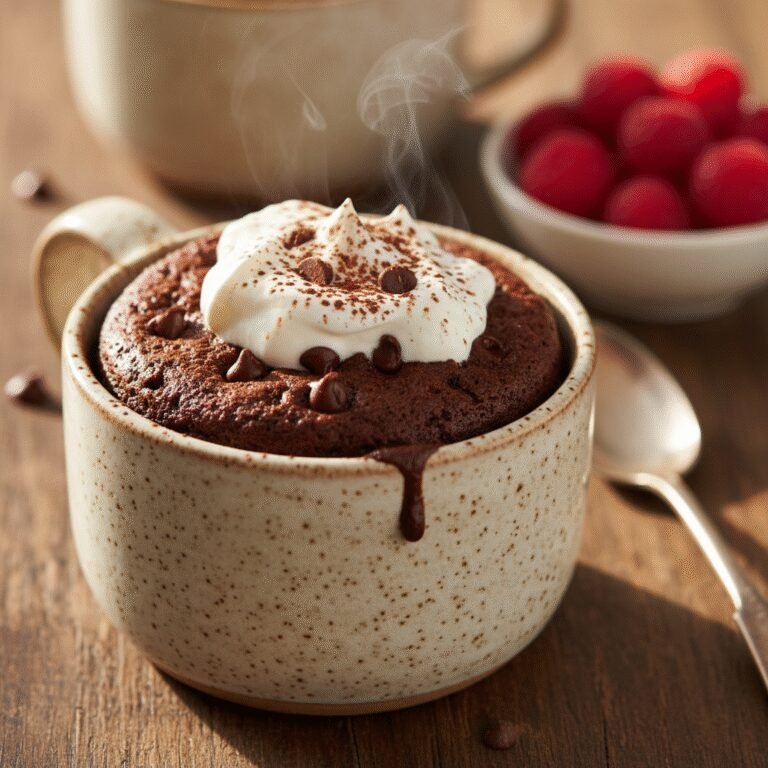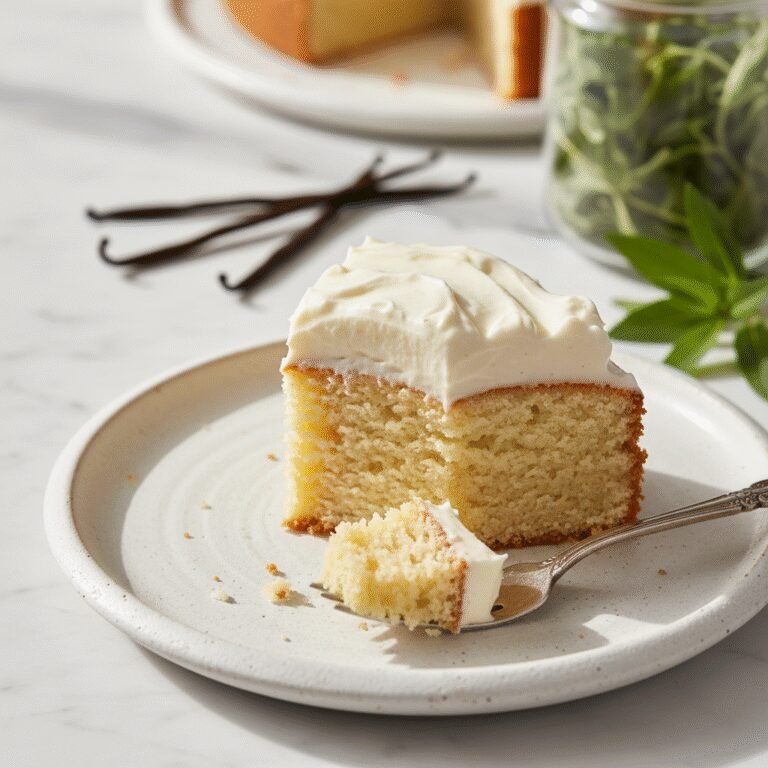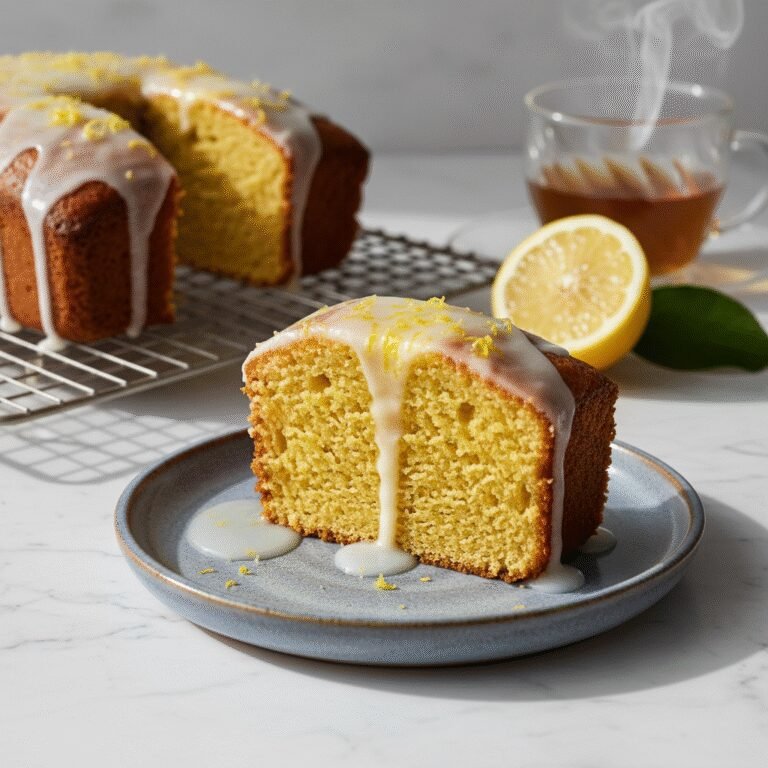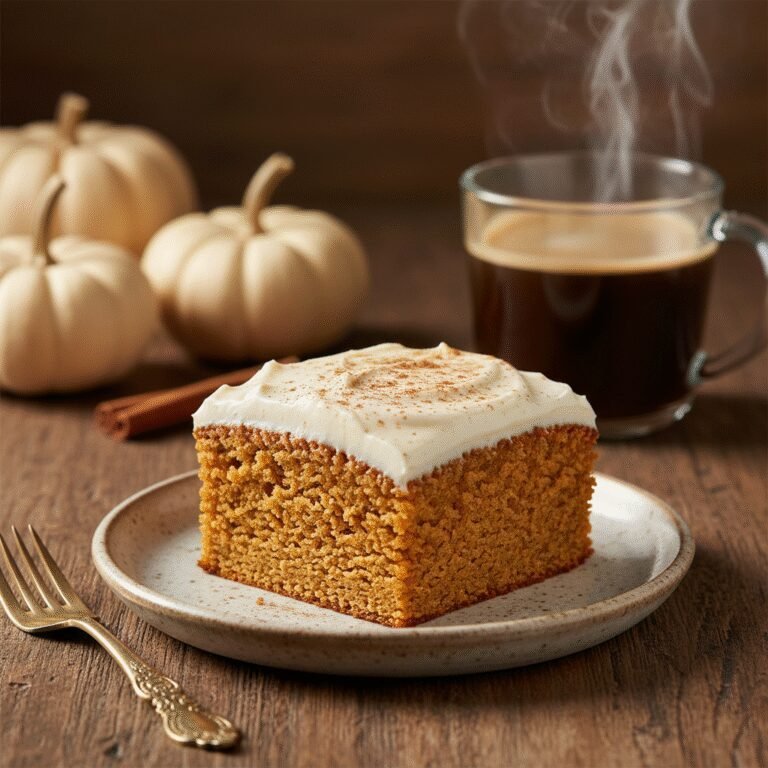
The Ultimate Moist Keto Chocolate Cake with Stevia
Moist Keto Chocolate Cake With Stevia Recipe
Discover the secret to a decadently rich and moist chocolate cake that fits perfectly into your low-carb lifestyle. Sweetened exclusively with Stevia, this gluten-free dessert delivers intense chocolate flavor without the sugar crash, making it the ultimate guilt-free treat for birthdays or weekend cravings.
20 minutes
35 minutes
55 minutes
12 slices
Dessert
Baking
American
Gluten-Free
Welcome to the holy grail of low-carb baking. If you have been on the ketogenic diet for any length of time, you know the struggle is real when it comes to finding a dessert that doesn’t taste like cardboard or sweetened sawdust. Chocolate cake is a staple of comfort food—a symbol of celebration, indulgence, and joy. But traditional recipes are loaded with refined flour and sugar, two ingredients that will kick you out of ketosis faster than you can say ‘glycemic index.’ That is where this Moist Keto Chocolate Cake with Stevia comes in to save the day.
Creating a keto-friendly cake that retains the tender crumb and moist texture of a standard wheat-based cake is a culinary engineering feat. Often, almond flour or coconut flour can result in a dense or dry product if not balanced correctly with fats and liquids. This recipe specifically tackles those issues by utilizing a precise blend of high-fat ingredients like sour cream and melted butter, ensuring every bite melts in your mouth. Furthermore, we address the ‘cooling effect’ or bitter aftertaste often associated with Stevia by balancing it with vanilla and the natural richness of high-quality cocoa powder.
This isn’t just a ‘good for keto’ cake; it is a genuinely delicious chocolate cake that stands on its own against sugary counterparts. Whether you are baking for a diabetic family member, a friend on a weight loss journey, or just trying to cut down on sugar yourself, this recipe proves you do not have to sacrifice flavor for health. Get ready to preheat your ovens and prepare your tastebuds for a deep, fudgy experience that will redefine your expectations of sugar-free baking.
History & Origins
The concept of the ‘chocolate cake’ has evolved significantly over the centuries. Originally, chocolate was consumed primarily as a beverage by the Aztecs and Mayans, revered for its invigorating properties. It wasn’t until the 19th century, with the extraction of cocoa butter and the production of cocoa powder, that chocolate began to find its way into baked goods. The first chocolate cakes were actually yellow cakes with chocolate frosting, but by the turn of the 20th century, the ‘Devil’s Food’ style—rich, dark, and intense—became popular in American cookbooks.
Fast forward to the 21st century, and we see a massive dietary shift. The Ketogenic diet, originally developed in the 1920s to treat epilepsy in children, saw a massive resurgence in the 2010s as a weight-loss and metabolic health strategy. As millions adopted this low-carb, high-fat lifestyle, the demand for compliant desserts skyrocketed. Early attempts at keto baking were often lackluster, relying heavily on artificial sweeteners that had questionable safety profiles or unpleasant tastes.
Stevia, derived from the leaves of the Stevia rebaudiana plant native to Brazil and Paraguay, emerged as a frontrunner in the natural sweetener revolution. Used by indigenous peoples for centuries to sweeten teas and medicines, it gained global traction as a zero-calorie, zero-glycemic plant-based alternative. The marriage of ancient South American botany (Stevia) with the European tradition of chocolate cake baking represents a modern culinary fusion born out of health consciousness. This specific recipe is the culmination of years of trial and error within the low-carb community, perfecting the delicate chemistry required to make grain-free flours rise and taste divine using only natural plant extracts.
Why This Recipe Works
The success of this recipe lies in the careful orchestration of moisture retention and flavor balancing. Baking with almond flour is fundamentally different from wheat flour because it lacks gluten, the protein structure that traps air and provides elasticity. Without gluten, cakes can become heavy. To counteract this, we use a combination of baking powder and eggs to provide the necessary lift and structure. However, the real game-changer here is the inclusion of sour cream (or full-fat Greek yogurt). The acidity in the sour cream reacts slightly with the leavening agents to create a tender crumb, while the high fat content ensures the almond flour remains moist during the baking process, preventing that dreaded dry, sandy texture.
Secondly, the use of Stevia requires a specific approach. Stevia is much sweeter than sugar but lacks the physical bulk that sugar provides in a batter. In traditional baking, sugar melts and contributes to the liquid structure. Since we are removing that bulk, we must replace it with other solids and liquids—hence the higher volume of almond flour and eggs. Furthermore, to mask any potential licorice-like aftertaste of Stevia, we use a high-quality unsweetened cocoa powder and a generous amount of vanilla extract. The bitterness of the dark chocolate actually complements the Stevia, creating a harmonious flavor profile where the sweetener enhances the chocolate notes rather than overpowering them.
Why You’ll Love This Recipe
- ✓Zero sugar impact and 100% Keto-friendly
- ✓Incredibly moist crumb thanks to sour cream and almond flour
- ✓Rich, deep chocolate flavor using premium cocoa
- ✓Natural sweetness from Stevia with no chemical aftertaste
- ✓Simple one-bowl preparation method
- ✓Gluten-free and grain-free
Equipment You’ll Need
- ✓9-inch round cake pan or springform pan
- ✓Large mixing bowl
- ✓Electric hand mixer or stand mixer
- ✓Sifter or fine-mesh sieve
- ✓Rubber spatula
- ✓Measuring cups and spoons
- ✓Wire cooling rack
- ✓Parchment paper
Ingredients
- ✓2 cups Blanched Almond Flour (super fine)
- ✓1/2 cup Unsweetened Cocoa Powder (Dutch-processed preferred)
- ✓1 tbsp Baking Powder (aluminum-free)
- ✓1/2 tsp Sea Salt
- ✓1/2 cup Unsalted Butter, softened
- ✓1/2 cup Granulated Stevia Blend (or liquid equivalent to 1 cup sugar)
- ✓4 large Eggs, room temperature
- ✓1/2 cup Full-Fat Sour Cream or Greek Yogurt
- ✓1 tsp Pure Vanilla Extract
- ✓1/3 cup Unsweetened Almond Milk (optional, if batter is too thick)
Instructions
- Preheat your oven to 350°F (175°C). Grease a 9-inch round cake pan generously with butter or coconut oil and line the bottom with a circle of parchment paper to ensure easy removal.
- In a medium bowl, sift together the almond flour, cocoa powder, baking powder, and salt. Sifting is crucial here to break up any clumps in the almond flour and cocoa, ensuring a smooth batter. Set aside.
- In a large mixing bowl, cream the softened butter and Stevia sweetener together using an electric mixer on medium speed until the mixture looks fluffy and lighter in color, about 2-3 minutes.
- Add the eggs one at a time, beating well after each addition. Scrape down the sides of the bowl with a rubber spatula as needed.
- Mix in the sour cream (or Greek yogurt) and vanilla extract until fully combined and smooth.
- Gradually add the dry ingredient mixture to the wet ingredients in two or three batches. Mix on low speed just until combined. Do not overmix, though this is less of a concern without gluten, you still want to keep the air bubbles intact.
- Check the consistency of the batter. It should be thick but spreadable. If it is excessively stiff, stir in the unsweetened almond milk one tablespoon at a time until it reaches a smooth cake batter consistency.
- Pour the batter into the prepared cake pan and use the spatula to smooth the top evenly.
- Bake in the center of the preheated oven for 30-35 minutes. Test for doneness by inserting a toothpick into the center of the cake; it should come out clean or with just a few moist crumbs attached.
- Remove the cake from the oven and let it cool in the pan for at least 15-20 minutes. Keto cakes are more fragile when hot and need this time to set.
- Gently run a knife around the edges, then invert the cake onto a wire cooling rack to cool completely before frosting or slicing.
Expert Cooking Tips
- ✓Use room temperature ingredients (eggs, butter, sour cream) to prevent the batter from separating or curdling.
- ✓Sift your cocoa powder and almond flour to avoid bitter lumps of dry powder in your finished cake.
- ✓If you are sensitive to the taste of Stevia, consider using a blend that includes Erythritol, as they balance each other well.
- ✓Do not skip the parchment paper; almond flour cakes can stick more stubbornly than wheat cakes.
- ✓Let the cake cool completely before frosting; the heat will melt keto-friendly buttercreams instantly.
- ✓For an extra rich flavor, add a teaspoon of instant coffee powder to the dry ingredients; it enhances the chocolate without adding coffee flavor.
Substitutions and Variations
Keto baking is versatile but requires specific ratios. If you do not have almond flour, you cannot simply swap it 1:1 with coconut flour, as coconut flour absorbs significantly more moisture. If you must use coconut flour, use only about 1/2 cup to 2/3 cup and add an extra egg or two. For the fat source, melted coconut oil is a great dairy-free alternative to butter, though it will impart a slight coconut flavor. If you are avoiding dairy completely, you can replace the sour cream with coconut cream (the thick part from a can of full-fat coconut milk). Regarding the sweetener, this recipe calls for Stevia, but you can use Monk Fruit sweetener, Erythritol, or Allulose. Just be sure to check the conversion chart on your specific brand’s packaging, as some are twice as sweet as sugar while others measure 1:1. Lastly, Dutch-processed cocoa powder provides a smoother, less acidic taste, but regular unsweetened cocoa powder works fine if that is what you have on hand.
Common Mistakes to Avoid
The most common mistake in keto baking is over-baking. Almond flour cakes do not turn golden brown in the same obvious way white flour cakes do, and they can go from perfectly moist to dry and crumbly very quickly. Watch your timer closely. Another error is cutting into the cake while it is still hot. Unlike gluten cakes which have a strong protein network, keto cakes rely on the cooling of fats and eggs to hold their structure. If you cut it too soon, it may crumble into a mess. Additionally, using cold ingredients can cause the melted butter or coconut oil to solidify instantly upon contact, resulting in a lumpy batter that doesn’t rise evenly. Always plan ahead and bring your dairy and eggs to room temperature. Finally, be careful with Stevia measurements; pure Stevia extract is incredibly potent, while Stevia blends measure like sugar. Confusing the two will ruin the cake.
Serving Suggestions
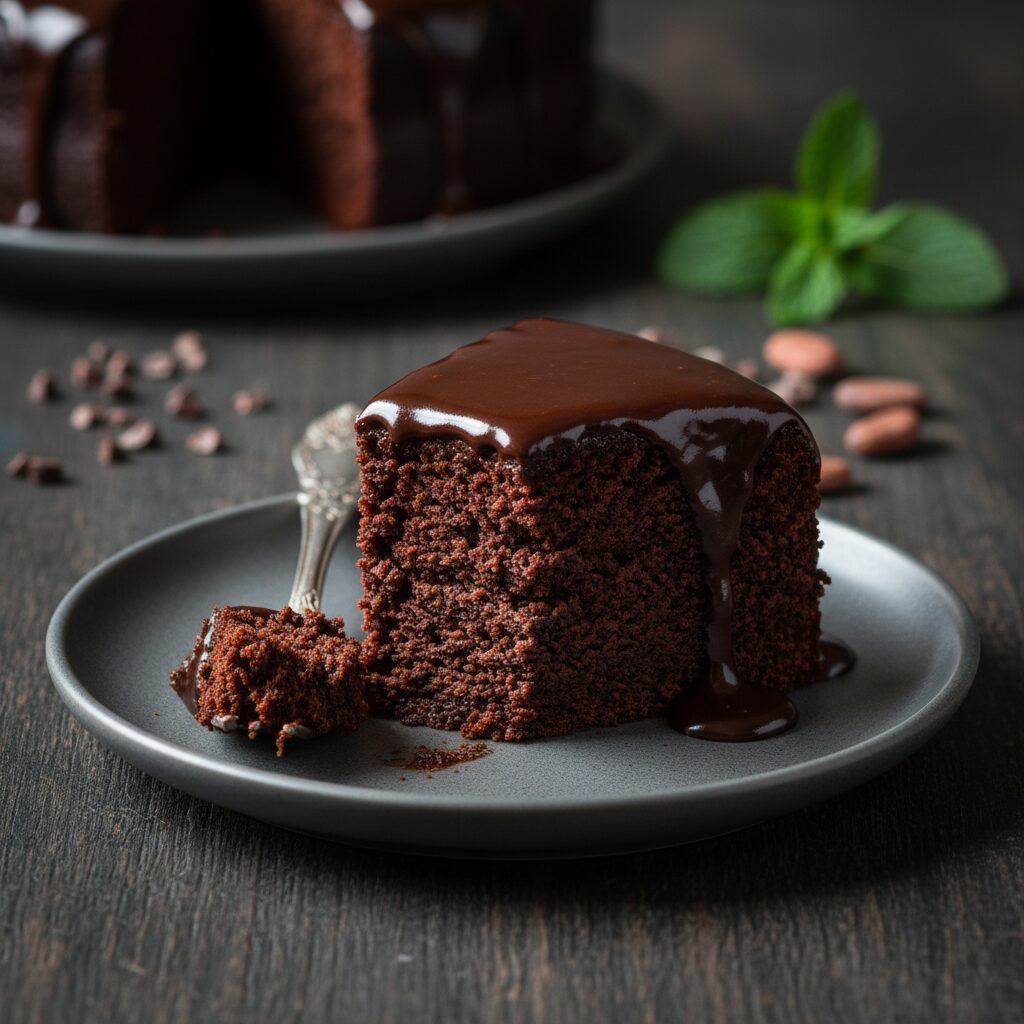
This cake is elegant enough to be served plain with a dusting of powdered sweetener, but it truly shines with toppings. A classic Keto Cream Cheese Frosting is a popular choice, adding a tangy richness that pairs perfectly with the chocolate. For a lighter option, serve with a dollop of homemade sugar-free whipped cream and a handful of fresh raspberries or strawberries. The tartness of the berries cuts through the richness of the chocolate. If you are feeling decadent, drizzle a warm sugar-free chocolate ganache over the slice just before serving. It pairs wonderfully with a hot cup of black coffee or a glass of unsweetened almond milk.
Storage and Reheating Tips
Because this cake contains fresh ingredients like eggs and sour cream and lacks the preservatives of boxed mixes, it is best stored in the refrigerator. Place the cake in an airtight container or cover it tightly with plastic wrap to prevent it from absorbing fridge odors. It will stay fresh for up to 5 days in the refrigerator. In fact, many find it tastes better the next day as the flavors meld and the texture fudges up. For long-term storage, this cake freezes beautifully. Slice the cake and wrap individual slices in plastic wrap, then place them in a freezer-safe bag. They can be frozen for up to 3 months. Thaw overnight in the fridge or microwave for 15-20 seconds for a warm treat.
Nutrition Facts (Estimated)
| Serving Size | 1 Slice |
| Calories | 245 kcal |
| Fat | 21g |
| Saturated Fat | 8g |
| Unsaturated Fat | 11g |
| Trans Fat | 0g |
| Cholesterol | 85mg |
| Sodium | 180mg |
| Carbohydrates | 6g |
| Fiber | 3g |
| Sugar | 1g |
| Protein | 7g |
Frequently Asked Questions
Can I use liquid Stevia instead of granular?
Yes, you can. However, granular sweeteners often provide some bulk to the batter. If you use liquid Stevia (usually about 1 teaspoon equals 1 cup of sugar, but check your bottle), you might need to add a few extra tablespoons of almond flour to get the right consistency.
Why did my cake fall in the center?
This usually happens if the oven door was opened too early during baking, causing a sudden temperature drop. It can also occur if there was too much leavening (baking powder) or if the cake was underbaked.
Is this cake safe for diabetics?
Generally, yes. The ingredients are low-glycemic and sugar-free. However, everyone’s insulin response is different, so it is always best to monitor your own levels or consult a nutritionist.
Can I make this dairy-free?
Absolutely. Substitute the butter with coconut oil and the sour cream with thick coconut cream or a dairy-free almond milk yogurt.
My batter is very thick, is that normal?
Keto cake batter is often thicker than traditional cake batter. It should be spreadable rather than pourable. If it’s too stiff to spread, add a splash of almond milk.
What brand of almond flour is best?
Look for ‘Super Fine’ blanched almond flour. Avoid almond meal, which contains the skins and will result in a gritty, heavy texture.
Does this cake taste like almonds?
Not really. The strong flavor of the cocoa powder and the vanilla extract effectively mask the mild nutty flavor of the almond flour.
Can I use baking soda instead of baking powder?
This recipe relies on the specific lift of baking powder. If you only have baking soda, you need to ensure there is enough acid (like the sour cream) to activate it, but the ratio is different (use 1/4 amount of soda vs powder). It’s safer to stick to baking powder.
Conclusion
Baking on a ketogenic diet doesn’t mean you have to bid farewell to your favorite desserts. This Moist Keto Chocolate Cake with Stevia proves that with the right ingredients and techniques, you can enjoy a luxurious, chocolatey treat that supports your health goals. It is the perfect balance of rich flavor, tender texture, and wholesome nutrition. Whether you are a seasoned keto veteran or just starting out, this recipe is a foolproof addition to your culinary repertoire. So, go ahead and indulge in a slice—your tastebuds will thank you, and your macros will stay intact!