The Ultimate Moist Keto Chocolate Cake With Erythritol
Moist Keto Chocolate Cake With Erythritol Recipe
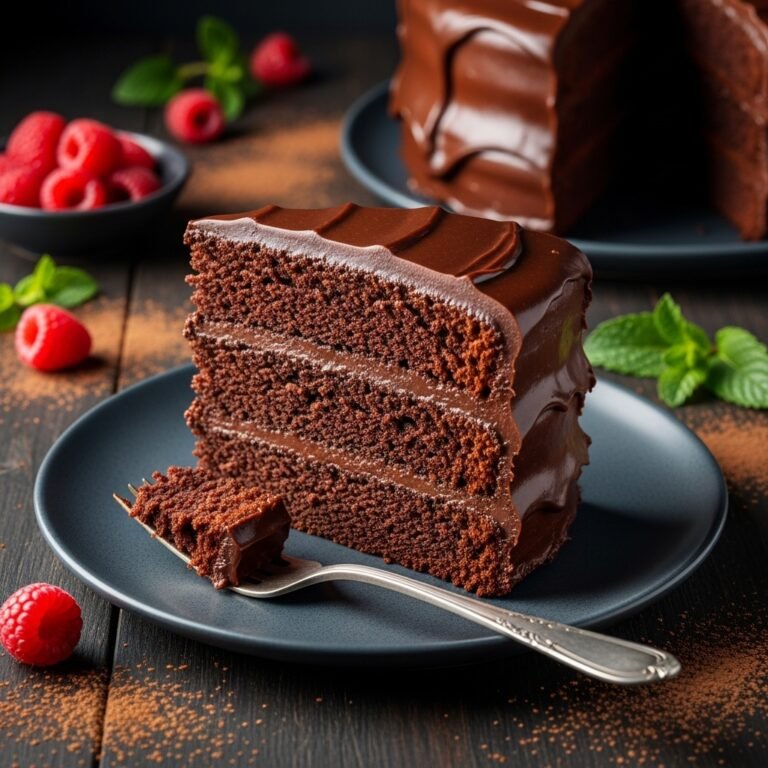
Discover the holy grail of low-carb baking with this incredibly moist Keto Chocolate Cake. Sweetened perfectly with erythritol and rich with Dutch-processed cocoa, this recipe delivers a decadent, fudgy crumb that rivals any traditional bakery cake—without the sugar crash.
20 minutes
30 minutes
50 minutes
12 slices
Dessert
Baking
American / Keto
Gluten-Free
If you have been on the ketogenic diet for any length of time, you know the struggle is real when it comes to finding a dessert that doesn’t taste like cardboard or leave a strange, chemical aftertaste. The quest for the perfect keto chocolate cake is often fraught with dry crumbs and disappointing textures. But today, that search ends. This Moist Keto Chocolate Cake with Erythritol is a game-changer, designed specifically to combat the dryness often associated with almond and coconut flour baking. We are talking about a deep, dark chocolate flavor profile that is robust and satisfying, paired with a crumb so tender it practically melts in your mouth.
The secret weapon here is the careful manipulation of erythritol. While erythritol is a fantastic natural sweetener with zero glycemic impact, it can sometimes have a ‘cooling’ effect or crystallize if not used correctly. In this recipe, we utilize a powdered version and balance it with high-fat ingredients to mask any cooling sensation, leaving you with nothing but pure, unadulterated sweetness. Whether you are baking for a birthday, a special anniversary, or just a Tuesday night craving, this cake proves that living a low-carb lifestyle does not mean sacrificing the joys of a truly decadent dessert. Get your forks ready, because this is about to become a staple in your keto kitchen.
History & Origins
While the concept of a ‘chocolate cake’ dates back to the 18th century, the specific iteration of a ‘Keto’ chocolate cake is a much more modern marvel, born out of necessity and scientific innovation. The Ketogenic diet itself was established in the 1920s by Dr. Russell Wilder at the Mayo Clinic as a treatment for epilepsy. For decades, it was a strictly medical regimen with little thought given to culinary enjoyment. Patients adhered to strict ratios of fat, protein, and carbohydrates, and desserts were largely off the table.
However, the resurgence of low-carb eating in the late 1990s and the massive explosion of the Keto trend in the 2010s shifted the focus from purely medical necessity to a lifestyle choice. Home bakers began experimenting with alternative flours like almond and coconut. Simultaneously, the sweetener industry evolved. Erythritol, a sugar alcohol (polyol) naturally found in some fruits like grapes and pears, was discovered in 1848 by Scottish chemist John Stenhouse. However, it wasn’t until recent decades that it became commercially available and affordable for the home cook. The marriage of almond flour baking techniques with erythritol’s zero-calorie sweetness paved the way for this modern classic. This recipe represents the culmination of years of community experimentation, refining the ratios to mimic the ‘Devil’s Food’ texture that Americans have loved since the early 1900s, but without the wheat and sugar that defined the original.
Why This Recipe Works
This recipe succeeds where many other low-carb cakes fail due to three critical chemical interactions: moisture retention, fat ratios, and sweetener blooming. First, almond flour is high in fat but lacks gluten, which provides structure. To compensate, we use a specific amount of eggs and a touch of xanthan gum to provide the scaffolding the cake needs to rise without collapsing. Unlike wheat flour, almond flour doesn’t absorb liquid the same way, so we introduce boiling water (or hot coffee) into the batter. This technique, often used in traditional baking, ‘blooms’ the cocoa powder, intensifying the chocolate flavor while ensuring the batter is loose enough to create a moist, steamy environment in the oven.
Secondly, we tackle the erythritol issue. Erythritol is notorious for recrystallizing as it cools, which can lead to a gritty texture. By using powdered erythritol and dissolving it thoroughly into the fats (butter and oil) before adding dry ingredients, we ensure a smooth suspension. The addition of sour cream or Greek yogurt adds acidity, which interacts with the baking powder for a better rise, and adds creaminess that counteracts the cooling sensation of the sweetener. The result is a cake that is chemically balanced to stay moist for days, rather than drying out the moment it cools.
Why You’ll Love This Recipe
- ✓Zero sugar spike: Sweetened entirely with erythritol.
- ✓Incredibly moist crumb thanks to the hot liquid method.
- ✓Rich, deep chocolate flavor using Dutch-processed cocoa.
- ✓Gluten-free and grain-free, perfect for celiacs.
- ✓Freezer-friendly for meal prepping desserts.
- ✓No ‘cooling effect’ due to high fat content balancing.
Equipment You’ll Need
- ✓Two 8-inch round cake pans
- ✓Parchment paper
- ✓Large mixing bowl
- ✓Electric hand mixer or stand mixer
- ✓Sifter or fine-mesh sieve
- ✓Wire cooling rack
- ✓Measuring cups and spoons
- ✓Spatula
Ingredients
- ✓2 cups Superfine Almond Flour
- ✓3/4 cup Unsweetened Dutch-Processed Cocoa Powder
- ✓1 1/2 cups Powdered Erythritol (Swerve Confectioners or similar)
- ✓2 tsp Baking Powder
- ✓1/2 tsp Baking Soda
- ✓1/2 tsp Salt
- ✓1/2 cup Unsalted Butter, melted and slightly cooled
- ✓1/3 cup Avocado Oil or melted Coconut Oil
- ✓4 large Eggs, room temperature
- ✓1/2 cup Full-Fat Sour Cream or Greek Yogurt
- ✓2 tsp Vanilla Extract
- ✓1/2 cup Boiling Water (or hot strong coffee for deeper flavor)
Instructions
- Preheat your oven to 350°F (175°C). Grease two 8-inch round cake pans with butter and line the bottoms with parchment paper to ensure a clean release.
- In a medium bowl, whisk together the dry ingredients: almond flour, cocoa powder, baking powder, baking soda, and salt. Sift the cocoa powder if it is lumpy to ensure a smooth batter.
- In a large mixing bowl, beat the eggs, powdered erythritol, melted butter, avocado oil, sour cream, and vanilla extract using an electric mixer on medium speed until the mixture is smooth and slightly creamy (about 2 minutes).
- Gradually add the dry ingredients to the wet ingredients, mixing on low speed just until combined. Do not overmix.
- Pour the boiling water (or hot coffee) into the batter. Mix on low speed cautiously until the water is fully incorporated. The batter will appear thin and liquidy; this is normal and essential for a moist cake.
- Divide the batter evenly between the two prepared cake pans. Tap the pans gently on the counter to release any large air bubbles.
- Bake in the center of the preheated oven for 25-30 minutes, or until a toothpick inserted into the center comes out clean or with just a few moist crumbs attached.
- Remove from the oven and let the cakes cool in the pans for at least 15 minutes. This is crucial as almond flour cakes are fragile when hot.
- Gently run a knife around the edges, then invert the cakes onto a wire rack to cool completely before frosting.
Expert Cooking Tips
- ✓Use ‘Superfine’ almond flour, not almond meal, to avoid a gritty texture.
- ✓Room temperature eggs and sour cream prevent the butter from seizing when mixed.
- ✓If you don’t have powdered erythritol, blend granular erythritol in a high-speed blender for 30 seconds.
- ✓Using hot coffee instead of water enhances the chocolate flavor without making the cake taste like coffee.
- ✓Do not skip the parchment paper; keto cakes stick more easily than wheat cakes.
- ✓Let the cake cool completely before frosting; erythritol-based frostings melt easily on warm cakes.
Substitutions and Variations
Baking with keto ingredients requires precision, but there are some safe swaps you can make. If you are dairy-free, you can substitute the butter with melted coconut oil or ghee, and swap the sour cream for full-fat canned coconut cream (the thick part only). For the sweetener, while this recipe calls for Erythritol, you can use a Monk Fruit/Erythritol blend or Allulose. Note that Allulose browns faster, so you may need to cover the cake with foil halfway through baking. If you have a nut allergy, substitution is difficult; sunflower seed flour can work but may turn green due to a reaction with baking soda (add a tablespoon of lemon juice to prevent this). Do not try to substitute coconut flour 1:1 for almond flour; coconut flour is highly absorbent and would require a completely different recipe structure.
Common Mistakes to Avoid
The most common mistake is over-baking. Keto cakes do not firm up in the oven exactly like wheat cakes; they firm up significantly as they cool. If you wait until the cake feels solid in the oven, it will be dry and crumbly once cooled. Pull it when the toothpick is mostly clean but not bone dry. Another mistake is using granular erythritol instead of powdered. Granular sweeteners often fail to dissolve in high-fat batters, leading to a crunchy, gritty cake. Finally, do not skip the boiling water step. It may seem counterintuitive to add water to a cake batter, but it hydrates the cocoa and almond flour, ensuring the final product is fudgy rather than sandy.
Serving Suggestions
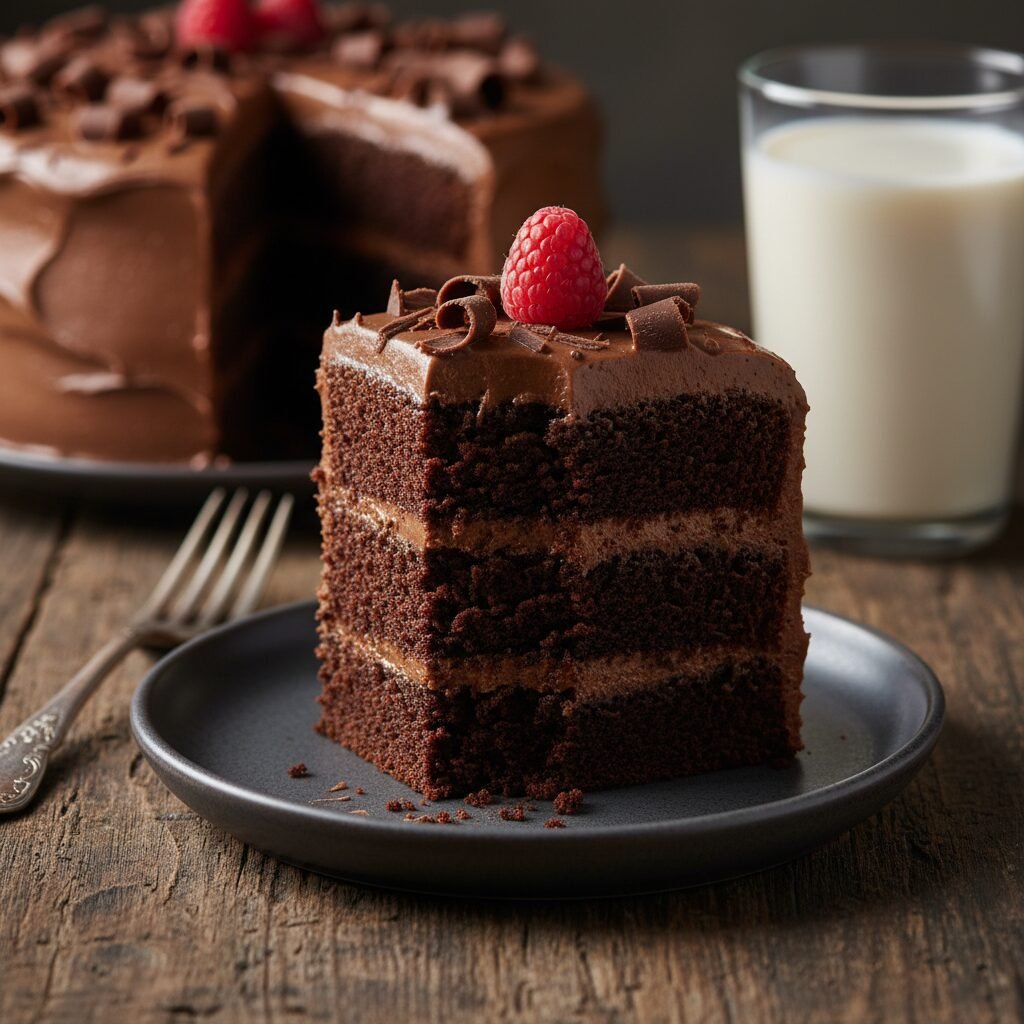
This cake is rich and decadent on its own, but it pairs beautifully with a keto-friendly buttercream frosting or a dark chocolate ganache made from sugar-free chocolate chips and heavy cream. For a simpler presentation, dust the top with a little extra powdered erythritol and serve with a dollop of unsweetened whipped cream and fresh raspberries. The tartness of the berries cuts through the richness of the chocolate perfectly. It is best served at room temperature to ensure the butter in the cake is soft.
Storage and Reheating Tips
Because this cake contains no preservatives and high moisture, it should be stored in an airtight container. It will keep at room temperature for up to 3 days. For longer storage, keep it in the refrigerator for up to a week; however, allow it to come to room temperature before eating for the best texture. You can also freeze the cake layers (unfrosted) wrapped tightly in plastic wrap and foil for up to 3 months. Thaw overnight in the refrigerator before assembling.
Nutrition Facts (Estimated)
| Serving Size | 1 slice |
| Calories | 285 |
| Fat | 24g |
| Saturated Fat | 10g |
| Unsaturated Fat | 12g |
| Trans Fat | 0g |
| Cholesterol | 85mg |
| Sodium | 210mg |
| Carbohydrates | 8g |
| Fiber | 5g |
| Sugar | 1g |
| Protein | 7g |
Frequently Asked Questions
Why does my mouth feel cool when I eat this?
This is a natural characteristic of erythritol called the ‘cooling effect.’ It occurs when the crystals dissolve on your tongue. We use powdered erythritol and high fats to minimize this, but if you are sensitive to it, try using a Monk Fruit/Erythritol blend or Allulose.
Can I use coconut flour instead of almond flour?
No, you cannot substitute them 1:1. Coconut flour absorbs 4 times as much liquid as almond flour. Substituting it here would result in a dry, hard brick. You would need a recipe specifically designed for coconut flour.
Why did my cake fall in the center?
This usually happens if the oven door was opened too early during baking, causing a temperature drop, or if the baking powder is expired. It can also happen if the batter was over-mixed, incorporating too much air that collapses.
Is this cake safe for diabetics?
generally, yes. Erythritol has a glycemic index of zero and does not spike blood sugar. However, everyone’s body is different, so it is always best to test your blood sugar if you are unsure.
Can I make this into cupcakes?
Absolutely. This batter makes about 12-15 standard cupcakes. Bake them at the same temperature for 18-22 minutes.
What brand of cocoa powder is best?
For this recipe, Dutch-processed cocoa (like Rodelle or Droste) is best because it has lower acidity and a darker color. Natural cocoa powder may react differently with the baking soda and result in a lighter, drier cake.
My batter is very runny, is that wrong?
Not at all! The addition of boiling water makes the batter very thin compared to standard cake mixes. This is intentional and ensures a moist final product.
Can I use Stevia?
Pure Stevia is much sweeter than sugar and lacks the bulk/volume that erythritol provides. You cannot swap them directly. You would need a baking blend that measures 1:1 with sugar.
Conclusion
There you have it—the definitive guide to making a Moist Keto Chocolate Cake with Erythritol that actually tastes like the real deal. Baking without sugar and gluten can feel like a science experiment, but with this reliable formula, you can hang up your lab coat and put on your apron with confidence. This cake proves that you don’t have to compromise on flavor or texture to maintain your health goals. Whether you are a seasoned keto veteran or just trying to cut back on sugar, this chocolate cake is bound to impress. Enjoy the process, savor the aroma filling your kitchen, and most importantly, enjoy every guilt-free bite!