The Ultimate Moist Keto Carrot Cake With Stevia | Sugar-Free & Gluten-Free
Moist Keto Carrot Cake With Stevia Recipe
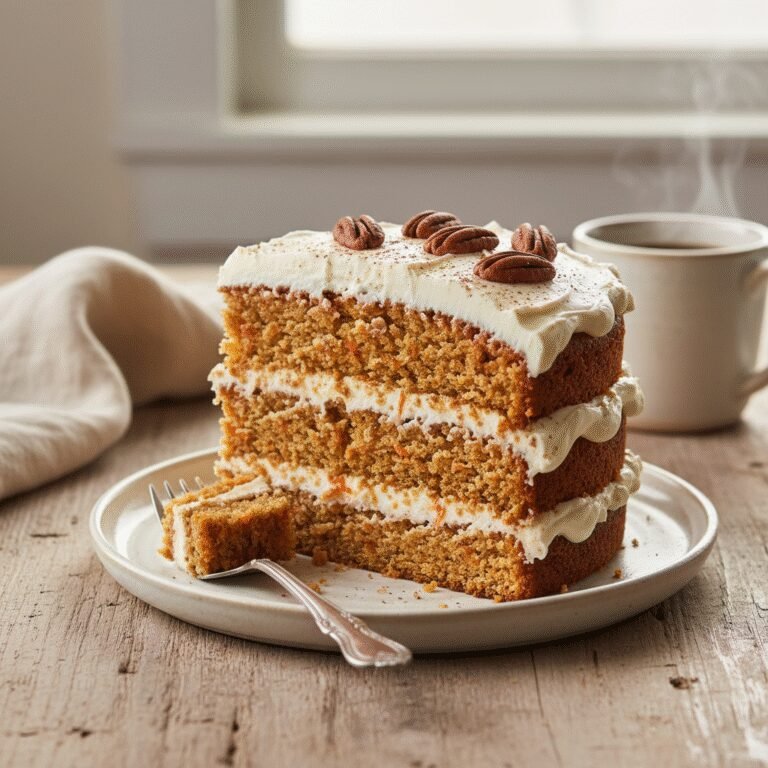
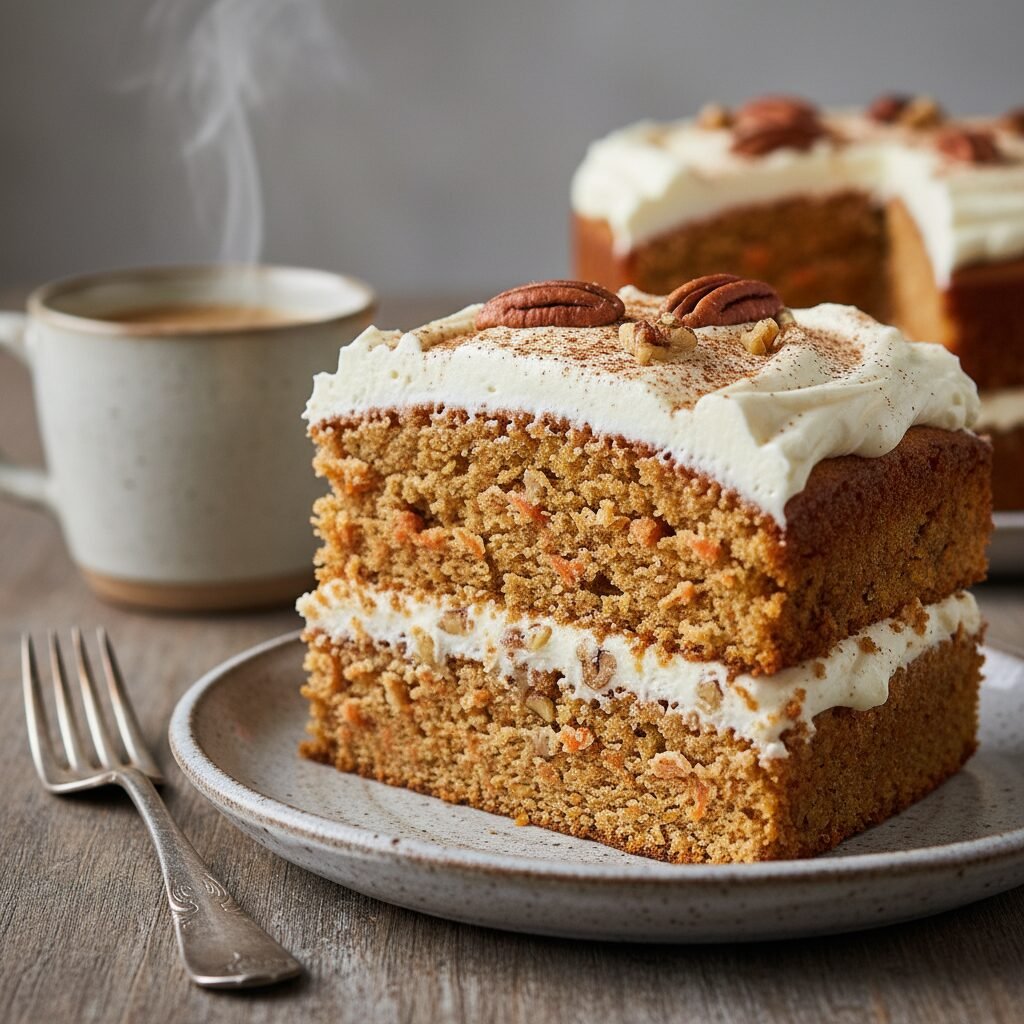
Indulge in the comforting warmth of classic carrot cake without the sugar crash! This ultra-moist Keto Carrot Cake uses Stevia and almond flour to create a tender crumb, topped with a luscious sugar-free cream cheese frosting. It is the perfect guilt-free dessert for holidays or weekend treats.
20 minutes
35 minutes
55 minutes
12 servings
Dessert
Baking
American
Gluten-Free
If there is one dessert that universally screams ‘comfort,’ it is undoubtedly carrot cake. The rich, spiced sponge, the crunch of walnuts, and the tangy sweetness of cream cheese frosting create a symphony of flavors that feels like a warm hug. However, for those of us living a ketogenic or low-carb lifestyle, carrot cake is often viewed as a forbidden fruit—loaded with white sugar, wheat flour, and high-carb raisins. Many attempts to ‘keto-fy’ this classic result in dry, dense, or eggy bricks that barely resemble the real thing. But fear not, because this Moist Keto Carrot Cake with Stevia recipe is here to change the narrative completely.
After months of testing different flour ratios and sweetener blends, I have finally cracked the code to a low-carb cake that retains that signature moistness we all crave. The secret lies in balancing almond flour with just the right amount of coconut flour to mimic the texture of wheat, while using high-quality Stevia to provide sweetness without the bitter aftertaste often associated with sugar alternatives. We rely on the natural moisture of the carrots and a generous amount of healthy fats to ensure every bite melts in your mouth.
This cake isn’t just a ‘good for keto’ substitute; it is a genuinely delicious dessert that stands on its own. Whether you are serving this at a birthday party, Easter brunch, or just enjoying a slice with your morning bulletproof coffee, no one will guess it is sugar-free and gluten-free. Get ready to fill your kitchen with the intoxicating aroma of cinnamon, nutmeg, and vanilla, and prepare to fall in love with baking all over again.
History & Origins
The history of using carrots in desserts is a fascinating journey that dates back much further than the 1960s craze we often associate with carrot cake. Historians trace the origins of carrot-based sweets back to the Middle Ages in Europe. During this period, sweeteners like sugar and honey were incredibly expensive and difficult to come by for the average person. Carrots, which contain more natural sugar than almost any other vegetable (second only to sugar beets), became a logical and accessible substitute for puddings and sweetmeats. These early iterations were more akin to a steamed pudding than the fluffy cakes we know today.
The concept of the carrot cake saw a significant resurgence during World War II in the United Kingdom. With strict rationing on sugar, the government promoted recipes using carrots to sweeten cakes and biscuits, ensuring families could still enjoy treats during hard times. However, the modern carrot cake—complete with its iconic cream cheese frosting—really found its footing in the United States during the 1960s and 1970s. It was often marketed as a ‘health food’ simply because it contained a vegetable, despite being laden with oil and sugar.
As dietary awareness evolved, so did the recipe. The low-carb and keto movements of the 21st century presented a new challenge: how to honor this centuries-old tradition while removing the very ingredients that defined it (flour and sugar). This specific recipe represents the modern evolution of that history, utilizing advanced knowledge of alternative baking chemistry. By swapping wheat for nut flours and sugar for plant-based Stevia, we are continuing a lineage of adaptation, proving that this resilient dessert can survive and thrive through any culinary era.
Why This Recipe Works
Baking with Stevia and nut flours presents a unique set of chemical challenges that this recipe specifically addresses to ensure success. First, the moisture issue: Sugar is hygroscopic, meaning it attracts and holds water. When you remove sugar and replace it with Stevia (which does not hold moisture), cakes often turn out dry. To combat this, this recipe utilizes a specific blend of almond flour and coconut flour. Almond flour provides the bulk and healthy fats for a tender crumb, while the coconut flour is highly absorbent, holding onto the liquid ingredients (eggs and melted butter) to lock moisture inside the cake structure.
Secondly, we address the flavor profile. Stevia can sometimes have a metallic or bitter aftertaste if used in isolation or in excess. This recipe mitigates that by using a ‘bloomed’ spice blend. By mixing the cinnamon, nutmeg, and ginger with the wet ingredients rather than just the dry, the flavor compounds in the spices are amplified, effectively masking any potential cooling sensation from the sweetener. Additionally, the inclusion of finely grated carrots—rather than large shreds—ensures they cook through completely, releasing their natural pectin and moisture into the batter, further contributing to a soft, dense, and authentic texture that rivals any traditional bakery cake.
Why You’ll Love This Recipe
- ✓Only 4g net carbs per slice
- ✓Uses Stevia for a zero-glycemic impact
- ✓Incredibly moist texture unlike typical dry keto cakes
- ✓Rich, authentic spice blend of cinnamon and nutmeg
- ✓Topped with a silky, sugar-free cream cheese frosting
- ✓Gluten-free and grain-free
Equipment You’ll Need
- ✓Two 8-inch round cake pans
- ✓Large mixing bowl
- ✓Electric hand mixer or stand mixer
- ✓Rubber spatula
- ✓Box grater or food processor
- ✓Parchment paper
- ✓Wire cooling rack
- ✓Measuring cups and spoons
Ingredients
- ✓2 1/2 cups superfine almond flour
- ✓1/4 cup coconut flour
- ✓1 tbsp baking powder
- ✓2 tsp ground cinnamon
- ✓1/2 tsp ground nutmeg
- ✓1/4 tsp ground ginger
- ✓1/2 tsp salt
- ✓1/2 cup unsalted butter, melted and cooled
- ✓1/3 cup granulated Stevia blend (erythritol/stevia mix recommended for bulk)
- ✓4 large eggs, room temperature
- ✓1 tsp vanilla extract
- ✓1/2 cup almond milk, unsweetened
- ✓1 1/2 cups grated carrots (approx. 3 medium carrots)
- ✓1/2 cup chopped pecans or walnuts
- ✓8 oz cream cheese, softened (Frosting)
- ✓4 tbsp unsalted butter, softened (Frosting)
- ✓1/2 cup powdered Stevia sweetener (Frosting)
- ✓1 tsp vanilla extract (Frosting)
- ✓1 tbsp heavy cream (Frosting, optional for thinning)
Instructions
- Preheat your oven to 350°F (175°C). Grease two 8-inch round cake pans with butter or cooking spray and line the bottoms with parchment paper rounds.
- In a medium bowl, whisk together the almond flour, coconut flour, baking powder, cinnamon, nutmeg, ginger, and salt until well combined and lump-free.
- In a large mixing bowl, use an electric mixer to beat the eggs, melted butter, granulated Stevia, vanilla extract, and almond milk until smooth and frothy (about 2 minutes).
- Gradually add the dry ingredient mixture to the wet ingredients, mixing on low speed until a thick batter forms. Do not overmix.
- Using a rubber spatula, gently fold in the grated carrots and chopped nuts until evenly distributed throughout the batter.
- Divide the batter evenly between the two prepared cake pans, smoothing the tops with the spatula.
- Bake for 30-35 minutes, or until the edges are golden brown and a toothpick inserted into the center comes out clean or with just a few moist crumbs.
- Remove from the oven and let the cakes cool in the pans for 10 minutes. Then, carefully turn them out onto a wire rack to cool completely before frosting.
- While the cakes cool, prepare the frosting. In a medium bowl, beat the softened cream cheese and butter together until pale and fluffy.
- Add the powdered Stevia and vanilla extract. Beat on low speed initially, then increase to high until the frosting is smooth and creamy. Add heavy cream one teaspoon at a time if needed to reach desired spreadability.
- Once the cakes are completely cool, place one layer on a serving plate. Spread a layer of frosting over the top. Place the second cake layer on top and frost the top and sides of the entire cake.
- Garnish with extra chopped nuts or a sprinkle of cinnamon if desired. Slice and serve.
Expert Cooking Tips
- ✓Ensure all dairy and eggs are at room temperature before starting to prevent the batter from curdling.
- ✓Finely grate the carrots rather than using thick shreds; this helps them cook through and keeps the cake moist.
- ✓Do not pack the almond flour when measuring; spoon it into the cup and level it off to avoid a dense cake.
- ✓Let the cake cool completely before frosting, otherwise, the cream cheese frosting will melt and slide off.
- ✓If using pure liquid Stevia instead of a blend, check conversion charts carefully as it is much more potent.
- ✓Toast the pecans or walnuts in a dry pan for 2 minutes before adding them to the batter for enhanced flavor.
Substitutions and Variations
This recipe is quite flexible, but keto baking requires precision. If you have a nut allergy, you can substitute the almond flour with sunflower seed flour at a 1:1 ratio, though the color may turn slightly green due to the reaction with baking powder (this is harmless). The coconut flour is essential for absorption and cannot be easily swapped out. For the fat, you can use melted coconut oil instead of butter for a dairy-free cake base, but the frosting will still require cream cheese or a vegan alternative. If you dislike Stevia, monk fruit sweetener or pure erythritol are excellent 1:1 substitutes that work perfectly in this recipe. For the nuts, feel free to use pecans, walnuts, or even macadamia nuts, or omit them entirely for a nut-free version.
Common Mistakes to Avoid
The most common mistake with keto baking is over-baking. Almond flour burns faster than wheat flour, and because it lacks gluten, it doesn’t firm up the same way. If you bake it until it feels ‘firm’ like a traditional cake, it will be dry. Remove it when a tester comes out mostly clean. Another mistake is not letting the cake cool fully. Keto cakes are very fragile when warm; trying to remove them from the pan too early will result in them crumbling apart. Finally, using pre-shredded bagged carrots is a mistake—they are often dry and hard. Always grate fresh carrots for the necessary moisture content.
Serving Suggestions
This cake is rich and satisfying, so small slices go a long way. It pairs beautifully with a hot cup of black coffee, an unsweetened almond milk latte, or a cup of herbal tea. For a fancy presentation, garnish the top with whole toasted pecans or a light dusting of cinnamon. If you are serving this for a special occasion, you can pipe rosettes of frosting around the edges. It serves well as a dessert after a savory keto meal like roast chicken or steak, providing a sweet finish without the heavy carb load.
Storage and Reheating Tips
Because of the cream cheese frosting and the moisture content of the carrots, this cake must be stored in the refrigerator. Place it in an airtight cake carrier or wrap individual slices in plastic wrap. It will stay fresh for up to 5 days in the fridge. In fact, the flavors often meld and improve after sitting for a day. For long-term storage, this cake freezes exceptionally well. Freeze individual slices on a baking sheet until solid, then wrap them tightly in plastic wrap and foil. They can be frozen for up to 3 months. Thaw overnight in the refrigerator before eating.
Nutrition Facts (Estimated)
| Serving Size | 1 slice |
| Calories | 320 |
| Fat | 28g |
| Saturated Fat | 10g |
| Unsaturated Fat | 16g |
| Trans Fat | 0g |
| Cholesterol | 85mg |
| Sodium | 180mg |
| Carbohydrates | 7g |
| Fiber | 3g |
| Sugar | 2g |
| Protein | 8g |
Frequently Asked Questions
Can I use liquid Stevia instead of granulated?
Yes, but the volume of the batter will change. If using liquid, add 1/4 cup extra almond flour to compensate for the lost bulk of the granulated sweetener.
Why is my cake green?
If you substituted sunflower seed flour for almond flour, the chlorophyll reacts with the baking powder, turning the cake green. It is safe to eat!
Is carrots keto-friendly?
Yes, in moderation. While carrots are higher in carbs than leafy greens, the amount used in this cake distributed over 12 servings results in a very low net carb count per slice.
Can I make this as cupcakes?
Absolutely! This batter will make about 12-15 cupcakes. Reduce the baking time to 18-22 minutes.
My frosting is too runny, what do I do?
Refrigerate the frosting for 20 minutes to firm up the butter and cream cheese. If it’s still too loose, add a tablespoon of coconut flour or more powdered sweetener.
Do I have to use xanthan gum?
This recipe does not require xanthan gum because the eggs and coconut flour provide enough structure, but adding 1/2 tsp can help if you want a chewier texture.
Can I use store-bought frosting?
Most store-bought frostings are full of sugar. Look for specific ‘keto’ or ‘sugar-free’ brands, but homemade is always better and cheaper.
Does this cake taste like coconut?
No, the small amount of coconut flour is masked by the strong spices (cinnamon, nutmeg) and the vanilla extract.
How do I grate the carrots effectively?
Use the finest setting on your box grater or the fine shredding disc on a food processor. You want thin wisps, not thick chunks.
Conclusion
There you have it—a Moist Keto Carrot Cake with Stevia that defies the odds of low-carb baking. It is tender, aromatic, and topped with that irresistible tangy cream cheese frosting we all know and love. Whether you are a seasoned keto veteran or just looking to reduce your sugar intake without sacrificing flavor, this recipe is a winner. It proves that healthy eating doesn’t mean a life without dessert. So, preheat that oven, grate those carrots, and get ready to enjoy a slice of pure, guilt-free happiness. Don’t forget to tag us in your photos on Pinterest and Instagram; we love seeing your beautiful creations!