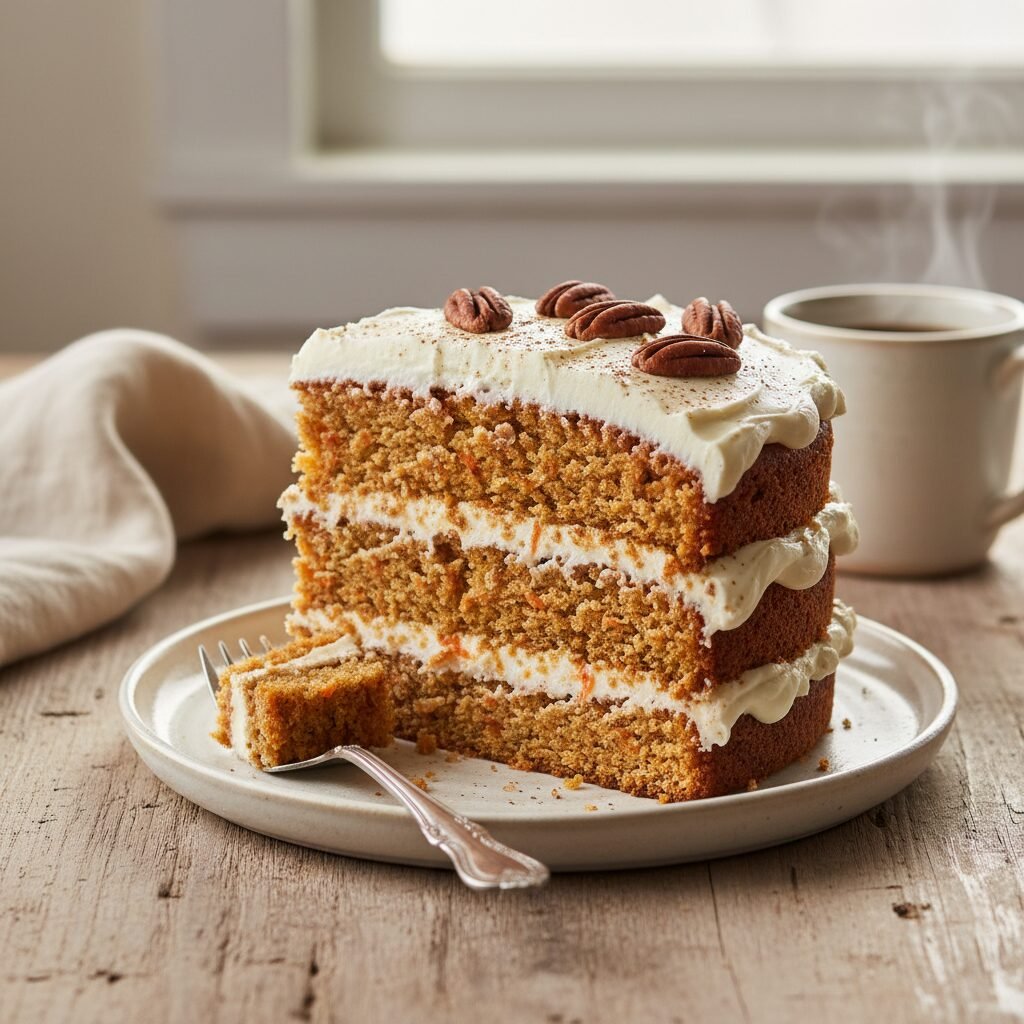
The Ultimate Moist Keto Carrot Cake with Erythritol
Moist Keto Carrot Cake With Erythritol Recipe
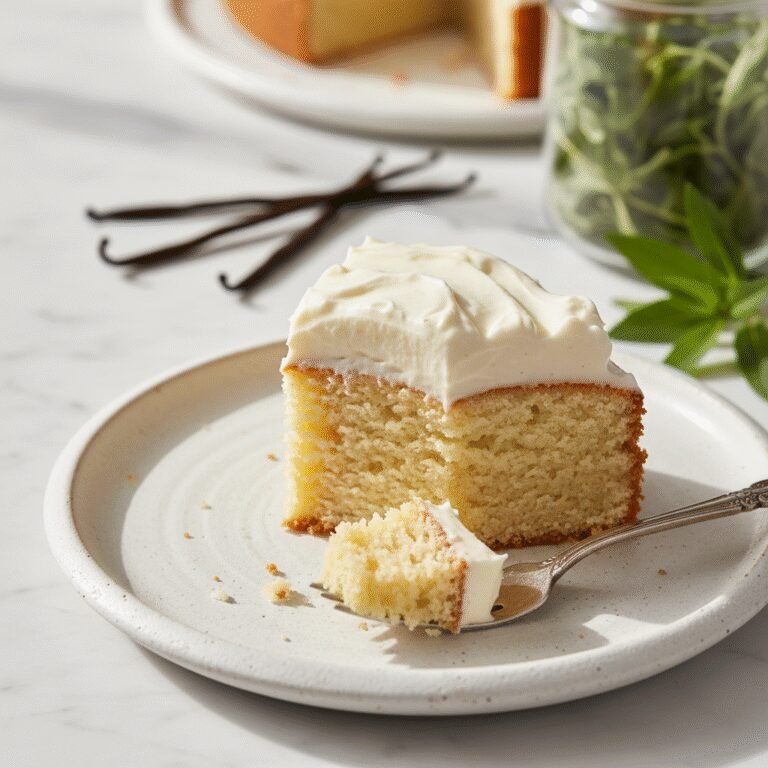
Indulge in this incredibly moist, spice-infused Keto Carrot Cake that rivals any traditional bakery version. Sweetened with erythritol and topped with a luscious, sugar-free cream cheese frosting, this low-carb dessert delivers all the comfort without the blood sugar spike.
20 minutes
35 minutes
55 minutes
12 servings
Dessert
Baking
American
Gluten-Free
There is something undeniably nostalgic about carrot cake. It is the quintessential comfort dessert, bridging the gap between a spice cake and a decadent creamy treat. For those on a ketogenic diet, giving up such a classic can feel like a major sacrifice. However, this Moist Keto Carrot Cake with Erythritol changes the narrative entirely. Often, low-carb baking suffers from a reputation of being dry, crumbly, or having a distinct ‘cooling’ aftertaste from sweeteners. This recipe has been meticulously tested to overcome those hurdles, resulting in a crumb so tender and a flavor profile so deep, your non-keto friends won’t believe it’s sugar-free. The secret lies in the careful balance of almond flour for healthy fats and moisture, combined with just enough coconut flour to provide structure without density. We utilize erythritol, a natural sugar alcohol, to provide the sweetness. When used correctly and paired with warming spices like cinnamon, nutmeg, and ginger, erythritol mimics sugar beautifully without the calories or insulin response. This cake is not just a vehicle for frosting; it is a standalone masterpiece of flavor. The carrots bring natural moisture and texture, while the toasted pecans add a delightful crunch. Whether you are celebrating a birthday, preparing for Easter brunch, or simply satisfying a Tuesday night craving, this cake proves that living a low-carb lifestyle does not mean saying goodbye to the desserts you love. Get ready to fill your kitchen with the aroma of autumn spices and freshly baked goodness.
History & Origins
The history of carrot cake is as rich and layered as the dessert itself, tracing its lineage back much further than the 1970s health food craze that popularized it in America. Food historians generally agree that carrot cake evolved from ‘carrot puddings’ eaten by Europeans in the Middle Ages. During this era, sugar and other sweeteners were rare and prohibitively expensive for the common person. Carrots, which contain more natural sugar than almost any other vegetable (second only to sugar beets), were used as a viable substitute to sweeten desserts. These early iterations were steamed or boiled, similar to a plum pudding, rather than baked. The transition from pudding to cake began to take shape in the 19th century, but it wasn’t until World War II that the concept truly gained traction. In the United Kingdom, rationing of sugar prompted the government to disseminate recipes using carrots as a sweetener, cementing the vegetable’s place in baking. By the 1960s and 70s in the United States, carrot cake saw a massive resurgence, ironically marketed as a ‘health food’ due to the presence of a vegetable, despite being laden with oil and sugar. It was during this time that the now-inseparable cream cheese frosting became the standard pairing. Today, the evolution continues with the ketogenic movement. Modern food science allows us to strip away the high-glycemic wheat flour and refined sugar, returning to the roots of using ingredients that fuel the body, while adapting the method to suit a low-carb metabolic state. This keto version honors that centuries-old tradition of innovation in the face of dietary restriction.
Why This Recipe Works
This recipe succeeds where many other low-carb cakes fail due to the specific chemistry of the ingredients used. First, the combination of superfine blanched almond flour and coconut flour is critical. Almond flour is high in fat, which replaces the butter or oil usually found in the batter of wheat-based cakes, ensuring the crumb remains moist rather than drying out. However, almond flour alone can be too dense and oily. The addition of a small amount of coconut flour acts as a desiccant, absorbing excess moisture and giving the cake a lighter, fluffier lift that mimics all-purpose flour. Secondly, the use of erythritol requires a specific technique. Because erythritol does not caramelize or hold moisture exactly like sucrose, we rely on the water content from the grated carrots and the eggs to dissolve the sweetener properly, preventing a gritty texture. We also use a ‘powdered’ version of erythritol for the frosting to ensure absolute smoothness. Furthermore, the inclusion of xanthan gum—even a tiny amount—mimics the gluten strands that would essentially hold a wheat cake together, preventing this gluten-free version from crumbling when sliced. Finally, the resting period is essential; keto flours absorb liquid more slowly than wheat flour. By allowing the batter to sit briefly and the cake to cool completely, the structure sets perfectly, resulting in a slice that holds its shape and delivers a luxurious mouthfeel.
Why You’ll Love This Recipe
- ✓Only 4g Net Carbs per slice
- ✓Sugar-free and diabetic-friendly
- ✓Incredibly moist texture using almond and coconut flour blend
- ✓Rich, authentic cream cheese frosting
- ✓High in healthy fats and fiber
- ✓Freeze-friendly for meal prep
Equipment You’ll Need
- ✓Two 8-inch round cake pans
- ✓Large mixing bowl
- ✓Medium mixing bowl
- ✓Electric hand mixer or stand mixer
- ✓Box grater or food processor
- ✓Rubber spatula
- ✓Parchment paper
- ✓Wire cooling rack
Ingredients
- ✓2 1/2 cups superfine blanched almond flour
- ✓1/4 cup coconut flour
- ✓1 1/4 cups granular erythritol
- ✓2 teaspoons baking powder
- ✓1 teaspoon baking soda
- ✓1/2 teaspoon xanthan gum
- ✓2 teaspoons ground cinnamon
- ✓1/2 teaspoon ground nutmeg
- ✓1/2 teaspoon ground ginger
- ✓1/2 teaspoon salt
- ✓4 large eggs, room temperature
- ✓1/2 cup unsalted butter, melted and cooled
- ✓1/3 cup unsweetened almond milk
- ✓1 teaspoon vanilla extract
- ✓2 cups finely grated carrots (about 3-4 medium carrots)
- ✓3/4 cup chopped pecans or walnuts
- ✓8 oz cream cheese, softened (Frosting)
- ✓1/2 cup unsalted butter, softened (Frosting)
- ✓3/4 cup powdered erythritol sweetener (Frosting)
- ✓1 teaspoon vanilla extract (Frosting)
- ✓1 tablespoon heavy whipping cream (Frosting)
Instructions
- Preheat your oven to 350°F (175°C). Grease two 8-inch round cake pans and line the bottoms with parchment paper to prevent sticking.
- In a medium mixing bowl, whisk together the almond flour, coconut flour, baking powder, baking soda, xanthan gum, cinnamon, nutmeg, ginger, and salt. Ensure there are no lumps.
- In a large bowl, beat the eggs, granular erythritol, melted butter, almond milk, and vanilla extract using an electric mixer on medium speed until well combined and slightly frothy (about 2 minutes).
- Gradually add the dry ingredients to the wet ingredients, mixing on low speed until just combined. Do not overmix.
- Fold in the grated carrots and chopped pecans using a rubber spatula until evenly distributed throughout the batter.
- Divide the batter evenly between the two prepared cake pans. Smooth the tops with the spatula.
- Bake for 30-35 minutes, or until a toothpick inserted into the center comes out clean and the tops are golden brown. If the tops are browning too quickly, cover loosely with aluminum foil halfway through.
- Remove from the oven and let the cakes cool in the pans for 10 minutes. Then, carefully turn them out onto a wire rack to cool completely. The cakes must be completely cold before frosting.
- To make the frosting: In a large bowl, beat the softened cream cheese and butter together until smooth and creamy.
- Add the powdered erythritol, vanilla extract, and heavy cream. Beat on low speed to incorporate, then increase to high speed and whip for 2-3 minutes until fluffy.
- Once the cakes are cool, place one layer on a serving plate. Spread a layer of frosting over the top. Place the second cake layer on top and frost the top and sides with the remaining frosting.
- Garnish with extra chopped pecans if desired. Refrigerate for at least 30 minutes before slicing to allow the frosting to set.
Expert Cooking Tips
- ✓Grate the carrots finely. Large chunks of carrot will not cook down sufficiently and can cause the cake to crumble.
- ✓Ensure all refrigerated ingredients (eggs, cream cheese, butter) are at room temperature before starting. This prevents the batter from separating.
- ✓Don’t skip the parchment paper. Keto cakes are more fragile than wheat cakes, and parchment ensures a clean release from the pan.
- ✓If you don’t have powdered erythritol for the frosting, you can blend granular erythritol in a high-speed blender until it becomes a fine powder.
- ✓Let the cake cool completely. We cannot stress this enough; frosting a warm keto cake will result in a melted, sliding mess.
- ✓Toast your pecans before adding them to the batter for a deeper, nuttier flavor profile.
- ✓Weigh your almond flour if possible. Packing it into the cup can lead to a dry cake; 2.5 cups should weigh approximately 280g.
Substitutions and Variations
This recipe is quite flexible within the bounds of keto baking. If you have a nut allergy, you can substitute the almond flour with sunflower seed flour at a 1:1 ratio, though the color may turn slightly green due to a reaction with baking soda (this is harmless). For a dairy-free version, substitute the butter in the cake with melted coconut oil and use a vegan cream cheese alternative and palm shortening for the frosting. If you prefer a different sweetener, Monk Fruit blends work exceptionally well; just be sure to check the conversion ratio on the package, as some are sweeter than erythritol. Walnuts can be used interchangeably with pecans, or omitted entirely for a nut-free texture. For a ‘spiced’ variation, you can add a pinch of ground cloves or allspice.
Common Mistakes to Avoid
The most common mistake with keto baking is expecting the batter to behave exactly like wheat batter. It will be thicker and stickier. Another frequent error is over-baking. Almond flour burns faster than wheat flour, so keep an eye on the oven. If you pull the cake out too late, it will be dry. Also, using ‘matchstick’ carrots bought pre-shredded from the store is a mistake; they are too thick, dry, and crunchy. You must grate fresh carrots yourself for the necessary moisture content. Finally, attempting to frost the cake while it is even slightly warm will cause the heavy cream cheese frosting to slide right off.
Serving Suggestions
This cake is rich and decadent, so it pairs beautifully with a hot cup of black coffee or an unsweetened Earl Grey tea to cut through the creaminess. For a festive touch, serve it with a side of keto-friendly whipped cream and a dusting of cinnamon. It is perfect for Easter brunch, Thanksgiving dessert, or birthday celebrations. Because it is quite filling due to the fiber and fat content, smaller slices are usually sufficient.
Storage and Reheating Tips
Because of the cream cheese frosting and the moisture content of the carrots, this cake must be stored in the refrigerator. Place it in an airtight cake carrier or cover loosely with plastic wrap (once the frosting is set). It will stay fresh for up to 5 days. In fact, many find it tastes better on day two as the spices meld. For long-term storage, slice the cake and wrap individual slices tightly in plastic wrap, then place them in a freezer bag. They can be frozen for up to 3 months. Thaw overnight in the fridge before eating.
Nutrition Facts (Estimated)
| Serving Size | 1 slice |
| Calories | 345 |
| Fat | 31g |
| Saturated Fat | 10g |
| Unsaturated Fat | 18g |
| Trans Fat | 0g |
| Cholesterol | 85mg |
| Sodium | 210mg |
| Carbohydrates | 8g |
| Fiber | 4g |
| Sugar | 2g |
| Protein | 8g |
Frequently Asked Questions
Are carrots actually keto-friendly?
Yes, in moderation. While carrots are a root vegetable and have more carbs than leafy greens, the amount used in this cake is spread across 12 servings, resulting in a very low net carb count per slice.
Can I use stevia instead of erythritol?
You can, but liquid stevia won’t provide the bulk needed for the batter’s structure. If using a stevia baking blend, check the conversion chart. Pure stevia can also have a bitter aftertaste, which erythritol minimizes.
Why did my cake fall apart?
This usually happens for two reasons: either the cake was removed from the pan while still warm, or the xanthan gum was omitted. Xanthan gum acts as the binder in the absence of gluten.
Can I make this as cupcakes instead?
Absolutely. This recipe will make approximately 18-24 cupcakes. Reduce the baking time to 20-25 minutes and check for doneness.
Does this cake have a cooling effect?
Erythritol can have a cooling sensation. To minimize this, we use a blend of spices and fats which mask the effect. Using a Monk Fruit/Erythritol blend also helps reduce this sensation significantly.
My frosting is grainy, what happened?
This happens if you use granular sweetener instead of powdered. You must use powdered sweetener for a smooth frosting. If you only have granular, blitz it in a blender first.
Can I leave the coconut flour out?
No, the coconut flour is necessary to absorb the extra moisture from the carrots and eggs. Without it, the cake would be too wet and dense.
Is this cake gluten-free?
Yes, this recipe is 100% gluten-free as it uses almond and coconut flours.
Conclusion
Baking on a ketogenic diet doesn’t mean you have to lower your standards for flavor or texture. This Moist Keto Carrot Cake with Erythritol is proof that with the right ingredients and techniques, you can create a dessert that is just as satisfying as the high-sugar original. The warmth of the cinnamon and nutmeg, the crunch of the pecans, and the tang of the cream cheese frosting come together in a harmony that will delight your taste buds and keep you on track with your health goals. Whether you are a seasoned keto veteran or just starting out, this recipe is a guaranteed winner that deserves a permanent spot in your recipe box. Happy baking!