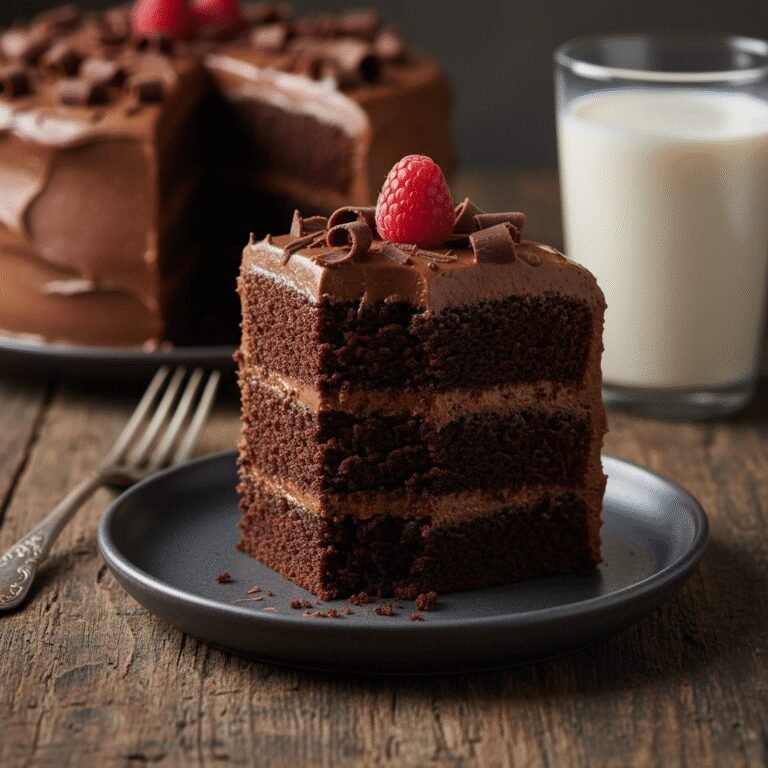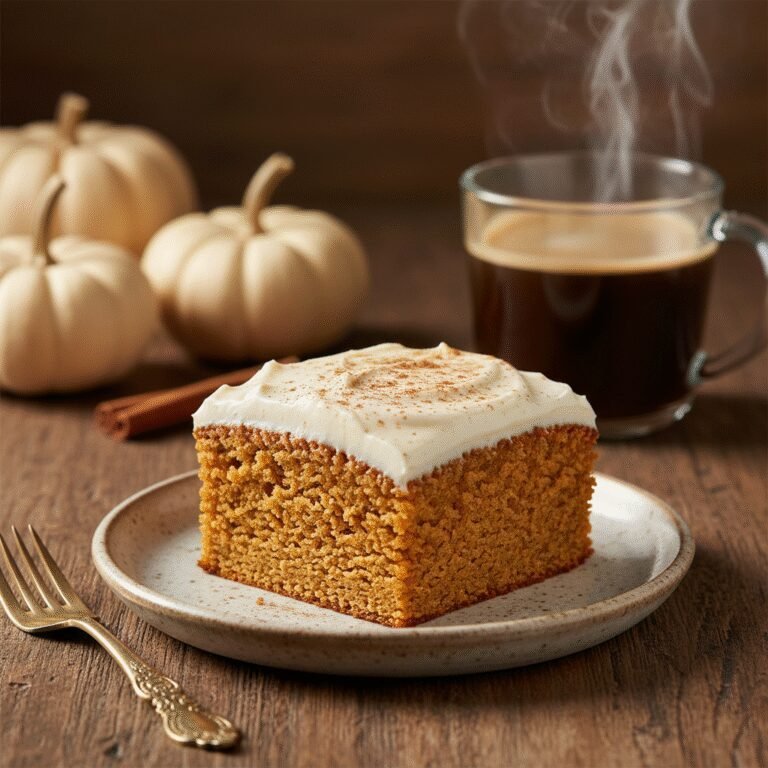
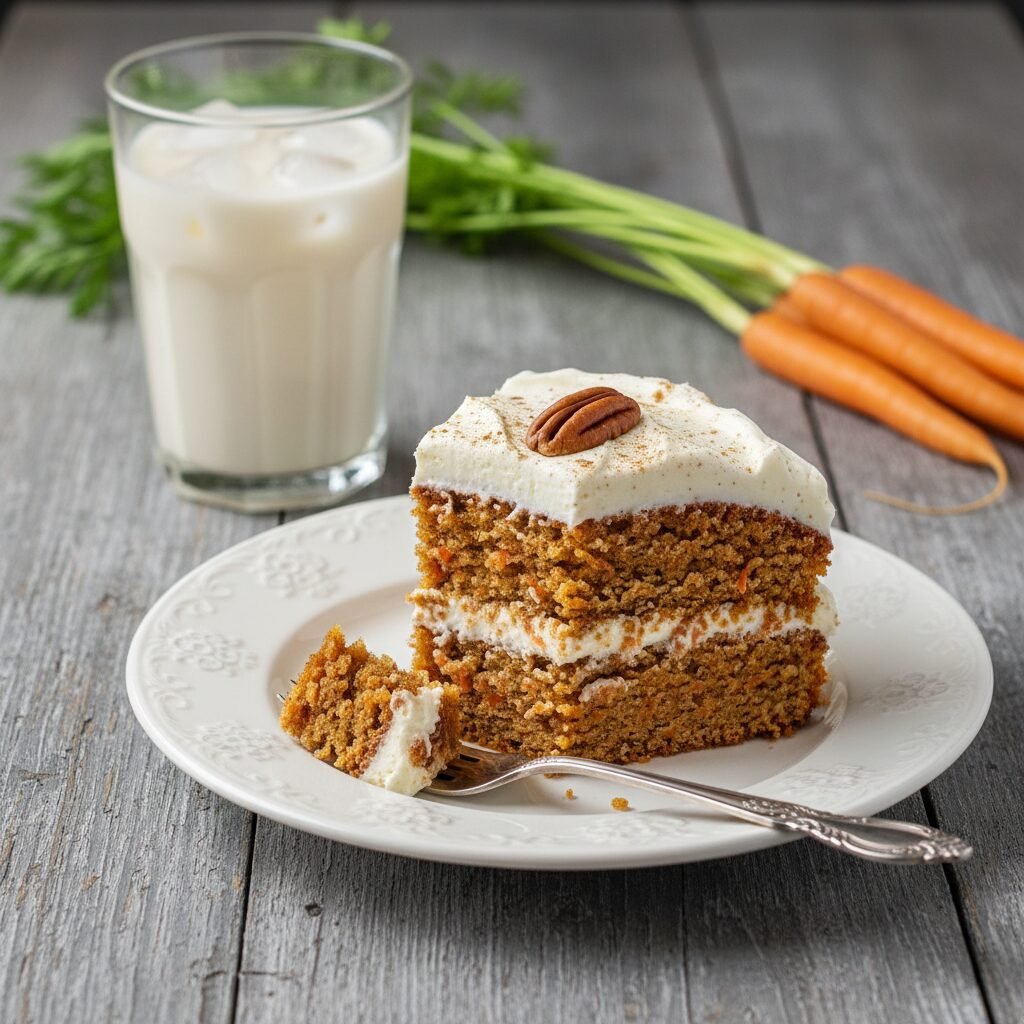
The Best Moist Keto Carrot Cake with Cream Cheese Frosting
Moist Keto Carrot Cake Recipe
This incredibly moist Keto Carrot Cake is the ultimate low-carb dessert, featuring warm spices, tender crumbs, and a luscious sugar-free cream cheese frosting. With just 4g net carbs per slice, it’s the perfect guilt-free treat for birthdays, holidays, or a cozy afternoon snack.
20 minutes
30 minutes
50 minutes
12 servings
Dessert
Baking
American
Gluten-Free
There is something undeniably comforting about a classic carrot cake. The warmth of cinnamon, the earthy sweetness of carrots, and the slight crunch of pecans all wrapped up in a tender crumb—it is the quintessential home-baked dessert. However, for those of us following a ketogenic or low-carb lifestyle, traditional carrot cake is usually strictly off-limits due to the high sugar content and wheat flour. That ends today. After months of testing, tweaking, and tasting, I am thrilled to share what I genuinely believe is the best moist Keto Carrot Cake recipe you will ever bake.
The biggest challenge with keto baking is often the texture. Almond flour can sometimes be heavy, and coconut flour can be drying. This recipe strikes the perfect balance, utilizing a specific blend of low-carb flours and healthy fats to replicate that dense, moist, and fluffy texture that defines a great carrot cake. We aren’t just making a ‘good for keto’ cake here; we are making a cake that rivals any high-carb bakery version. The spices are bold, the sweetness is perfectly calibrated to avoid that cooling aftertaste often found in sugar-free treats, and the cream cheese frosting is silky, tangy, and rich. Whether you are prepping for a birthday party where you need a dessert that satisfies everyone (keto or not) or you just want to enjoy a slice with your morning coffee without spiking your blood sugar, this recipe is your new holy grail. Get ready to fill your kitchen with the intoxicating aroma of fall spices and baked goodness.
History & Origins
The history of carrot cake is as rich and layered as the dessert itself, stretching back far longer than the modern health-food craze of the 1970s. Historians generally agree that carrot cake likely evolved from ‘carrot puddings’ eaten by Europeans in the Middle Ages. During this era, sugar and other sweeteners were rare and prohibitively expensive for the common person. Carrots, however, contain more natural sugar than almost any other vegetable (second only to sugar beets), making them an accessible and affordable way to sweeten desserts. These early iterations were more akin to a steamed pudding, often containing meat or savory elements alongside the carrots and spices.
The transition from medieval pudding to the modern cake we recognize today likely occurred in the 18th or 19th century, but it wasn’t until World War II that the concept truly gained traction. In the United Kingdom, during wartime rationing, sugar was strictly limited. The government distributed recipes using carrots as a sweetener to help housewives provide treats for their families despite the shortages. This solidified the carrot’s place in baking.
In the United States, carrot cake saw a massive resurgence in the 1960s and 1970s. It was marketed as a ‘health food’ due to the presence of a vegetable, despite being laden with sugar and oil. It was during this era that the now-inseparable cream cheese frosting became the standard topping, likely popularized by the Philadelphia Cream Cheese company’s recipe booklets. Today, we are writing the next chapter in this history: returning the carrot cake to a lower-sugar profile while maintaining the decadence that made it an American icon.
Why This Recipe Works
Baking without gluten and sugar is a science, and this recipe works because it addresses the three main pitfalls of keto baking: dryness, density, and cooling sensations from sweeteners. First, the ‘moisture factor’ is addressed by using a combination of melted butter and almond milk, but the real secret is the ratio of almond flour to coconut flour. Almond flour provides the bulk and high-fat content which yields a tender crumb, while a small amount of coconut flour is highly absorbent, holding the moisture in the cake so it doesn’t seep out or become greasy.
Secondly, structure is crucial. Without gluten, cakes can easily crumble. We use xanthan gum, which acts as a binder, mimicking the elasticity of gluten to keep the cake distinct and sliceable rather than a pile of crumbs. Additionally, the eggs are used at room temperature to emulsify properly with the butter, trapping air and creating lift.
Finally, the flavor profile is carefully constructed. We use a ‘brown’ sugar alternative (usually erythritol with molasses or a monk fruit blend) which adds a depth of flavor and moisture that white granulated sweeteners lack. The heavy dose of cinnamon, nutmeg, and ginger doesn’t just taste good; the spices mask the cooling effect sometimes associated with sugar alcohols. The result is a cake that tastes authentic, holds together perfectly, and stays moist for days.
Why You’ll Love This Recipe
- ✓Only 4g Net Carbs per generous slice.
- ✓Incredibly moist texture that doesn’t crumble excessively.
- ✓Rich, authentic flavor using a blend of warm spices.
- ✓Sugar-free cream cheese frosting that pipes beautifully.
- ✓Gluten-free and grain-free, perfect for celiacs.
- ✓Freezes exceptionally well for meal prepping desserts.
Equipment You’ll Need
- ✓Two 8-inch round cake pans or one 9-inch springform pan
- ✓Large mixing bowl
- ✓Medium mixing bowl
- ✓Electric hand mixer or stand mixer
- ✓Box grater or food processor (for carrots)
- ✓Rubber spatula
- ✓Parchment paper
- ✓Wire cooling rack
Ingredients
- ✓2 1/2 cups superfine almond flour
- ✓1/4 cup coconut flour
- ✓1 cup granulated brown sugar substitute (e.g., Swerve Brown or Lakanto Gold)
- ✓2 tsp baking powder
- ✓1 tsp xanthan gum
- ✓2 tsp ground cinnamon
- ✓1/2 tsp ground nutmeg
- ✓1/2 tsp ground ginger
- ✓1/2 tsp salt
- ✓1/2 cup unsalted butter, melted and slightly cooled
- ✓4 large eggs, room temperature
- ✓1/3 cup unsweetened almond milk
- ✓1 1/2 tsp pure vanilla extract
- ✓1 1/2 cups finely grated raw carrots (approx. 3 medium carrots)
- ✓1/2 cup chopped pecans or walnuts (optional)
- ✓8 oz full-fat cream cheese, softened (Frosting)
- ✓1/2 cup unsalted butter, softened (Frosting)
- ✓1 cup powdered sweetener (e.g., powdered erythritol or allulose) (Frosting)
- ✓1 tsp vanilla extract (Frosting)
- ✓1 tbsp heavy whipping cream (Frosting, optional for texture)
Instructions
- Preheat your oven to 350°F (175°C). Grease two 8-inch round cake pans (or one 9-inch springform pan) and line the bottoms with parchment paper to ensure easy removal.
- In a medium mixing bowl, whisk together the almond flour, coconut flour, baking powder, xanthan gum, cinnamon, nutmeg, ginger, and salt. Ensure there are no lumps, especially in the almond flour.
- In a large bowl, beat the room temperature eggs, melted butter, brown sugar substitute, almond milk, and vanilla extract using an electric mixer until well combined and slightly frothy (about 2 minutes).
- Gradually add the dry ingredients into the wet ingredients. Mix on low speed until just combined. Do not overmix, but ensure the dough is uniform.
- Using a rubber spatula, gently fold in the finely grated carrots and chopped pecans. Ensure the carrots are evenly distributed throughout the batter.
- Divide the batter evenly between the prepared cake pans. Smooth the tops with your spatula.
- Bake for 25-35 minutes. The time will vary depending on your oven and pan size. The cakes are done when the tops are golden brown and a toothpick inserted into the center comes out clean or with just a few moist crumbs.
- Remove from the oven and let the cakes cool in the pans for at least 20 minutes. This is critical as keto cakes are fragile when hot. After 20 minutes, carefully invert them onto a wire rack to cool completely before frosting.
- While the cakes cool, prepare the frosting. In a large bowl, beat the softened cream cheese and softened butter together until smooth and creamy.
- Add the powdered sweetener and vanilla extract. Beat on low speed initially to incorporate the sweetener, then increase to high speed and whip for 2-3 minutes until fluffy. If the frosting is too stiff, add 1 tablespoon of heavy cream.
- Once the cakes are completely cool, frost the top of one layer, place the second layer on top, and frost the top and sides. Garnish with extra chopped pecans if desired.
Expert Cooking Tips
- ✓Grate your own carrots: Do not buy pre-shredded carrots from the store. They are often too thick, dry, and coated in starch. Use the finest setting on your box grater for the best texture.
- ✓Room temperature ingredients: Ensure your eggs, cream cheese, and butter are at room temperature. Cold ingredients can cause the batter to curdle and the frosting to be lumpy.
- ✓Don’t skip the Xanthan Gum: This ingredient is the glue that holds gluten-free baking together. Without it, your cake may crumble when you try to slice it.
- ✓Cool completely: Almond flour cakes are very soft when warm. If you try to remove them from the pan or frost them while warm, they will likely fall apart or melt the frosting.
- ✓Weigh your flour: If possible, use a kitchen scale. Packing almond flour into a cup can lead to a dry cake. If using cups, spoon the flour in and level it off.
- ✓Tent with foil: If the top of the cake is browning too quickly before the center is cooked, loosely tent the pan with aluminum foil for the last 10 minutes of baking.
Substitutions and Variations
This recipe is versatile, but substitutions must be made carefully in keto baking. **Flour:** You cannot swap almond flour for coconut flour 1:1; they have vastly different absorbency rates. If you have a nut allergy, sunflower seed flour is the closest 1:1 substitute for almond flour, though it may turn green due to a reaction with baking powder (this is harmless but visually odd). **Sweetener:** You can use any granulated sweetener that measures 1:1 with sugar. Allulose is great for a soft texture, while Erythritol provides a bit more structure. For the ‘brown’ sugar, if you don’t have a brown substitute, add 1 tsp of molasses or maple extract to white granular sweetener. **Dairy-Free:** To make this dairy-free, substitute the butter in the cake with melted coconut oil. For the frosting, use a high-quality vegan cream cheese and vegan butter stick alternative. **Nuts:** Pecans are traditional, but walnuts are excellent. If you want to avoid nuts for texture preference, you can simply omit them or swap for toasted pumpkin seeds.
Common Mistakes to Avoid
The most common mistake is using pre-shredded carrots. These are convenient but are usually too thick and dry, leading to a cake with crunchy vegetable bits rather than a cohesive crumb. Another major error is cutting the cake too soon. Keto baking relies on the fats solidifying slightly as they cool to hold the structure; cutting a warm cake will result in a crumbling mess. Regarding the frosting, using cold cream cheese or butter will result in lumps that are impossible to whip out. Finally, be careful not to over-bake. Almond flour burns faster than wheat flour. Check your cake at the 25-minute mark; it should feel firm to the touch but spring back slightly.
Serving Suggestions
This cake is rich, so thin slices go a long way. It pairs beautifully with a hot cup of black coffee or an unsweetened almond milk latte, as the bitterness of the coffee cuts through the richness of the cream cheese frosting. For a dessert presentation, serve chilled or at room temperature. If you want to get fancy, garnish the top with toasted coconut flakes, a dusting of cinnamon, or even some edible flowers for a spring brunch. It’s also fantastic served alongside a scoop of keto vanilla ice cream.
Storage and Reheating Tips
Because of the cream cheese frosting and the moisture content of the carrots, this cake should be stored in the refrigerator. It will stay fresh in an airtight container for up to 5-7 days. In fact, many find it tastes better the next day as the flavors meld. For long-term storage, this cake freezes beautifully. You can freeze individual slices wrapped tightly in plastic wrap and then foil, or freeze the entire unfrosted cake layers. Thaw frozen cake in the refrigerator overnight before serving. If freezing frosted slices, place them on a baking sheet in the freezer for an hour to harden the frosting before wrapping.
Nutrition Facts (Estimated)
| Serving Size | 1 slice |
| Calories | 365 |
| Fat | 34g |
| Saturated Fat | 14g |
| Unsaturated Fat | 18g |
| Trans Fat | 0g |
| Cholesterol | 85mg |
| Sodium | 210mg |
| Carbohydrates | 7g |
| Fiber | 3g |
| Sugar | 2g |
| Protein | 8g |
Frequently Asked Questions
Are carrots actually keto-friendly?
Yes, in moderation. While carrots are a root vegetable and have more carbs than leafy greens, the amount used in this cake is spread across 12 servings. The fiber content helps lower the net carbs, making it perfectly suitable for a ketogenic diet.
Can I make this into cupcakes instead?
Absolutely! This batter makes excellent cupcakes. Line a muffin tin with parchment liners and bake for 18-22 minutes. It should yield about 12-15 cupcakes.
Why did my cake fall apart?
This usually happens for two reasons: either the cake was removed from the pan while still warm, or xanthan gum was omitted. Ensure the cake is fully cooled and the ingredients were measured correctly.
Can I use liquid stevia instead of granulated sweetener?
It is not recommended. Granulated sweeteners provide bulk and structure to the cake that liquid drops cannot replicate. The cake would end up very dense and significantly smaller in volume.
Does this cake taste like coconut?
No. Even though we use a small amount of coconut flour, the spices (cinnamon, nutmeg, ginger) and the vanilla extract overpower any subtle coconut flavor. It tastes like a traditional spice cake.
My frosting is runny, how do I fix it?
Runny frosting usually means the cream cheese or butter was melted rather than softened, or the kitchen is too hot. Try refrigerating the frosting bowl for 20 minutes and then whipping it again. Adding a bit more powdered sweetener can also help stiffen it.
What is the best brand of almond flour to use?
Look for ‘Superfine’ blanched almond flour (like Bob’s Red Mill or Costco’s Kirkland brand). Do not use almond meal, which contains the skins and is too coarse, resulting in a gritty cake.
Can I leave the cake out on the counter?
For a few hours during a party, yes. However, because of the fresh carrots and cream cheese frosting, it should not be left out at room temperature for more than 4 hours to prevent spoilage.
Conclusion
There you have it—the ultimate guide to making a Moist Keto Carrot Cake that doesn’t compromise on flavor or texture. This recipe proves that living a low-carb lifestyle doesn’t mean saying goodbye to your favorite childhood desserts. Whether you are an experienced keto baker or a complete novice, this recipe is forgiving and rewarding. The combination of the spicy, tender cake and the cool, tangy frosting is simply unbeatable. I hope this cake becomes a staple in your home just as it has in mine. If you make it, please leave a comment and let me know how it turned out—I love hearing about your baking adventures!