The Ultimate Moist Gluten-Free Vanilla Cake (Better Than Bakery!)
Moist Gluten Free Vanilla Cake Recipe
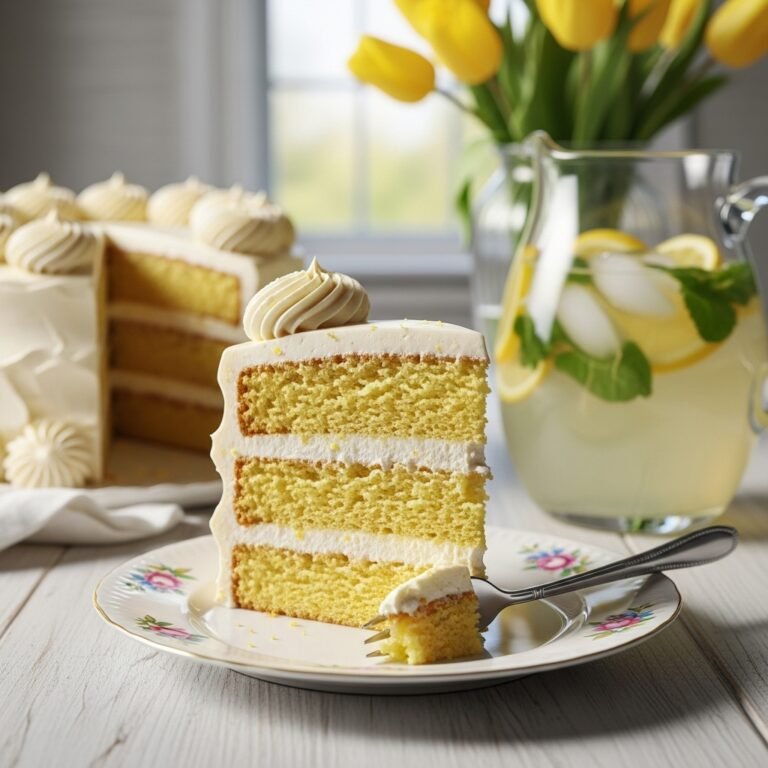
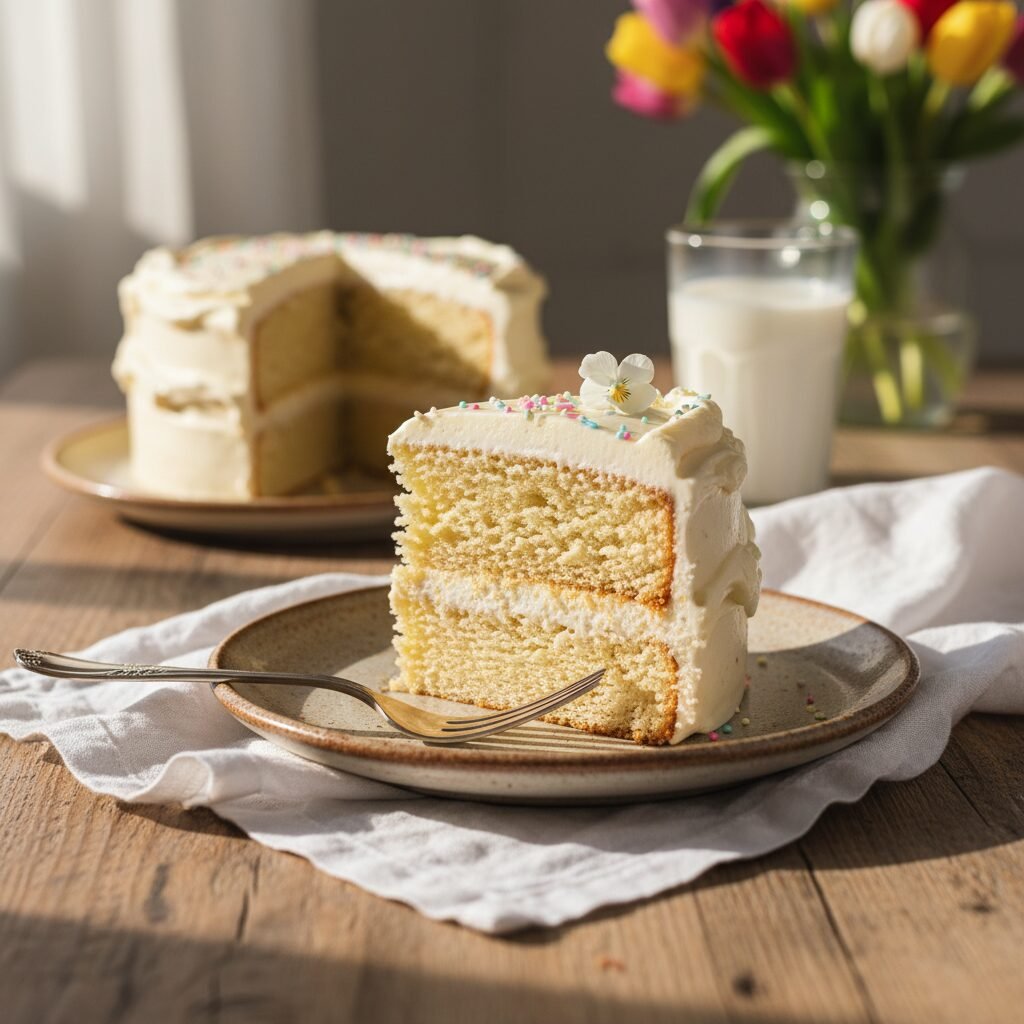
Finally, a gluten-free vanilla cake that is fluffy, tender, and incredibly moist! This foolproof recipe banishes the dry, crumbly texture often associated with gluten-free baking, delivering a classic birthday cake flavor that everyone at the party will love.
25 minutes
35 minutes
1 hour
12-14 servings (Two 8-inch round cakes)
Dessert
Baking
American
Gluten-Free
There is something undeniably nostalgic about a classic vanilla cake. It is the centerpiece of childhood birthdays, the foundation of elegant weddings, and the comfort food we crave with a simple cup of tea. However, for those of us living a gluten-free lifestyle, finding a vanilla cake that doesn’t taste like sweetened cardboard or crumble into dust the moment you look at it has been a lifelong struggle. Too often, gluten-free cakes are dense, gritty, or gummy—a far cry from the light, airy crumb we remember. That ends today. After years of testing, tweaking, and obsessing over hydration ratios and flour blends, I am thrilled to share what I truly believe is the best moist gluten-free vanilla cake recipe you will ever bake. This isn’t just ‘good for gluten-free’; it is genuinely delicious, period. The secret lies in a specific combination of fats and dairy that locks in moisture while ensuring a sturdy enough structure to stack and frost. Whether you are a seasoned baker or a novice in the kitchen, this recipe is designed to be forgiving and consistent. We are talking about a tender, velvety crumb with a pure, buttery vanilla flavor that serves as the perfect canvas for your favorite buttercream, ganache, or fresh fruit fillings. Get ready to impress your friends and family—they won’t believe it’s gluten-free!
History & Origins
The concept of the vanilla cake is deeply rooted in the history of Western baking, evolving from the dense, yeast-leavened breads of the Middle Ages into the chemically leavened sponges we know today. The pivotal moment in cake history occurred in the mid-19th century with the invention of baking powder. This allowed bakers to move away from relying solely on whipped eggs or yeast for lift, creating the ‘butter cake’ or ‘pound cake’ style that dominates American baking. Vanilla, an exotic orchid pod from Mexico, became the standard flavoring as global trade routes expanded, eventually becoming synonymous with ‘plain’ cake, though true vanilla flavor is anything but plain. The gluten-free evolution of this classic is a much more recent phenomenon. In the early days of gluten-free baking (the late 20th century), options were bleak, often relying on heavy rice flours and potato starches that yielded gritty results. The introduction of xanthan gum and guar gum as gluten substitutes changed the game, acting as binders to mimic the elasticity of wheat protein. Today, we are in the golden age of gluten-free baking. Modern artisan flour blends utilize superfine rice flours, tapioca starch, and sorghum to create textures that are indistinguishable from wheat flour. This recipe stands on the shoulders of that culinary science, utilizing modern blending techniques to reclaim the history of the classic vanilla cake for the gluten-intolerant community, proving that dietary restrictions no longer mean sacrificing tradition or taste.
Why This Recipe Works
This recipe succeeds where many others fail because it meticulously balances moisture, fat, and structure. In traditional baking, gluten provides the scaffold that holds air bubbles; without it, cakes can collapse or become dense. To counteract this, we use a high-quality ‘measure-for-measure’ gluten-free flour blend that contains xanthan gum, which acts as the structural binder. However, the real magic is in the fat content. We use a combination of unsalted butter and vegetable oil. Butter provides that classic, rich flavor and creates a fine crumb through the creaming process, while oil, which remains liquid at room temperature, ensures the cake stays moist for days. Furthermore, the addition of sour cream is non-negotiable. The acidity in the sour cream tenderizes the protein in the flour and activates the baking soda effectively, while its thick consistency adds density and richness without weighing down the batter. We also use room-temperature ingredients exclusively; this allows the emulsion of butter, eggs, and sugar to trap air effectively, providing mechanical leavening that is crucial for a light texture. Finally, the ratio of sugar to flour is slightly higher than in bread making, as sugar is hygroscopic—it attracts and holds water, further preventing the dreaded ‘dry cake’ syndrome common in gluten-free desserts.
Why You’ll Love This Recipe
- ✓Incredibly moist texture that lasts for days
- ✓Sturdy crumb perfect for layer cakes
- ✓No gritty mouthfeel thanks to proper hydration
- ✓Simple pantry ingredients
- ✓Versatile base for any frosting flavor
- ✓Freezer-friendly for make-ahead ease
Equipment You’ll Need
- ✓Stand mixer or electric hand mixer
- ✓Two 8-inch round cake pans
- ✓Parchment paper
- ✓Digital kitchen scale
- ✓Wire cooling rack
- ✓Rubber spatula
- ✓Whisk
- ✓Mixing bowls
Ingredients
- ✓2 1/2 cups (350g) Gluten-Free Measure-for-Measure Flour Blend (with xanthan gum)
- ✓2 1/2 teaspoons baking powder
- ✓1/2 teaspoon baking soda
- ✓1/2 teaspoon fine sea salt
- ✓3/4 cup (170g) unsalted butter, softened to room temperature
- ✓1/4 cup (60ml) vegetable oil (or canola oil)
- ✓1 1/2 cups (300g) granulated white sugar
- ✓4 large eggs, room temperature
- ✓1 tablespoon pure vanilla extract (or vanilla bean paste)
- ✓1 cup (240g) full-fat sour cream, room temperature
- ✓1/2 cup (120ml) whole milk, room temperature
Instructions
- Preheat your oven to 350°F (175°C). Grease two 8-inch round cake pans with butter or cooking spray and line the bottoms with parchment paper circles. This is crucial for easy release.
- In a medium mixing bowl, whisk together the gluten-free flour blend, baking powder, baking soda, and salt until well combined. Set aside.
- In the bowl of a stand mixer fitted with the paddle attachment (or a large bowl with a hand mixer), beat the softened butter, vegetable oil, and sugar on medium-high speed for about 3-4 minutes. The mixture should look pale, fluffy, and aerated.
- Add the eggs one at a time, beating well after each addition. Scrape down the sides and bottom of the bowl with a rubber spatula to ensure everything is incorporated. Stir in the vanilla extract.
- Reduce the mixer speed to low. Add about one-third of the dry flour mixture to the wet ingredients and mix until just combined.
- Add half of the sour cream and half of the milk, mixing gently. Repeat with another third of the flour, then the remaining liquids, and finish with the final portion of flour. Do not overmix; stop as soon as the streaks of flour disappear.
- Divide the batter evenly between the two prepared cake pans. Smooth the tops with an offset spatula or the back of a spoon.
- Bake in the center of the oven for 30-35 minutes, or until a toothpick inserted into the center comes out clean or with just a few moist crumbs attached. The cakes should spring back lightly when touched.
- Remove from the oven and let the cakes cool in the pans for 15 minutes. Then, carefully invert them onto a wire rack to cool completely before frosting. Do not attempt to frost warm cakes!
Expert Cooking Tips
- ✓Always weigh your flour using a kitchen scale (in grams) for the most accurate results; scooping can compact GF flour and lead to a dry cake.
- ✓Ensure all dairy ingredients and eggs are at room temperature to prevent the batter from curdling or breaking.
- ✓Use a high-quality vanilla extract or vanilla bean paste for the best flavor profile, as vanilla is the star here.
- ✓Do not skip the parchment paper lining; gluten-free cakes can be more fragile when warm and might stick to the pan.
- ✓Let the batter rest for 10-15 minutes before baking if you have time; this helps the rice flour hydrate and soften.
Substitutions and Variations
If you need to make this cake dairy-free, you can substitute the butter with a high-quality vegan butter block (not tub margarine). Replace the sour cream with a dairy-free plain yogurt (coconut or almond based) or a dairy-free sour cream alternative. Use unsweetened almond or oat milk instead of cow’s milk. For the oil, you can use melted coconut oil, though it may impart a slight coconut flavor, or avocado oil. If you don’t have sour cream, full-fat plain Greek yogurt is an excellent 1:1 substitute. If you only have salted butter, omit the 1/2 teaspoon of added salt in the recipe. Note that this recipe relies on eggs for structure, so using egg replacers like flax eggs or commercial binders may result in a denser, less fluffy cake, though it is possible in a pinch.
Common Mistakes to Avoid
The most common mistake is over-measuring the flour. Using the ‘scoop and level’ method directly from the bag often packs too much flour into the cup. Always spoon flour into the cup and level it off, or better yet, weigh it. Another mistake is opening the oven door too early. Gluten-free cakes need a consistent temperature to set their structure; a draft can cause the center to sink. Mixing the batter on high speed after adding the flour is also detrimental; while there is no gluten to ‘overwork,’ aggressive mixing can knock out the air bubbles you created during the creaming process, leading to a dense brick. Finally, frosting the cake before it is completely cool will result in a sliding, melted disaster.
Serving Suggestions
This vanilla cake is a versatile canvas. It pairs beautifully with a classic American Vanilla Buttercream for birthdays or a rich Swiss Meringue Buttercream for more sophisticated events. For a lighter option, serve it with a dollop of whipped cream and fresh berries (strawberries, raspberries, or blueberries). It also works wonderfully as a base for strawberry shortcake. If you love citrus, try filling the layers with lemon curd and frosting with a lemon cream cheese frosting. For chocolate lovers, a dark chocolate ganache provides a stunning contrast to the sweet vanilla sponge.
Storage and Reheating Tips
To store the cake, keep it covered at room temperature for up to 2 days. Gluten-free baked goods tend to dry out faster in the refrigerator, so only refrigerate if your frosting requires it (like cream cheese or fresh cream) or if it’s very hot in your kitchen. If you do refrigerate it, let it come to room temperature before serving for the best texture. To freeze, wrap individual unfrosted layers tightly in plastic wrap, then in aluminum foil. They can be frozen for up to 3 months. Thaw the layers in the refrigerator overnight or on the counter for a few hours before assembling and frosting.
Nutrition Facts (Estimated)
| Serving Size | 1 slice (without frosting) |
| Calories | 320 |
| Fat | 16g |
| Saturated Fat | 9g |
| Unsaturated Fat | 6g |
| Trans Fat | 0g |
| Cholesterol | 65mg |
| Sodium | 180mg |
| Carbohydrates | 42g |
| Fiber | 1g |
| Sugar | 22g |
| Protein | 4g |
Frequently Asked Questions
Can I use almond flour instead of a GF blend?
No, this recipe is designed for a 1:1 gluten-free flour blend that includes rice flour and starches. Almond flour has a completely different fat and protein content and will not yield the same structure.
Why did my cake sink in the middle?
This usually happens if the cake was underbaked or if the oven door was opened too early. It can also occur if your baking powder is expired or if there was too much liquid in the batter.
Can I make this into cupcakes?
Yes! This recipe yields about 24 standard cupcakes. Bake them at 350°F for 18-22 minutes.
Is this recipe dairy-free?
Not as written, but it can be adapted. See the substitutions section for details on swapping butter, milk, and sour cream.
Can I reduce the sugar?
I do not recommend significantly reducing the sugar. Sugar provides moisture and tenderness, not just sweetness. Reducing it too much will result in a drier, tougher cake.
What brand of flour do you recommend?
I recommend King Arthur Measure for Measure or Bob’s Red Mill 1-to-1 Baking Flour. Ensure your blend contains xanthan gum.
Can I add sprinkles to the batter?
Absolutely! Fold in 1/2 cup of sprinkles at the very end to make a funfetti version.
How do I know when it is done?
A toothpick inserted in the center should come out clean or with a few moist crumbs, and the edges should pull away slightly from the pan.
Conclusion
Baking gluten-free doesn’t mean you have to settle for second best. This Moist Gluten-Free Vanilla Cake is proof that with the right ingredients and techniques, you can create a dessert that rivals any traditional bakery treat. Whether you are celebrating a milestone birthday or just satisfying a Tuesday night sweet tooth, this recipe delivers comfort, flavor, and joy in every bite. It is reliable, delicious, and sure to become a staple in your recipe box. So preheat that oven, grab your mixer, and get ready to enjoy the best vanilla cake you have ever had—gluten or not!