The Ultimate Moist Gluten Free Lemon Cake With Vanilla Buttercream
Moist Gluten Free Lemon Cake With Vanilla Buttercream Recipe
Discover the secret to a gluten-free lemon cake that is incredibly moist, tender, and bursting with zesty citrus flavor. Paired with a silky smooth vanilla bean buttercream, this recipe banishes dry, crumbly gluten-free baking forever.
25 minutes
35 minutes
1 hour 30 minutes (includes cooling)
12 servings (2 layer cake)
Dessert
Baking
American
Gluten-Free
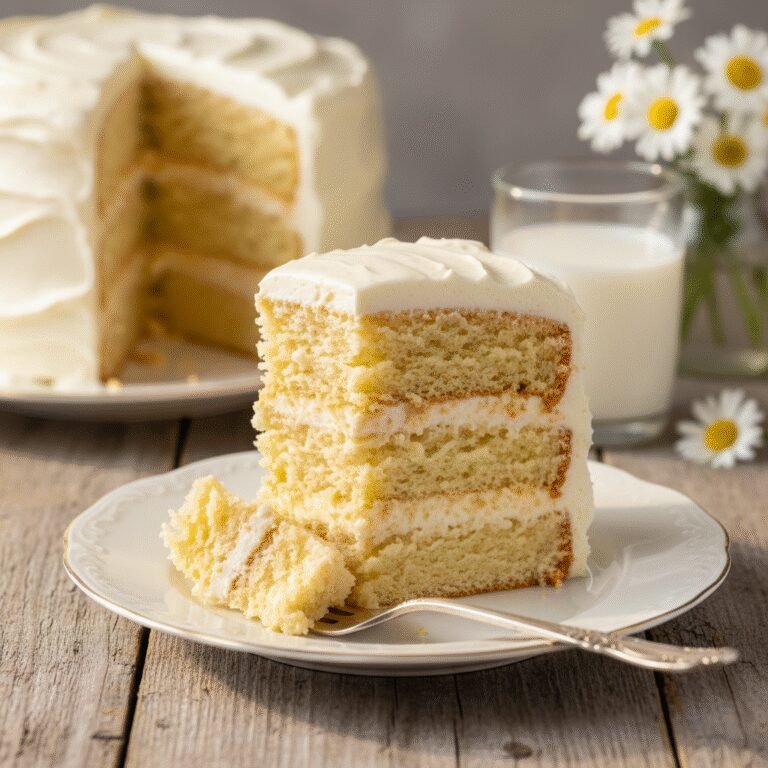
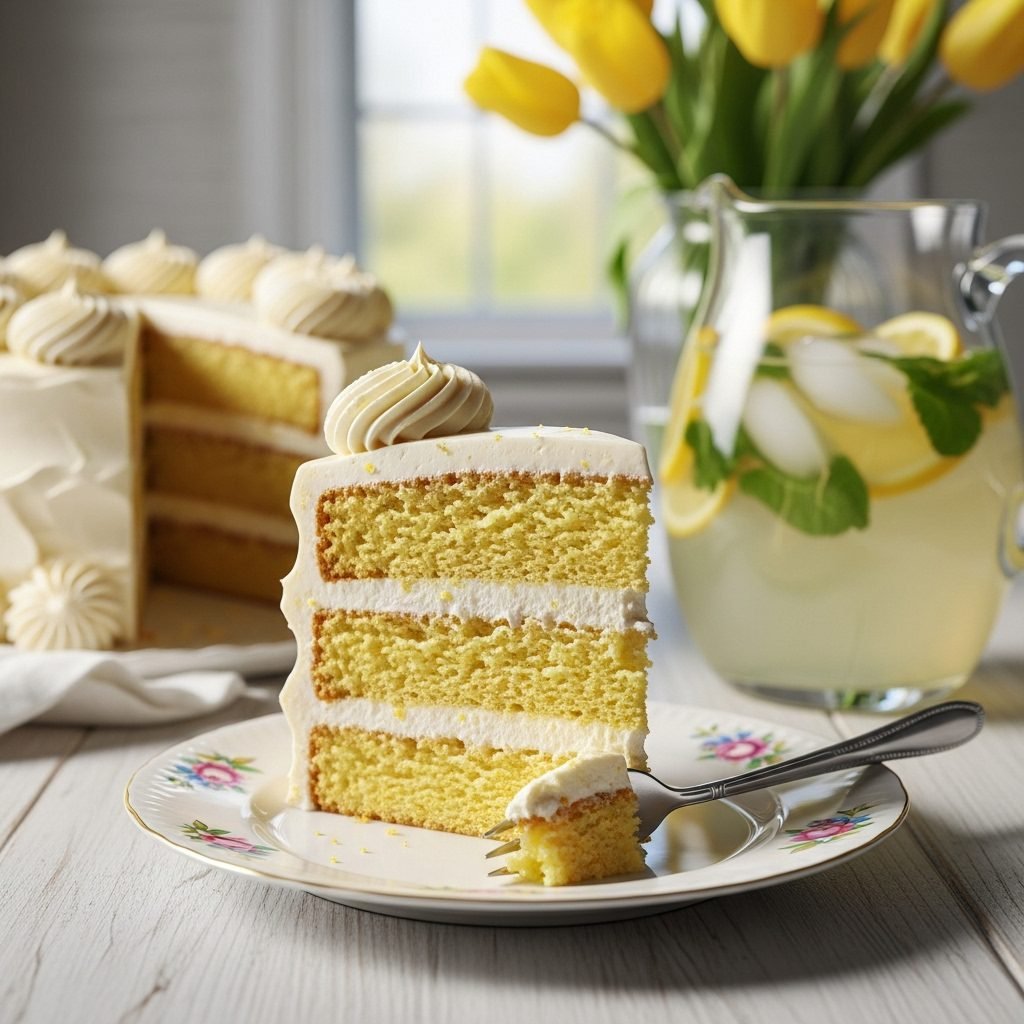
For many home bakers, the phrase ‘gluten-free cake’ conjures up nightmares of dry, gritty textures and desserts that crumble the moment you look at them. But I am here to tell you that the days of subpar allergy-friendly baking are officially over. This Moist Gluten Free Lemon Cake is a revelation. It is not just ‘good for being gluten-free’; it is simply a spectacular cake, period. We are talking about a crumb so tender and a texture so velvety that even your gluten-eating friends will be asking for the recipe. The star of the show here is the vibrant lemon flavor. We don’t just use a splash of juice; we utilize the zest and the juice to infuse every bite with sunshine. The acidity of the lemon plays a crucial role in tenderizing the crumb, working in harmony with sour cream to ensure the cake stays moist for days. To balance that bright, tart citrus explosion, we pair it with a classic, luxurious Vanilla Buttercream. The frosting is whipped to perfection, offering a sweet, creamy counterpoint that melts in your mouth. Whether you are baking for a birthday, a spring brunch, or just a Tuesday afternoon pick-me-up, this cake is guaranteed to bring joy. It represents the perfect marriage of science and flavor, proving that dietary restrictions should never mean sacrificing taste or texture.
History & Origins
The concept of cake has evolved significantly over centuries. Early cakes were essentially modified breads, often sweetened with honey and lacking the fluffy texture we adore today. The modern cake, with its aerated structure, largely came into being with the invention of chemical leaveners like baking soda and baking powder in the mid-19th century. Lemon, a fruit with origins in Northeast India or China, traveled the Silk Road to the Mediterranean, eventually becoming a staple in European baking for its ability to cut through the richness of butter and sugar. However, the history of gluten-free baking is a much more recent phenomenon. For decades, those with Celiac disease or gluten sensitivity had to rely on dense, heavy alternatives made from rice flour or potato starch that lacked the structural integrity of wheat. It wasn’t until the late 20th and early 21st centuries, with the popularization of xanthan gum and sophisticated flour blends, that gluten-free baking began to rival its wheat-based counterparts. This specific recipe builds on that modern culinary history, utilizing a 1:1 gluten-free flour blend that mimics the protein structure of all-purpose flour, combined with the age-old technique of using cultured dairy (sour cream) to ensure moisture, a method popularized in American pound cakes of the 1950s.
Why This Recipe Works
This recipe succeeds where many gluten-free cakes fail because of the specific ratio of fat to liquid and the inclusion of acidic ingredients. Gluten-free flours, particularly rice-based blends, are notorious for absorbing more liquid than wheat flour, which leads to dryness. To combat this, we use a combination of butter and sour cream. The butter provides flavor and structure, while the sour cream introduces acidity and fat without thinning the batter too much. This acidity breaks down the proteins in the eggs and flour blend, resulting in a softer crumb. Furthermore, we rely on a ‘measure-for-measure’ or ‘1:1’ gluten-free flour blend that already contains xanthan gum. Xanthan gum acts as the binder, replacing the gluten strands that usually hold a cake together. Without it, the cake would crumble instantly. The method of mixing is also key; we cream the butter and sugar extensively to incorporate air, which is vital because gluten-free flours are heavier and need that extra lift. Finally, the lemon zest is rubbed directly into the sugar before mixing. The friction releases the essential oils in the zest, infusing the sugar crystals with potent citrus flavor that permeates the entire cake more effectively than juice alone.
Why You’ll Love This Recipe
- ✓Incredibly moist crumb that stays soft for days
- ✓Bright, natural lemon flavor using both zest and juice
- ✓Silky, easy-to-make vanilla buttercream frosting
- ✓No gritty texture commonly associated with GF baking
- ✓Simple preparation using standard mixing methods
- ✓Perfect for birthdays, holidays, or afternoon tea
Equipment You’ll Need
- ✓Two 8-inch round cake pans
- ✓Stand mixer or electric hand mixer
- ✓Large mixing bowl
- ✓Medium mixing bowl
- ✓Whisk
- ✓Rubber spatula
- ✓Microplane or zester
- ✓Wire cooling rack
- ✓Measuring cups and spoons
- ✓Offset spatula for frosting
Ingredients
- ✓2 1/2 cups Gluten-Free All-Purpose Flour Blend (with xanthan gum)
- ✓2 tsp Baking Powder
- ✓1/2 tsp Baking Soda
- ✓1/2 tsp Salt
- ✓1 1/2 cups Granulated Sugar
- ✓2 tbsp Fresh Lemon Zest (approx. 2 lemons)
- ✓1 cup Unsalted Butter, softened to room temperature
- ✓3 Large Eggs, room temperature
- ✓2 tsp Pure Vanilla Extract
- ✓1/2 cup Sour Cream, room temperature
- ✓1/2 cup Whole Milk, room temperature
- ✓1/4 cup Fresh Lemon Juice
- ✓FOR THE BUTTERCREAM: 1 1/2 cups Unsalted Butter, softened
- ✓4-5 cups Powdered Sugar, sifted
- ✓2 tsp Vanilla Bean Paste or Extract
- ✓2-3 tbsp Heavy Cream
- ✓Pinch of Salt
Instructions
- 1. Preheat your oven to 350°F (175°C). Grease two 8-inch round cake pans with butter and line the bottoms with parchment paper. This is crucial for gluten-free cakes to prevent sticking.
- 2. In a medium bowl, whisk together the gluten-free flour, baking powder, baking soda, and salt. Set aside.
- 3. In the bowl of a stand mixer (or a large bowl using a hand mixer), combine the granulated sugar and lemon zest. Rub the zest into the sugar with your fingertips until the sugar is fragrant and moist. This releases the lemon oils.
- 4. Add the softened butter to the lemon-sugar mixture. Beat on medium-high speed for about 3-4 minutes until pale and fluffy. Scrape down the sides of the bowl as needed.
- 5. Add the eggs one at a time, beating well after each addition. Mix in the vanilla extract.
- 6. In a small measuring cup, whisk together the sour cream, milk, and lemon juice. The mixture may look slightly curdled; this is normal.
- 7. Reduce the mixer speed to low. Add the flour mixture in three parts, alternating with the milk mixture, starting and ending with the flour. Mix only until just combined—do not overmix.
- 8. Divide the batter evenly between the prepared cake pans. Smooth the tops with a spatula.
- 9. Bake for 30-35 minutes, or until a toothpick inserted into the center comes out clean or with just a few moist crumbs. Do not overbake.
- 10. Allow the cakes to cool in the pans for 10 minutes, then carefully turn them out onto a wire rack to cool completely before frosting.
- 11. To make the buttercream: Beat the butter on medium-high speed for 5 minutes until incredibly pale and creamy.
- 12. Gradually add the powdered sugar, one cup at a time, mixing on low. Once incorporated, increase speed to high and whip for 2 minutes.
- 13. Add the vanilla bean paste, heavy cream, and salt. Whip for another 2-3 minutes until light and airy.
- 14. Once the cakes are fully cool, frost the top of one layer, stack the second layer, and cover the top and sides with the remaining buttercream.
Expert Cooking Tips
- ✓Room temperature ingredients are non-negotiable. Cold eggs or butter will cause the batter to break and curdle.
- ✓Weigh your flour if possible. If using cups, use the spoon-and-level method to avoid packing too much flour into the cup, which leads to a dry cake.
- ✓Do not skip the parchment paper. Gluten-free cakes are more fragile when warm, and parchment ensures a perfect release.
- ✓Rubbing the lemon zest into the sugar is a professional chef’s trick that significantly amplifies the citrus flavor without adding extra liquid.
- ✓Use a high-quality gluten-free flour blend that explicitly states it is a 1:1 replacement and contains xanthan gum.
- ✓Let the cake cool completely before frosting. Even a slightly warm cake will melt the butter in the buttercream, causing the layers to slide.
- ✓If your buttercream is too stiff, add more cream one teaspoon at a time. If too soft, add more powdered sugar.
Substitutions and Variations
If you need to make this dairy-free, swap the butter for a high-quality vegan butter stick (not tub margarine) and replace the sour cream with a dairy-free yogurt (coconut or almond based work well). Use almond milk or oat milk instead of whole milk. For the flour, ensure you are using a blend like King Arthur Measure for Measure or Bob’s Red Mill 1-to-1; do not try to substitute with single flours like almond flour or coconut flour as the chemistry will fail. If you don’t have sour cream, full-fat Greek yogurt is an excellent 1:1 substitute. For the frosting, you can use lemon extract instead of vanilla for a double-lemon punch, or add a tablespoon of lemon juice to the buttercream (reduce heavy cream accordingly).
Common Mistakes to Avoid
The most common mistake is over-measuring the flour. Scooping directly with the cup packs the flour down, resulting in a dense, dry brick. Always fluff the flour, spoon it into the cup, and level it off. Another mistake is opening the oven door too early. Gluten-free structures take a bit longer to set; opening the door causes a temperature drop that can make the cake sink in the middle. Also, ensure your baking powder is fresh; expired leavening agents are a frequent culprit for flat cakes. Finally, don’t try to speed up the cooling process in the fridge, as this can dry out the cake crumb; let it cool naturally at room temperature.
Serving Suggestions
This cake is stunning on its own, but it looks especially elegant when garnished with candied lemon slices, fresh berries (blueberries or raspberries pair beautifully), or edible flowers like pansies or chamomile. Serve it on a white ceramic cake stand to let the pale yellow cake and creamy frosting pop. It pairs wonderfully with a cup of Earl Grey tea, which has bergamot notes that complement the lemon, or a glass of chilled Prosecco for a celebratory brunch.
Storage and Reheating Tips
Store the frosted cake in an airtight container (or under a cake dome) at room temperature for up to 2 days. The sugar and fat content act as preservatives. If you need to keep it longer, refrigerate it for up to 5 days, but be sure to bring it back to room temperature before serving, as cold butter-based cakes can feel dense. You can also freeze the unfrosted cake layers. Wrap them tightly in plastic wrap and then foil; they will keep for up to 3 months. Thaw in the refrigerator overnight before frosting.
Nutrition Facts (Estimated)
| Serving Size | 1 slice |
| Calories | 480 |
| Fat | 24g |
| Saturated Fat | 14g |
| Unsaturated Fat | 9g |
| Trans Fat | 0g |
| Cholesterol | 85mg |
| Sodium | 210mg |
| Carbohydrates | 62g |
| Fiber | 2g |
| Sugar | 38g |
| Protein | 4g |
Frequently Asked Questions
Can I make this cake ahead of time?
Yes! In fact, the flavors often meld better the next day. You can bake the layers, wrap them tightly, and store them at room temperature overnight, then frost the next day.
Why did my gluten-free cake sink in the middle?
This usually happens if the cake was underbaked or if the oven door was opened too soon. It can also be caused by too much leavening (baking powder/soda) or over-beating the batter once the flour was added.
Can I use almond flour?
No, this recipe is designed for a 1:1 gluten-free all-purpose flour blend. Almond flour lacks the starches and binders necessary to hold this specific cake structure together.
Is xanthan gum necessary?
Yes, absolutely. If your flour blend does not contain it, you must add 1/2 teaspoon of xanthan gum. It replaces the elasticity that gluten usually provides.
Can I make this into cupcakes?
Yes. This batter will make approximately 24 cupcakes. Bake them at 350°F for 18-22 minutes.
My batter looks curdled after adding the milk/lemon mixture. Is it ruined?
Not at all! This is just the acid from the lemon and sour cream reacting with the fat. Once you add the flour, the batter will smooth out perfectly.
Can I use bottled lemon juice?
Technically yes, but fresh is infinitely better. Bottled juice lacks the floral notes of fresh lemon, and since you need lemons for the zest anyway, you might as well use the juice.
How do I know when the cake is done?
Insert a toothpick into the center. It should come out clean or with a few moist crumbs attached. If there is wet batter, it needs more time. The edges should also be pulling away slightly from the pan.
Conclusion
Baking gluten-free doesn’t mean you have to lower your standards. This Moist Gluten Free Lemon Cake with Vanilla Buttercream is proof that with the right ingredients and techniques, you can create a dessert that is just as decadent, fluffy, and satisfying as any traditional bakery treat. The bright, sunny flavor of the lemon combined with the rich, creamy frosting makes it a crowd-pleaser for any occasion. I hope this recipe becomes a staple in your kitchen and brings a little slice of zest and joy to your table. Happy baking!