The Ultimate Moist Gluten-Free Lemon Cake with Zesty Glaze
Moist Gluten Free Lemon Cake Recipe
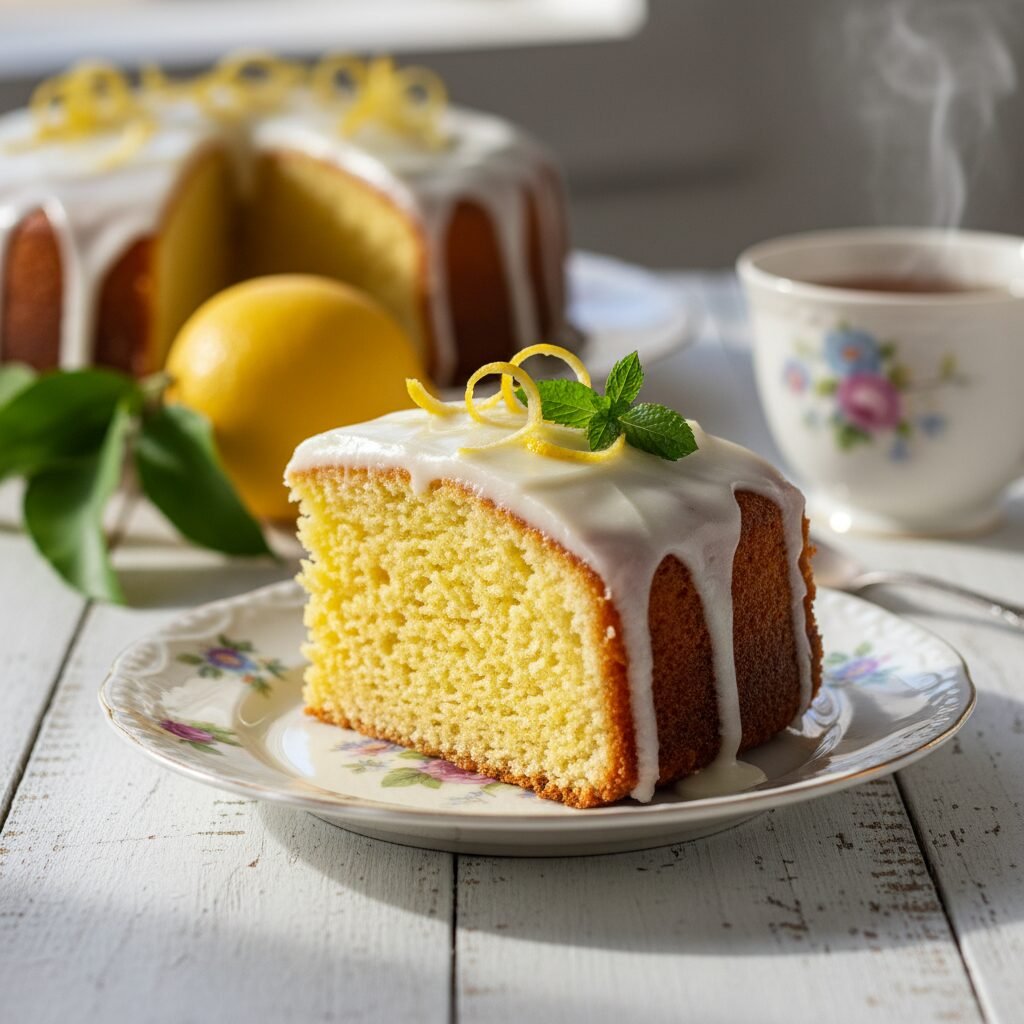
This incredibly moist gluten-free lemon cake proves you don’t need wheat to achieve baking perfection. Bursting with fresh citrus flavor and topped with a tangy lemon glaze, it is the perfect dessert for spring gatherings, Easter brunch, or a comforting afternoon tea.
20 minutes
50 minutes
1 hour 10 minutes
1 Loaf (approx. 10 slices)
Dessert
Baking
American / British
Gluten-Free
For years, the holy grail of gluten-free baking has been finding a recipe that replicates the tender, moist crumb of a traditional wheat-based cake without becoming dense, gummy, or dry as sand. If you have been on a gluten-free diet for any length of time, you likely know the disappointment of a cake that looks beautiful in the oven but crumbles into dust the moment you slice it. This Moist Gluten-Free Lemon Cake is the answer to those baking prayers. It is unapologetically bright, sunny, and packed with an intense lemon flavor that dances on the palate.
The secret lies in the balance of fat and acidity. Unlike standard sponge cakes that rely heavily on the gluten network for structure, this recipe utilizes a high-quality measure-for-measure gluten-free flour blend supported by the richness of sour cream and butter. The sour cream does double duty: it tenderizes the crumb by shortening protein strands and adds a subtle tang that amplifies the lemon zest. We don’t just use a little lemon here; we use the zest of three full lemons to ensure the essential oils permeate every bite.
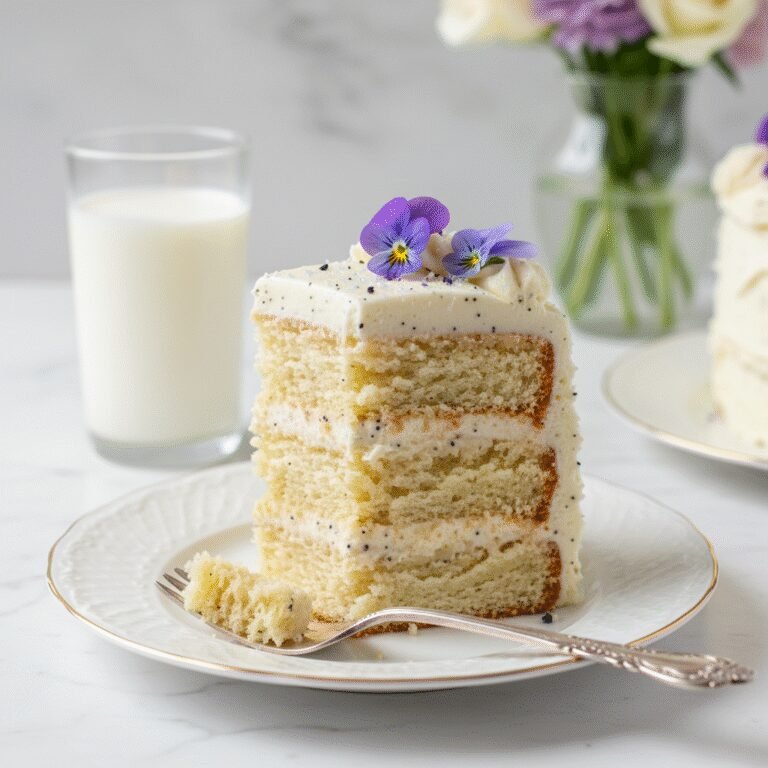
Topped with a simple yet effective powdered sugar glaze that sets into a delicate crust, this loaf offers a textural contrast between the soft interior and the sugary, zesty exterior. It is a cake that improves with time, tasting even better the next day as the moisture redistributes. Whether you are baking for a celiac friend, a family member with a wheat allergy, or just want a lighter dessert option that doesn’t compromise on taste, this lemon cake is destined to become a staple in your recipe box. It evokes the feeling of sunshine on a plate, bringing warmth and brightness to your kitchen regardless of the weather outside.
History & Origins
The concept of the lemon cake is deeply rooted in the history of the ‘pound cake,’ a recipe dating back to the early 1700s in Northern Europe. The original formula was simple: a pound each of flour, butter, eggs, and sugar. While this created a durable and rich cake, it was often dense. As baking powder and baking soda were popularized in the 19th century, cakes became lighter, airier, and more versatile, allowing for the incorporation of heavy flavorings like citrus juice and zest without compromising the rise.
Lemons themselves have a storied history in culinary arts. Originating in Asia and brought to the Mediterranean by Arab traders, lemons became a symbol of status and freshness in European cuisine. By the Victorian era, lemon-infused tea cakes were a fashionable accompaniment to afternoon tea in England, valued for their ability to cut through the richness of cream and butter.
The history of gluten-free baking is a much more modern, yet rapidly evolving, narrative. For decades, those with Celiac disease or gluten intolerance were relegated to ‘flourless’ cakes—usually dense chocolate tortes or almond-meal cakes. While delicious, they lacked the structure of a classic loaf. In the late 20th and early 21st centuries, food scientists and home bakers began experimenting with hydrocolloids like xanthan gum and complex blends of rice, potato, and tapioca starches. This innovation allowed for the recreation of the classic lemon loaf texture without wheat. This specific recipe represents the culmination of that history: honoring the traditional flavor profile of a Victorian lemon cake while utilizing modern food chemistry to make it accessible to everyone, regardless of dietary restrictions.
Why This Recipe Works
This recipe succeeds where many gluten-free cakes fail because it specifically addresses the lack of protein structure and moisture retention inherent in gluten-free flours. Wheat flour provides elasticity; without it, cakes can crumble. To counteract this, we use a ‘measure-for-measure’ flour blend that typically contains xanthan gum, which acts as a binder, mimicking gluten’s structural properties. However, the real hero is the inclusion of full-fat sour cream.
Sour cream introduces acidity and fat. The acidity reacts with the baking powder and baking soda to create a robust rise, ensuring the cake is fluffy rather than brick-like. The fat content coats the starch molecules, preventing them from absorbing too much liquid and drying out during the bake—a common pitfall in gluten-free baking known as ‘retrogradation.’ Furthermore, we use the ‘creaming method,’ beating the butter and sugar until pale and airy before adding eggs. This mechanical leavening traps air bubbles in the fat matrix, which expand in the oven. Finally, rubbing the lemon zest directly into the granulated sugar before mixing releases the lemon oils through friction, infusing the entire batter with a deep, aromatic citrus flavor that juice alone cannot achieve. The result is a cake that is structurally sound, incredibly moist, and vibrant.
Why You’ll Love This Recipe
- ✓Incredibly moist crumb that stays soft for days
- ✓Intense natural lemon flavor using both zest and juice
- ✓Simple preparation using standard kitchen equipment
- ✓Gluten-free recipe that mimics the texture of wheat cake
- ✓Perfect balance of sweet and tart flavors
- ✓Freezes beautifully for make-ahead desserts
Equipment You’ll Need
- ✓9×5 inch Loaf Pan
- ✓Stand Mixer or Hand Mixer
- ✓Large Mixing Bowl
- ✓Medium Mixing Bowl
- ✓Microplane or Zester
- ✓Citrus Juicer
- ✓Wire Cooling Rack
- ✓Parchment Paper
- ✓Rubber Spatula
Ingredients
- ✓1 1/2 cups Gluten-Free Measure-for-Measure Flour (ensure it contains xanthan gum)
- ✓1 teaspoon Baking Powder
- ✓1/4 teaspoon Baking Soda
- ✓1/2 teaspoon Salt
- ✓1/2 cup Unsalted Butter, softened to room temperature
- ✓1 cup Granulated White Sugar
- ✓2 Large Eggs, room temperature
- ✓1 teaspoon Pure Vanilla Extract
- ✓1/3 cup Fresh Lemon Juice (approx. 2 lemons)
- ✓2 tablespoons Lemon Zest (approx. 3 lemons)
- ✓1/2 cup Full-Fat Sour Cream or Greek Yogurt, room temperature
- ✓1 cup Powdered Sugar (for glaze)
- ✓2 tablespoons Fresh Lemon Juice (for glaze)
Instructions
- Preheat your oven to 350°F (175°C). Grease a 9×5 inch loaf pan generously with butter or cooking spray and line it with parchment paper, leaving an overhang on the sides for easy removal.
- In a medium bowl, whisk together the gluten-free flour, baking powder, baking soda, and salt until well combined. Set this dry mixture aside.
- In the bowl of a stand mixer fitted with the paddle attachment (or a large bowl using a hand mixer), place the granulated sugar and the lemon zest. Rub the zest into the sugar with your fingertips until the sugar resembles wet sand and is very fragrant. Add the softened butter.
- Beat the butter and lemon-sugar mixture on medium-high speed for about 3-4 minutes, or until it is pale, light, and fluffy. Scrape down the sides of the bowl as needed.
- Add the eggs one at a time, beating well after each addition. Mix in the vanilla extract. The mixture may look slightly curdled at this stage; this is normal.
- Reduce the mixer speed to low. Add one-third of the flour mixture, followed by half of the sour cream and half of the lemon juice. Mix just until combined.
- Add another third of the flour mixture, followed by the remaining sour cream and lemon juice. Finally, add the last of the flour mixture. Mix only until the streaks of flour disappear. Do not overmix, even with gluten-free flour, as it can affect the gum structure.
- Pour the batter into the prepared loaf pan and smooth the top with a rubber spatula. Tap the pan gently on the counter to release any large air bubbles.
- Bake in the center of the preheated oven for 45-55 minutes. Check the cake at the 45-minute mark. A toothpick inserted into the center should come out clean or with just a few moist crumbs attached. If the top is browning too quickly, tent it loosely with aluminum foil.
- Remove the cake from the oven and let it cool in the pan for 15 minutes. Then, use the parchment paper handles to lift it out onto a wire rack to cool completely.
- While the cake cools, prepare the glaze. Whisk together the powdered sugar and 2 tablespoons of lemon juice in a small bowl until smooth. Adjust the consistency by adding more sugar for a thicker glaze or more juice for a thinner drizzle.
- Once the cake is entirely cool to the touch, pour the glaze over the top, allowing it to drip down the sides. Let the glaze set for 15 minutes before slicing.
Expert Cooking Tips
- ✓Ensure all dairy ingredients (butter, eggs, sour cream) are at room temperature to prevent the batter from curdling.
- ✓Weigh your flour if possible (approx. 120-130g per cup) or use the spoon-and-level method to avoid a dense cake.
- ✓Rubbing the zest into the sugar is a crucial step for maximum flavor extraction; do not skip it!
- ✓If your gluten-free flour blend does not contain xanthan gum, add 1/2 teaspoon to the dry ingredients.
- ✓Do not open the oven door during the first 30 minutes of baking, as the change in temperature can cause the cake to sink.
- ✓Let the cake cool completely before glazing; otherwise, the glaze will melt and soak into the cake rather than sitting on top.
- ✓Use fresh lemon juice, not bottled, for the bright acidity required to balance the sugar.
Substitutions and Variations
This recipe is quite versatile regarding dietary adjustments. If you need to make this **dairy-free**, substitute the butter with a high-quality vegan butter block (not a tub spread, which has too much water) and replace the sour cream with a dairy-free plain coconut yogurt or almond milk yogurt. For the **sugar**, you can use cane sugar or a 1:1 granulated monk fruit sweetener, though the texture may be slightly less moist with sugar alternatives. If you do not have **sour cream**, plain full-fat Greek yogurt is an excellent 1:1 substitute. For the **citrus**, this recipe works beautifully with oranges, blood oranges, or grapefruits if you want a different flavor profile; simply swap the zest and juice ratios equally. Note that we do not recommend substituting the eggs in this specific recipe as they provide essential structure for the gluten-free flour, but a commercial egg replacer meant for baking might work in a pinch.
Common Mistakes to Avoid
The most common mistake with this recipe is **over-measuring the flour**. Gluten-free flours can be very fine and settle in the bag; scooping directly with the cup packs it down, resulting in a dry, dense brick. Always fluff the flour, spoon it into the cup, and level it off. Another mistake is **under-baking**. Gluten-free goods often retain more moisture than wheat goods and can appear done on the outside while being raw in the middle. Trust the toothpick test rather than the visual golden-brown crust. Additionally, **using cold ingredients** prevents the batter from emulsifying properly, leading to a greasy texture. Finally, **slicing the cake while warm** is a recipe for disaster; gluten-free cakes need time to ‘set’ their structure as they cool. Cutting it too early will cause it to crumble and fall apart.
Serving Suggestions
This lemon cake is elegant enough to be served on its own, but it pairs wonderfully with a variety of accompaniments. For a classic afternoon tea, serve slices on fine china with a dollop of clotted cream or lightly whipped heavy cream and a side of Earl Grey tea. In the summer, serve it with a side of macerated strawberries, blueberries, or raspberries to complement the citrus notes. For a dessert course, you can grill a slice slightly and top it with a scoop of vanilla bean ice cream and a drizzle of warm honey. It also makes a fantastic brunch item alongside a savory quiche or fruit salad.
Storage and Reheating Tips
Gluten-free baked goods can dry out faster than their wheat counterparts if not stored correctly, but the sour cream in this recipe helps prolong freshness. Store the cake in an airtight container at **room temperature** for up to 3 days. If you live in a very hot or humid climate, you can store it in the refrigerator for up to 5 days, but be sure to let it come to room temperature before eating for the best texture. This cake also **freezes exceptionally well**. You can freeze the whole unglazed loaf wrapped tightly in plastic wrap and foil for up to 2 months. Alternatively, freeze individual slices separated by parchment paper in a freezer bag. Thaw on the counter for an hour before serving.
Nutrition Facts (Estimated)
| Serving Size | 1 Slice |
| Calories | 320 |
| Fat | 16g |
| Saturated Fat | 9g |
| Unsaturated Fat | 6g |
| Trans Fat | 0g |
| Cholesterol | 65mg |
| Sodium | 180mg |
| Carbohydrates | 42g |
| Fiber | 1g |
| Sugar | 24g |
| Protein | 4g |
Frequently Asked Questions
Why did my gluten-free cake sink in the middle?
Sinking usually happens if the cake was under-baked or if the oven door was opened too early, causing a temperature drop. It can also happen if there was too much leavening (baking powder/soda) or too much liquid. Ensure your oven temperature is accurate using an oven thermometer.
Can I use almond flour instead of a GF blend?
No, this recipe is designed for a 1:1 rice-flour-based blend. Almond flour lacks the starches necessary to absorb the liquid and provide structure here. Using only almond flour would result in a very wet, oily pudding rather than a cake.
Is this recipe dairy-free?
As written, it contains butter and sour cream. However, it can be easily made dairy-free by using vegan butter sticks and dairy-free yogurt. See the substitutions section for details.
What brand of gluten-free flour do you recommend?
We recommend ‘King Arthur Measure for Measure’ or ‘Bob’s Red Mill 1-to-1 Baking Flour’. These blends already contain xanthan gum and are formulated to replicate the weight and texture of all-purpose wheat flour.
Can I make this into muffins instead of a loaf?
Absolutely! This batter makes excellent muffins. Line a standard muffin tin with paper liners and bake at 375°F (190°C) for 18-22 minutes. The yield will be approximately 12 standard muffins.
Why is my cake gummy?
Gumminess in gluten-free baking is often caused by cutting into the cake before it has completely cooled. The starches need time to set. It can also be caused by too much xanthan gum if you added extra to a flour blend that already contained it.
Can I reduce the sugar?
Sugar provides moisture and tenderness, not just sweetness. Reducing it by more than 1/4 cup will likely affect the texture, making the cake drier and more bread-like. If you must reduce sugar, consider using a sugar substitute designed for baking.
Do I really need to use fresh lemon juice?
Yes. Bottled lemon juice contains preservatives and often has a metallic or flat taste. For a recipe where lemon is the primary flavor, fresh juice and zest are non-negotiable for the best quality.
Conclusion
Baking gluten-free doesn’t have to mean sacrificing texture or flavor, and this Moist Gluten-Free Lemon Cake is the delicious proof. With its tender crumb, bright zestiness, and sweet glaze, it brings a slice of sunshine to any table. Whether you are an experienced gluten-free baker or trying it for the first time, this recipe is forgiving, reliable, and utterly delicious. We hope this cake becomes a cherished part of your recipe collection, bringing joy to your family and friends. Don’t forget to pin this recipe for later and leave a comment below sharing how it turned out for you!