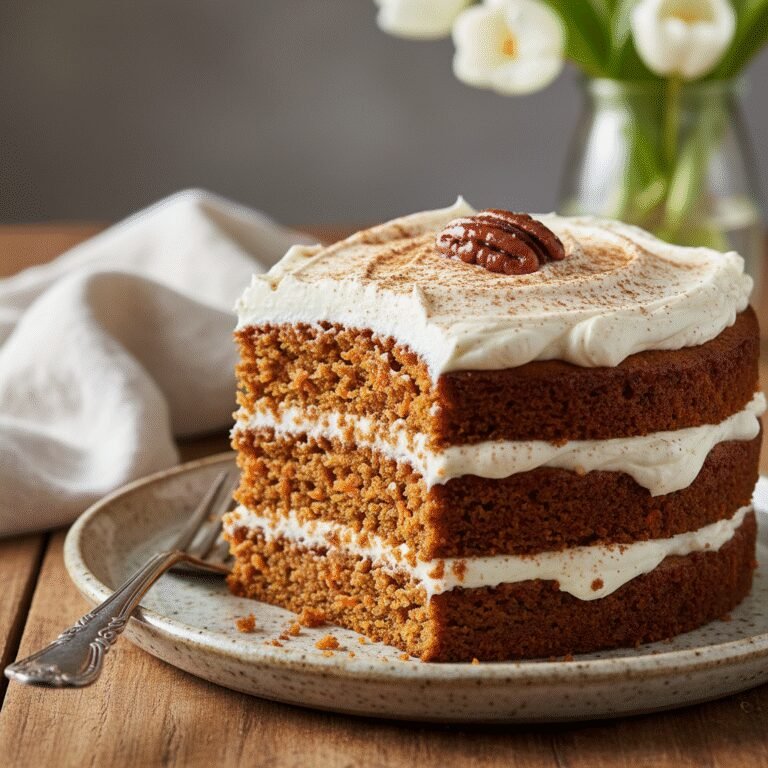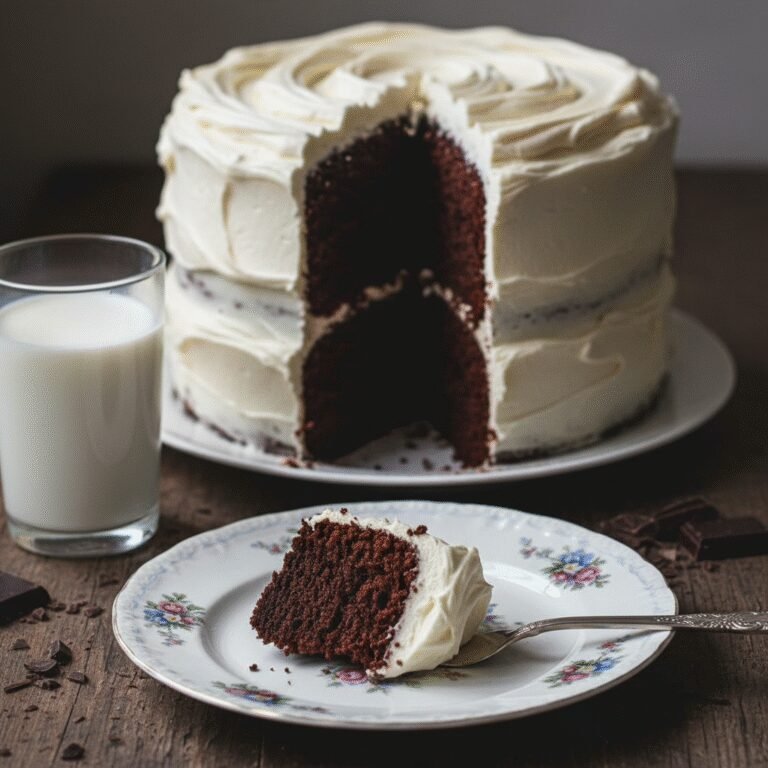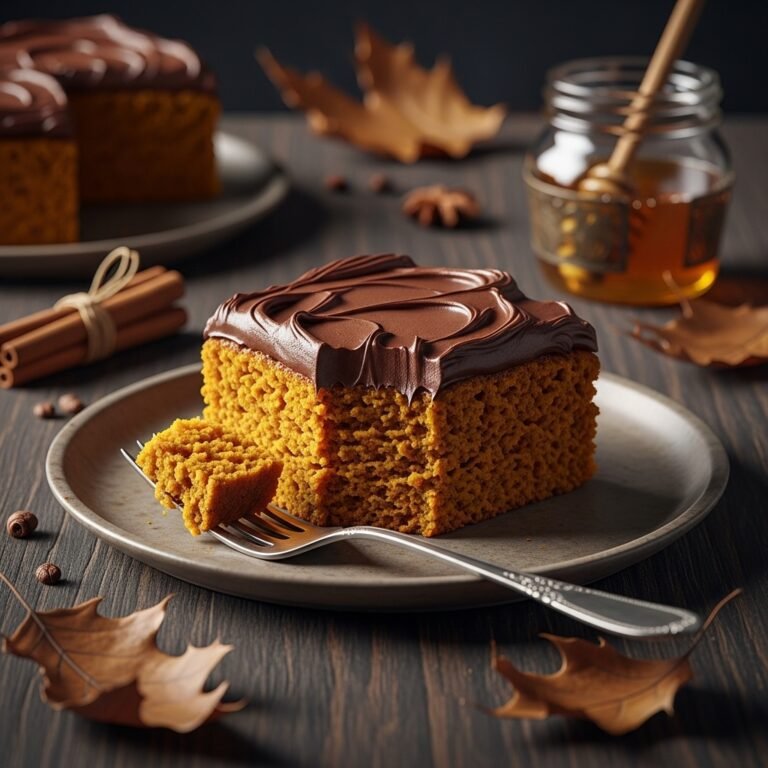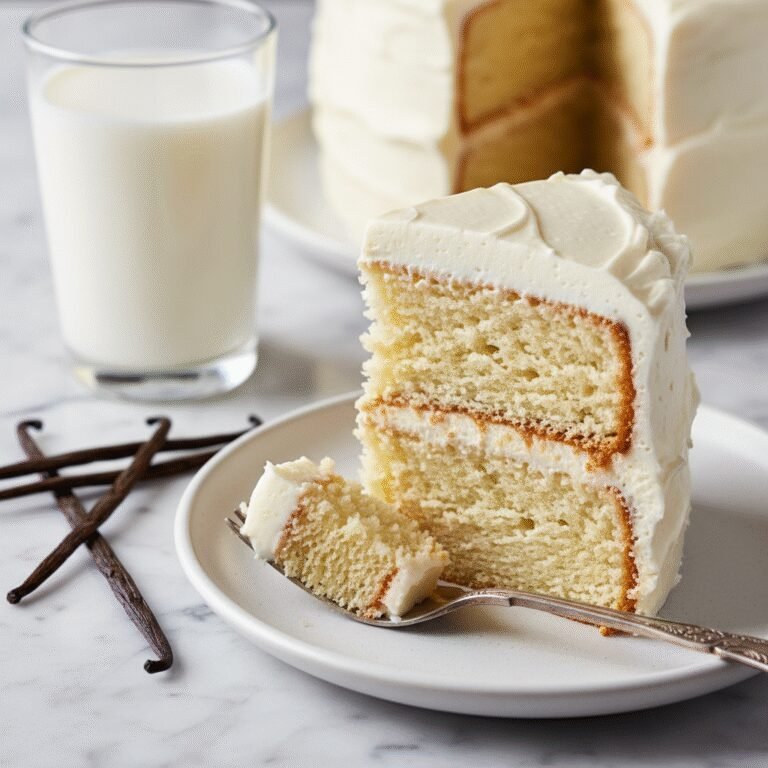
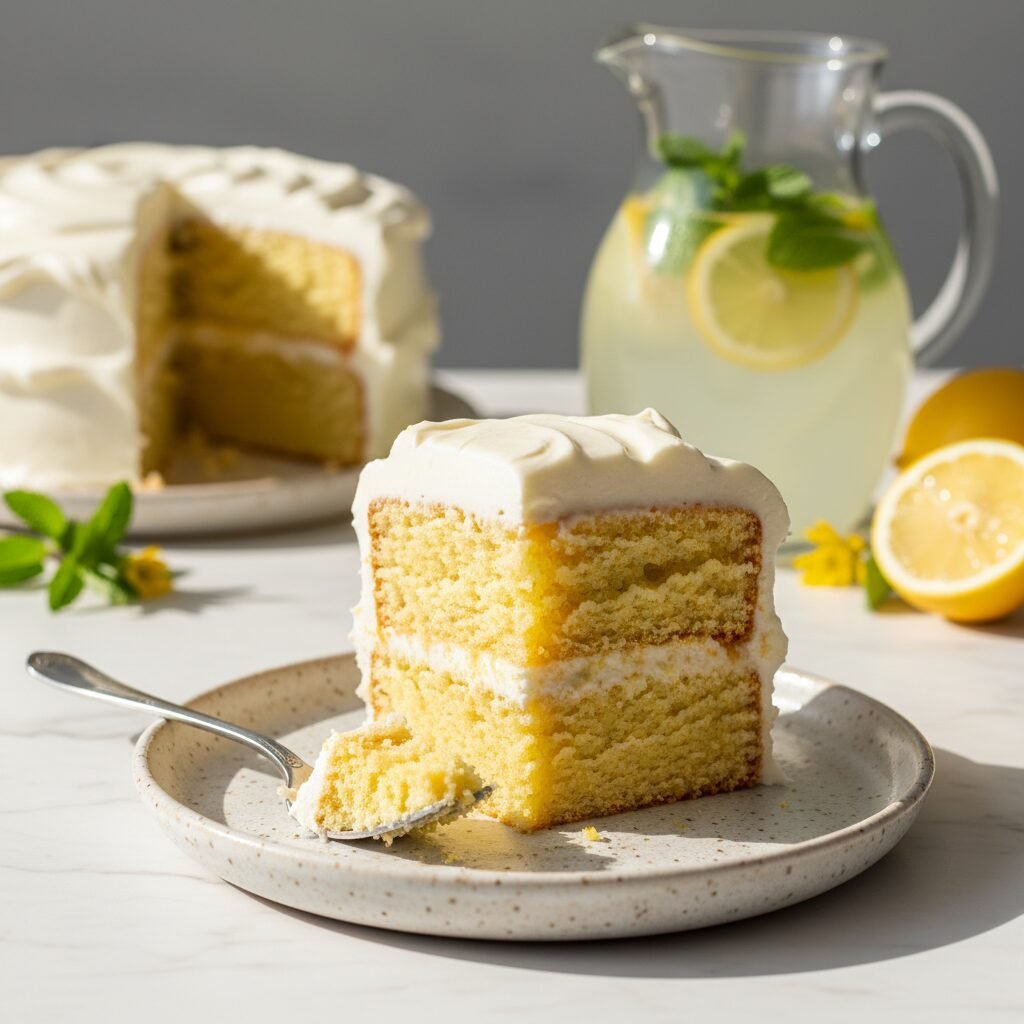
The Ultimate Moist Gluten-Free Lemon Cake with Dairy-Free Frosting
Moist Gluten Free Lemon Cake Dairy Free Frosting Recipe
Discover the sunshine in every bite with this incredibly moist gluten-free lemon cake, topped with a silky smooth dairy-free buttercream. Bursting with fresh citrus flavor and boasting a tender crumb, this recipe proves you don’t need wheat or dairy to create a bakery-quality masterpiece.
25 minutes
35 minutes
1 hour 15 minutes
12 servings (2 layer cake)
Dessert
Baking
American
Gluten-Free
There is something undeniably cheerful about a lemon cake. It is the culinary equivalent of a sunny spring afternoon—bright, uplifting, and refreshing. However, for those of us navigating the world of gluten-free and dairy-free baking, finding a lemon cake that doesn’t taste like a dry, crumbly compromise can often feel like a cloudy day. Too often, gluten-free cakes suffer from a gritty texture or a density that sits heavy on the palate, while dairy-free frostings can lack the luscious mouthfeel of traditional buttercream. This recipe is the game-changer you have been waiting for. We have meticulously tested ratios of flour to fat and acidity to sugar to ensure that this Moist Gluten-Free Lemon Cake with Dairy-Free Frosting is indistinguishable from its conventional counterparts. In fact, it might just be better. The secret lies in the balance of high-quality gluten-free flour blends and the use of oil rather than butter in the batter, which coats the flour proteins (or starches, in this case) to keep the crumb tender for days. We pair this with a frosting that uses high-fat vegan butter sticks to achieve that classic whip without the dairy. Whether you are baking for a birthday, a bridal shower, or simply to treat yourself on a weekend, this cake delivers a sophisticated flavor profile where the tartness of fresh lemon zest cuts through the sweetness of the frosting perfectly. Get ready to impress even the most skeptical gluten-eaters at your table.
History & Origins
The concept of the lemon cake is deeply rooted in the history of the pound cake, a recipe that dates back to the early 1700s in Northern Europe. Originally named for its ingredients—a pound each of flour, butter, eggs, and sugar—this dense cake was a staple because of its simplicity and reliability. As trade routes expanded, citrus fruits from the Mediterranean became more accessible, and bakers began infusing these heavy batters with lemon zest and juice to lighten the flavor profile and add a refreshing aroma. The evolution into the light, fluffy layer cakes we know today came with the invention of chemical leaveners like baking powder in the 19th century. The gluten-free and dairy-free adaptation is a much more modern chapter in this history, emerging prominently in the late 20th and early 21st centuries alongside a growing awareness of Celiac disease, non-celiac gluten sensitivity, and lactose intolerance. Early iterations of gluten-free baking were often experimental and inconsistent, relying on heavy rice flours that resulted in distinctively gritty textures. However, the last decade has seen a revolution in food science, with the development of sophisticated 1-to-1 gluten-free flour blends that utilize xanthan gum and various starches to mimic the elasticity of wheat gluten. This recipe stands on the shoulders of centuries of baking tradition, adapted for the modern, inclusive kitchen.
Why This Recipe Works
This recipe succeeds where many others fail due to three critical scientific factors: hydration, fat source, and acidity. First, gluten-free flours are notoriously thirsty; they absorb more liquid than wheat flour. To combat dryness, this recipe utilizes a higher ratio of liquid ingredients and relies on a ‘measure-for-measure’ flour blend that contains xanthan gum, which acts as a binder to hold the structure together without gluten. Second, we use oil instead of butter for the cake batter. While butter contains water which evaporates during baking, oil is 100% fat. This means the cake remains moist and tender even after it cools, and it stays soft even when refrigerated—a common necessity for leftover storage. Finally, the inclusion of both fresh lemon juice and lemon zest is crucial. The zest contains essential oils that provide a deep, aromatic lemon flavor that doesn’t bake out, while the acidity in the juice reacts with the baking powder and baking soda (if used), creating carbon dioxide bubbles that help lift the heavy gluten-free batter, resulting in a fluffy, airy crumb. The dairy-free frosting works by using vegan butter sticks that have a lower water content than tub margarine, ensuring the frosting holds its shape and pipes beautifully.
Why You’ll Love This Recipe
- ✓Incredibly moist texture that stays soft for days
- ✓Bright, authentic lemon flavor using fresh zest and juice
- ✓Completely gluten-free and dairy-free, safe for multiple allergies
- ✓Silky smooth frosting that pipes perfectly
- ✓Simple one-bowl batter method for easy cleanup
- ✓Kid-friendly and perfect for birthday celebrations
Equipment You’ll Need
- ✓Two 8-inch round cake pans
- ✓Electric hand mixer or stand mixer
- ✓Large mixing bowl
- ✓Medium mixing bowl
- ✓Whisk
- ✓Rubber spatula
- ✓Wire cooling rack
- ✓Microplane or zester
- ✓Measuring cups and spoons
Ingredients
- ✓2 1/2 cups Gluten-Free All-Purpose Flour (with xanthan gum)
- ✓1 1/2 cups Granulated Sugar
- ✓2 tsp Baking Powder
- ✓1/2 tsp Baking Soda
- ✓1/2 tsp Salt
- ✓4 large Eggs, room temperature
- ✓1 cup Vegetable Oil (or melted coconut oil)
- ✓1 cup Unsweetened Almond Milk (or oat milk), room temperature
- ✓1/2 cup Fresh Lemon Juice (approx 2-3 lemons)
- ✓2 tbsp Fresh Lemon Zest
- ✓1 tsp Pure Vanilla Extract
- ✓1 cup Vegan Butter Sticks, slightly softened (for frosting)
- ✓4 cups Powdered Sugar, sifted (for frosting)
- ✓2-3 tbsp Fresh Lemon Juice (for frosting)
- ✓Pinch of salt (for frosting)
Instructions
- Preheat your oven to 350°F (175°C). Grease two 8-inch round cake pans with oil and line the bottoms with parchment paper to ensure easy release.
- In a medium bowl, whisk together the gluten-free flour, baking powder, baking soda, and salt until well combined and aerated.
- In a large mixing bowl, whisk together the sugar, eggs, vegetable oil, almond milk, 1/2 cup lemon juice, lemon zest, and vanilla extract until the mixture is smooth and pale yellow.
- Gradually add the dry ingredients to the wet ingredients. Use a whisk or electric mixer on low speed to mix until just combined. Do not overmix, but ensure there are no pockets of dry flour.
- Divide the batter evenly between the two prepared cake pans. Tap the pans gently on the counter to release any large air bubbles.
- Bake for 30-35 minutes, or until a toothpick inserted into the center comes out clean or with just a few moist crumbs. The tops should be golden and spring back when lightly touched.
- Remove the cakes from the oven and let them cool in the pans for 10 minutes. Then, carefully invert them onto a wire rack to cool completely before frosting. This is crucial as gluten-free cakes are more fragile when warm.
- While the cakes cool, prepare the frosting. In a large bowl, beat the softened vegan butter until creamy and smooth (about 2-3 minutes).
- Gradually add the powdered sugar, one cup at a time, mixing on low speed. Add the 2-3 tablespoons of lemon juice and a pinch of salt.
- Increase the mixer speed to high and whip the frosting for 3-4 minutes until it is light, fluffy, and pale.
- Once the cakes are completely cool, place one layer on a serving plate. Spread a generous layer of frosting over the top. Place the second layer on top and cover the top and sides with the remaining frosting.
- Garnish with extra lemon zest or lemon slices if desired. Slice and serve!
Expert Cooking Tips
- ✓Room temperature ingredients are vital. Cold eggs or milk can cause the oil to solidify or the batter to curdle, affecting the rise.
- ✓Weigh your flour if possible. Gluten-free flour is easy to over-measure if using cups, leading to a dense cake. 2 1/2 cups is approximately 350-375g depending on the blend.
- ✓Do not skip the lemon zest; it provides the floral lemon aroma that juice alone cannot achieve.
- ✓Let the cake cool completely. Gluten-free starches need time to set as they cool; cutting it warm will result in a gummy texture.
- ✓Sift your powdered sugar for the frosting to avoid gritty lumps.
Substitutions and Variations
This recipe is quite versatile. If you do not need to be dairy-free, you can substitute the almond milk with regular whole milk and the vegan butter with standard unsalted butter. For the oil, you can use canola, vegetable, grapeseed, or melted coconut oil (though coconut oil may impart a slight coconut flavor). If you are allergic to nuts, use oat milk or soy milk instead of almond milk. For a lower sugar option, you can use a granulated monk fruit sweetener for the cake, but be aware that sugar contributes to moisture, so the texture may change slightly. We do not recommend substituting the eggs with flax eggs for this specific layer cake recipe as it relies on the eggs for structure and lift, but a commercial gluten-free egg replacer may work better if necessary.
Common Mistakes to Avoid
The most common mistake is over-baking the cake. Gluten-free baked goods can dry out faster than wheat-based ones, so check it at the 30-minute mark. Another error is using a gluten-free flour blend that does not contain xanthan gum. If your blend doesn’t have it, you must add 1 teaspoon of xanthan gum to the dry ingredients, or the cake will crumble apart. Finally, attempting to frost the cake while it is even slightly warm will cause the vegan butter frosting to melt and slide off, creating a messy puddle.
Serving Suggestions
Serve this cake on a beautiful white platter to let the yellow color pop. It pairs wonderfully with fresh berries, particularly raspberries or blueberries, which offer a nice tart contrast. A dollop of coconut whipped cream on the side adds extra decadence. For a beverage pairing, try an Earl Grey tea, whose bergamot notes complement the lemon, or a glass of cold almond milk.
Storage and Reheating Tips
Store the frosted cake in an airtight cake carrier at room temperature for up to 2 days. Because it contains oil, it stays moist. If your kitchen is very warm, store it in the refrigerator for up to 5 days, but let it come to room temperature before serving for the best texture. To freeze, wrap individual slices tightly in plastic wrap and then foil. They can be frozen for up to 3 months. Thaw on the counter for an hour before eating.
Nutrition Facts (Estimated)
| Serving Size | 1 slice |
| Calories | 480 |
| Fat | 24g |
| Saturated Fat | 6g |
| Unsaturated Fat | 16g |
| Trans Fat | 0g |
| Cholesterol | 70mg |
| Sodium | 210mg |
| Carbohydrates | 62g |
| Fiber | 2g |
| Sugar | 35g |
| Protein | 4g |
Frequently Asked Questions
Can I make this into cupcakes instead?
Yes! This recipe will make approximately 20-24 cupcakes. Reduce the baking time to 18-22 minutes and check for doneness with a toothpick.
Why did my cake sink in the middle?
Sinking usually happens if the oven door was opened too early, causing a temperature drop, or if the cake was under-baked. It can also happen if there was too much leavening (baking powder/soda).
What brand of gluten-free flour do you recommend?
We highly recommend King Arthur Measure for Measure or Bob’s Red Mill 1-to-1 Baking Flour. These blends are formulated specifically for cakes and cookies.
Is this cake vegan?
The frosting is vegan, but the cake contains eggs. To make the cake vegan, you would need to use a high-quality egg replacer, though the texture might be slightly denser.
Can I use olive oil?
You can, but olive oil has a strong flavor. If you enjoy the combination of lemon and olive oil, use a light or mild olive oil. Extra virgin might be too overpowering.
My frosting is too runny, what do I do?
Add more powdered sugar, 1/4 cup at a time, until it reaches the desired consistency. Also, ensure your vegan butter wasn’t melted, just softened.
Can I add poppy seeds?
Absolutely! Add 2 tablespoons of poppy seeds to the batter at the very end of mixing for a classic lemon poppy seed variation.
Do I need to grease non-stick pans?
Yes, gluten-free batters stick more than wheat batters. Always grease and line with parchment paper for insurance.
Can I use bottled lemon juice?
Fresh is best for flavor, but bottled will work in a pinch. However, you will miss out on the zest, which provides the majority of the lemon aroma.
How do I make the yellow color brighter?
The egg yolks and butter usually provide a nice yellow, but if you want a vibrant pop, add a tiny drop of natural yellow food coloring or a pinch of turmeric (be careful with turmeric as it has a flavor).
Conclusion
We hope this Moist Gluten-Free Lemon Cake becomes a new staple in your recipe collection. It proves that dietary restrictions never have to mean restricting flavor or enjoyment. The combination of the tender, zesty sponge and the creamy, sweet frosting is truly a match made in heaven. Whether you are an experienced gluten-free baker or trying it for the first time, this recipe is designed to guide you to success. So, preheat that oven, zest those lemons, and get ready to enjoy a slice of pure sunshine. Happy baking!