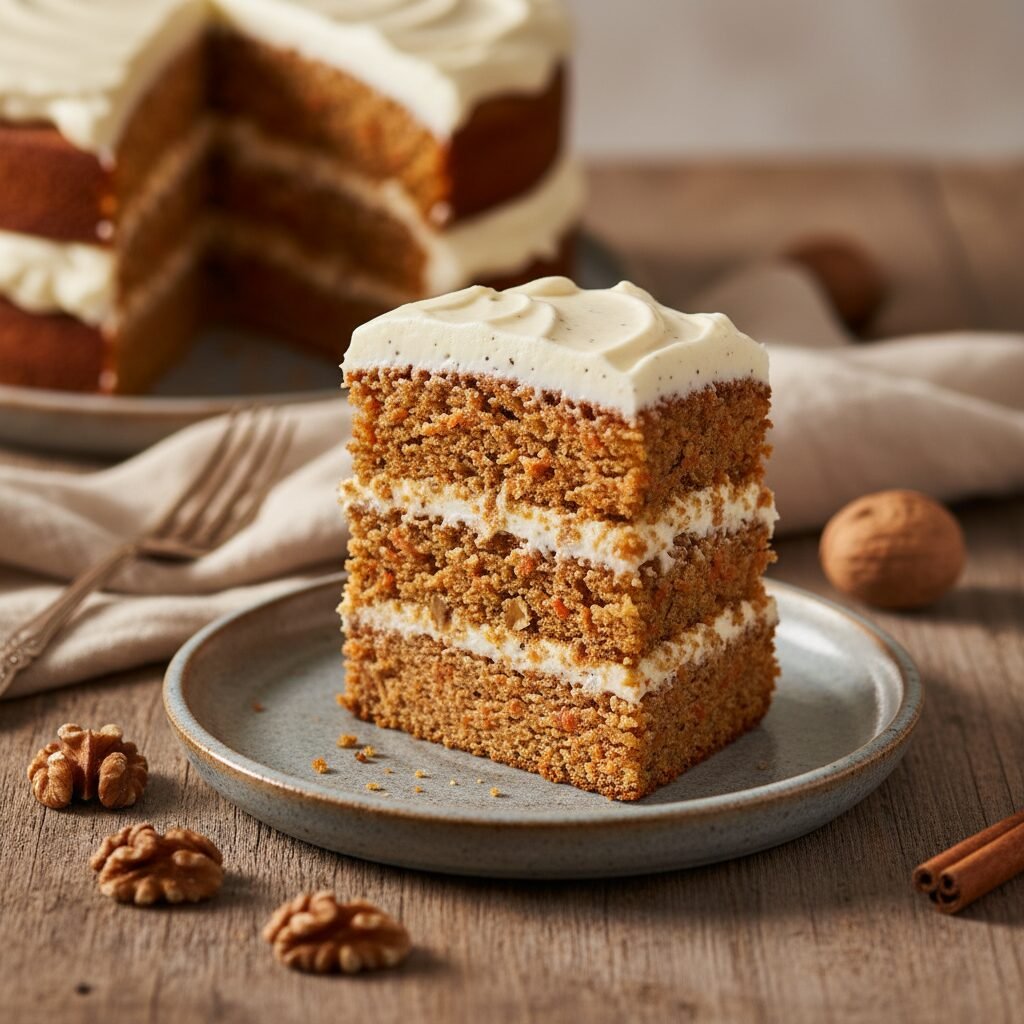
The Ultimate Moist Gluten-Free Carrot Cake with Creamy Vanilla Buttercream
Moist Gluten Free Carrot Cake With Vanilla Buttercream Recipe
Discover the secret to a perfectly moist, tender, and spiced gluten-free carrot cake that rivals any traditional bakery version. Topped with a whipped vanilla bean buttercream, this recipe is the ultimate crowd-pleaser for birthdays, holidays, or a cozy afternoon treat.
25 minutes
35 minutes
1 hour 15 minutes
12-14 servings
Dessert
Baking
American
Gluten-Free
There is a pervasive myth in the baking world that gluten-free desserts must inevitably suffer from a dry, crumbly texture or a gritty mouthfeel. This recipe effectively shatters that misconception, delivering a cake so incredibly moist, tender, and rich that your guests will likely not believe it is gluten-free. The magic lies in the careful balance of moisture-retaining ingredients and a robust spice blend that sings of warmth and comfort. We start with a foundation of high-quality gluten-free flour blend, fortified with a touch of almond flour which adds a subtle nuttiness and, more importantly, a high fat content that ensures a plush crumb. Freshly grated carrots—never pre-shredded—release their natural sugars and moisture during the bake, steaming the cake from the inside out to create that signature density that isn’t heavy, but satisfyingly substantial. The flavor profile is complex, weaving together the deep molasses notes of dark brown sugar with a triad of warming spices: cinnamon for heat, ginger for zing, and a whisper of nutmeg for aromatic depth. But a cake is only as good as its frosting. While cream cheese is traditional, we elevate this dessert with a luxurious, airy Vanilla Bean Buttercream. This frosting is whipped to a cloud-like consistency, offering a sweet, creamy counterpoint to the spiced sponge without the heaviness sometimes associated with cream cheese icings. Whether you are a seasoned gluten-free baker or trying it for the first time, this recipe promises a show-stopping centerpiece that celebrates the humble carrot in the most decadent way possible.
History & Origins
The history of carrot cake is a fascinating journey that traces back to medieval Europe, long before the modern concept of dessert cake existed. In the Middle Ages, sweeteners like sugar and honey were rare and prohibitively expensive commodities for the average household. Carrots, however, were abundant and known to contain more natural sugar than almost any other vegetable, second only to sugar beets. Resourceful cooks began incorporating carrots into sweet puddings and steamed concoctions to make them palatable and sweet without breaking the bank. These early iterations were more akin to a dense, steamed carrot pudding than the fluffy cakes we know today. The transition from pudding to cake likely occurred slowly over centuries, but the dish saw a significant revival during World War II in Great Britain. With strict rationing of sugar and other luxury ingredients, the Ministry of Food widely promoted recipes using carrots to provide sweetness in baked goods, cementing the vegetable’s role in teatime treats. However, it wasn’t until the 1960s and 1970s in the United States that carrot cake truly exploded in popularity. It became a staple of the burgeoning ‘health food’ movement, ironically perceived as a healthy option due to its vegetable content, despite being loaded with oil and sugar. It was during this American boom that the cake was famously paired with rich frostings. Today, carrot cake is a beloved classic worldwide, constantly evolving to accommodate dietary needs like this gluten-free version, ensuring its legacy continues for generations to come.
Why This Recipe Works
Gluten-free baking is often a battle against dryness and poor structure, but this recipe employs specific food science principles to guarantee success. First, the use of oil instead of butter in the batter is crucial. Oil remains liquid at room temperature, which coats the flour proteins (even gluten-free ones) more thoroughly, resulting in a sensation of moistness that lasts for days. Butter, while flavorful, solidifies when cool and can lead to a drier texture in cakes that are refrigerated. Second, the inclusion of brown sugar is not just for flavor; it is hygroscopic, meaning it attracts and holds water molecules, further preventing the cake from drying out. We also use a specific ratio of gluten-free all-purpose flour to almond flour. The almond flour adds fat and interrupts the starch network, preventing the ‘gummy’ texture that can sometimes plague gluten-free goods while adding a delicate tenderness. The addition of xanthan gum (if your blend doesn’t have it) mimics the elasticity of gluten, providing the necessary structure to hold up the heavy carrots and nuts so they don’t sink to the bottom. Finally, the vanilla buttercream is whipped for an extended period to incorporate air, creating a light texture that perfectly balances the density of the spiced carrot sponge.
Why You’ll Love This Recipe
- ✓Incredibly moist texture that stays fresh for days
- ✓Richly spiced with cinnamon, ginger, and nutmeg
- ✓Silky, whipped vanilla bean buttercream frosting
- ✓Simple one-bowl batter method for easy cleanup
- ✓Perfectly balanced sweetness suitable for all palates
Equipment You’ll Need
- ✓Two 8-inch round cake pans
- ✓Large mixing bowl
- ✓Electric stand mixer or hand mixer
- ✓Box grater or food processor
- ✓Wire cooling rack
- ✓Rubber spatula
- ✓Offset spatula
- ✓Measuring cups and spoons
- ✓Parchment paper
Ingredients
- ✓2 cups Gluten-Free All-Purpose Flour blend (ensure it contains xanthan gum)
- ✓1/2 cup Almond Flour (super fine)
- ✓1 tsp Xanthan Gum (omit if your blend has it)
- ✓2 tsp Baking Soda
- ✓1 tsp Baking Powder
- ✓1/2 tsp Salt
- ✓2 tsp Ground Cinnamon
- ✓1 tsp Ground Ginger
- ✓1/4 tsp Ground Nutmeg
- ✓1 cup Granulated Sugar
- ✓1 cup Dark Brown Sugar, packed
- ✓1 cup Vegetable Oil or Canola Oil
- ✓4 large Eggs, room temperature
- ✓1 tsp Vanilla Extract
- ✓3 cups Freshly Grated Carrots (approx. 5-6 medium carrots)
- ✓1/2 cup Chopped Walnuts or Pecans (optional)
- ✓1 cup Unsalted Butter, softened (for frosting)
- ✓4 cups Powdered Sugar (for frosting)
- ✓2 tbsp Heavy Cream (for frosting)
- ✓1 tsp Vanilla Bean Paste or Extract (for frosting)
- ✓Pinch of salt (for frosting)
Instructions
- Preheat your oven to 350°F (175°C). Grease two 8-inch round cake pans and line the bottoms with parchment paper to ensure easy release.
- In a medium bowl, whisk together the gluten-free flour, almond flour, baking soda, baking powder, salt, cinnamon, ginger, and nutmeg until well combined and free of lumps.
- In a large mixing bowl or the bowl of a stand mixer, combine the granulated sugar, brown sugar, oil, eggs, and vanilla extract. Beat on medium speed until the mixture is smooth and slightly thickened, about 2 minutes.
- Gradually add the dry ingredient mixture to the wet ingredients. Mix on low speed just until combined. Do not overmix.
- Using a rubber spatula, gently fold in the grated carrots and chopped nuts (if using) until they are evenly distributed throughout the batter.
- Divide the batter evenly between the two prepared cake pans. Smooth the tops with a spatula.
- Bake in the preheated oven for 30-35 minutes, or until a toothpick inserted into the center comes out clean or with just a few moist crumbs.
- Remove the cakes from the oven and let them cool in the pans for 15 minutes. Then, carefully invert them onto a wire rack to cool completely before frosting.
- To make the buttercream: In a stand mixer fitted with the paddle attachment, beat the softened butter on medium-high speed for 5 minutes until it is pale and creamy.
- Reduce the speed to low and gradually add the powdered sugar, one cup at a time, mixing well after each addition.
- Add the heavy cream, vanilla bean paste, and a pinch of salt. Increase the speed to high and whip for another 3-4 minutes until the frosting is light, airy, and fluffy.
- Once the cakes are completely cool, place one layer on a serving plate. Spread a generous layer of buttercream over the top. Place the second layer on top and frost the top and sides of the entire cake.
- Garnish with extra chopped nuts or carrot curls if desired. Slice and serve.
Expert Cooking Tips
- ✓Always grate your carrots fresh at home using the medium holes of a box grater. Pre-bagged shredded carrots are too dry and hard.
- ✓Ensure all your refrigerated ingredients, especially eggs and butter, are at room temperature to create a smooth emulsion.
- ✓Weigh your flour using a kitchen scale for the most accurate results; gluten-free flours can vary significantly in density.
- ✓Don’t skip the almond flour; it adds essential moisture that combats the grittiness often found in gluten-free cakes.
- ✓Let the cake cool completely before frosting. Even a slightly warm cake will melt the butter in the buttercream.
- ✓If the frosting is too soft, refrigerate it for 10 minutes before piping or spreading.
- ✓Use a parchment round in your cake pans to guarantee the cakes come out without sticking.
Substitutions and Variations
This recipe is versatile enough to accommodate several dietary needs and pantry limitations. If you have a nut allergy, you can replace the almond flour with an equal amount of gluten-free oat flour or simply use more of your all-purpose gluten-free blend, though the texture may be slightly less rich. For the oil, melted coconut oil or light olive oil are excellent alternatives to vegetable oil. If you prefer a dairy-free cake, the cake sponge itself is already dairy-free, but you will need to swap the butter and cream in the frosting for high-quality vegan butter sticks and a plant-based milk like oat or almond milk. For the sugar, you can use coconut sugar instead of brown sugar for a lower glycemic index, though the flavor will be slightly more caramel-like. If you don’t have vanilla bean paste, standard vanilla extract works perfectly fine, though you won’t get the visual appeal of the speckles.
Common Mistakes to Avoid
The most common mistake with this cake is over-baking. Gluten-free baked goods can dry out faster than wheat-based ones, so keep a close eye on the oven during the final minutes. The cake is done when it springs back lightly when touched. Another error is using a gluten-free flour blend that is bean-based, which can leave a funky aftertaste; stick to rice or tapioca-based blends for the cleanest flavor. Grating the carrots too finely can result in a mushy cake, while grating them too thickly can leave crunchy bits; a medium grate is ideal. Lastly, rushing the cooling process is a recipe for disaster. Gluten-free structures take longer to set, so handling the cake while it’s warm can cause it to crumble or break apart.
Serving Suggestions
This rich and flavorful cake pairs beautifully with a hot cup of Earl Grey tea or a dark roast coffee, which cuts through the sweetness of the buttercream. For a dessert course, serve slices slightly chilled or at room temperature. It makes a fantastic birthday cake due to its structural integrity, allowing for decorations. If you want to add a fresh element, serve with a side of fresh berries or a dollop of tart lemon curd on the plate to contrast the warm spices. For a festive autumn touch, garnish with candied pecans or a dusting of extra cinnamon.
Storage and Reheating Tips
Because this cake contains fresh vegetables and a butter-based frosting, it is best stored in the refrigerator, especially in warmer climates. Place the cake in an airtight cake carrier or cover the cut sections with plastic wrap to prevent drying. It will keep well in the fridge for up to 5 days. The flavors often meld and improve on the second day. For freezing, you can freeze the unfrosted layers wrapped tightly in plastic wrap and foil for up to 3 months. Thaw overnight in the refrigerator before frosting. You can also freeze individual slices of the frosted cake; just flash freeze them on a baking sheet until the frosting is hard, then wrap individually.
Nutrition Facts (Estimated)
| Serving Size | 1 slice |
| Calories | 480 |
| Fat | 28g |
| Saturated Fat | 10g |
| Unsaturated Fat | 16g |
| Trans Fat | 0g |
| Cholesterol | 65mg |
| Sodium | 210mg |
| Carbohydrates | 54g |
| Fiber | 3g |
| Sugar | 38g |
| Protein | 5g |
Frequently Asked Questions
Can I make this recipe into cupcakes?
Yes, absolutely! This batter works perfectly for cupcakes. Line a muffin tin with liners and fill them about 2/3 full. Bake at 350°F for 18-22 minutes. It should yield about 24 cupcakes.
Why did my cake sink in the middle?
Sinking usually happens if the cake was underbaked or if the oven door was opened too early, causing a temperature drop. It can also happen if there is too much leavening (baking soda/powder) for the amount of structure provided by the flour.
Can I add pineapple or coconut?
Yes, you can add 1/2 cup of drained crushed pineapple or shredded coconut for a ‘Hummingbird’ style twist. Just be aware that pineapple adds extra moisture, so you might need to bake it a few minutes longer.
What gluten-free flour brand do you recommend?
King Arthur Measure for Measure or Bob’s Red Mill 1-to-1 Baking Flour are excellent choices that are widely available and yield consistent results.
Is the almond flour necessary?
While the cake can be made without it by substituting with more AP flour, the almond flour provides fat and moisture that significantly improves the texture and shelf-life of the cake.
Can I use cream cheese frosting instead?
Certainly. If you prefer the traditional tang, simply beat 8oz of cream cheese with 1/2 cup butter, then add powdered sugar and vanilla as usual.
Do I need to peel the carrots?
Yes, it is recommended to peel the carrots before grating. The skins can sometimes be bitter and tough, which detracts from the delicate texture of the cake.
Why is my frosting runny?
Runny frosting is usually caused by butter that was too warm or adding too much liquid. You can fix it by adding more powdered sugar or refrigerating the frosting for 15-20 minutes to firm up.
Conclusion
There is something profoundly comforting about a slice of homemade carrot cake. It bridges the gap between a wholesome snack and a decadent dessert, offering a complexity of flavor that plain vanilla or chocolate sometimes lack. This Gluten-Free Moist Carrot Cake with Vanilla Buttercream is a testament to how delicious dietary-friendly baking can be. By following the tips and techniques outlined here, you can create a masterpiece that everyone at your table can enjoy, regardless of their gluten tolerance. So, grab your grater, preheat your oven, and get ready to fill your kitchen with the irresistible aroma of spices and sugar. Happy baking!