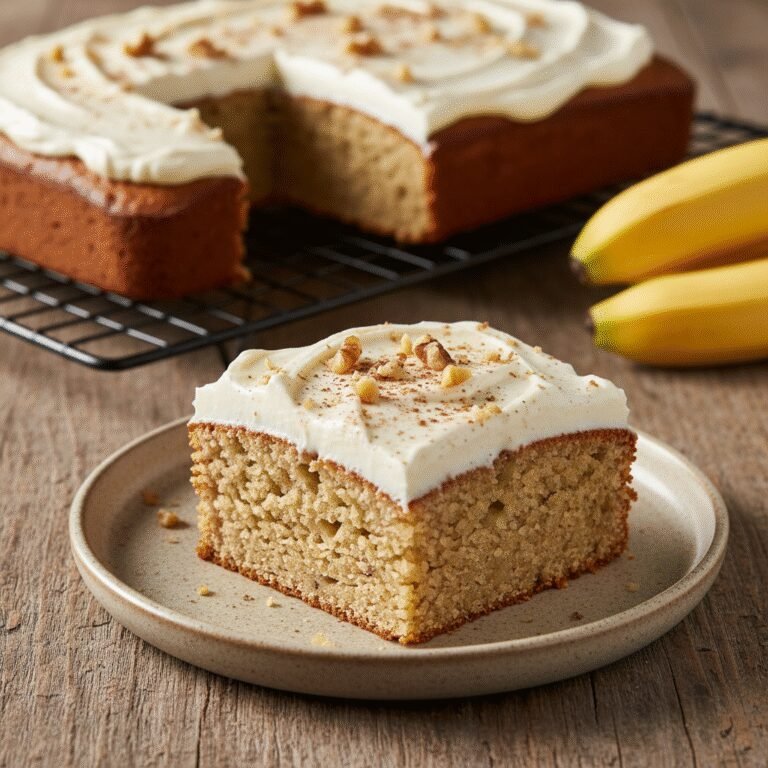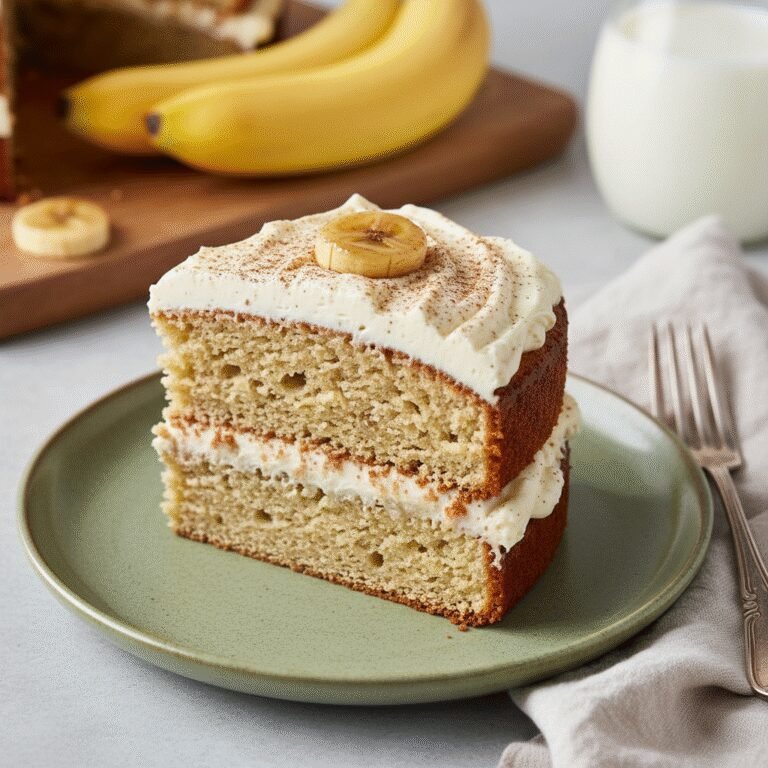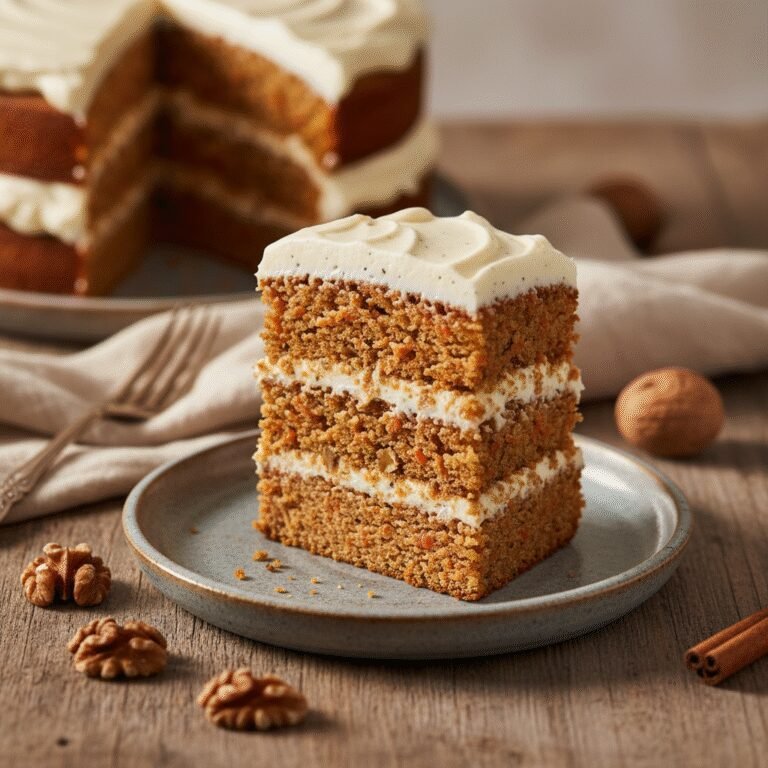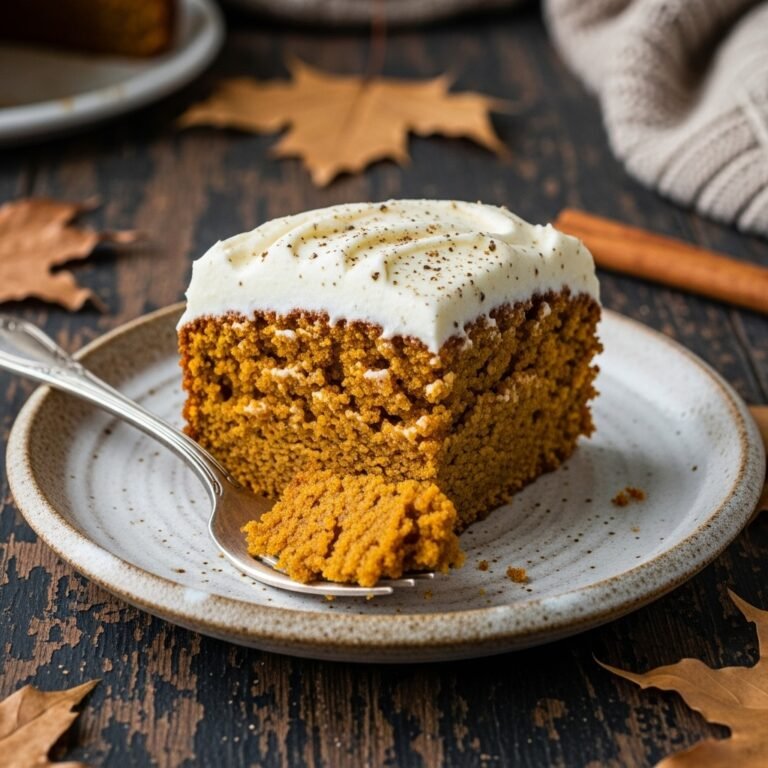
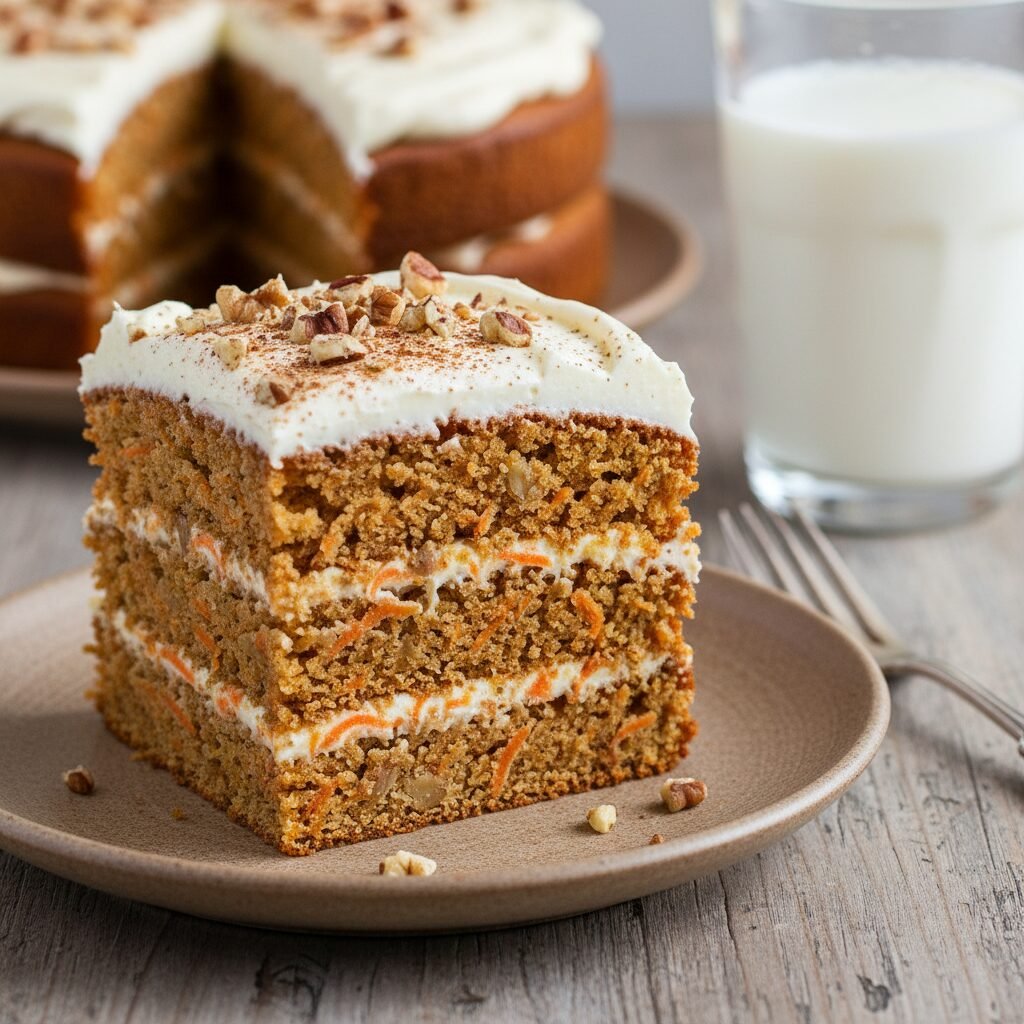
The Best Moist Gluten Free Carrot Cake With Cream Cheese Frosting
Moist Gluten Free Carrot Cake With Cream Cheese Frosting Recipe
Discover the ultimate Gluten-Free Carrot Cake that rivals any traditional recipe. Packed with fresh carrots, warm spices, and topped with a luscious, tangy cream cheese frosting, this cake is incredibly moist and tender. It is the perfect dessert for Easter, birthdays, or any time you crave a comforting slice of spice cake without the gluten.
25 minutes
35 minutes
1 hour
12 servings (2-layer 8-inch cake)
Dessert
Baking
American
Gluten-Free
If there is one dessert that consistently bridges the gap between ‘health food’ skepticism and pure indulgence, it is carrot cake. But for those of us living a gluten-free lifestyle, finding a recipe that replicates that dense, moist, and tender crumb can be a challenge. Often, gluten-free baking results in dry, crumbly textures that fall apart the moment a fork touches them. Not this time. This Moist Gluten Free Carrot Cake is a revelation. It is specifically engineered to retain moisture for days, thanks to a careful balance of brown sugar, oil, and a generous amount of freshly grated carrots. The spices—cinnamon, nutmeg, and a hint of ginger—bloom beautifully against the sweetness of the cake, creating a flavor profile that is warm, comforting, and deeply satisfying.
What truly elevates this cake, however, is the contrast between the spiced sponge and the frosting. We are using a classic cream cheese frosting, whipped to fluffy perfection. The tang of the cream cheese cuts through the sweetness of the cake and the richness of the nuts, creating a harmonious bite that is neither too sweet nor too heavy. Whether you are a seasoned gluten-free baker or just starting out, this recipe is forgiving and straightforward. You don’t need a dozen different flours; a high-quality 1-to-1 gluten-free flour blend works magic here. As you bake, your kitchen will fill with the intoxicating aroma of toasted spices and sweet carrots, promising a dessert that everyone—gluten-free or not—will be fighting over. This isn’t just a ‘good for gluten-free’ cake; it’s simply a spectacular cake, period.
History & Origins
The origins of carrot cake are somewhat debated, but food historians often trace its lineage back to the medieval period in Europe. During the Middle Ages, sweeteners like sugar were rare and prohibitively expensive for the common cook. Carrots, however, were abundant and known to contain more natural sugar than almost any other vegetable, second only to sugar beets. As a result, they were frequently used in sweet puddings and desserts as a way to add sweetness without the cost. These early ‘carrot puddings’ were often steamed or boiled, featuring ingredients like breadcrumbs, meat, and spices—a far cry from the fluffy cakes we know today.
Fast forward to the 20th century, specifically during World War II in Great Britain. With rationing in full effect, sugar was once again a scarce commodity. The British government promoted recipes using carrots as a sweetener to help citizens cope with limited supplies, reviving the vegetable’s status in dessert making. After the war, the concept crossed the Atlantic to the United States. It was in the 1960s and 1970s that carrot cake truly exploded in popularity in America, becoming a staple of cafes and health food restaurants. It was viewed as a ‘healthier’ alternative to decadent chocolate cakes, though the addition of the now-iconic cream cheese frosting certainly pushed it back into the realm of indulgence. Today, the carrot cake is a beloved classic, evolving from a medieval necessity to a modern-day comfort food icon, and now, successfully adapted for the gluten-free community.
Why This Recipe Works
The success of this Gluten Free Carrot Cake lies in the science of moisture retention and structural integrity, which are the two biggest hurdles in gluten-free baking. Traditional wheat flour provides a protein structure (gluten) that holds gas bubbles and gives cake its lift and chew. When you remove gluten, you risk a cake that is dense or crumbly. To combat this, we rely on a high-quality 1-to-1 gluten-free flour blend that already contains xanthan gum, which acts as a binder to mimic the elasticity of gluten.
Furthermore, moisture is king in this recipe. We use oil instead of butter for the batter. Oil remains liquid at room temperature, ensuring the cake stays soft and moist on the counter or in the fridge, whereas butter can solidify and make the crumb feel dry. The use of brown sugar is also crucial; its molasses content attracts and holds moisture (hygroscopy) better than white sugar alone. Finally, the carrots themselves release water as they bake, steaming the cake from the inside out. We also add a touch of applesauce or crushed pineapple in some variations, but even just the high volume of carrots ensures a tender crumb. The result is a cake that actually improves in texture the day after baking, allowing the flavors to meld and the moisture to distribute evenly.
Why You’ll Love This Recipe
- ✓Incredibly moist texture that stays soft for days.
- ✓Rich, warm spice flavor profile with cinnamon and nutmeg.
- ✓Simple one-bowl mixing method for the batter.
- ✓Tangy, fluffy cream cheese frosting that pairs perfectly.
- ✓Completely gluten-free with no compromise on taste.
- ✓Customizable with nuts, raisins, or pineapple.
Equipment You’ll Need
- ✓Two 8-inch or 9-inch round cake pans
- ✓Large mixing bowl
- ✓Medium mixing bowl
- ✓Electric hand mixer or stand mixer
- ✓Whisk
- ✓Rubber spatula
- ✓Box grater or food processor
- ✓Wire cooling rack
- ✓Measuring cups and spoons
Ingredients
- ✓2 1/2 cups Gluten-Free All-Purpose Flour Blend (ensure it contains xanthan gum)
- ✓2 teaspoons baking powder
- ✓1 teaspoon baking soda
- ✓1/2 teaspoon salt
- ✓2 teaspoons ground cinnamon
- ✓1/2 teaspoon ground nutmeg
- ✓1/4 teaspoon ground ginger
- ✓1 1/4 cups vegetable oil (or canola/melted coconut oil)
- ✓1 cup granulated sugar
- ✓1 cup packed light brown sugar
- ✓4 large eggs, room temperature
- ✓2 teaspoons pure vanilla extract
- ✓3 cups grated carrots (approx. 5-6 medium carrots)
- ✓1 cup chopped pecans or walnuts (optional)
- ✓1/2 cup raisins (optional)
- ✓— For the Frosting —
- ✓16 oz (2 blocks) full-fat cream cheese, softened
- ✓1/2 cup (1 stick) unsalted butter, softened
- ✓4 cups powdered sugar, sifted
- ✓2 teaspoons pure vanilla extract
- ✓Pinch of salt
Instructions
- Preheat your oven to 350°F (175°C). Grease two 8-inch or 9-inch round cake pans generously with oil or butter. Line the bottoms with parchment paper for easy release.
- In a medium bowl, whisk together the gluten-free flour, baking powder, baking soda, salt, cinnamon, nutmeg, and ginger. Ensure there are no lumps.
- In a large mixing bowl (or stand mixer bowl), combine the vegetable oil, granulated sugar, and brown sugar. Beat on medium speed until well combined and slightly thickened.
- Add the eggs one at a time, beating well after each addition. Stir in the vanilla extract.
- Gradually add the dry flour mixture to the wet ingredients. Mix on low speed just until combined. Do not overmix.
- Using a rubber spatula, fold in the grated carrots and nuts/raisins (if using) by hand until evenly distributed throughout the batter.
- Divide the batter evenly between the two prepared cake pans. Smooth the tops with a spatula.
- Bake in the center of the preheated oven for 30-35 minutes, or until a toothpick inserted into the center comes out clean or with just a few moist crumbs.
- Remove the cakes from the oven and let them cool in the pans for about 10-15 minutes. Then, carefully invert them onto a wire rack to cool completely before frosting. This is crucial to prevent the frosting from melting.
- While the cakes cool, prepare the frosting. In a large bowl, beat the softened cream cheese and butter together until smooth and creamy (about 2-3 minutes).
- Gradually add the powdered sugar, one cup at a time, beating on low speed until incorporated. Add the vanilla and pinch of salt.
- Increase the mixer speed to high and whip the frosting for 2-3 minutes until it is fluffy and white.
- Once the cakes are completely cool, place one layer on a serving plate. Spread a thick layer of frosting over the top. Place the second cake layer on top.
- Frost the top and sides of the cake with the remaining frosting. Garnish with extra chopped nuts or carrot curls if desired.
Expert Cooking Tips
- ✓Weigh your flour if possible; gluten-free baking is sensitive to measurements.
- ✓Grate your own carrots. Pre-shredded carrots are often dry and hard.
- ✓Ensure all dairy ingredients are at room temperature for a lump-free frosting.
- ✓Let the batter sit for 10 minutes before baking to allow the GF flour to hydrate.
- ✓Do not open the oven door too early, or the cakes may sink in the middle.
- ✓If the frosting is too soft, refrigerate it for 20 minutes before spreading.
- ✓Toasting the pecans before adding them adds a deeper, nuttier flavor.
Substitutions and Variations
This recipe is quite versatile. If you need to be dairy-free, you can substitute the cream cheese and butter in the frosting with high-quality vegan alternatives; look for brands that are firm, not tub-style, for the best stability. For the cake itself, the oil makes it naturally dairy-free. If you have a nut allergy, simply omit the pecans or walnuts; you can replace them with pumpkin seeds for crunch or just leave them out entirely. If you prefer a lighter sugar content, you can reduce the white sugar by 1/4 cup, but keep the brown sugar as is for moisture. Coconut sugar can be swapped for brown sugar for a lower glycemic index option, though it will slightly alter the flavor profile.
Common Mistakes to Avoid
The most common mistake in gluten-free baking is over-measuring the flour. If you scoop directly from the bag, you compact the flour and end up with a dry cake. Always use the ‘spoon and level’ method or a kitchen scale. Another mistake is frosting the cake while it is still warm. Cream cheese frosting is heat-sensitive and will slide right off a warm cake. Ensure your cakes are cool to the touch. Finally, don’t use ‘fat-free’ or ‘spreadable’ cream cheese in a tub for the frosting; it has too high a water content and will result in a runny mess. Use full-fat brick cream cheese.
Serving Suggestions
Serve this cake at room temperature to ensure the frosting is creamy and the cake is soft. It pairs beautifully with a hot cup of coffee or Earl Grey tea, which complements the spices. For a dinner party, slice it thinly and serve with a side of vanilla bean ice cream or a dollop of whipped cream. If you are serving this for Easter, garnish the top with marzipan carrots or edible flowers for a festive touch.
Storage and Reheating Tips
Because of the cream cheese frosting, this cake must be stored in the refrigerator. It will keep well in an airtight container for up to 5 days. The cold can firm up the texture slightly, so let slices sit at room temperature for 15-20 minutes before eating for the best experience. You can also freeze the unfrosted cake layers for up to 2 months. Wrap them tightly in plastic wrap and then foil. Thaw in the fridge overnight before frosting.
Nutrition Facts (Estimated)
| Serving Size | 1 slice |
| Calories | 580 |
| Fat | 34g |
| Saturated Fat | 10g |
| Unsaturated Fat | 22g |
| Trans Fat | 0g |
| Cholesterol | 65mg |
| Sodium | 310mg |
| Carbohydrates | 66g |
| Fiber | 3g |
| Sugar | 42g |
| Protein | 6g |
Frequently Asked Questions
Can I make this cake ahead of time?
Yes, in fact, carrot cake often tastes better the next day as the flavors meld and the moisture distributes. You can bake the layers a day ahead, wrap them, and frost on the day of serving.
Why did my gluten-free cake sink in the middle?
This usually happens if the cake was underbaked or if the oven door was opened too early, causing a rapid temperature drop. It can also be caused by too much leavening (baking soda/powder).
Can I use almond flour instead of a GF blend?
No, almond flour behaves very differently from a 1-to-1 blend. It lacks the starch and structure needed for this specific recipe. You would need a recipe specifically designed for almond flour.
Do I need xanthan gum?
Yes, xanthan gum mimics the elasticity of gluten. Most 1-to-1 GF blends contain it, but if yours doesn’t, add 1 teaspoon to the dry ingredients.
Can I make this into cupcakes?
Absolutely. This recipe will make about 24 standard cupcakes. Bake them for 18-22 minutes at 350°F.
Is this cake dairy-free?
The cake sponge is dairy-free as it uses oil. The frosting contains butter and cream cheese, but you can use vegan alternatives to make the whole dish dairy-free.
How do I grate the carrots?
Use the medium holes on a box grater. Do not use the fine holes, or the carrots will turn to mush and make the cake too wet. A food processor with a grating attachment also works well.
Can I reduce the sugar?
You can reduce the granulated sugar slightly, but be careful reducing the brown sugar, as it contributes significantly to the moisture of the cake.
Conclusion
There is something deeply comforting about a slice of homemade carrot cake, and this gluten-free version ensures that no one has to miss out on that joy. With its lush, spiced crumb and creamy, tangy frosting, it is a dessert that stands tall against any wheat-based competitor. Whether you are baking for a special occasion or just a weekend treat, the effort you put into grating those fresh carrots will be rewarded with every bite. So preheat your oven, grab your mixing bowl, and get ready to bake the best gluten-free carrot cake you have ever tasted.