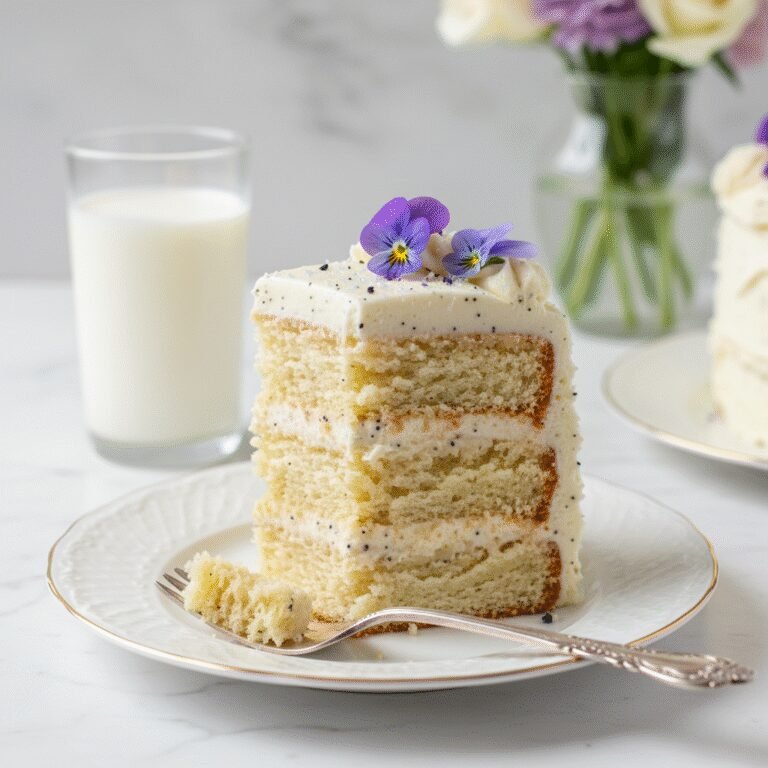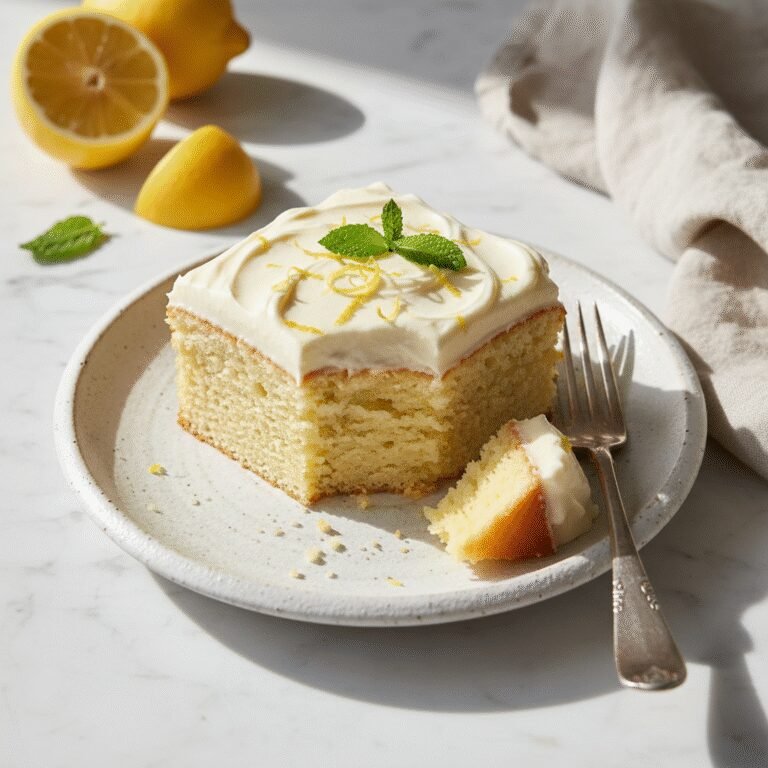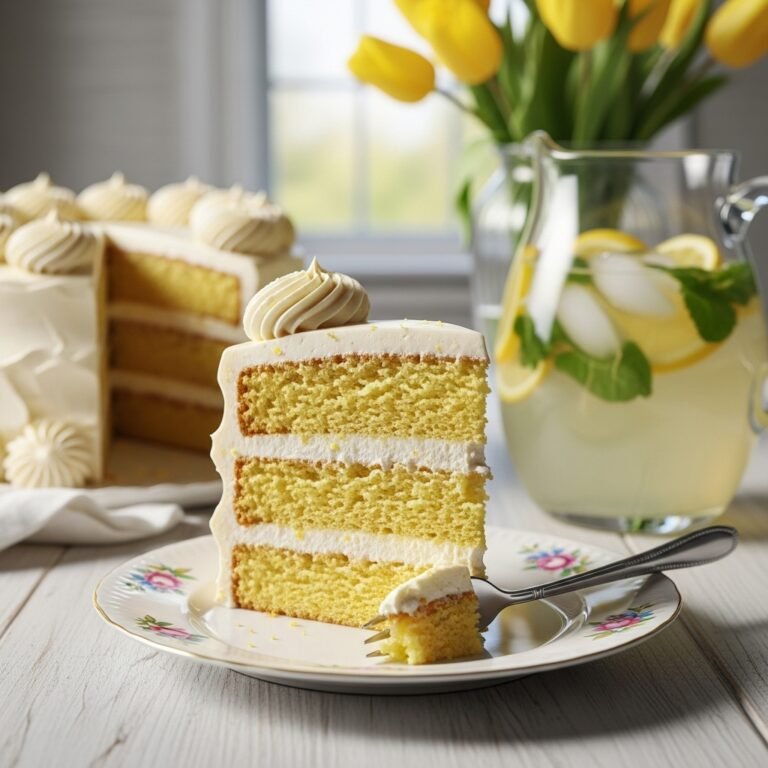
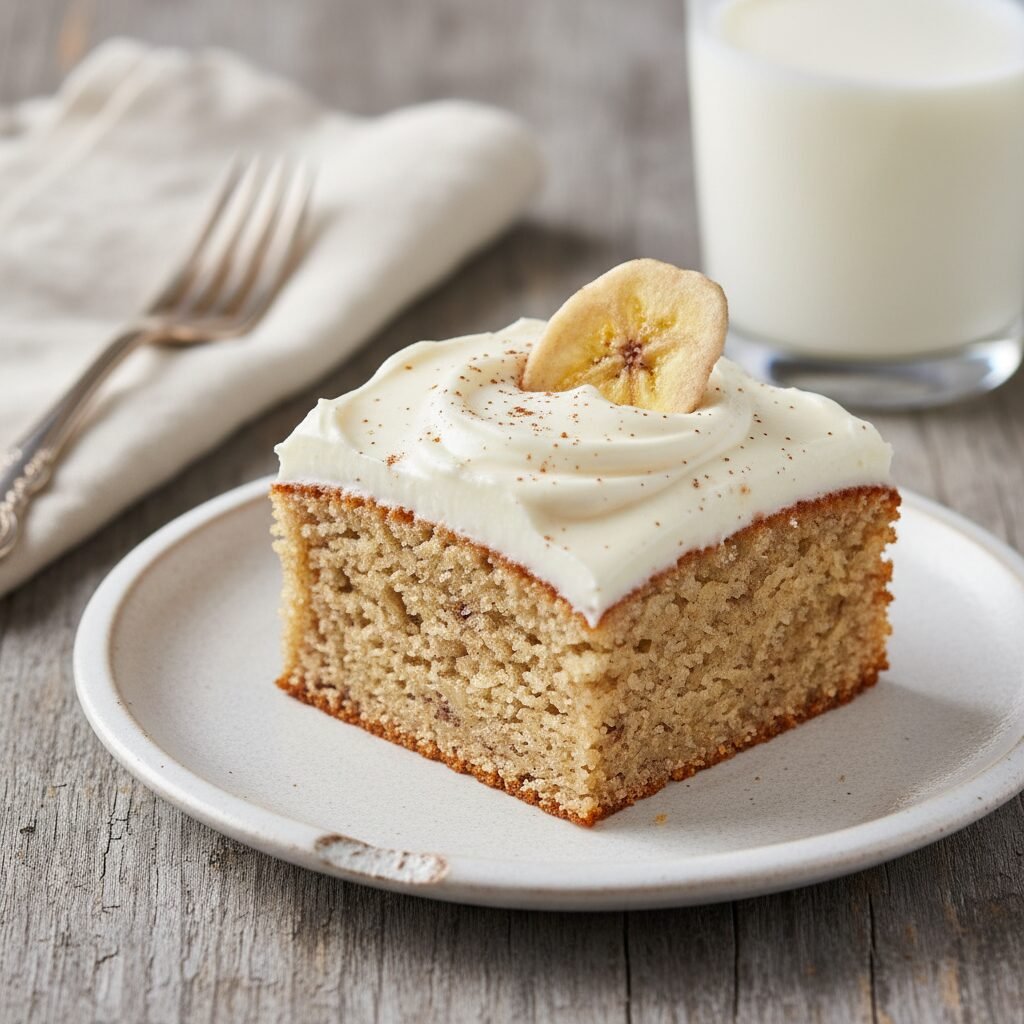
The Ultimate Moist Gluten Free Banana Cake with Tangy Cream Cheese Frosting
Moist Gluten Free Banana Cake With Cream Cheese Frosting Recipe
Discover the secret to the most tender, melt-in-your-mouth Gluten Free Banana Cake you’ve ever tasted. Topped with a luscious, velvety cream cheese frosting, this easy recipe banishes dry, crumbly gluten-free baking forever and is perfect for birthdays, holidays, or a cozy afternoon treat.
20 minutes
35 minutes
55 minutes
12 servings
Dessert
Baking
American
Gluten-Free
If you have been on the hunt for the holy grail of gluten-free baking, look no further. We all know the struggle: finding a gluten-free cake that doesn’t taste like cardboard or crumble into a pile of sand the moment you look at it. This Moist Gluten Free Banana Cake is the answer to your prayers. It is incredibly soft, densely flavorful, and possesses a crumb so tender you would never guess it lacks wheat.
The magic lies in the balance of ripe bananas, the right blend of gluten-free flours, and a generous amount of moisture-rich ingredients that lock in hydration. When you take that first bite, you are greeted with the sweet, nostalgic aroma of caramelized bananas, followed immediately by the tangy, rich bite of homemade cream cheese frosting. It is a match made in dessert heaven.
I created this recipe after countless failed attempts with store-bought mixes that just didn’t deliver. I wanted a cake that could stand proudly on a birthday table, one that non-gluten-free eaters would devour without a second thought. This cake is robust enough to hold its shape but delicate enough to melt on your tongue. Whether you are a seasoned gluten-free baker or a complete novice just trying to bake for a loved one with dietary restrictions, this recipe is foolproof. Get ready to fill your kitchen with the most intoxicating scent of baked bananas and vanilla—it’s time to bake the best cake of your life.
History & Origins
The history of banana cake is inextricably linked to the history of banana bread, a beloved American staple that rose to prominence during the Great Depression. As food became scarce, housewives refused to throw away overripe bananas. Instead, they mashed them up and incorporated them into quick breads, utilizing baking soda and baking powder as leavening agents became more commercially available. This resourcefulness birthed a classic comfort food that has remained popular for nearly a century.
However, the evolution from a dense, breakfast-style bread to a light, fluffy cake is a more recent culinary refinement. While banana bread is typically heavier and lower in sugar, banana cake is creamed like a traditional butter cake, resulting in a finer crumb and a sweeter profile perfect for frosting.
The gluten-free aspect of this history is a modern chapter. As awareness of Celiac disease and gluten sensitivity exploded in the early 21st century, the demand for high-quality baked goods followed suit. Early gluten-free adaptations were often disappointing—dense, gummy, or dry. It took years of experimentation with rice flours, starches like tapioca and potato, and binders like xanthan gum to replicate the structural integrity of wheat gluten. This recipe represents the culmination of that history: a modern marvel that honors the Depression-era roots of using ripe fruit while embracing contemporary food science to create a texture that rivals any traditional wheat-based cake. It is a testament to how far gluten-free baking has come, moving from a dietary compromise to a culinary delight in its own right.
Why This Recipe Works
The primary reason this recipe succeeds where others fail is the meticulous balance of moisture and structure. Gluten-free flours are notorious for being thirsty; they absorb liquid differently than wheat flour, often leading to a dry product. To combat this, we utilize a high ratio of mashed bananas and sour cream (or Greek yogurt). The bananas provide natural sugars and pectin, which help retain moisture, while the acidity in the sour cream tenderizes the crumb by breaking down long protein strands in the eggs and activating the baking soda for a better rise.
Furthermore, the choice of fat is crucial. We use a combination of butter for flavor and oil for texture. Butter provides that classic bakery taste, but oil remains liquid at room temperature, ensuring the cake stays soft for days.
Finally, the structural integrity is secured through a high-quality 1:1 gluten-free flour blend that already contains xanthan gum. Xanthan gum acts as the ‘glue’ in the absence of gluten, providing elasticity and preventing the cake from crumbling. By creaming the butter and sugar thoroughly, we aerate the batter, creating pockets of air that expand in the oven, resulting in a light, fluffy lift rather than a dense, gummy puck. This scientific approach ensures a consistent, bakery-quality result every time.
Why You’ll Love This Recipe
- ✓Incredibly moist texture that stays soft for days
- ✓Rich, tangy cream cheese frosting that perfectly balances the sweet banana
- ✓Simple one-bowl method for the frosting
- ✓No gritty texture—indistinguishable from wheat cake
- ✓Freezer-friendly for make-ahead desserts
- ✓Perfect use for those brown, spotted bananas sitting on your counter
Equipment You’ll Need
- ✓9×13 inch baking pan or two 9-inch round cake pans
- ✓Stand mixer or electric hand mixer
- ✓Large mixing bowl
- ✓Medium mixing bowl
- ✓Rubber spatula
- ✓Measuring cups and spoons
- ✓Wire cooling rack
- ✓Potato masher or fork (for bananas)
Ingredients
- ✓2 1/2 cups Gluten-Free All-Purpose Flour Blend (ensure it contains xanthan gum)
- ✓1 tsp Xanthan Gum (omit if your blend already has it)
- ✓1 1/2 tsp Baking Powder
- ✓1 tsp Baking Soda
- ✓1/2 tsp Fine Sea Salt
- ✓1 tsp Ground Cinnamon
- ✓1/2 cup Unsalted Butter, softened to room temperature
- ✓1/2 cup Vegetable Oil (or melted coconut oil)
- ✓1 cup Granulated White Sugar
- ✓1/2 cup Light Brown Sugar, packed
- ✓3 Large Eggs, room temperature
- ✓2 tsp Pure Vanilla Extract
- ✓1 1/2 cups Ripe Bananas, mashed (approx. 3-4 medium bananas)
- ✓1/2 cup Sour Cream or plain Greek Yogurt, room temperature
- ✓— FOR THE FROSTING —
- ✓8 oz Full-Fat Cream Cheese, softened block style
- ✓1/2 cup Unsalted Butter, softened
- ✓3 1/2 cups Powdered Sugar, sifted
- ✓1 tsp Pure Vanilla Extract
- ✓Pinch of salt
Instructions
- Preheat your oven to 350°F (175°C). Grease a 9×13 inch baking pan (or two 9-inch round pans) with butter or cooking spray and line with parchment paper for easy removal.
- In a medium bowl, whisk together the gluten-free flour, baking powder, baking soda, salt, and cinnamon. Ensure there are no lumps and set aside.
- In the bowl of a stand mixer fitted with the paddle attachment (or a large bowl using a hand mixer), cream together the softened butter, vegetable oil, granulated sugar, and brown sugar on medium-high speed for about 3-4 minutes until light and fluffy.
- Add the eggs one at a time, beating well after each addition. Scrape down the sides of the bowl. Stir in the vanilla extract.
- Reduce the mixer speed to low. Add the mashed bananas and sour cream (or yogurt) and mix until just combined.
- Gradually add the dry ingredients to the wet ingredients in two batches, mixing on low speed only until streaks of flour disappear. Do not overmix, or the cake may become rubbery.
- Pour the batter into the prepared baking pan(s) and smooth the top with a rubber spatula.
- Bake for 30-35 minutes (check at 25 minutes for round pans) or until a toothpick inserted into the center comes out clean or with just a few moist crumbs. The top should be golden brown and spring back when lightly touched.
- Remove from the oven and allow the cake to cool completely in the pan placed on a wire rack. It is crucial the cake is 100% cool before frosting, or the frosting will melt.
- While the cake cools, make the frosting. Beat the softened cream cheese and butter together on high speed until smooth and creamy (about 3 minutes).
- Lower the speed and gradually add the powdered sugar, one cup at a time. Add the vanilla and salt. Once incorporated, increase speed to high and whip for 2 minutes until fluffy.
- Spread the frosting generously over the cooled cake. Slice and serve immediately.
Expert Cooking Tips
- ✓Use extremely ripe bananas with plenty of brown spots for the sweetest flavor and best moisture.
- ✓Ensure all cold ingredients (eggs, sour cream, butter) are at room temperature to prevent the batter from curdling.
- ✓Weigh your flour if possible (approx. 120-130g per cup) to avoid a dense cake caused by over-measuring.
- ✓Do not skip the sour cream; the acidity is vital for the baking soda to react and create a fluffy texture.
- ✓Let the cake cool completely before frosting; gluten-free cakes can be more fragile when warm.
- ✓If using a flour blend without xanthan gum, you must add it separately (1/4 tsp per cup of flour) or the cake will fall apart.
Substitutions and Variations
This recipe is quite versatile if you need to accommodate other dietary restrictions or pantry shortages. For a dairy-free version, substitute the butter with a high-quality vegan butter stick (not tub margarine) and use a dairy-free sour cream or coconut yogurt. The cream cheese frosting can also be made with vegan cream cheese and butter alternatives, though you may need to add a bit more powdered sugar for stability. If you don’t have brown sugar, you can use all white sugar, though the flavor will be slightly less caramel-like. You can substitute the vegetable oil with melted coconut oil or avocado oil. If you want to reduce refined sugar, coconut sugar can replace the brown sugar, but the texture might be slightly denser. For mix-ins, feel free to fold in 1/2 cup of chopped walnuts, pecans, or gluten-free chocolate chips before baking.
Common Mistakes to Avoid
The most common mistake in gluten-free baking is measuring the flour incorrectly. Scooping directly from the bag packs the flour down, leading to a dry, hard cake. Always use the ‘spoon and level’ method or a kitchen scale. Another error is using under-ripe bananas; green or yellow bananas lack the sugar content and moisture needed for this recipe. Don’t try to speed up the cooling process by putting the hot cake in the fridge, as this can trap condensation and make the cake soggy. Finally, be careful not to over-beat the batter once the flour is added. While gluten-free flour doesn’t toughen up as fast as wheat flour, over-mixing can still knock out the air bubbles you worked hard to create during the creaming process, resulting in a flat cake.
Serving Suggestions
This cake is rich and flavorful enough to stand on its own, but it pairs beautifully with a hot cup of coffee or tea for an afternoon pick-me-up. For a dessert presentation, serve a slice with a side of fresh berries—strawberries or raspberries work particularly well to cut through the richness of the cream cheese. A drizzle of salted caramel sauce over the top adds a decadent touch. If you are serving this for a brunch, it looks lovely on a platter garnished with edible flowers or banana chips. In the summer, a scoop of vanilla bean ice cream on the side is never a bad idea.
Storage and Reheating Tips
Because of the cream cheese frosting, this cake should be stored in the refrigerator. Place it in an airtight container or cover the pan tightly with plastic wrap. It will stay fresh for up to 5 days. However, gluten-free baked goods can dry out in the fridge, so let the slice come to room temperature for about 15-20 minutes before eating for the best texture. You can also freeze the cake. If unfrosted, wrap layers in plastic wrap and foil and freeze for up to 3 months. If frosted, flash freeze the slices on a baking sheet until the frosting is hard, then wrap individually in plastic wrap and place in a freezer bag. Thaw in the fridge overnight.
Nutrition Facts (Estimated)
| Serving Size | 1 slice |
| Calories | 420 |
| Fat | 22g |
| Saturated Fat | 10g |
| Unsaturated Fat | 11g |
| Trans Fat | 0g |
| Cholesterol | 65mg |
| Sodium | 210mg |
| Carbohydrates | 54g |
| Fiber | 2g |
| Sugar | 28g |
| Protein | 4g |
Frequently Asked Questions
Can I make this cake dairy-free?
Yes! Substitute the butter with vegan butter sticks, the sour cream with dairy-free yogurt, and use vegan cream cheese for the frosting.
Why did my cake sink in the middle?
This usually happens if the oven door was opened too early, releasing heat, or if the cake was underbaked. It can also happen if there was too much leavening (baking soda/powder).
Can I use almond flour instead of a GF blend?
No, almond flour behaves very differently. This recipe relies on a 1:1 rice-flour based blend. Using only almond flour would require a completely different recipe.
My bananas aren’t ripe enough. What can I do?
You can roast unpeeled bananas on a baking sheet at 300°F for 15-20 minutes until the skins are black and the fruit is soft.
Can I make this into cupcakes?
Absolutely. This batter will make about 24 cupcakes. Bake them at 350°F for 18-22 minutes.
Do I really need xanthan gum?
Yes, for gluten-free baking, xanthan gum is essential to replicate the elasticity of gluten. Without it, the cake will be crumbly and fall apart.
Is this cake safe for Celiacs?
Yes, as long as you ensure your flour blend and all other ingredients are certified gluten-free and prepared in a cross-contamination-free environment.
Can I reduce the sugar?
You can reduce the sugar by about 25% without ruining the structure, but the cake will be less moist and have a shorter shelf life.
Conclusion
There is truly nothing quite like the comfort of a homemade banana cake, and having a gluten sensitivity shouldn’t rob you of that joy. This Moist Gluten Free Banana Cake with Cream Cheese Frosting is more than just a dietary alternative; it is a celebration of flavor and texture that stands toe-to-toe with any wheat-based rival. From the ease of preparation to the rave reviews you are guaranteed to receive, this recipe is a keeper. So, grab those spotted bananas from the counter, preheat your oven, and get ready to enjoy a slice of pure bliss. Happy baking!