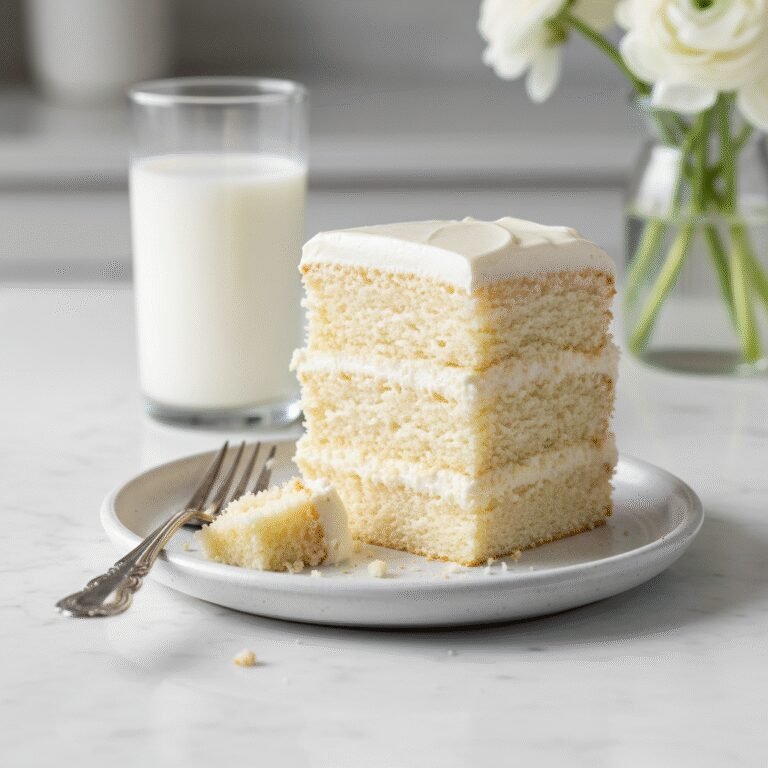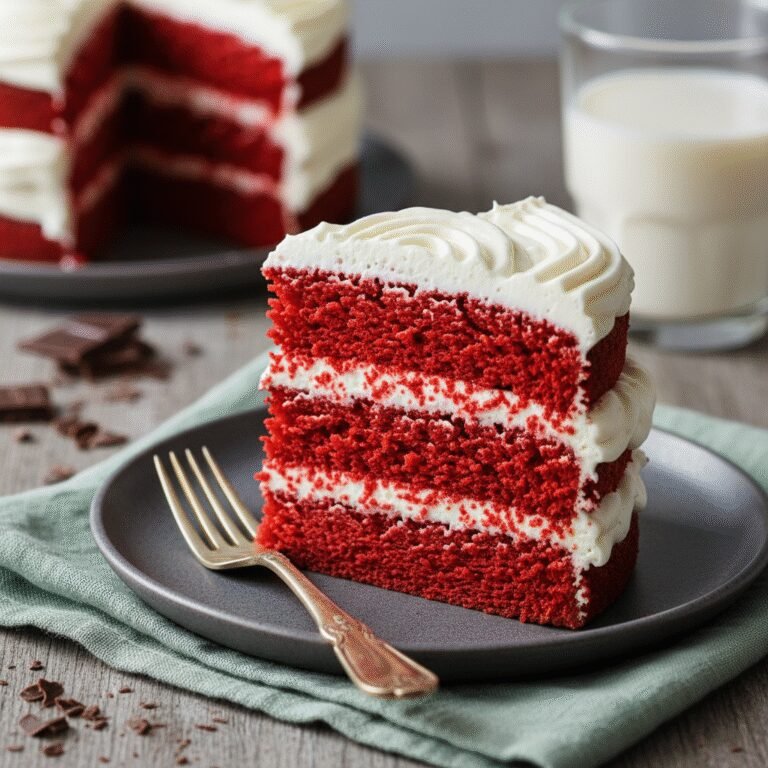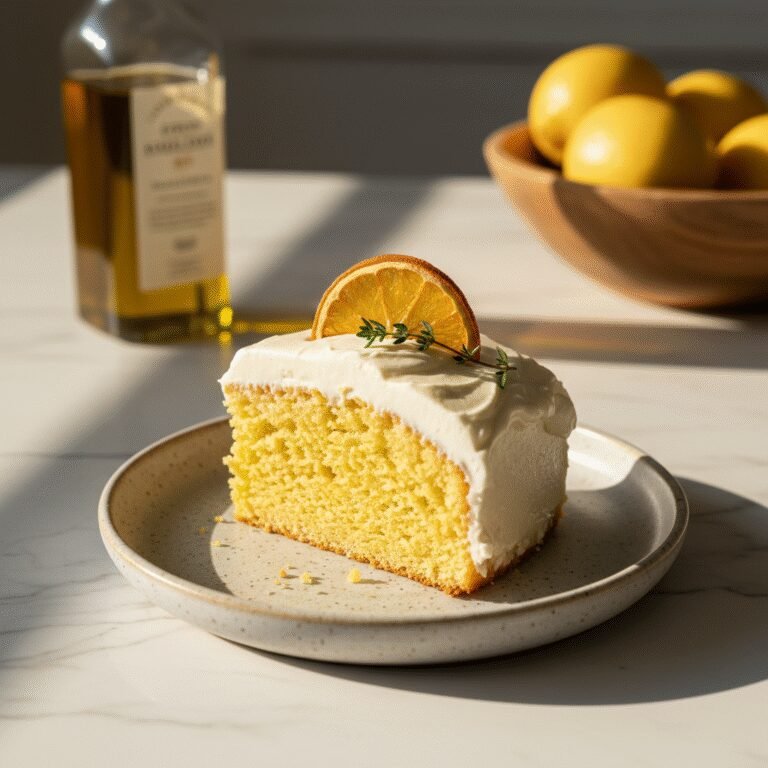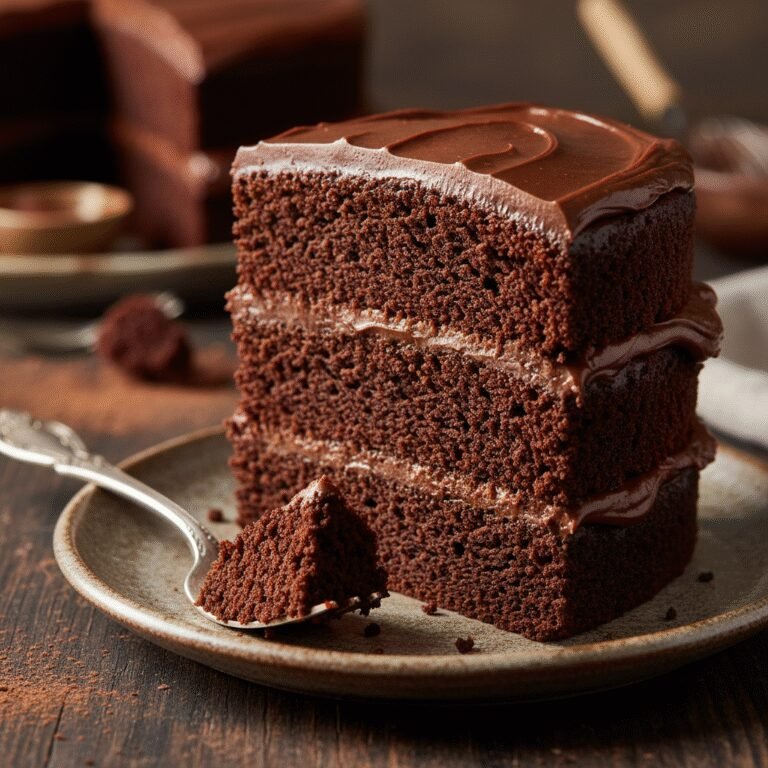
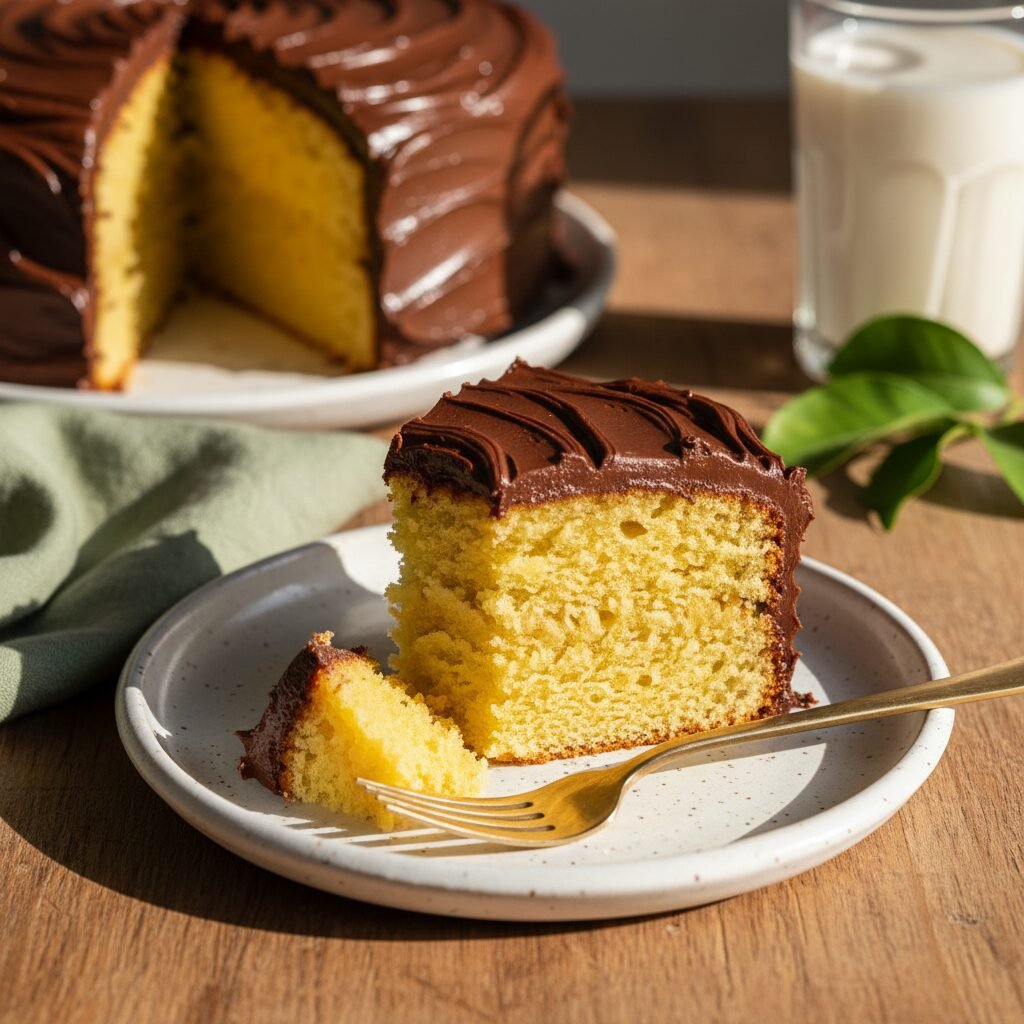
Ultra-Moist Dairy-Free Lemon Cake with Whipped Chocolate Frosting
Moist Dairy Free Lemon Cake With Dairy Free Chocolate Frosting Recipe
Discover the ultimate contrast of zesty, bright citrus and rich, fudgy cocoa in this foolproof dairy-free lemon cake. It features an incredibly tender crumb that stays moist for days, topped with a velvety chocolate buttercream that no one will believe is entirely plant-based.
25 minutes
30 minutes
1 hour 15 minutes (includes cooling)
12 servings (2-layer 8-inch cake)
Dessert
Baking
American
Dairy-Free
There is something profoundly satisfying about the combination of bright, acidic citrus and deep, earthy chocolate. While lemon is often paired with vanilla or berries, pairing it with chocolate creates a sophisticated flavor profile reminiscent of artisanal chocolate-dipped candied lemon peels found in high-end European confectioneries. This Moist Dairy-Free Lemon Cake with Dairy-Free Chocolate Frosting is a celebration of that pairing, designed specifically for those who need to avoid dairy but refuse to compromise on texture or taste.
One of the biggest misconceptions in the baking world is that dairy-free cakes are destined to be dry, crumbly, or lacking in richness. This recipe shatters that myth entirely. By utilizing high-quality vegetable oil and a homemade ‘buttermilk’ substitute created from almond milk and lemon acid, we achieve a crumb structure that is actually moister and more tender than many traditional butter-based cakes. The oil coats the flour proteins differently than butter, preventing toughness and ensuring the cake remains soft even straight out of the refrigerator.
The star of the show, however, is the interplay between the cake and the frosting. The cake itself is perfumed with fresh lemon zest and juice, providing a sunny, aromatic lift that cuts through the density of the sugar. This is immediately grounded by the dairy-free chocolate frosting—a whipped, ganache-like topping that uses cocoa powder and vegan butter to create a luscious, melt-in-your-mouth finish. Whether you are baking for a dairy-intolerant friend, a vegan family member, or simply want a lighter-feeling dessert that packs a flavor punch, this cake is a guaranteed showstopper that looks as beautiful as it tastes.
History & Origins
The history of the lemon cake is as rich and layered as the dessert itself, tracing its roots back to the pound cakes of Northern Europe in the early 1700s. Originally, these cakes were heavy, dense affairs made with a pound each of flour, sugar, butter, and eggs. As trade routes expanded, citrus fruits like lemons—originally from Asia and cultivated extensively in the Mediterranean—became more accessible to European bakers, who began incorporating zest and juice to cut the richness of the heavy batter.
The concept of dairy-free baking, however, has a more utilitarian origin story, often linked to times of scarcity. During the Great Depression and World War II, rationing of dairy and eggs forced home bakers to be innovative. This era gave birth to the ‘Wacky Cake’ or ‘Depression Cake,’ which relied on vinegar and baking soda for leavening rather than eggs, and oil rather than butter. These recipes proved that delicious confections didn’t strictly require animal products.
In recent decades, the dairy-free movement has shifted from a necessity of rationing to a choice driven by health, ethics, and dietary intolerances. The explosion of plant-based milk alternatives—from soy to almond to oat—has revolutionized how we approach these classic recipes. We are no longer just removing ingredients; we are substituting them with sophisticated alternatives that enhance the final product. The pairing of lemon and chocolate, while less common in standard American layer cakes, has long been a staple in Italian and French patisseries, where the bitterness of dark chocolate is understood to be the perfect foil for the tart floral notes of lemon. This recipe creates a bridge between that old-world flavor elegance and modern, allergy-friendly baking science.
Why This Recipe Works
This recipe succeeds where many dairy-free cakes fail because it relies on the chemistry of emulsification and acid-base reactions rather than just swapping ingredients 1:1. First, the use of oil instead of vegan butter in the cake batter is crucial. Butter (even vegan butter) is about 80% fat and 20% water, and it is solid at room temperature. Oil is 100% fat and liquid at room temperature. This means that when the cake cools, the fat remains fluid, coating the crumb and creating a sensation of extreme moisture that lasts for days.
Secondly, we create a dairy-free ‘buttermilk’ by combining almond milk with lemon juice and letting it curdle. This acidic mixture reacts vigorously with the baking soda. This reaction releases carbon dioxide gas, which creates tiny air pockets in the batter. Because oil-based cakes can sometimes be heavy, this extra lift is essential for a fluffy texture.
Finally, the lemon flavor is infused using both zest and juice. The zest contains the essential oils where the floral lemon aroma lives, while the juice provides the tartness and the acid needed for the chemical rise. For the frosting, using a high-fat cocoa powder and whipping it with room-temperature vegan butter incorporates air, creating a structure that mimics traditional buttercream perfectly without the need for heavy cream.
Why You’ll Love This Recipe
- ✓Completely Dairy-Free: Safe for lactose intolerant and dairy-allergic guests.
- ✓Stay-Moist Texture: Uses oil-based chemistry to ensure the cake never dries out.
- ✓Sophisticated Flavor: The lemon-chocolate combo is elegant and unique.
- ✓No Weird Ingredients: Uses standard pantry staples found in any grocery store.
- ✓Versatile: Can be made as a layer cake, sheet cake, or cupcakes.
- ✓Freezer Friendly: Both the cake layers and the frosting freeze beautifully.
Equipment You’ll Need
- ✓Two 8-inch round cake pans
- ✓Large mixing bowl
- ✓Medium mixing bowl
- ✓Electric hand mixer or stand mixer
- ✓Whisk
- ✓Rubber spatula
- ✓Wire cooling rack
- ✓Microplane or zester
- ✓Measuring cups and spoons
- ✓Parchment paper
Ingredients
- ✓2 ½ cups All-purpose flour (spooned and leveled)
- ✓1 ½ cups Granulated sugar
- ✓1 ½ tsp Baking powder
- ✓1 tsp Baking soda
- ✓½ tsp Fine sea salt
- ✓1 ½ cups Unsweetened almond milk (or soy milk)
- ✓2 tbsp Apple cider vinegar
- ✓½ cup Vegetable oil (or canola/grapeseed oil)
- ✓2 large Eggs (room temperature) *See FAQ for vegan option
- ✓1 tbsp Pure vanilla extract
- ✓3 tbsp Fresh lemon juice
- ✓1 tbsp Fresh lemon zest (approx. 1 large lemon)
- ✓1 cup Vegan butter sticks, slightly softened (for frosting)
- ✓3 ½ cups Powdered sugar (sifted)
- ✓¾ cup Unsweetened cocoa powder (sifted)
- ✓2-3 tbsp Dairy-free milk (for frosting consistency)
- ✓1 tsp Vanilla extract (for frosting)
- ✓Pinch of salt (for frosting)
Instructions
- Preheat your oven to 350°F (175°C). Grease two 8-inch round cake pans with oil and line the bottoms with parchment paper rounds for easy release.
- In a measuring cup, combine the almond milk and apple cider vinegar. Stir and let it sit for 5-10 minutes to curdle into vegan buttermilk.
- In a large mixing bowl, sift together the flour, sugar, baking powder, baking soda, and salt. Whisk well to ensure the leavening agents are evenly distributed.
- In a medium bowl, whisk together the prepared milk mixture, vegetable oil, eggs, vanilla extract, lemon juice, and lemon zest until fully combined.
- Pour the wet ingredients into the dry ingredients. Using a whisk or electric mixer on low speed, mix until just combined and no large lumps of flour remain. Do not overmix, or the cake will be tough.
- Divide the batter evenly between the two prepared cake pans. Tap the pans gently on the counter to release any large air bubbles.
- Bake for 28-32 minutes, or until a toothpick inserted into the center comes out clean or with just a few moist crumbs attached. The tops should be golden and spring back when lightly touched.
- Remove from the oven and let the cakes cool in the pans for 10 minutes. Then, carefully invert them onto a wire rack to cool completely before frosting. This is crucial; warm cakes will melt the frosting.
- While the cakes cool, prepare the frosting. In a large bowl, beat the softened vegan butter until creamy and pale (about 2-3 minutes).
- Add the sifted cocoa powder and mix on low until incorporated. gradually add the powdered sugar, one cup at a time, alternating with a tablespoon of dairy-free milk.
- Add the vanilla and salt. Turn the mixer to high speed and whip for 2-3 minutes until the frosting is fluffy, glossy, and spreadable. Add more milk if too stiff, or more sugar if too runny.
- Place one cooled cake layer on a serving plate. Spread a generous layer of chocolate frosting over the top. Place the second cake layer on top. Frost the top and sides of the cake with the remaining frosting.
- Garnish with extra lemon zest or chocolate shavings if desired. Slice and serve.
Expert Cooking Tips
- ✓Use room temperature ingredients: Ensure your eggs and dairy-free milk are at room temperature to create a smoother emulsion in the batter.
- ✓Zest before juicing: It is much harder to zest a lemon that has already been cut and squeezed. Always zest first.
- ✓Don’t overmix: Once the wet and dry ingredients touch, gluten begins to form. Mix only until combined to keep the cake tender.
- ✓Weigh your flour: If possible, use a kitchen scale (approx. 120g per cup). If using cups, spoon the flour in and level it off; dipping the cup packs the flour and leads to a dry cake.
- ✓Sift the cocoa: Cocoa powder is notorious for being lumpy. Sifting it guarantees a smooth frosting without bitter powder pockets.
- ✓Cool completely: Dairy-free frostings can be slightly more heat-sensitive than butter-based ones. Ensure the cake is stone cold before decorating.
Substitutions and Variations
This recipe is highly adaptable. If you need a gluten-free version, swap the all-purpose flour for a high-quality 1:1 Gluten-Free Baking Flour blend that contains xanthan gum. For the oil, you can use melted coconut oil, though it will impart a slight coconut flavor; avocado oil or grapeseed oil are excellent neutral alternatives. If you have a nut allergy, swap the almond milk for oat milk or soy milk; soy milk actually curdles better than almond milk for the buttermilk substitute. For a vegan version (egg-free), you can use ‘flax eggs’ (2 tbsp ground flaxseed meal mixed with 6 tbsp warm water, let sit for 5 minutes) or a commercial egg replacer like Bob’s Red Mill. Note that flax eggs may result in a slightly denser, nuttier cake. For the frosting, if you cannot find vegan butter sticks, sustainable palm shortening mixed with a little butter flavoring works, though the mouthfeel will be slightly waxier.
Common Mistakes to Avoid
The most common mistake with this cake is over-baking. Because it is oil-based, it relies on the moisture trapped inside. If baked too long, it becomes greasy yet dry. Trust the toothpick test and check at the 28-minute mark. Another issue is using ‘tub’ vegan margarine instead of vegan butter sticks for the frosting. Tub margarine has a higher water content and will result in a runny frosting that slides off the cake; always use the sticks which are formulated for baking. Finally, failing to line the pans with parchment paper often leads to the bottom of the cake sticking, as dairy-free cakes can be slightly more fragile when warm.
Serving Suggestions
This cake is rich, so it pairs beautifully with beverages that can cut through the sweetness. Serve slices with a hot cup of Earl Grey tea (the bergamot echoes the lemon) or a strong black coffee. For a dessert presentation, plate a slice with a dollop of dairy-free coconut whipped cream and a handful of fresh raspberries or blackberries. The tartness of fresh berries complements both the lemon and the chocolate. If serving at a dinner party, a garnish of candied lemon peel spirals on top of the dark chocolate frosting adds an elegant, professional touch.
Storage and Reheating Tips
Because this cake contains fresh fruit juice and zest, it is best stored in an airtight container. It can stay at room temperature for up to 2 days, provided the kitchen isn’t too hot (which would melt the frosting). For longer storage, keep it in the refrigerator for up to 5 days. The oil-based crumb means it won’t harden like a butter cake does in the fridge, but it is still best enjoyed after sitting out for 20 minutes to take the chill off. To freeze, wrap individual slices or the whole cake (unfrosted is best, but frosted works too) tightly in plastic wrap and then foil. It will keep for up to 3 months. Thaw in the fridge overnight.
Nutrition Facts (Estimated)
| Serving Size | 1 slice |
| Calories | 480 |
| Fat | 24g |
| Saturated Fat | 6g |
| Unsaturated Fat | 16g |
| Trans Fat | 0g |
| Cholesterol | 0mg |
| Sodium | 310mg |
| Carbohydrates | 62g |
| Fiber | 3g |
| Sugar | 38g |
| Protein | 5g |
Frequently Asked Questions
Can I make this cake vegan/egg-free?
Yes! Replace the 2 chicken eggs with 2 flax eggs (2 tbsp ground flaxseed + 6 tbsp water) or ½ cup of unsweetened applesauce. The texture will be slightly denser but still delicious.
Why did my cake sink in the middle?
This usually happens if the oven door was opened too early, causing a temperature drop before the structure set. It can also happen if there was too much leavening (baking soda/powder) or if the batter was over-mixed.
Can I use olive oil instead of vegetable oil?
Yes, you can use a mild olive oil. However, a strong extra virgin olive oil might clash with the chocolate frosting, though some people enjoy that savory-sweet combination.
My frosting is too runny, what do I do?
Add more powdered sugar, ¼ cup at a time. Also, ensure your vegan butter wasn’t melted, just softened. If the kitchen is hot, pop the bowl in the fridge for 10 minutes then whip again.
Can I make this into cupcakes?
Absolutely. This recipe will yield approximately 20-24 cupcakes. Bake them at 350°F for 18-22 minutes.
Do I have to use vinegar?
The vinegar is acidic and reacts with the baking soda to help the cake rise. You can substitute it with an equal amount of additional lemon juice if you prefer.
Is cocoa powder dairy-free?
Pure cocoa powder is naturally dairy-free. However, some instant cocoa mixes contain milk powder. Always check the label to ensure it is 100% cocoa.
Can I use a Bundt pan?
Yes, but grease it very thoroughly. Bake for 45-55 minutes, checking for doneness, as the deeper batter takes longer to cook.
Can I use Meyer lemons?
Yes, Meyer lemons work beautifully and are slightly sweeter and more floral than standard lemons. You may want to reduce the sugar in the cake by 1-2 tablespoons if you prefer a tart cake.
Conclusion
This Moist Dairy-Free Lemon Cake with Chocolate Frosting proves that dietary restrictions are an opportunity for creativity, not a limitation. The contrast between the sunny, zesty sponge and the dark, indulgent frosting creates a flavor experience that is complex and delightful. It’s a recipe that invites you to slow down, enjoy the process of baking, and share a slice of joy with friends and family, regardless of their dietary needs. Once you try this combination, you might find yourself preferring it over the traditional vanilla-lemon pairing!