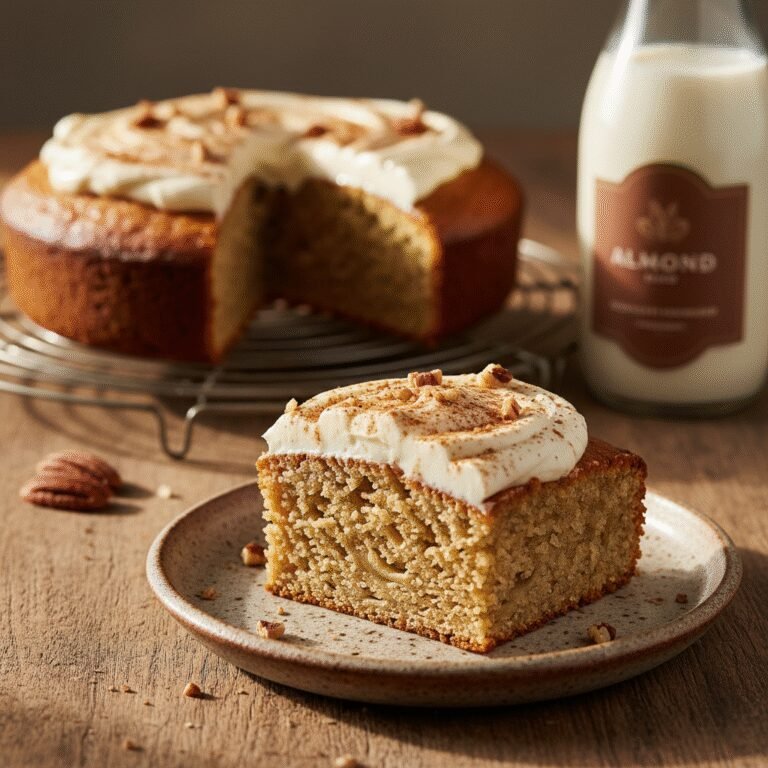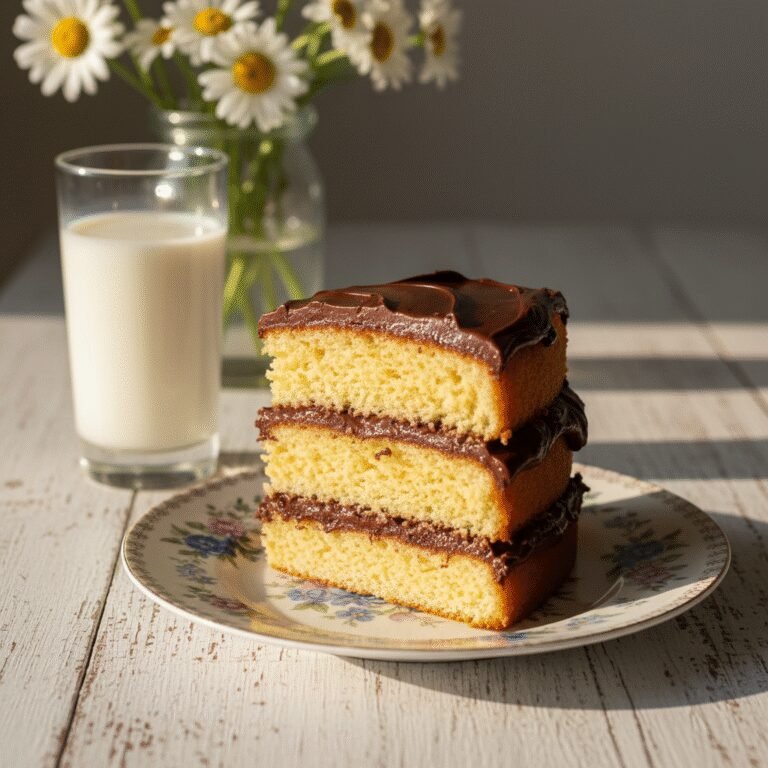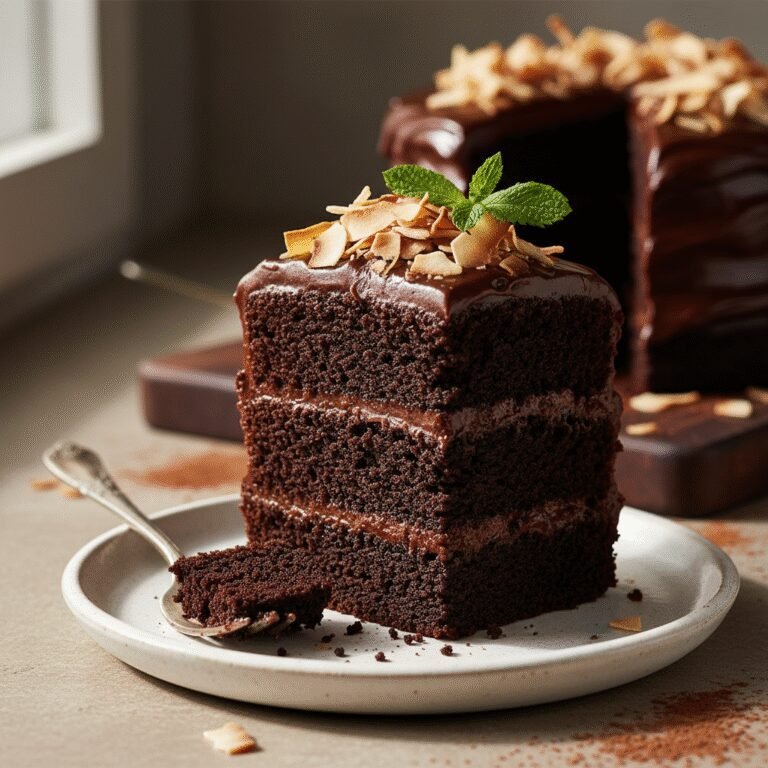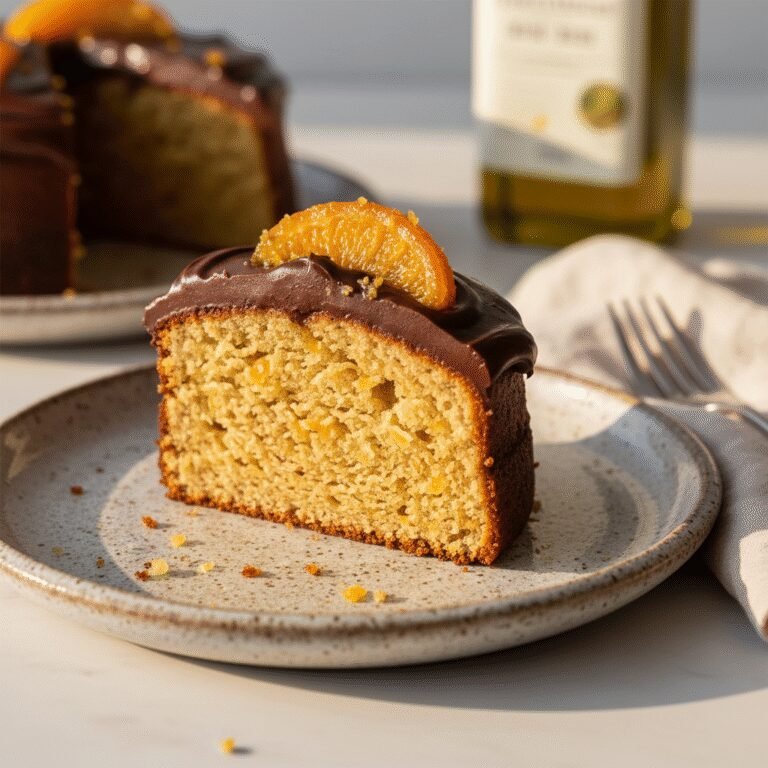
The Ultimate Moist Dairy-Free Banana Cake with Velvety Dairy-Free Buttercream
Moist Dairy Free Banana Cake With Dairy Free Buttercream Recipe
Discover the holy grail of dairy-free baking with this incredibly moist banana cake recipe. Topped with a silky, cloud-like dairy-free buttercream, this dessert proves you don’t need milk or butter to achieve pure indulgence.
25 minutes
35 minutes
1 hour 30 minutes (includes cooling)
12 servings
Dessert
Baking
American
Dairy-Free
There is something profoundly comforting about the aroma of bananas baking in the oven. It triggers a sense of nostalgia that transcends generations, reminding us of after-school snacks and lazy Sunday mornings. However, for those of us navigating the world of dairy-free living, finding a cake that retains that quintessential moist, tender crumb without the use of traditional butter or milk can often feel like a culinary compromise. Too often, dairy-free cakes end up dense, gummy, or dry. That ends today. This Moist Dairy-Free Banana Cake is not just a ‘good alternative’; it is a standalone masterpiece that rivals any conventional bakery offering.
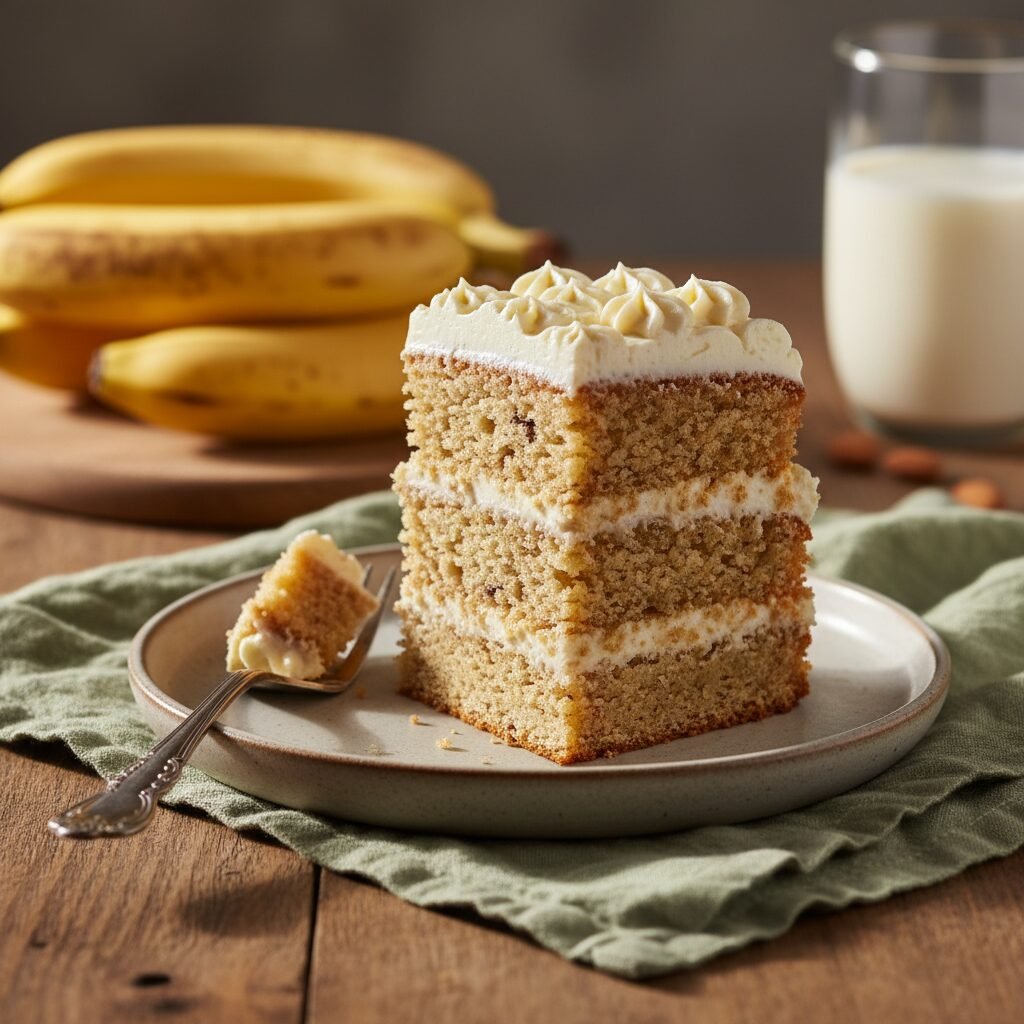
The secret lies in the balance of ripe fruit, high-quality oil, and the right leavening agents, creating a texture that is plush, velvety, and light. When paired with my signature Dairy-Free Buttercream, which whips up just as fluffy as its dairy-filled counterpart, the result is pure magic. We are talking about a cake that melts in your mouth, bursting with the caramelized sweetness of spotted bananas and a hint of warm cinnamon. The buttercream adds a creamy, vanilla-flecked richness that cuts through the density of the banana, providing the perfect harmonious bite. Whether you are baking for a birthday, a potluck, or simply to satisfy a Tuesday afternoon craving, this recipe is designed to impress even the most skeptical dairy lovers. Get ready to redefine what plant-based baking can taste like.
History & Origins
The history of banana cake is inextricably linked to the history of the banana itself in the Western world. While bananas have been cultivated in Southeast Asia for thousands of years, they only became widely available in the United States in the late 19th century, thanks to improvements in refrigeration and transport. Initially considered an exotic luxury, they quickly became a household staple. However, the true birth of banana-based baking can be traced back to the Great Depression in the 1930s. During this era of economic hardship, throwing away food was unthinkable. Housewives needed a way to use up overripe, black bananas that were no longer appetizing to eat raw. Coinciding with the mass production of baking powder and baking soda, ‘banana bread’ was born as a quick bread solution.
Over the decades, as home baking evolved, the humble, denser banana bread began to transform. By the mid-20th century, with the advent of lighter cake flours and more refined creaming methods, recipes shifted from the heavy, muffin-like texture of bread to the aerated, delicate crumb of a cake. The inclusion of dairy-free adaptations is a more modern chapter in this history. As awareness of lactose intolerance grew and veganism moved from the fringes to the mainstream in the 21st century, bakers began experimenting with oils, plant milks, and margarine. Today, we stand on the shoulders of this culinary evolution, utilizing modern plant-based butters that mimic the emulsification properties of dairy butter, allowing us to create a banana cake that honors its Depression-era roots while embracing modern dietary needs.
Why This Recipe Works
This recipe succeeds where many others fail because it prioritizes moisture retention and structural integrity without relying on dairy proteins. First, we use oil instead of a dairy-free butter substitute in the cake batter itself. While butter adds flavor, it contains water which can evaporate; oil is 100% fat and remains liquid at room temperature, ensuring the cake stays incredibly moist for days. We rely on the brown sugar not just for sweetness, but for its hygroscopic properties—it draws moisture from the air into the cake, keeping it soft.
Furthermore, the chemical reaction between the baking soda and the natural acidity of the brown sugar and ripe bananas creates a robust lift, preventing the heavy fruit purée from weighing down the crumb. For the buttercream, the success lies in the temperature and the specific type of plant-based butter used. By using a high-fat content vegan butter stick (rather than a tub spread which has too much water), and whipping it significantly longer than dairy butter, we introduce enough air to create a stable emulsion that doesn’t weep or separate. The addition of a splash of almond milk helps dissolve the powdered sugar completely, eliminating the grit often associated with non-dairy frostings.
Why You’ll Love This Recipe
- ✓Incredibly moist texture that stays soft for days
- ✓Rich, authentic banana flavor enhanced with cinnamon
- ✓Silky smooth buttercream without a greasy aftertaste
- ✓Simple pantry ingredients with no hard-to-find substitutes
- ✓Free from dairy and easily adaptable to be gluten-free
- ✓Perfect for layer cakes, sheet cakes, or cupcakes
Equipment You’ll Need
- ✓Two 8-inch round cake pans
- ✓Large mixing bowl
- ✓Medium mixing bowl
- ✓Electric hand mixer or stand mixer
- ✓Whisk
- ✓Rubber spatula
- ✓Wire cooling rack
- ✓Measuring cups and spoons
- ✓Offset spatula for frosting
Ingredients
- ✓2 1/2 cups all-purpose flour
- ✓1 1/2 cups granulated sugar
- ✓1/2 cup light brown sugar, packed
- ✓1 tsp baking powder
- ✓1 tsp baking soda
- ✓1/2 tsp salt
- ✓1 tsp ground cinnamon
- ✓3 large ripe bananas, mashed (approx. 1 1/2 cups)
- ✓3 large eggs, room temperature
- ✓3/4 cup vegetable oil or canola oil
- ✓1 tsp pure vanilla extract
- ✓1/2 cup unsweetened almond milk (or soy milk)
- ✓FOR THE BUTTERCREAM:
- ✓1 cup (2 sticks) vegan butter sticks, slightly softened
- ✓4 cups powdered sugar, sifted
- ✓2-3 tbsp unsweetened almond milk
- ✓1 1/2 tsp pure vanilla extract
- ✓Pinch of salt
Instructions
- Preheat your oven to 350°F (175°C). Grease two 8-inch round cake pans with oil and line the bottoms with parchment paper for easy removal.
- In a medium bowl, whisk together the flour, baking powder, baking soda, salt, and cinnamon until well combined and no lumps remain.
- In a large mixing bowl (or stand mixer bowl), combine the mashed bananas, granulated sugar, and brown sugar. Beat on medium speed until the mixture is smooth and glossy.
- Add the eggs one at a time, beating well after each addition. Scrape down the sides of the bowl as needed.
- Pour in the vegetable oil and vanilla extract. Mix on medium-low speed until fully incorporated.
- Reduce the mixer speed to low. Add half of the dry flour mixture to the wet ingredients, mixing just until streaks of flour disappear.
- Pour in the 1/2 cup of almond milk and mix gently.
- Add the remaining flour mixture and mix until just combined. Do not overmix; a few small lumps in the batter are fine.
- Divide the batter evenly between the two prepared cake pans. Tap the pans gently on the counter to release any large air bubbles.
- Bake for 30-35 minutes, or until a toothpick inserted into the center comes out clean or with just a few moist crumbs.
- Remove cakes from the oven and let them cool in the pans for 10 minutes. Then, invert them onto a wire rack to cool completely before frosting.
- TO MAKE THE BUTTERCREAM: In a large bowl, beat the softened vegan butter on medium-high speed for about 5 minutes until it is very pale and fluffy.
- Gradually add the powdered sugar, one cup at a time, beating on low speed until incorporated. Scrape the bowl frequently.
- Add the vanilla extract, salt, and 1 tablespoon of almond milk. Increase speed to high and whip for another 3-5 minutes.
- If the frosting is too stiff, add more almond milk, one teaspoon at a time, until you reach a spreadable consistency.
- Frost the completely cooled cakes using an offset spatula. Garnish with banana slices or walnuts if desired.
Expert Cooking Tips
- ✓Use spotty bananas: The darker the banana skin, the sweeter and more flavorful your cake will be.
- ✓Room temperature ingredients: Ensure your eggs and almond milk are at room temperature to prevent the batter from curdling.
- ✓Don’t overmix: Once the flour is added, mix gently. Overmixing develops gluten and leads to a tough, rubbery cake.
- ✓Cool completely: Never frost a warm cake, or your vegan buttercream will melt and slide right off.
- ✓Sift the sugar: Always sift powdered sugar for the frosting to avoid gritty lumps that won’t dissolve in vegan butter.
- ✓Weigh your flour: If possible, use a kitchen scale. If using cups, spoon and level the flour to avoid packing it down.
Substitutions and Variations
This recipe is quite versatile. For the flour, you can substitute a 1:1 gluten-free all-purpose baking flour blend if you are gluten-intolerant; look for one that contains xanthan gum. If you want a refined sugar-free option, coconut sugar can replace the brown and granulated sugar, though the cake will be darker and have a caramel undertone. For the oil, melted coconut oil works well, but ensure all other ingredients are room temperature so it doesn’t solidify instantly. In the buttercream, any plant-based milk (oat, soy, cashew) works in place of almond milk. If you cannot find vegan butter sticks, high-quality vegetable shortening can be used, but you may need to add a little extra vanilla or butter extract to boost the flavor.
Common Mistakes to Avoid
The most common mistake with this cake is underbaking. Because of the heavy banana content, the cake can look done on top while being raw in the middle; always trust the toothpick test. Another issue is using vegan tub margarine for the frosting. Tub spreads have a high water content and will result in a soupy frosting that breaks easily. Always use vegan butter ‘sticks’ intended for baking. Lastly, failing to line the pans with parchment paper often leads to the cake sticking, as banana cakes are naturally sticky due to the high sugar content of the fruit.
Serving Suggestions
This cake is stunning when served simply with a dusting of cinnamon on top of the buttercream. For a more elaborate presentation, drizzle dairy-free caramel sauce over the slice or top with candied walnuts for crunch. It pairs exceptionally well with a hot cup of black coffee or a cold glass of oat milk. If you are serving this at a dinner party, a side of dairy-free coconut whipped cream and fresh berries adds a lovely freshness to cut through the rich banana flavor.
Storage and Reheating Tips
Store the frosted cake in an airtight container at room temperature for up to 2 days. If your kitchen is particularly warm, or if you need to keep it longer, store it in the refrigerator for up to 5 days. However, vegan buttercream hardens in the fridge, so allow the cake to come to room temperature for 30 minutes before serving for the best texture. The unfrosted cake layers can be wrapped tightly in plastic wrap and frozen for up to 3 months. Thaw overnight in the refrigerator before frosting.
Nutrition Facts (Estimated)
| Serving Size | 1 slice |
| Calories | 420 |
| Fat | 18g |
| Saturated Fat | 4g |
| Unsaturated Fat | 14g |
| Trans Fat | 0g |
| Cholesterol | 0mg |
| Sodium | 210mg |
| Carbohydrates | 62g |
| Fiber | 2g |
| Sugar | 38g |
| Protein | 4g |
Frequently Asked Questions
Can I make this cake into cupcakes?
Yes! This recipe yields approximately 24 standard cupcakes. Bake them at 350°F for 18-22 minutes.
Why did my cake sink in the middle?
This usually happens if the oven door was opened too early, causing a temperature drop, or if the cake was underbaked. It can also result from too much leavening agent.
Can I use frozen bananas?
Absolutely. Thaw them completely and drain off any excess liquid before mashing them for the batter.
Is this recipe vegan?
The recipe as written contains eggs, so it is dairy-free but not vegan. To make it vegan, substitute the eggs with flax eggs (1 tbsp ground flaxseed + 3 tbsp water per egg).
My buttercream is too soft, what do I do?
If the kitchen is warm, chill the bowl for 10 minutes and whip again. You can also add a bit more powdered sugar to stiffen it up.
Can I reduce the sugar?
You can reduce the sugar in the cake by about 1/4 cup without ruining the texture, but reducing it further may affect moisture and rise.
What brand of vegan butter is best?
Brands like Miyoko’s Creamery or Country Crock Plant Butter (sticks, not tubs) are excellent for baking and frostings.
Does this cake taste like coconut if I use coconut oil?
If you use unrefined virgin coconut oil, yes. Use refined coconut oil for a neutral flavor.
Conclusion
Baking without dairy doesn’t mean you have to sacrifice the joy of a decadent, fluffy cake. This Moist Dairy-Free Banana Cake with Dairy-Free Buttercream is a testament to how delicious plant-based alternatives can be when used correctly. It’s a recipe that brings warmth, comfort, and sweetness to any table, regardless of dietary restrictions. I hope this becomes a staple in your kitchen just as it has in mine. Happy baking!