The Ultimate Low Sugar Vanilla Cake with Stevia: Moist, Fluffy, and Guilt-Free
Low Sugar Low Sugar Vanilla Cake With Stevia Recipe
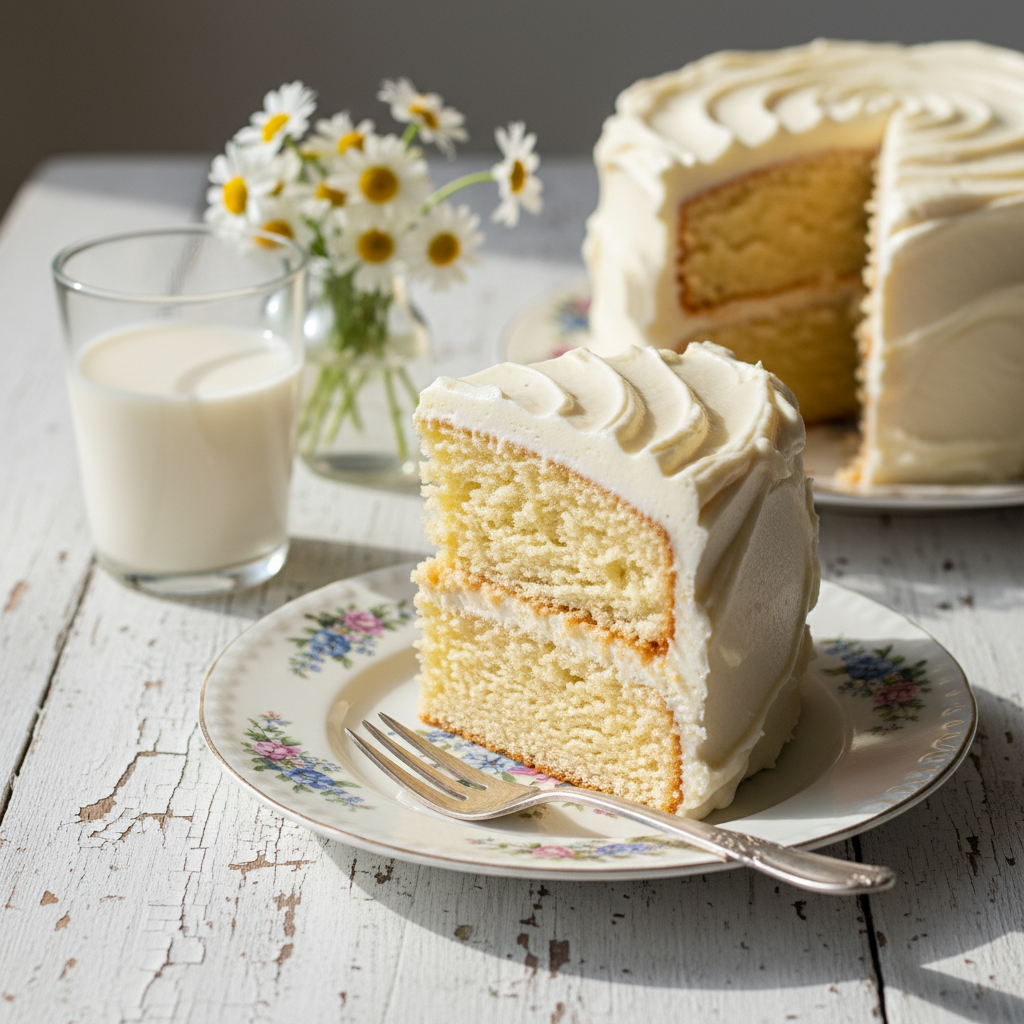
Indulge in the classic taste of vanilla cake without the sugar crash. This low-sugar, stevia-sweetened recipe delivers a tender crumb and rich flavor, making it the perfect guilt-free dessert for birthdays, holidays, or a simple afternoon treat.
20 minutes
30 minutes
50 minutes
12 slices
Dessert
Baking
American
Gluten-Free
There is something undeniably nostalgic about a slice of classic vanilla cake. It is the centerpiece of childhood birthdays, the comfort food of celebrations, and a universal symbol of joy. However, for those of us watching our sugar intake—whether for weight management, diabetes control, or simply a desire to live a healthier lifestyle—traditional cake is often strictly off-limits. The combination of refined white flour and cups of granulated sugar creates a glycemic spike that can leave you feeling sluggish and foggy. But does that mean we have to say goodbye to cake forever? Absolutely not.
This Low Sugar Vanilla Cake with Stevia is the result of extensive testing and tweaking to replicate that beloved bakery-style texture without the inflammatory ingredients. Baking with sugar substitutes like stevia can be notoriously difficult; sugar provides not just sweetness, but also structure, moisture, and browning. Remove it, and you often end up with a dry, dense, or rubbery brick. This recipe solves those problems by utilizing a specific blend of almond flour and coconut flour to provide a tender crumb, along with healthy fats to ensure the cake remains moist for days.
We use a high-quality stevia blend that eliminates the bitter aftertaste often associated with natural sweeteners. The result is a cake that is light, airy, and deeply aromatic with pure vanilla bean notes. It is a dessert that allows you to have your cake and eat it too, proving that a low-sugar lifestyle does not have to be a life devoid of pleasure. Whether you are keto, low-carb, or just sugar-conscious, this cake is about to become your new go-to standard for celebrations.
History & Origins
The concept of ‘cake’ has evolved significantly over human history. The word itself is of Viking origin, from the Old Norse word ‘kaka’. Early cakes were essentially modified breads, sweetened with honey and often containing dried fruits and nuts. It wasn’t until the mid-17th century in Europe that round cakes with icing began to appear, thanks to reliable ovens and the availability of refined sugar. The modern vanilla cake, specifically the ‘pound cake’ or ‘butter cake’ style, became popular in the 19th century with the invention of baking powder, which allowed for a lighter, fluffier texture than yeast could provide.
Parallel to the history of cake is the history of Stevia rebaudiana. While new to many Western pantries, the stevia plant has been used for over 1,500 years by the Guaraní peoples of South America (modern-day Paraguay and Brazil), who called it ‘ka’a he’ê’ or ‘sweet herb’. They used it to sweeten yerba mate tea and as a medicinal herb. It wasn’t until 1899 that the Swiss botanist Moisés Santiago Bertoni scientifically documented the plant.
The intersection of these two histories—the European tradition of cake baking and the indigenous South American use of stevia—is a relatively modern phenomenon. With the rise of global health consciousness, the obesity epidemic, and the increasing prevalence of Type 2 diabetes in the late 20th and early 21st centuries, food scientists and home bakers began experimenting with replacing sucrose. Stevia gained FDA approval in the United States in 2008, sparking a revolution in low-sugar baking. This recipe represents the culmination of that journey, blending ancient natural sweeteners with modern baking science to create a timeless treat.
Why This Recipe Works
Baking is chemistry, and sugar plays a massive role in that chemical equation beyond just taste. Sugar is hygroscopic, meaning it attracts and holds water, keeping cakes moist. It also interferes with gluten development, keeping cakes tender, and caramelizes to create a golden crust. When you replace sugar with stevia—which is hundreds of times sweeter than sugar but lacks the physical bulk—you lose that structural integrity.
This recipe works because we reconstruct the missing elements of sugar using alternative ingredients. First, we use a combination of almond flour and coconut flour. Almond flour is high in natural fats, which coats the protein strands and mimics the tenderizing effect of sugar. Coconut flour is highly absorbent, which helps to retain moisture and provide structure that almond flour alone lacks.
Secondly, we utilize room-temperature sour cream (or Greek yogurt) and butter. The acidity in the sour cream reacts with the baking agents to create a lift, while the fat content compensates for the lack of sticky sugar syrup, ensuring a velvety mouthfeel. Finally, we use a ‘bulking’ stevia blend (usually stevia mixed with erythritol) rather than pure liquid stevia drops. This provides the physical volume necessary to cream with the butter, trapping air bubbles that expand in the oven for that essential fluffy rise. This careful balancing act ensures a cake that looks, feels, and tastes like the real thing.
Why You’ll Love This Recipe
- ✓Contains less than 2g of sugar per serving
- ✓Gluten-free and grain-free
- ✓Keto and diabetic-friendly
- ✓Moist, tender crumb unlike typical dry low-carb cakes
- ✓Uses natural stevia sweetener instead of artificial chemicals
- ✓Freezer-friendly for meal prep
Equipment You’ll Need
- ✓Two 8-inch round cake pans
- ✓Parchment paper
- ✓Stand mixer or electric hand mixer
- ✓Large mixing bowl
- ✓Medium mixing bowl
- ✓Whisk
- ✓Rubber spatula
- ✓Wire cooling rack
- ✓Measuring cups and spoons
Ingredients
- ✓2 1/2 cups Super Fine Almond Flour
- ✓1/2 cup Coconut Flour
- ✓1 tbsp Baking Powder
- ✓1/2 tsp Sea Salt
- ✓3/4 cup Unsalted Butter, softened to room temperature
- ✓3/4 cup Granular Stevia/Erythritol Blend
- ✓4 large Eggs, room temperature
- ✓1 tbsp Pure Vanilla Extract
- ✓1/2 cup Sour Cream or Full-Fat Greek Yogurt, room temperature
- ✓1/3 cup Unsweetened Almond Milk, room temperature
Instructions
- Preheat your oven to 350°F (175°C). Grease two 8-inch round cake pans with butter or oil and line the bottoms with parchment paper rounds to prevent sticking.
- In a medium bowl, whisk together the almond flour, coconut flour, baking powder, and salt until well combined and free of lumps. Set aside.
- In a large bowl or the bowl of a stand mixer fitted with the paddle attachment, beat the softened butter and granular stevia blend on medium-high speed for about 3-4 minutes. The mixture should look fluffy and pale.
- Add the eggs one at a time, beating well after each addition. Scrape down the sides of the bowl with a rubber spatula as needed to ensure even mixing.
- Mix in the vanilla extract and the sour cream (or Greek yogurt) until fully incorporated.
- Reduce the mixer speed to low. Gradually add the dry ingredient mixture in three parts, alternating with the almond milk. Begin and end with the dry ingredients. Mix only until just combined; do not overmix.
- Divide the batter evenly between the two prepared cake pans. Smooth the tops with a spatula.
- Bake in the preheated oven for 25-30 minutes, or until the tops are golden brown and a toothpick inserted into the center comes out clean or with just a few moist crumbs.
- Remove the cakes from the oven and let them cool in the pans for at least 15 minutes. This is crucial as gluten-free cakes are fragile when hot.
- Gently invert the cakes onto a wire cooling rack to cool completely before frosting.
Expert Cooking Tips
- ✓Room temperature ingredients are non-negotiable. Cold eggs or butter will cause the batter to curdle and result in a dense cake.
- ✓Measure your flour correctly. For low-carb baking, it is best to weigh ingredients, but if using cups, spoon the flour into the cup and level it off rather than scooping directly.
- ✓Don’t skip the parchment paper. Nut flours can stick more than wheat flour, so parchment ensures a perfect release.
- ✓Let it cool completely. Almond flour cakes firm up as they cool. If you try to move or frost it while warm, it may crumble.
- ✓If you detect a cooling sensation from the sweetener (common with erythritol blends), using a powdered version for the frosting helps mitigate this.
- ✓To enhance the vanilla flavor, try using vanilla bean paste instead of extract for visible specks of vanilla.
Substitutions and Variations
If you need to adapt this recipe, there are several options. For a dairy-free version, substitute the butter with coconut oil (solid state) or a high-quality vegan butter stick. Replace the sour cream with a dairy-free coconut yogurt or thick coconut cream. Note that coconut oil may impart a slight coconut flavor. Regarding the sweetener, this recipe relies on a granular blend (like Swerve or Pyure) that measures 1:1 with sugar. If you use pure liquid stevia or pure stevia powder, you will lose the bulk, and the recipe will fail unless you add a bulking agent like applesauce or pumpkin puree, which changes the flavor profile. Do not substitute almond flour with all-purpose flour 1:1; the absorption rates are totally different. If you have a nut allergy, sunflower seed flour can often work as a 1:1 sub for almond flour, though it may turn green due to a reaction with baking powder (this is harmless but visually surprising).
Common Mistakes to Avoid
The most common mistake in low-sugar baking is overmixing the batter. While there is no gluten to toughen, overmixing can knock out the air bubbles created during the creaming process, leading to a flat, dense cake. Another error is using a sweetener blend that isn’t 1:1 with sugar. Some stevia blends are twice as sweet, so always check the package conversion chart. Using cold ingredients is another frequent pitfall; the emulsion of fat and liquid breaks if the temperatures vary, leading to an oily cake. Finally, opening the oven door too early can cause the cake to sink in the middle. Trust the timing and use the oven light to check progress before opening the door near the end of the baking time.
Serving Suggestions
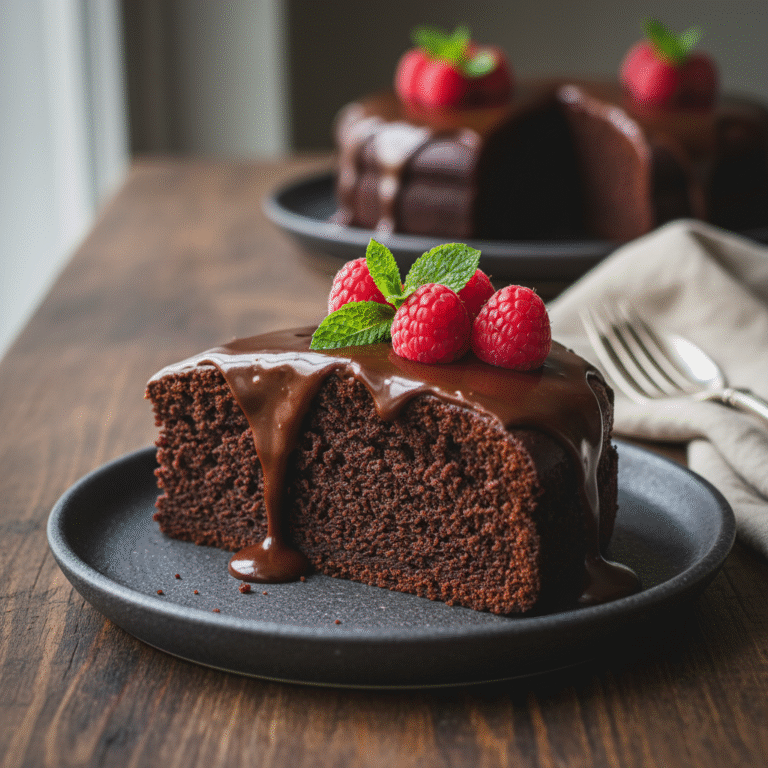
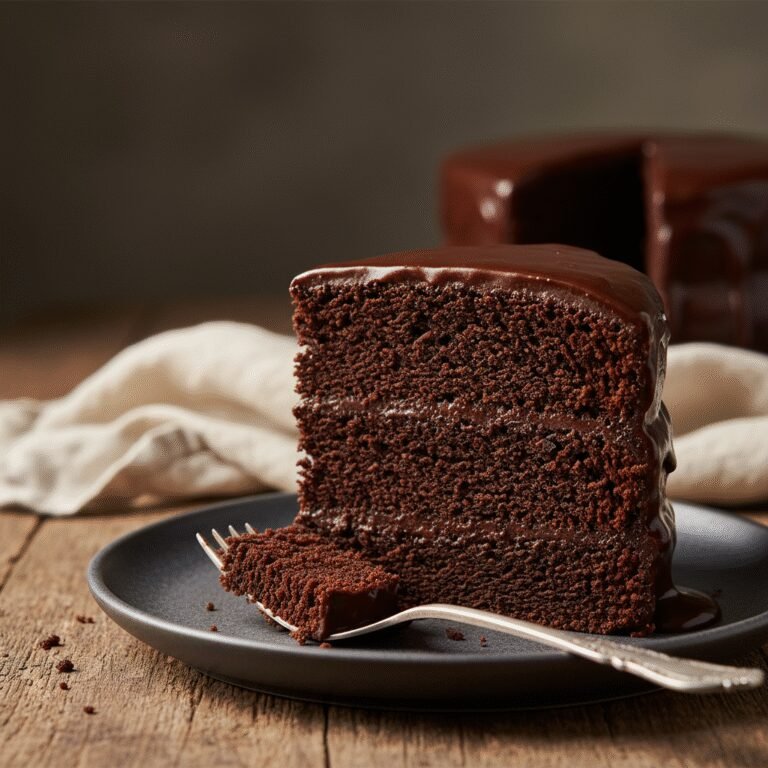
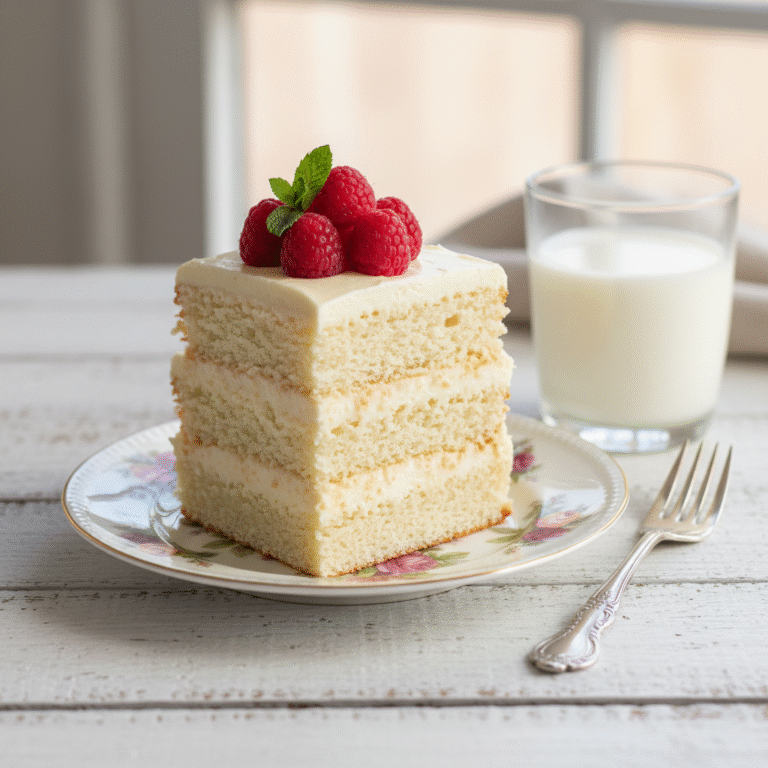
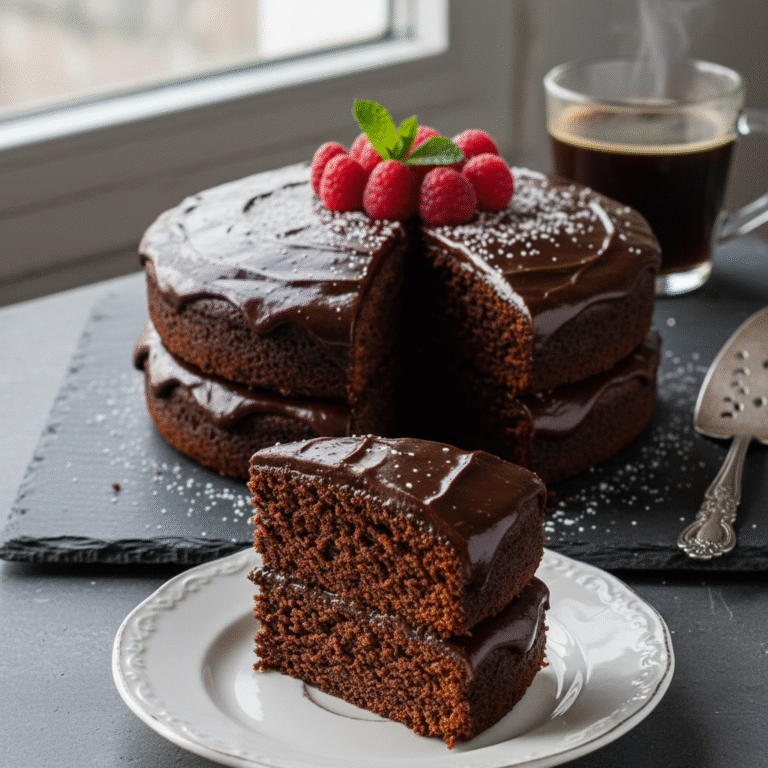
This cake is incredibly versatile. For a classic approach, frost it with a sugar-free buttercream made from butter, powdered sweetener, and vanilla. For a lighter option, serve it with a dollop of unsweetened whipped cream and a handful of fresh berries like raspberries or strawberries, which are naturally lower in sugar. A drizzle of sugar-free dark chocolate ganache also pairs beautifully with the vanilla base. If serving for a birthday, it holds up well to piping and decoration just like a traditional cake. Serve alongside a hot cup of coffee or herbal tea to cut through the richness of the almond flour.
Storage and Reheating Tips
Because this cake contains high moisture content from the almond flour and dairy, it is best stored in the refrigerator. Place the cake in an airtight container or cake dome; it will keep fresh for up to 5 days. In fact, the flavor often improves on the second day as the moisture redistributes. For long-term storage, this cake freezes beautifully. Wrap individual slices tightly in plastic wrap and then in aluminum foil. Place them in a freezer-safe bag for up to 3 months. Thaw in the refrigerator overnight or on the counter for 30 minutes before eating. Avoid microwaving to thaw, as it can melt the fats and make the texture soggy.
Nutrition Facts (Estimated)
| Serving Size | 1 slice |
| Calories | 245 |
| Fat | 21g |
| Saturated Fat | 8g |
| Unsaturated Fat | 11g |
| Trans Fat | 0g |
| Cholesterol | 65mg |
| Sodium | 180mg |
| Carbohydrates | 6g |
| Fiber | 3g |
| Sugar | 1.5g |
| Protein | 7g |
Frequently Asked Questions
Does this cake have a bitter aftertaste?
Not if you use a high-quality stevia blend. Pure stevia can be bitter, but blends that mix stevia with erythritol or allulose are formulated to mimic the taste of sugar closely without the bitterness.
Can I use liquid stevia instead of granular?
It is not recommended for this specific recipe. Granular sweeteners provide ‘bulk’ that creams with the butter to create air pockets. Liquid stevia lacks this volume, resulting in a dense, flat cake.
Why did my cake fall in the center?
This usually happens if the oven door was opened too early, or if the cake was underbaked. It can also happen if too much baking powder was used, causing it to rise too fast and then collapse.
Can I make this into cupcakes?
Yes! This recipe yields about 12-15 cupcakes. Reduce the baking time to 18-22 minutes and check for doneness earlier.
Is this cake safe for dogs?
No. While plain stevia is generally safe for dogs, this cake contains xylitol (if used in your blend) which is toxic to dogs, and almond flour which is high in fat and difficult for them to digest. Always keep baked goods away from pets.
Can I use regular flour instead of almond flour?
No, regular wheat flour behaves very differently than almond flour. It requires more liquid and has gluten. You would need a completely different recipe.
How do I know when it is done?
Insert a toothpick into the center. If it comes out clean or with a few moist crumbs, it is ready. If it has wet batter on it, it needs more time. The top should be golden and spring back slightly when touched.
What is the best frosting for this cake?
A cream cheese frosting or a Swiss meringue buttercream made with powdered sweetener works best. These frostings add fat and creaminess that complement the dense crumb of almond flour cakes.
Conclusion
Embarking on a low-sugar lifestyle doesn’t mean you have to leave your favorite traditions behind. This Low Sugar Vanilla Cake with Stevia proves that with the right ingredients and techniques, you can create a dessert that rivals any bakery classic. It’s moist, fluffy, and perfectly sweet, all while being kind to your blood sugar and waistline. Whether you are baking for a diabetic family member, a keto friend, or just treating yourself, this recipe is a testament to the magic of modern healthy baking. So preheat that oven, grab your whisk, and get ready to enjoy a slice of pure happiness without the guilt. Happy baking!