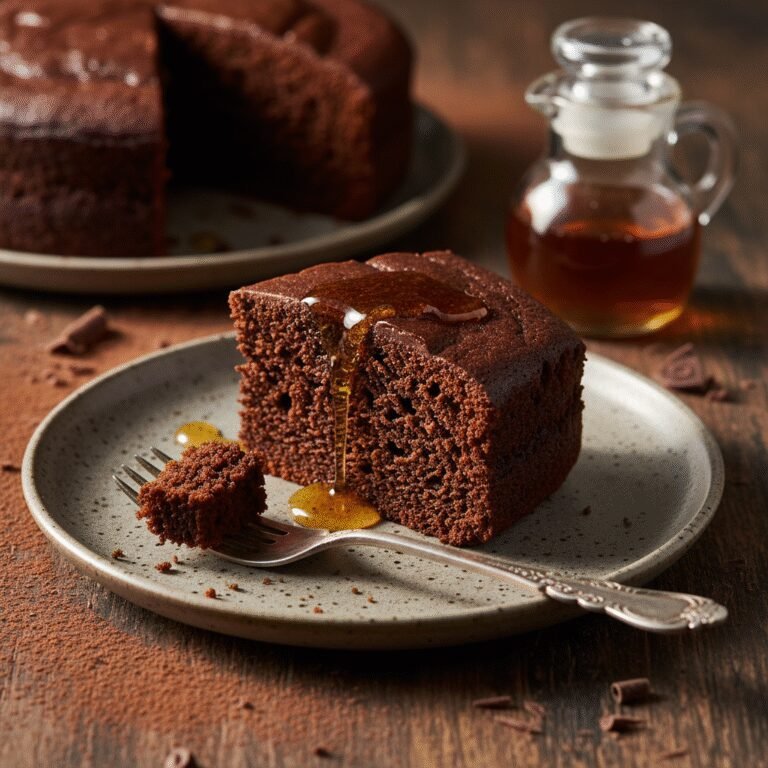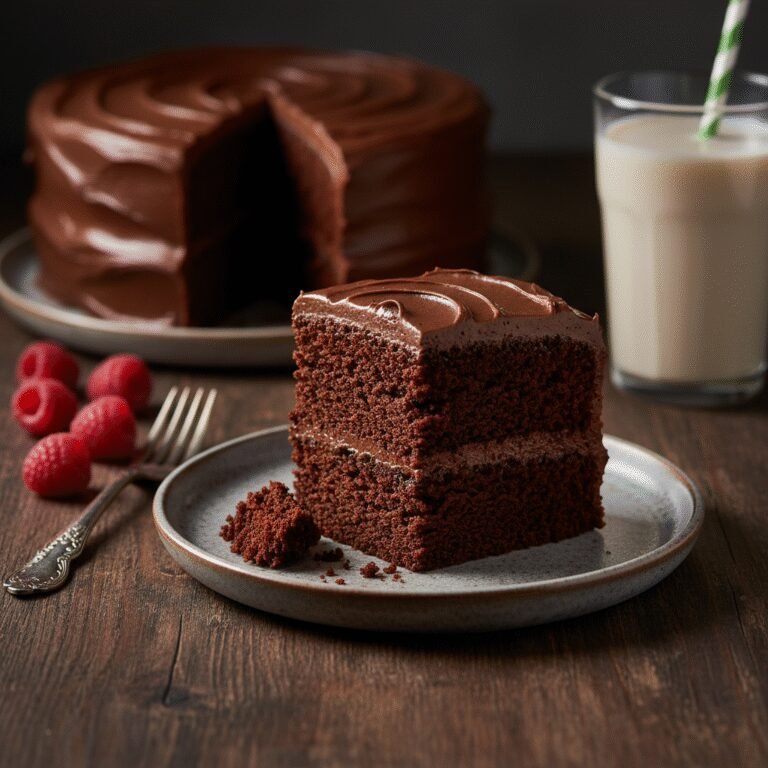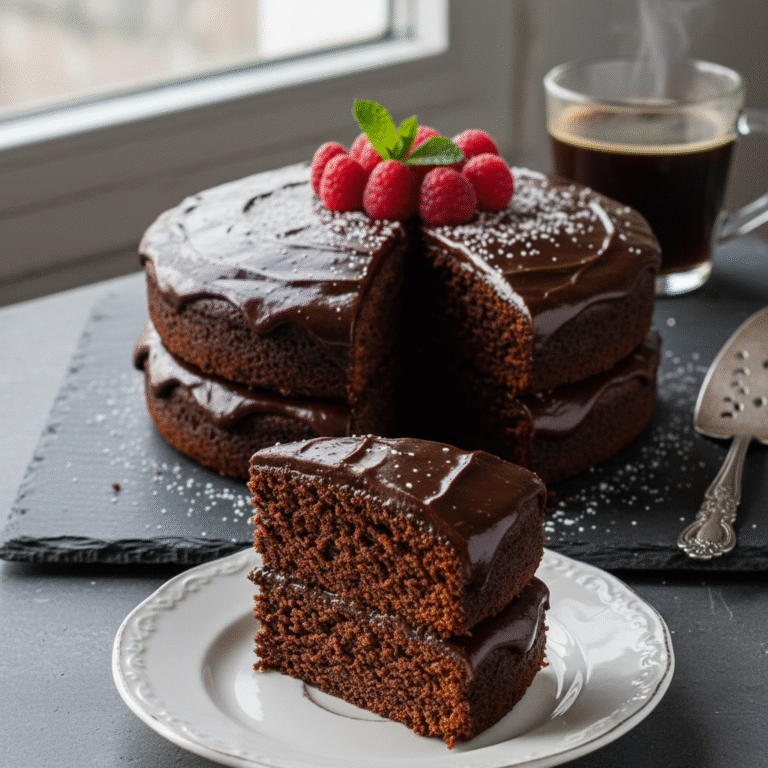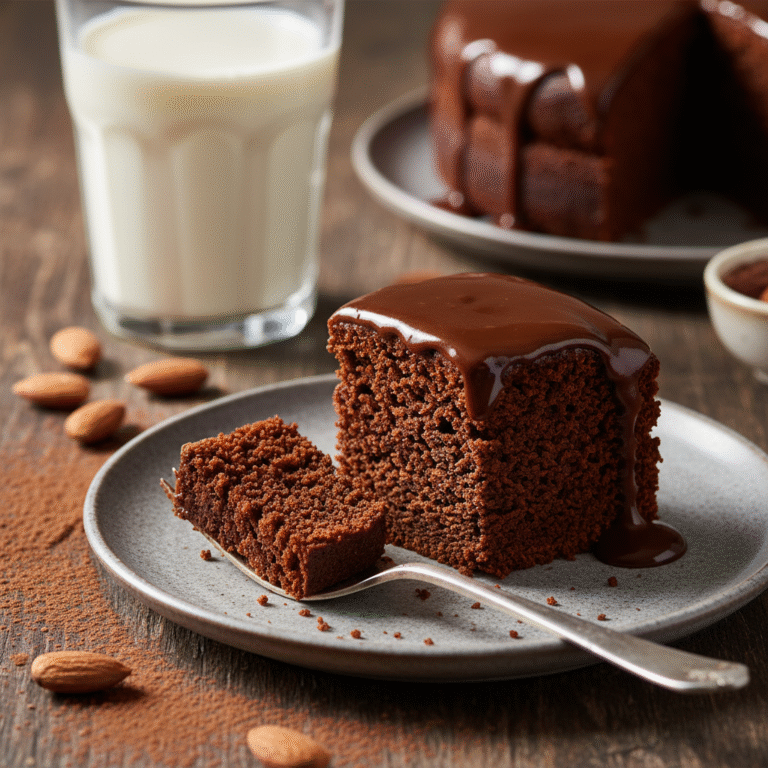
Moist & Fluffy Low Sugar Vanilla Cake With Honey: A Guilt-Free Indulgence
Low Sugar Low Sugar Vanilla Cake With Honey Recipe
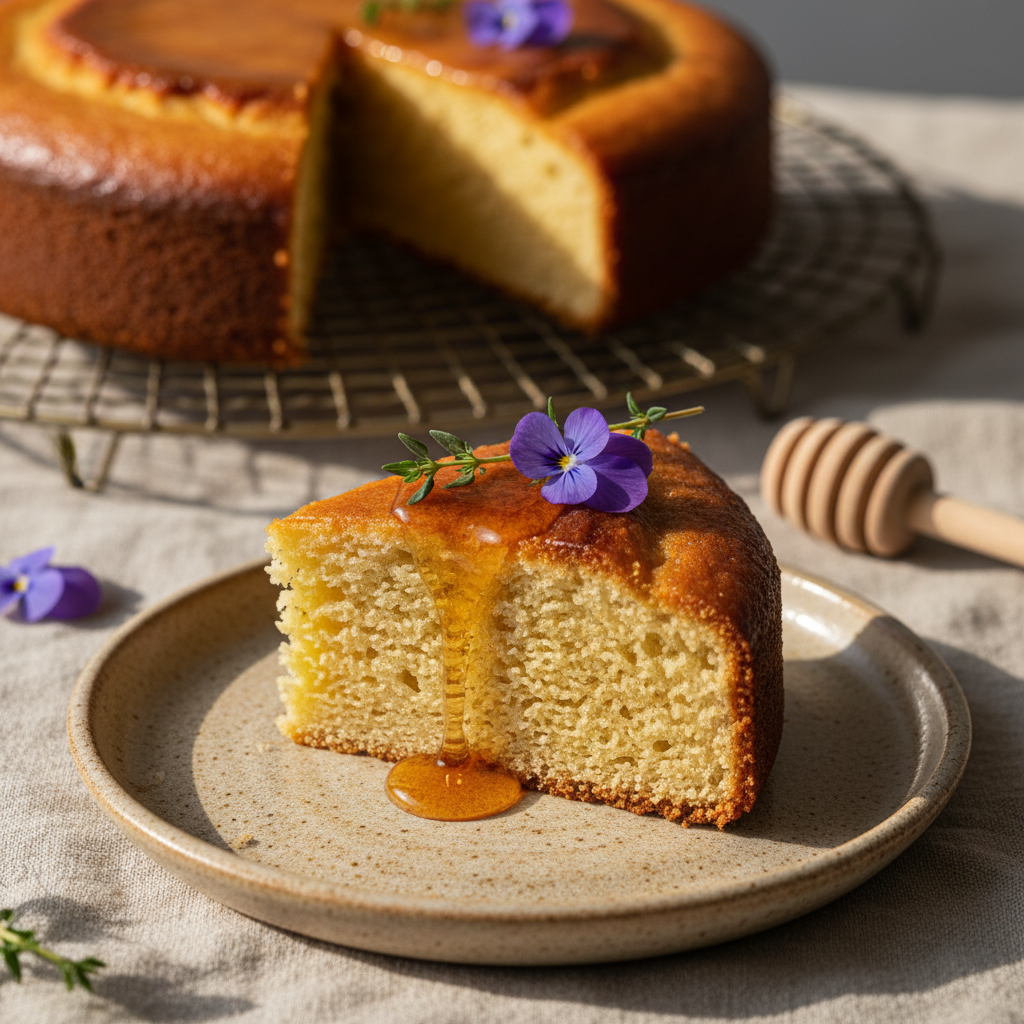
Experience the perfect balance of wholesome sweetness and tender texture with this Low Sugar Vanilla Cake sweetened entirely with natural honey. This recipe delivers a moist, fluffy crumb and delicate floral notes without the sugar crash, making it the ultimate guilt-free dessert for birthdays or afternoon tea.
20 minutes
35 minutes
55 minutes
10 servings
Dessert
Baking
American
Vegetarian
In the world of baking, sugar often plays the role of both sweetener and structural architect, creating the tender crumb and golden crust we all crave. However, as we become more conscious of our refined sugar intake, the quest for a truly delicious low-sugar dessert that doesn’t taste like ‘health food’ has become a holy grail for home bakers. This Low Sugar Vanilla Cake with Honey is the answer to that prayer. It is not merely a compromise; it is an upgrade. By swapping out processed white sugar for nature’s golden nectar, we introduce a depth of flavor that simple sucrose cannot achieve. The floral, earthy undertones of raw honey pair strictly with the aromatic warmth of pure vanilla bean paste, creating a sophisticated flavor profile that feels indulgent and comforting simultaneously.
Many low-sugar cakes suffer from being dense, dry, or rubbery, but this recipe utilizes the unique chemical properties of honey to ensure a cake that stays incredibly moist for days. The hygroscopic nature of honey draws moisture from the air, resulting in a texture that rivals even the most buttery pound cakes. Whether you are baking for a diabetic-friendly diet, trying to cut down on processed ingredients, or simply love the rich taste of honey, this cake proves that you don’t need cups of white sugar to create a celebration-worthy confection. Get ready to fill your kitchen with the scent of warm vanilla and caramelized honey as we bake a cake that feels good to eat.
History & Origins
The history of cake is a long and evolving journey that actually began with honey long before refined sugar became a household staple. In ancient civilizations, including Egypt, Greece, and Rome, honey was the primary sweetener used in breads and cakes. These early ‘cakes’ were often more bread-like, enriched with nuts, dried fruits, and honey, and were served as offerings to the gods or reserved for the wealthy elite during feasts. The word ‘cake’ itself is of Viking origin, from the Old Norse word ‘kaka’.
It wasn’t until the 17th and 18th centuries, with the improvement of oven technology and the availability of refined sugar, that cakes began to resemble the light, fluffy confections we recognize today. The Victorian era solidified the sponge cake as a tea-time essential, heavily relying on beaten eggs and white sugar for volume. However, in recent decades, there has been a significant cultural shift back towards ancestral ingredients. The modern ‘low sugar’ movement emerged in the late 20th century as health organizations began highlighting the adverse effects of excessive refined sugar consumption. This led to a renaissance of alternative baking, where home cooks and chefs alike began rediscovering the benefits of natural sweeteners like honey, maple syrup, and agave. This recipe honors that ancient tradition of honey-sweetened breads while utilizing modern baking science to achieve the light texture of a contemporary vanilla cake.
Why This Recipe Works
Baking with honey instead of sugar requires a specific understanding of food chemistry, and this recipe has been meticulously calibrated to ensure success. First, honey is sweeter than sugar, meaning we can use less of it to achieve the same level of palatability, naturally lowering the overall carbohydrate load. Second, honey is acidic. This recipe leverages that acidity by pairing it with baking soda (and baking powder), creating a robust leavening reaction that gives the cake a significant lift, countering the heaviness that liquid sweeteners can sometimes impart.
Furthermore, the ‘crumb’ of a cake relies on fat and sugar interfering with gluten development. Here, the liquid state of honey coats the flour proteins more efficiently than sugar crystals, resulting in a remarkably tender bite. We also adjust the oven temperature; honey caramelizes and burns faster than granulated sugar. By baking at a slightly lower temperature (325°F instead of the standard 350°F), we allow the cake to cook through evenly without scorching the exterior, resulting in a beautiful golden-brown crust that adds a slight crunch to the soft interior. The addition of a high-quality vanilla bean paste bridges the flavor gap, rounding out the sharp sweetness of the honey into a mellow, creamy finish.
Why You’ll Love This Recipe
- ✓Sweetened entirely with natural honey—no refined white sugar.
- ✓Stays moist for days thanks to honey’s hygroscopic properties.
- ✓Features a complex, floral vanilla flavor profile.
- ✓Lower baking temperature ensures a perfect, golden crust.
- ✓Simple one-bowl mixing method for easy cleanup.
- ✓Versatile base that pairs well with berries, whipped cream, or nuts.
Equipment You’ll Need
- ✓9-inch round cake pan
- ✓Large mixing bowl
- ✓Medium mixing bowl
- ✓Whisk
- ✓Electric hand mixer or stand mixer
- ✓Rubber spatula
- ✓Measuring cups and spoons
- ✓Parchment paper
- ✓Wire cooling rack
Ingredients
- ✓2 cups All-Purpose Flour (or cake flour for lighter crumb)
- ✓1 1/2 tsp Baking Powder
- ✓1/2 tsp Baking Soda
- ✓1/2 tsp Salt
- ✓1/2 cup Unsalted Butter, softened to room temperature
- ✓2/3 cup Raw Honey (clover or wildflower recommended)
- ✓2 large Eggs, room temperature
- ✓1 tbsp Vanilla Bean Paste (or pure vanilla extract)
- ✓1/2 cup Plain Greek Yogurt (full fat recommended)
- ✓1/3 cup Whole Milk, room temperature
Instructions
- Preheat your oven to 325°F (163°C). This lower temperature is crucial for honey-based cakes to prevent burning. Grease a 9-inch round cake pan with butter and line the bottom with parchment paper.
- In a medium bowl, whisk together the flour, baking powder, baking soda, and salt until well combined. Set aside.
- In a large mixing bowl (or the bowl of a stand mixer), beat the softened butter on medium speed until creamy and smooth, about 1 minute.
- Slowly drizzle in the honey while continuing to beat the butter. Continue mixing on medium-high speed for 3-4 minutes. The mixture should look fluffy and pale, though it won’t be as granular as a sugar-butter cream.
- Add the eggs one at a time, beating well after each addition. Scrape down the sides of the bowl with a rubber spatula to ensure everything is incorporated.
- Mix in the vanilla bean paste and the Greek yogurt until the batter is smooth and uniform.
- Reduce the mixer speed to low. Add half of the dry ingredients to the wet mixture, mixing just until the flour streaks disappear.
- Pour in the milk and mix gently to combine.
- Add the remaining dry ingredients and mix on low speed only until combined. Do not overmix; stop as soon as the flour is incorporated to keep the cake tender.
- Pour the batter into the prepared cake pan and smooth the top with a spatula. Tap the pan gently on the counter to release any large air bubbles.
- Bake in the center of the preheated oven for 30-38 minutes, or until a toothpick inserted into the center comes out clean or with just a few moist crumbs.
- Remove from the oven and let the cake cool in the pan for 10 minutes. Then, carefully invert it onto a wire rack to cool completely before slicing or frosting.
Expert Cooking Tips
- ✓Room temperature ingredients are non-negotiable; cold eggs or milk can cause the butter to seize and the batter to curdle.
- ✓Measure honey by coating your measuring cup with a little oil first; the honey will slide right out without sticking.
- ✓Do not skip the parchment paper; honey cakes are stickier than sugar cakes and can adhere to the pan.
- ✓If the top is browning too quickly but the center is jiggly, tent the cake loosely with aluminum foil for the last 10 minutes.
- ✓Use mild-flavored honey like clover or acacia so the honey flavor doesn’t overpower the vanilla.
- ✓Let the cake cool completely before wrapping; honey cakes retain heat longer and can become soggy if wrapped warm.
Substitutions and Variations
This recipe is quite adaptable if you need to make swaps based on dietary needs or pantry availability. For the flour, you can use a 1:1 Gluten-Free Baking Flour blend if you are avoiding gluten; look for one that contains xanthan gum for structure. If you prefer a whole grain option, white whole wheat flour works well, though the texture will be slightly denser.
For the sweetener, while this is a honey-specific recipe, pure maple syrup or agave nectar can be substituted in equal amounts, though this will alter the flavor profile significantly—maple will give a more autumnal taste.
Dairy substitutions are also possible. The butter can be replaced with melted coconut oil or a high-quality vegan butter block. The Greek yogurt can be swapped for sour cream or a thick dairy-free coconut yogurt. Almond milk or oat milk can replace the whole milk, but ensure they are unsweetened to avoid adding extra sugar.
Common Mistakes to Avoid
The most common mistake when baking with honey is baking at too high a temperature. Standard cakes bake at 350°F, but honey burns easily, leading to a dark, bitter crust and raw center; stick to 325°F. Another error is overmixing the batter after adding the flour. Because honey is a liquid, the batter forms gluten easily. Mix gently and stop as soon as the flour disappears.
Using crystallized honey is another pitfall; ensure your honey is runny and smooth. If it has crystallized, gently warm it in a water bath until liquid before measuring. Finally, don’t open the oven door too early. Honey cakes rely on steam and heat for lift, and a draft can cause the center to sink dramatically.
Serving Suggestions
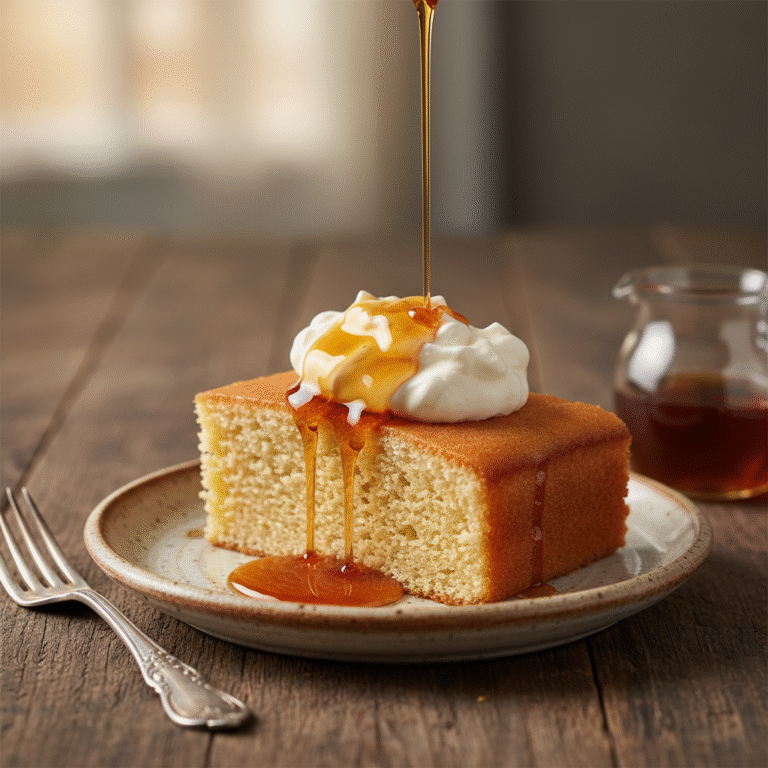
This cake is beautiful in its simplicity and doesn’t necessarily need a heavy frosting. A light dusting of powdered sugar (or powdered erythritol for a lower sugar option) is often enough. For a dressier presentation, serve it with a dollop of unsweetened whipped cream and a handful of fresh berries like raspberries or strawberries to cut through the sweetness.
If you want a frosting, a tangy Cream Cheese Frosting sweetened with a touch of maple syrup pairs perfectly with the floral honey notes. It is also delightful served warm with a drizzle of extra honey and a side of tea or coffee.
Storage and Reheating Tips
Because of the honey, this cake has excellent keeping qualities. Store it in an airtight container at room temperature for up to 3 days; it will actually become moister on the second day. For longer storage, keep it in the refrigerator for up to a week, though you should let it come to room temperature before eating for the best texture.
To freeze, wrap individual slices or the whole cooled cake tightly in plastic wrap, followed by a layer of aluminum foil. It can be frozen for up to 3 months. Thaw overnight in the refrigerator or on the counter for a few hours.
Nutrition Facts (Estimated)
| Serving Size | 1 slice |
| Calories | 245 |
| Fat | 12g |
| Saturated Fat | 7g |
| Unsaturated Fat | 4g |
| Trans Fat | 0g |
| Cholesterol | 45mg |
| Sodium | 180mg |
| Carbohydrates | 32g |
| Fiber | 1g |
| Sugar | 14g |
| Protein | 4g |
Frequently Asked Questions
Can I use raw honey for this recipe?
Yes, raw honey is excellent and often has a better flavor depth. However, since the cake is baked, the raw enzymes will be destroyed by the heat, so the health benefits specific to ‘raw’ honey are diminished, but the flavor remains superior.
Why did my cake sink in the middle?
Sinking usually happens if the oven door was opened too early, letting heat escape, or if the cake was underbaked. It can also happen if there was too much leavening (baking soda/powder), causing it to rise too fast and then collapse.
Can I make this into cupcakes instead?
Absolutely. This batter works well for cupcakes. Line a muffin tin with liners and bake at 325°F for about 18-22 minutes. Check for doneness earlier than you would for the full cake.
Is this cake safe for diabetics?
While this cake uses honey instead of refined sugar, honey is still a form of sugar and affects blood glucose. It is ‘lower sugar’ compared to standard frosting-laden cakes, but diabetics should monitor their portion sizes and consult their dietary guidelines.
Can I use almond flour?
You cannot swap almond flour 1:1 for all-purpose flour in this specific recipe as it lacks the gluten structure needed to hold the liquid honey. You would need a recipe specifically designed for almond flour.
What does the vinegar/acid do if I don’t use yogurt?
The acidity in the yogurt activates the baking soda. If you don’t have yogurt, you must use sour cream or buttermilk. Regular milk alone won’t provide enough acid for the lift.
My batter looks curdled, is it ruined?
Not at all! When you add eggs to the butter/honey mixture, it often looks curdled or separated. Once you add the flour, it will smooth out perfectly.
Can I reduce the honey further?
I wouldn’t recommend reducing it much more, as honey provides moisture and structure. Reducing it too much will result in a dry, bread-like texture rather than a cake.
Conclusion
Baking a Low Sugar Vanilla Cake with Honey is a testament to the fact that we don’t need to sacrifice flavor or texture for a slightly healthier lifestyle. By embracing the natural sweetness of honey, we create a dessert that is sophisticated, deeply flavorful, and satisfyingly moist. Whether you are serving this at a rustic summer picnic or a cozy winter gathering, it is sure to be a crowd-pleaser that leaves everyone asking for the recipe. Enjoy the process of baking with natural ingredients, and savor every guilt-free bite!