The Ultimate Low Sugar Vanilla Cake with Erythritol
Low Sugar Low Sugar Vanilla Cake With Erythritol Recipe
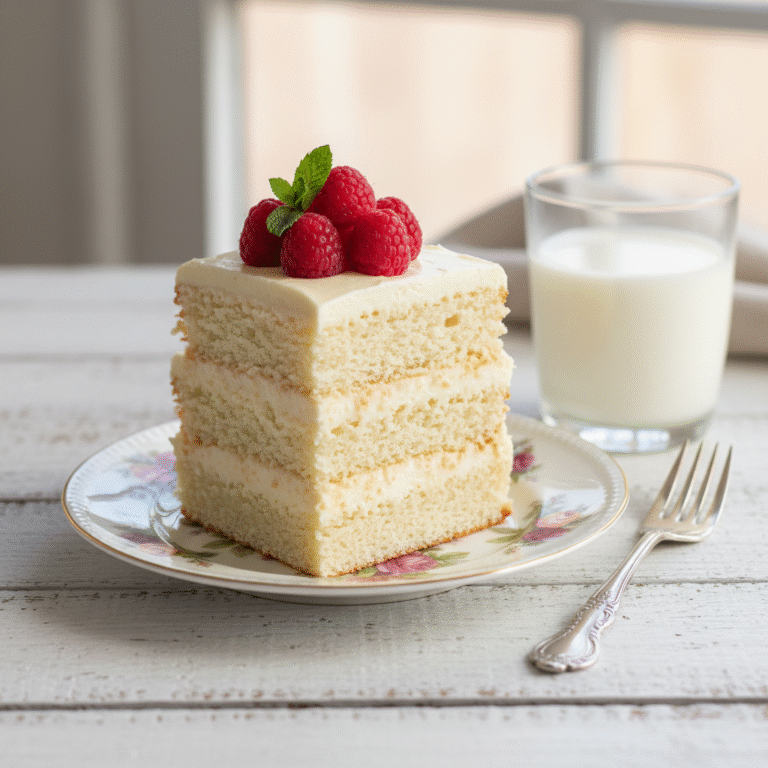
Indulge in the classic, nostalgic taste of a fluffy vanilla birthday cake without the inevitable sugar crash. This Low Sugar Vanilla Cake uses erythritol to create a tender, moist crumb that rivals any traditional bakery treat, making it the perfect guilt-free dessert for keto, low-carb, and diabetic-friendly lifestyles.
20 minutes
30 minutes
50 minutes
12 servings
Dessert
Baking
American
Gluten-Free
There is something universally comforting about a slice of vanilla cake. It is the centerpiece of childhood birthdays, the celebratory finish to anniversary dinners, and the ultimate comfort food on a rainy afternoon. However, for those of us monitoring our blood sugar, living a ketogenic lifestyle, or simply trying to reduce our refined sugar intake, traditional cake is often strictly off-limits. The combination of white flour and high-fructose ingredients creates a glycemic spike that leaves us feeling sluggish and foggy. Enter the Low Sugar Vanilla Cake with Erythritol—a culinary triumph that proves you can have your cake and eat it too.
Creating a sugar-free cake that doesn’t taste like ‘diet food’ is a challenge that has stumped home bakers for years. Sugar plays a structural role in baking, providing moisture and tenderness, not just sweetness. When you replace sucrose with erythritol, a sugar alcohol that contains zero calories and has zero effect on blood glucose, you often run the risk of a dry, dense, or oddly cooling final product. This recipe is the result of extensive testing to overcome those hurdles. By balancing the erythritol with high-quality fats and a precise blend of low-carb flours, we achieve a texture that is shockingly close to a standard yellow cake.
The flavor profile is pure, unadulterated vanilla bean, supported by the richness of butter and the subtle nuttiness of almond flour. It is light, airy, and perfectly sweet without the cloying aftertaste often associated with artificial sweeteners. Whether you are frosting it with a sugar-free buttercream for a celebration or enjoying a slice plain with your morning coffee, this cake represents freedom—the freedom to enjoy the sweeter side of life without compromising your health goals.
History & Origins
The concept of ‘cake’ has evolved dramatically over millennia, originating from ancient modifications of bread. The Egyptians were the first to show evidence of advanced baking skills, though their cakes were more like honey-sweetened breads. The modern round cake with icing that we recognize today didn’t truly take shape until the mid-17th century in Europe, as oven technology improved and refined sugar became more accessible. For centuries, sugar was the undisputed king of confectionery, a symbol of wealth and celebration.
However, the history of this specific recipe is rooted in the more recent history of sugar substitutes and the low-carb revolution. Erythritol, the star sweetener in this dish, was actually discovered in 1848 by Scottish chemist John Stenhouse. Despite its early discovery, it remained largely obscure until the late 20th century when Japan began commercially producing it via fermentation. As the obesity epidemic grew and the harmful effects of excess sugar consumption became undeniable in the 1990s and 2000s, the demand for alternative sweeteners skyrocketed.
The rise of the Atkins diet in the early 2000s, followed by the explosion of the Ketogenic diet in the 2010s, fundamentally changed how home bakers approached dessert. Early low-carb cakes were often heavy and tasted distinctly of chemicals. It wasn’t until the widespread availability of high-quality granulated erythritol and superfine almond flour that recipes like this became possible. This cake represents the modern era of ‘health-conscious indulgence,’ blending centuries-old baking techniques with modern nutritional science to accommodate the dietary needs of the 21st century.
Why This Recipe Works
Baking with erythritol requires a fundamental understanding of food chemistry because it behaves differently than cane sugar. Sugar is hygroscopic, meaning it attracts and holds water, which keeps cakes moist. Erythritol does not have this same property, which is why simply swapping them 1:1 in a standard recipe often leads to a dry, crumbly disaster. This recipe works because we have re-engineered the moisture content. We utilize a combination of almond flour and coconut flour; the almond flour provides healthy fats and a tender crumb, while the coconut flour is highly absorbent, holding onto the liquid ingredients to mimic the structure of a wheat-based cake.
Furthermore, we address the notorious ‘cooling effect’ of erythritol. When erythritol dissolves in your mouth, it creates a sensation similar to mint, which can be distracting in a vanilla cake. To counteract this, this recipe uses a higher ratio of fats (butter and heavy cream or almond milk) and a generous amount of vanilla extract. The fat coats the tongue, mitigating the cooling sensation, while the vanilla provides a warm, aromatic flavor profile that masks any residual metallic tastes. Additionally, we use a specific creaming method—beating the butter and erythritol until fluffy—to mechanically incorporate air into the batter, ensuring the cake rises beautifully despite the lack of gluten.
Why You’ll Love This Recipe
- ✓Zero Sugar Spike: Sweetened entirely with erythritol for a glycemic-friendly treat.
- ✓Gluten-Free Base: Uses almond and coconut flour for a nutrient-dense crumb.
- ✓Authentic Texture: Specifically formulated to avoid the dryness common in low-carb baking.
- ✓Keto & Diabetic Friendly: Perfect for strict low-carb macros.
- ✓Versatile: serves as an excellent base for cupcakes, layer cakes, or trifles.
- ✓No ‘Cooling’ Aftertaste: Balanced fat ratios mask the typical erythritol sensation.
Equipment You’ll Need
- ✓9-inch round cake pan or 8×8 square pan
- ✓Electric hand mixer or stand mixer
- ✓Large mixing bowl
- ✓Medium mixing bowl
- ✓Rubber spatula
- ✓Parchment paper
- ✓Wire cooling rack
- ✓Measuring cups and spoons
Ingredients
- ✓2 1/2 cups blanched almond flour (superfine)
- ✓1/4 cup coconut flour
- ✓1 cup granulated erythritol (or monk fruit/erythritol blend)
- ✓2 1/4 tsp baking powder
- ✓1/2 tsp sea salt
- ✓1/2 cup unsalted butter, softened to room temperature
- ✓1/2 cup unsweetened almond milk (or heavy cream for richer texture)
- ✓4 large eggs, room temperature
- ✓1 tbsp vanilla extract
- ✓1/2 tsp xanthan gum (optional, for better structure)
Instructions
- Preheat your oven to 350°F (175°C). Grease a 9-inch round cake pan generously with butter or coconut oil and line the bottom with a circle of parchment paper to prevent sticking.
- In a medium bowl, whisk together the dry ingredients: almond flour, coconut flour, baking powder, salt, and xanthan gum (if using). Ensure there are no lumps, especially in the almond flour.
- In a large mixing bowl (or the bowl of a stand mixer), cream the softened butter and granulated erythritol together on high speed for about 2-3 minutes. The mixture should look fluffy and slightly pale.
- Add the eggs to the butter mixture one at a time, beating well after each addition. Scrape down the sides of the bowl with a rubber spatula as needed.
- Mix in the vanilla extract and the almond milk (or heavy cream). The batter may look slightly curdled at this stage; this is normal for high-fat, low-carb batters.
- Reduce the mixer speed to low and slowly add the dry ingredient mixture to the wet ingredients. Mix only until combined and a smooth batter forms. Do not overmix.
- Pour the batter into the prepared cake pan and use the spatula to smooth the top into an even layer.
- Bake in the center of the oven for 28-35 minutes. The cake is done when the top is golden brown and a toothpick inserted into the center comes out clean or with just a few moist crumbs.
- Remove from the oven and let the cake cool in the pan for at least 20 minutes. This is crucial as gluten-free cakes are very fragile when hot.
- Gently invert the cake onto a wire cooling rack to cool completely before frosting or slicing.
Expert Cooking Tips
- ✓Room Temperature Ingredients: Ensure your eggs, butter, and milk are at room temperature. Cold ingredients will cause the butter to seize and create a lumpy batter.
- ✓Measure Flour Correctly: Do not pack the almond flour. Scoop it gently into the measuring cup and level it off with a knife.
- ✓Let it Cool: Erythritol-based cakes firm up as they cool. If you try to slice it warm, it may crumble apart.
- ✓Powdered Sweetener: For a smoother texture, you can pulse your granulated erythritol in a blender to make it powdered before measuring.
- ✓Don’t Skip the Parchment: Almond flour cakes stick more easily than wheat cakes. Parchment paper on the bottom is a lifesaver.
- ✓Tent with Foil: If the top is browning too quickly before the center is set, loosely tent the pan with aluminum foil around the 20-minute mark.
Substitutions and Variations
This recipe is quite flexible within the realm of low-carb baking, but specific substitutions must be made carefully to maintain the chemistry. If you cannot use almond flour due to a nut allergy, sunflower seed flour is the closest 1:1 substitute, though it may turn green due to a reaction with baking powder (this is harmless but aesthetically surprising). Do not try to substitute coconut flour with more almond flour or vice versa; coconut flour is four times as absorbent, and swapping them will ruin the liquid ratio. For the sweetener, you can use Xylitol (keep away from dogs!), Allulose, or a Monk Fruit blend. Allulose will brown faster, so watch the oven temp. If you are dairy-free, substitute the butter with coconut oil or a vegan butter stick, and stick to almond milk instead of heavy cream. For the eggs, flax eggs generally do not provide enough lift for this amount of heavy flour, so stick to real eggs or a high-quality commercial egg replacer intended for baking.
Common Mistakes to Avoid
The most common mistake with this recipe is impatience during the cooling process. Traditional flour cakes rely on gluten for structure, which sets relatively quickly. This cake relies on the protein in the eggs and the cooling of the fats to hold its shape. Cutting it while hot will result in a pile of delicious crumbs rather than a slice. Another error is using a liquid sweetener (like stevia drops or maple syrup) instead of granulated erythritol. The bulk of the granulated sweetener is necessary for the volume of the cake. Finally, failing to sift the almond flour often results in pockets of unmixed nut meal, which creates an inconsistent texture. Always whisk or sift your dry ingredients thoroughly.
Serving Suggestions
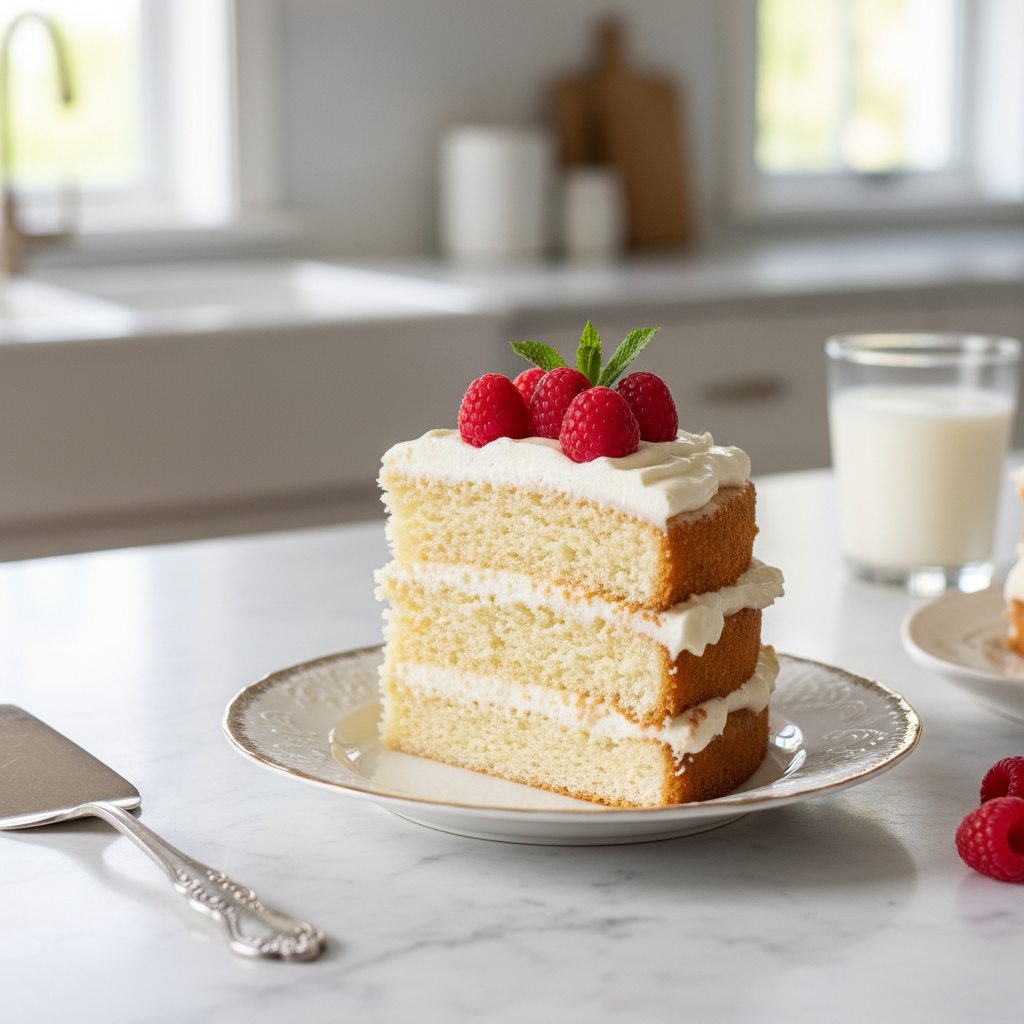
This Low Sugar Vanilla Cake serves as a brilliant canvas for a variety of toppings. For a classic approach, frost it with a Keto Buttercream made from butter, powdered erythritol, and vanilla. For a lighter summer option, serve slices with a dollop of unsweetened whipped cream and a handful of fresh berries like raspberries or blackberries, which are naturally lower in sugar. It also pairs beautifully with a sugar-free lemon curd or a dark chocolate ganache made with stevia-sweetened chocolate chips and heavy cream. Serve alongside a hot cup of black coffee or herbal tea to cut through the richness of the almond flour.
Storage and Reheating Tips
Because this cake contains no preservatives and has a high moisture content from the almond flour, it is best stored in the refrigerator. Place the cake in an airtight container or wrap it tightly in plastic wrap; it will keep fresh in the fridge for up to 5-7 days. In fact, many find the texture improves and becomes fudgier after a night in the fridge. For long-term storage, this cake freezes exceptionally well. Slice the cake individually, wrap each slice in plastic wrap, and place them in a freezer-safe bag. They can be frozen for up to 3 months. Thaw on the counter for 30 minutes before eating.
Nutrition Facts (Estimated)
| Serving Size | 1 slice |
| Calories | 245 |
| Fat | 21g |
| Saturated Fat | 8g |
| Unsaturated Fat | 11g |
| Trans Fat | 0g |
| Cholesterol | 65mg |
| Sodium | 180mg |
| Carbohydrates | 6g |
| Fiber | 3g |
| Sugar | 1g |
| Protein | 7g |
Frequently Asked Questions
Does this cake have a cooling aftertaste?
Erythritol can have a cooling effect, but this recipe mitigates it by using a high fat content (butter and almond flour) and vanilla. Most people find it undetectable, especially if served with a creamy frosting.
Can I use Stevia instead of Erythritol?
You cannot swap pure Stevia powder or liquid 1:1 for erythritol because the bulk volume of the granules is needed for the cake’s structure. However, you can use a baking blend that measures 1:1 like sugar.
Why did my cake fall in the center?
This usually happens if the cake was underbaked or if the oven door was opened too early, causing a temperature drop. Ensure the center is firm to the touch before removing it.
Is this cake safe for dogs?
While erythritol is generally safe for dogs, Xylitol (another common sweetener) is deadly toxic. However, due to the high fat and almond content, it’s best not to feed this to pets.
Can I make this into cupcakes?
Absolutely! This batter makes about 10-12 standard cupcakes. Reduce the baking time to 18-22 minutes and check for doneness early.
Can I use regular flour instead of almond flour?
No. This recipe is specifically formulated for the absorption rates of almond and coconut flour. Using regular wheat flour with this liquid ratio will result in a very dry, tough dough.
What is the best way to frost this cake?
Wait until the cake is completely cold. Since the crumb is more tender than wheat cake, apply a ‘crumb coat’ (a thin layer of frosting) first, chill it for 15 minutes, and then apply the final thick layer.
Is xanthan gum necessary?
It is not strictly necessary, but it helps bind the ingredients together and prevents crumbling. If you omit it, just handle the cake slices with a bit more care.
Conclusion
Embarking on a low-sugar journey doesn’t mean you have to leave the joy of baking behind. This Low Sugar Vanilla Cake with Erythritol is a testament to how far alternative baking has come, offering a lush, moist, and deeply satisfying dessert that fits perfectly into a healthy lifestyle. Whether you are celebrating a milestone or just celebrating Tuesday, this cake brings the festivity without the sugar crash. We hope this recipe becomes a staple in your kitchen, proving once and for all that healthy food can be just as delicious as the traditional favorites. Happy baking!